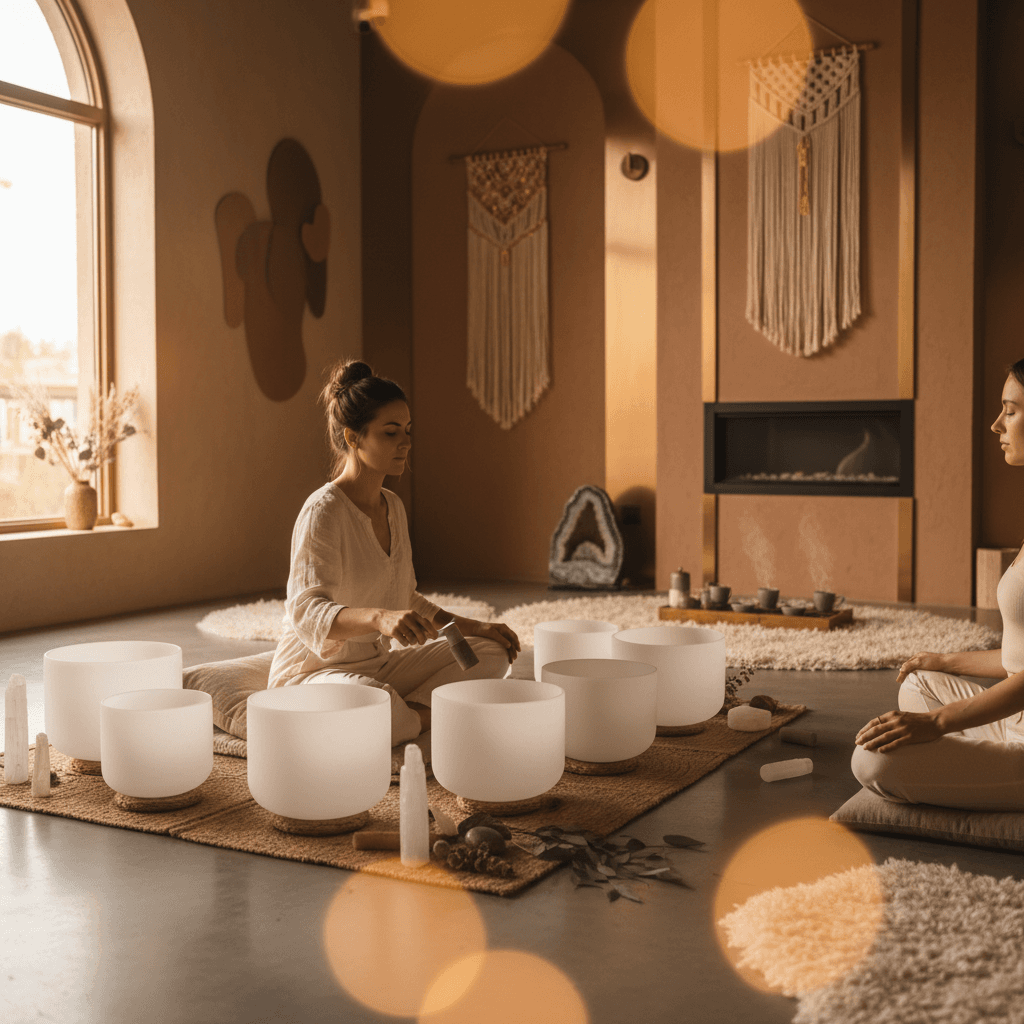
Elevate Your Connections: How Sound Enhances Communication & Well-being

Key Insights
Discover the profound impact of sound on human communication, neural pathways, and social bonding. Explore scientific insights and Soul Art's unique approach with Larissa Steinbach.
Have you ever considered that the sounds around you, or even within you, might be silently orchestrating the way you connect with others? Beyond the spoken word, the subtle frequencies and rhythms that permeate our environment play a profound, often underestimated, role in shaping our communication abilities and the depth of our relationships. It's a fascinating frontier where neuroscience meets holistic well-being.
At Soul Art, Dubai's premier sound wellness studio, we delve into this intricate world, guided by the expertise of our founder, Larissa Steinbach. This article will unravel the scientific foundations behind how sound enhances communication, from modulating brain activity to fostering deeper social bonds. You'll learn how these principles are applied in practical, transformative ways, offering tangible benefits for your daily interactions and overall well-being.
The Sonic Blueprint of Connection: Unveiling the Neuroscience
The human brain is an exquisite receiver and interpreter of sound, constantly processing auditory information to make sense of our world and, crucially, to facilitate interaction. Far from being a passive process, our engagement with sound actively sculpts our neural pathways, influencing everything from our cognitive acuity to our emotional responses. Understanding these mechanisms reveals the powerful potential of sound for enhancing communication.
The Brain's Symphony: Neural Plasticity and Auditory Experience
Our auditory cortex is not a static organ; it is remarkably plastic, continuously adapting based on our experiences. Research shows that repeated exposure to specific sounds, particularly vocal communication signals, can profoundly reshape neural representation. For instance, a study by Liu and Schreiner (2007) on mouse pups and mothers demonstrated that mothers, through experience, developed a greater and faster neural response to pup calls compared to naïve females. This highlights how meaningful auditory input can fine-tune the brain's processing speed and efficiency.
Behavioral studies further corroborate this, indicating that our responses to vocalizations are heavily influenced by learning and experience. Fischer et al. (2000) observed baboons, noting that adults responded strongly to "alarm barks" but only weakly to "contact barks," a distinction likely honed through social learning. This illustrates how context and past experience dictate the emotional and behavioral impact of specific vocal sounds, crucial for effective communication within a group.
Moreover, the brain can develop specialized processing for communication sounds. Böye et al. (2005) found that adult sea lions exhibited a strong right-ear (left hemisphere) preference for communication vocalizations, a specialization not seen in infants. This asymmetry, also noted in rhesus monkeys by Hauser and Andersson (1994) and Japanese macaques by Lemasson et al. (2010), strongly suggests that specific brain regions become adept at processing communication-relevant sounds through experience. Sound, in essence, trains our brain to communicate better.
Beyond Hearing: Sound, Vibration, and Cellular Responses
The impact of sound extends far beyond our ears, resonating through our entire physical being. Research reveals that mechanical vibrations, the very essence of sound waves, are detected by specialized nerve endings in our skin, such as Pacinian corpuscles. A study highlighted by Shafaq Zia showed these high-frequency vibrations are not solely routed to the somatosensory cortex (for bodily sensations) but predominantly to the inferior colliculus, a brain region primarily involved in sound perception.
This fascinating discovery suggests that sound and vibration converge in the brain, creating an enhanced sensory experience where neurons respond more strongly to the combination than to either stimulus alone. This holistic processing implies that sound can influence us on a deeper, somatic level, beyond what we merely "hear." It speaks to a profound bodily intelligence that registers and responds to sonic input.
Further astonishing research, described in Scientific American by Simon Makin, indicates that audible sound can even alter gene activity in mouse cells. Experiments revealed changes in the activity of over 100 genes, with many playing roles in critical processes like cell adhesion and migration. Sound waves appear to deform molecules, activating enzymes like focal adhesion kinase (FAK), which guides tissue development. This research points to sound's capacity to influence cellular health and function, forming a foundational layer of well-being that may support cognitive clarity and emotional regulation – both vital for effective communication.
Rhythm, Cognition, and Language: The Intimate Dance
The connection between rhythm and language is far more profound than many realize, weaving together cognitive and sensorimotor activities. Dr. Sven Lee, a neuroscientist at UT Dallas, has extensively researched this intricate relationship, highlighting how music and language are deeply intertwined within our neural architecture. His work demonstrates that children with a good sense of rhythm often exhibit superior grammar skills, irrespective of their IQ or memory capabilities. This suggests a shared cognitive foundation where rhythmic processing underpins linguistic fluency.
Dr. Lee's pilot data has also revealed intriguing insights into the effects of binaural beats, a specific auditory illusion created by presenting slightly different frequencies to each ear. Preliminary findings indicate that priming with binaural beats may increase coherence in the bilateral prefrontal area of the brain compared to a control tone. This region is critical for higher-level cognitive functions, including complex language comprehension. While the field of brainwave entrainment is complex and ongoing research continues to explore its precise mechanisms and effects, these initial observations suggest a potential for sound to support cognitive enhancement, thereby influencing our ability to understand and formulate language effectively.
His ongoing work, supported by a grant from the National Institute on Deafness and Other Communication Disorders, explores the use of rhythm therapy to understand the neural mechanisms underlying aphasia—a language disorder causing significant difficulties in daily communication. This research underscores the practical applications of sound and rhythm in addressing specific communication challenges, offering hope for innovative intervention approaches. The ability of rhythmic patterns to influence brain activity and cognitive processes holds significant promise for sharpening our communication skills and improving clarity of expression.
The Power of the Soundscape: Social Signals and Well-being
The sounds of our environment, collectively known as the soundscape, significantly influence our psychological state and social interactions. Beyond individual sounds, the overall acoustic environment can either foster connection and well-being or contribute to stress and disengagement. Studies show that a positive soundscape is strongly associated with self-reported good health and improved psychological states.
Interestingly, human sounds, such as people talking and laughing, when integrated appropriately, can enhance the pleasantness and "appropriate complexity" of urban public spaces, promoting sociability (Hong and Jeon, 2020; Bild et al., 2018). This suggests that specific types of human vocalizations contribute to a sense of community and connection, making spaces feel more inviting and conducive to interaction. Conversely, negative soundscapes, like constant traffic noise, have been linked to adverse health outcomes, including increased irritability and cognitive disorders.
The concept of "attention restoration theory" posits that exposure to natural sounds, like waterfalls or gentle breezes, can improve cognition and aid recovery from stress. By reducing mental fatigue and promoting a state of calm, these positive soundscapes indirectly enhance our capacity for effective communication. A rested and calm mind is better equipped to listen, process information, and respond thoughtfully, leading to more meaningful exchanges. The right sound environment can be a powerful catalyst for improved interpersonal dynamics.
How It Works in Practice: Tuning Your Communicative Self
Connecting the intricate science of sound to your daily life involves understanding how a carefully curated auditory experience can translate into practical benefits for communication. Sound wellness isn't just about relaxation; it's about recalibrating your entire system – mind, body, and spirit – to optimize your capacity for connection.
When you immerse yourself in a sound wellness session, you engage in a multi-sensory experience. It's not just about what you hear with your ears, but what you feel throughout your body. The low-frequency vibrations from gongs and singing bowls penetrate tissues, stimulating the vagus nerve, which plays a critical role in regulating stress and promoting social engagement. This physical sensation of sound helps to release muscular tension and quiet the nervous system, creating a state of deep physiological calm.
In this state of reduced stress and heightened awareness, your brain becomes more receptive and less reactive. The prefrontal cortex, responsible for executive functions like empathy, decision-making, and verbal articulation, can operate more efficiently. When the mind is free from the constant chatter of stress, you can listen more attentively, express yourself with greater clarity, and respond with more compassion and understanding.
Many people report that after a sound session, they experience a profound sense of mental clarity and emotional openness. This inner equilibrium is a powerful precursor to enhanced communication. Imagine approaching a difficult conversation from a place of centered calm rather than anxiety; the outcome is likely to be far more constructive. Sound works as a gentle yet powerful tool to "tune" your internal instrument, allowing for a more harmonious and effective exchange with the world around you.
"The subtle power of sound has the ability to quiet the external noise, revealing the authentic voice within and the capacity for true connection."
The resonant frequencies used in sound wellness may also support a shift in brainwave states, moving you towards alpha and theta waves, which are associated with relaxation, creativity, and deeper insights. These states are highly conducive to introspection and emotional processing, enabling you to better understand your own needs and boundaries, which is foundational for healthy communication in any relationship. By fostering this inner harmony, sound wellness lays the groundwork for more authentic and meaningful interactions.
The Soul Art Approach: Larissa Steinbach's Vision
At Soul Art, Larissa Steinbach has meticulously crafted a unique approach to sound wellness, specifically designed to harness the scientifically proven benefits of sound for enhancing communication and overall well-being. Her philosophy centers on creating a sanctuary where individuals can reconnect with their inner selves, finding clarity and peace that naturally extends to their external interactions.
The Soul Art method integrates a diverse array of instruments, each chosen for its specific acoustic and vibrational properties. Guests experience the deeply resonant tones of Himalayan singing bowls, which are placed directly on the body to allow their healing vibrations to penetrate deeply. The powerful, enveloping waves of Paiste gongs create an immersive soundscape that encourages profound relaxation and mental recalibration. Additionally, crystal singing bowls, chimes, and the human voice are used to layer rich harmonies and frequencies, guiding participants into states of deep meditation and presence.
Larissa's expertise lies in her intuitive understanding of how to weave these sounds into carefully curated journeys. She often incorporates intention setting at the beginning of each session, focusing on themes such as "clarity in expression," "empathetic listening," or "harmonious relationships." This conscious intention amplifies the session's benefits, guiding the individual's subconscious towards their communication goals. The unique fusion of ancient wisdom and modern scientific understanding sets Soul Art apart.
What truly distinguishes the Soul Art experience is the personalized attention and the serene, elegant environment of our Dubai studio. Larissa Steinbach ensures that each session, whether private or group, is a safe and nurturing space for self-discovery and transformation. By creating an optimal sound environment, Soul Art aims to facilitate internal coherence, fostering a sense of calm and self-awareness that naturally spills over into improved interpersonal communication. It's a holistic pathway to cultivating deeper connections, starting from within.
Your Next Steps: Cultivating Communicative Harmony
Integrating the wisdom of sound into your daily life doesn't require a complete overhaul; even small, consistent practices can yield significant benefits for your communication and overall well-being. By becoming more mindful of sound, you can actively shape your internal and external environments to support clearer, more empathetic interactions.
Here are some actionable steps you can take today:
- Mindful Listening Practice: Dedicate 5-10 minutes each day to simply listening to your environment without judgment. Notice the subtle sounds, the natural rhythms, and how they make you feel. This enhances your auditory processing and presence, crucial for active listening in conversations.
- Curate Your Soundscape: Be intentional about the sounds you expose yourself to. Reduce exposure to jarring noises and instead, incorporate calming music, natural sounds (like waves or birdsong), or gentle instrumental pieces that promote relaxation and focus. This can create a conducive environment for clear thinking and less stress.
- Explore Rhythmic Activities: Engage in activities that incorporate rhythm, such as dancing, drumming, or even walking to a beat. As highlighted by Dr. Lee's research, rhythm can enhance cognitive functions related to language and overall brain coherence.
- Incorporate Sound into Stress Management: Before a potentially challenging conversation or when you feel overwhelmed, take a few minutes to listen to a guided meditation with sound, or even just focus on your breath. This can help regulate your nervous system and approach interactions from a calmer, more centered state.
- Seek Guided Sound Experiences: To dive deeper into the transformative potential of sound, consider experiencing a professional sound wellness session. Soul Art offers expertly guided sessions designed to help you unlock deeper levels of relaxation and self-awareness, directly supporting your communicative growth.
These practices are not merely about external sounds; they are about cultivating an internal harmony that radiates outwards, enhancing your ability to connect authentically and effectively with those around you.
In Summary
The intricate relationship between sound, our brain, and our capacity for communication is a profound testament to the holistic nature of well-being. From shaping neural pathways and influencing gene activity to fostering cognitive clarity and enriching our social soundscapes, sound is a powerful, yet often overlooked, tool for personal growth. Scientific research consistently points to sound's role in enhancing listening skills, promoting empathy, and supporting clearer expression. By understanding and leveraging these principles, we can cultivate deeper, more meaningful connections in every aspect of our lives.
At Soul Art, Larissa Steinbach and her team are dedicated to guiding you through this journey. Through expertly curated sound wellness experiences, we offer a unique pathway to unlock your communicative potential and embrace a life of greater harmony and connection. Discover how the transformative power of sound can resonate through your relationships, elevating your well-being with every frequency.
Bookings Coming Soon
Soul Art is still in preparation. Session details and booking will be published here after launch.
Coming Soon
Wellness Disclaimer: This article is for educational and informational purposes only. It does not constitute medical advice, diagnosis, or treatment. Soul Art Dubai provides non-medical wellness experiences focused on relaxation, stress management, and general wellbeing. Sound wellness is a complementary practice and should not replace professional medical care.
Related Articles
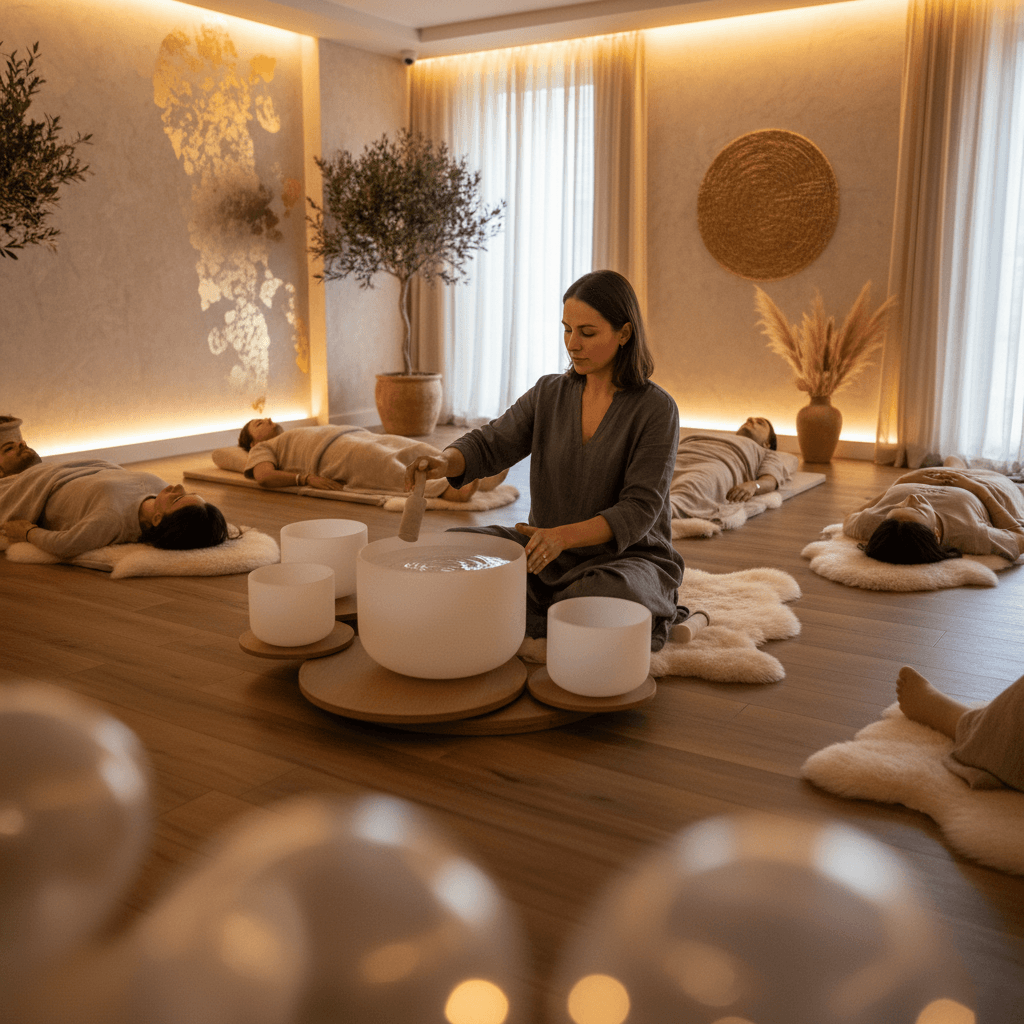
Anniversary Sound: Deepening Love Through Vibrational Wellness
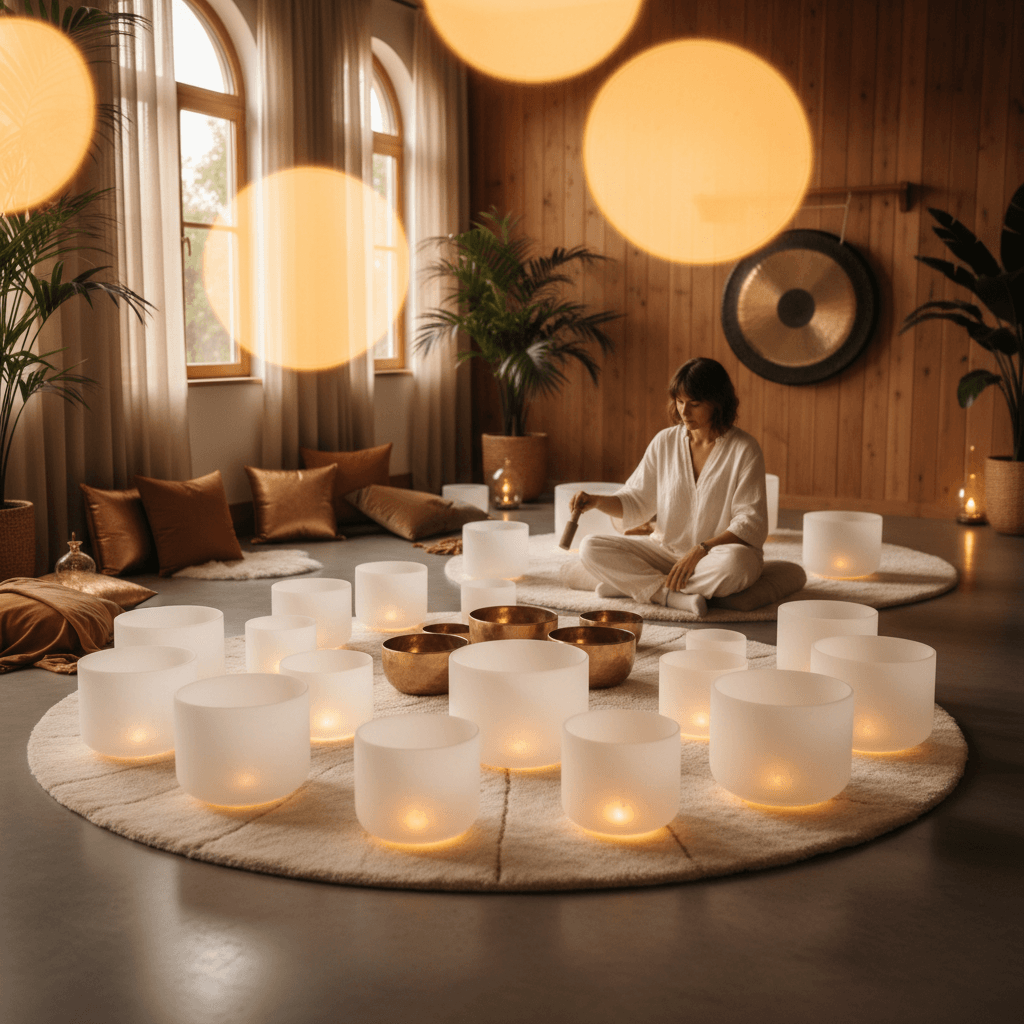
Sound for Recommitment: Deepening Vows with Soul Art
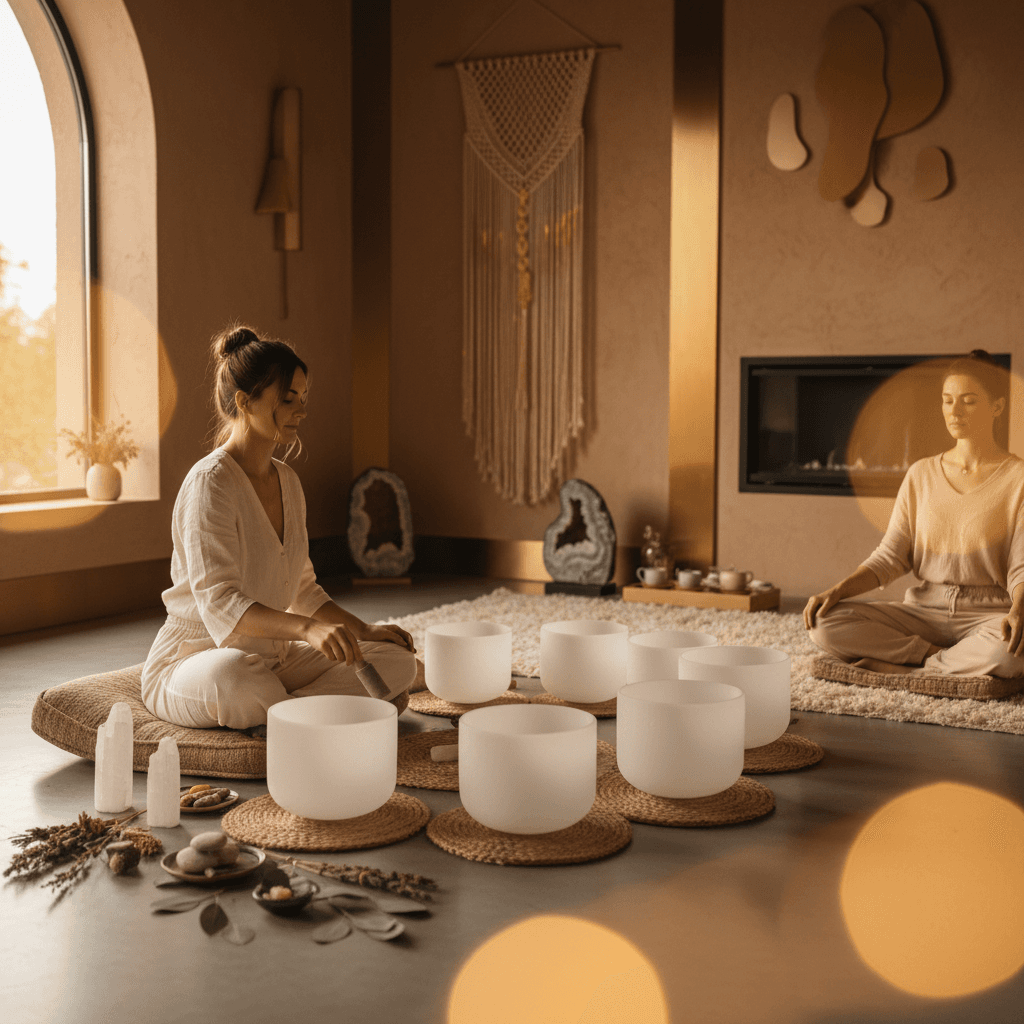
Attachment Styles: Sound for Security – Building Inner Resilience