Colic Relief: Soothing Sounds for Fussy Babies & Calm Parents

Key Insights
Discover how sound wellness, guided by Larissa Steinbach at Soul Art Dubai, may help soothe fussy babies and provide colic relief through scientific approaches.
The soft gurgle of a sleeping baby is a symphony parents cherish. Yet, for many, this tranquility is often interrupted by the piercing, relentless cry of a fussy baby, especially one suffering from colic. This common, yet bewildering, experience can transform the most joyful moments into periods of profound stress and exhaustion for new families.
Infants typically cry for 45 minutes to two hours each day, a natural form of communication. However, when crying escalates to more than three hours daily, frequently in the evening, it’s often indicative of infantile colic. Despite its widespread prevalence, affecting approximately one in four babies, the exact cause of colic remains a mystery, and its arrival can leave parents feeling helpless and overwhelmed.
At Soul Art, Dubai's premier sound wellness studio, founded by Larissa Steinbach, we understand the profound impact a distressed infant has on the entire family ecosystem. We offer a unique, scientifically-grounded approach to fostering calm for both babies and their caregivers. This article will explore the fascinating science behind sound's ability to soothe, translate this into practical applications, and illuminate how the Soul Art method may offer a gentle pathway to peace during these challenging early months.
The Science Explained
Infantile colic is a behavioral syndrome characterized by intense, prolonged, and inconsolable crying in an otherwise healthy infant. While it typically peaks between six and eight weeks of age and resolves on its own, the interim period can be incredibly taxing. The medical community acknowledges a lack of approved pharmacologic remedies for alleviating the discomfort of infantile colic, underscoring the importance of non-pharmacological interventions. This is where the power of sound wellness comes into its own.
Understanding the Infant Calming Response
Research into infant crying reveals a remarkable phenomenon known as the Calming Response (CR). A study published in PMC investigated whether specific soothing techniques could elicit this response in infants. They found that a combination of swaddling, sound, and movement significantly reduced infant fussiness and lowered their heart rate (HR).
The consistency of these behavioral and physiological outcomes suggests a coordinated CR appears when soothing techniques are employed to alleviate distress. Intriguingly, infants' heart rates during these soothing phases were even lower than during quiet interaction, indicating a deeply relaxed physiological state. Younger infants, in particular, responded with a stronger CR to parental soothing, showing decreased fussiness and increased heart rate variability (HRV), a marker of nervous system regulation. This evidence highlights sound as a powerful component in nurturing an infant's self-regulation.
The Auditory-Neurological Connection
The beneficial effect of music and other auditory stimuli on infants is rooted in their interaction with the developing brain and nervous system. Sounds are not merely heard; they are processed in areas of the brain that regulate emotion and physiological responses. As noted in research on music intervention for colic, auditory stimuli are carried to the brain, positively influencing the limbic system (responsible for emotion, motivation, memory) and the autonomic nervous system (controlling involuntary bodily functions). This interaction can induce profound comfort and relaxation.
Studies have demonstrated that music may help decrease stress symptoms in babies and positively affect their temperament. The brain, even in infancy, has a preference for certain sound patterns. Infants show satisfaction with consonant intervals – sounds associated with harmony, peace, and safety – over dissonant intervals, which can evoke tension. This inherent preference underscores why carefully chosen sounds are so effective in promoting calmness.
The Spectrum of Soothing Sounds
A variety of sounds have been explored for their potential to calm fussy babies, each with unique properties and considerations:
- White Noise: A groundbreaking 1990 study found that 80 percent of newborns fell asleep within five minutes of hearing white noise. Its consistent, broadband frequency can block out jarring household noises and may mimic the continuous whooshing sounds heard in the womb. Some infant white noise machines even include a heartbeat setting, which can be deeply comforting for newborns.
- Lullabies and Mother's Voice: The human voice, especially a parent's, is an incredibly potent soothing tool. Lullabies, often characterized by consonant, harmonious melodies, are associated with feelings of harmony, peace, and safety. Research shows that infants not only recognize these familiar melodies but also respond with movements and vocalizations. The act of singing lullabies also benefits mothers, fostering feelings of calmness, relaxation, and closeness, and supporting parental well-being.
- Womb Sounds and Vibro-acoustic Stimulation: The intrauterine environment is rich with sounds, particularly the mother's heartbeat, blood flow, and muffled external noises. Instruments like the monochord, a single-stringed wooden instrument, are designed to generate relaxing sounds and vibro-acoustic stimulation, effectively replicating deep live womb sounds. This type of sound and vibration can be profoundly calming, especially for newborns, helping them transition to the external world.
- Nature Sounds & Gentle Tones: Soft, rhythmic sounds such as gentle rain, ocean waves, or even specific instrumental tones (like those from crystal singing bowls) can provide a consistent auditory environment that aids relaxation. These sounds can help regulate breathing and heart rate, reducing physiological activation associated with fussiness.
It is important to note the American Academy of Pediatrics' (AAP) caution regarding white noise machines: many can exceed recommended noise limits for hospital nurseries (set at 50 decibels). Regular exposure to such high sound pressure levels may pose a risk to infant hearing and auditory development. Therefore, if using white noise, always ensure it is played at a low volume, away from the baby, and for limited durations.
How It Works in Practice
Connecting the scientific understanding of the Calming Response to real-world application involves creating a sensory environment that gently guides the infant's nervous system towards a state of rest. For parents grappling with colic, the theoretical knowledge transforms into a practical strategy for alleviating immediate distress.
Imagine a situation where a baby is crying inconsolably. Their physiological state is activated: heart rate elevated, breathing rapid, body tense. Introducing carefully selected sounds, often combined with other gentle interventions, can initiate a cascade of calming responses. The auditory stimuli act as a gentle anchor, helping to redirect the infant's focus from discomfort or overstimulation to a more neutral, serene internal state. This is not about distracting the baby, but rather about helping their nervous system down-regulate.
The practice often involves establishing a sonic cocoon – a consistent, low-stimulus auditory environment. This might include playing soft, rhythmic music, a gentle hum, or even recorded natural sounds. The key is consistency and a quality of sound that is soothing, not stimulating. For instance, the rhythmic pulse of a monochord or the pure tones of crystal singing bowls create a resonant field that many report feels deeply familiar and comforting.
"The subtle power of sound, when intentionally applied, acts as a gentle invitation for the infant's nervous system to shift from a state of alarm to one of receptive calm, mirroring the secure embrace of the womb."
Parents often find that integrating sound with other calming techniques amplifies its effectiveness. Gentle stroking of the baby’s head or belly, rocking, swaddling, or simply holding them close provides tactile and vestibular stimulation that complements the auditory input. This multi-sensory approach helps to regulate arousal, moving the baby from a state of heightened fussiness towards quiet alertness or sleep.
Beyond the immediate effect on the infant, the practice of sound wellness also offers a crucial benefit to parents. The act of mindfully creating a soothing soundscape can reduce parental stress and frustration, fostering a sense of agency and connection during challenging moments. When parents feel calmer, their baby often mirrors that tranquility, creating a virtuous cycle of peace.
The Soul Art Approach
At Soul Art, Larissa Steinbach and her team are dedicated to crafting bespoke sound wellness experiences that resonate deeply with the needs of individuals and families. For Colic Relief: Soothing Sounds for Fussy Babies, the Soul Art approach is distinguished by its blend of scientific insight, artistic sensitivity, and profound empathy, always adhering strictly to wellness principles.
Larissa Steinbach's vision for Soul Art is to provide a sanctuary where ancient wisdom meets modern understanding of the nervous system. Our method for soothing fussy babies extends beyond generic background noise, focusing instead on creating intentionally curated soundscapes designed to elicit a natural calming response. We recognize that every baby is unique, and our approach emphasizes observation and gentle exploration to find what truly resonates.
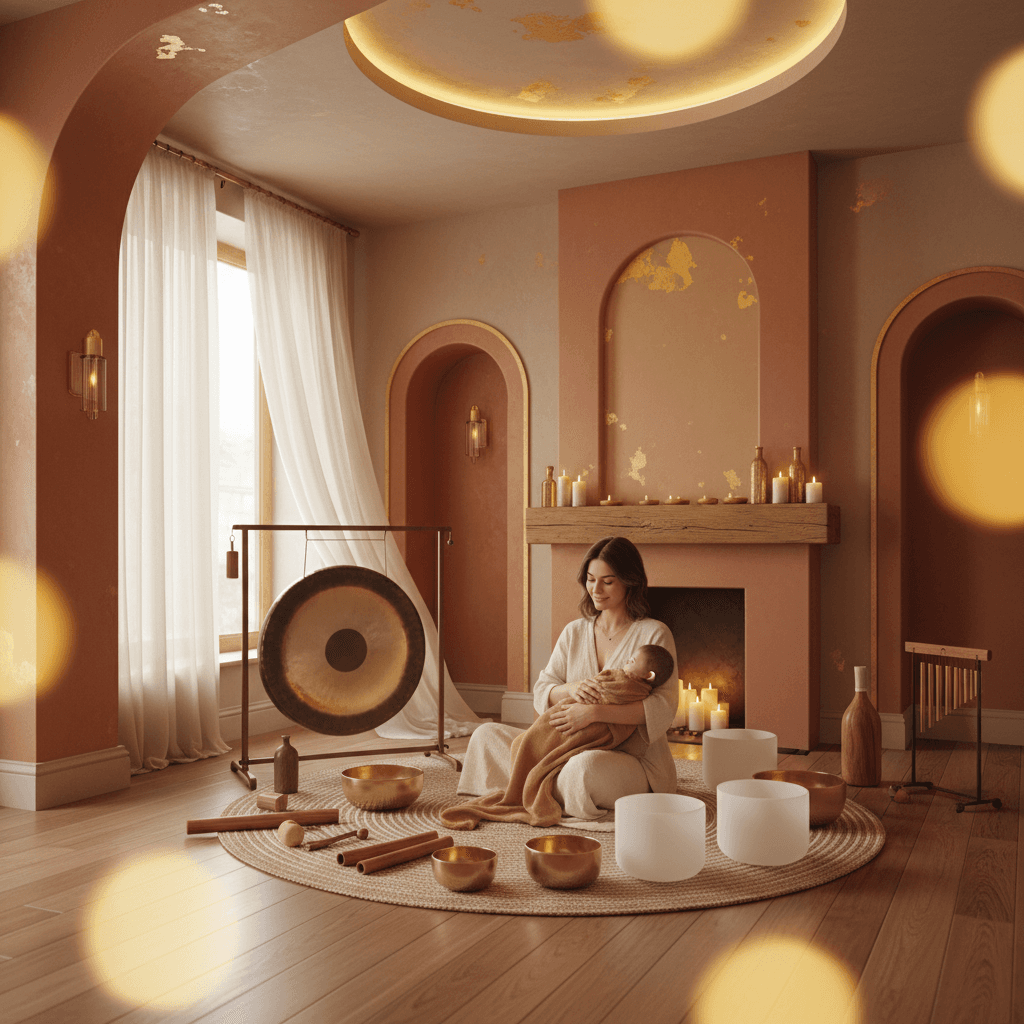
What makes the Soul Art method unique is its holistic perspective, encompassing the well-being of both the infant and the parents. We utilize a range of instruments renowned for their pure, resonant frequencies and their ability to create a deeply immersive and calming atmosphere. These include:
- Monochord: This ancient instrument, with its single string and rich overtones, is central to our practice. It generates deep, resonant vibrations that are profoundly reminiscent of the sounds experienced in the womb. Many parents report that the monochord's hum facilitates a connection to that primal sense of safety and containment, often eliciting a visibly relaxed state in infants.
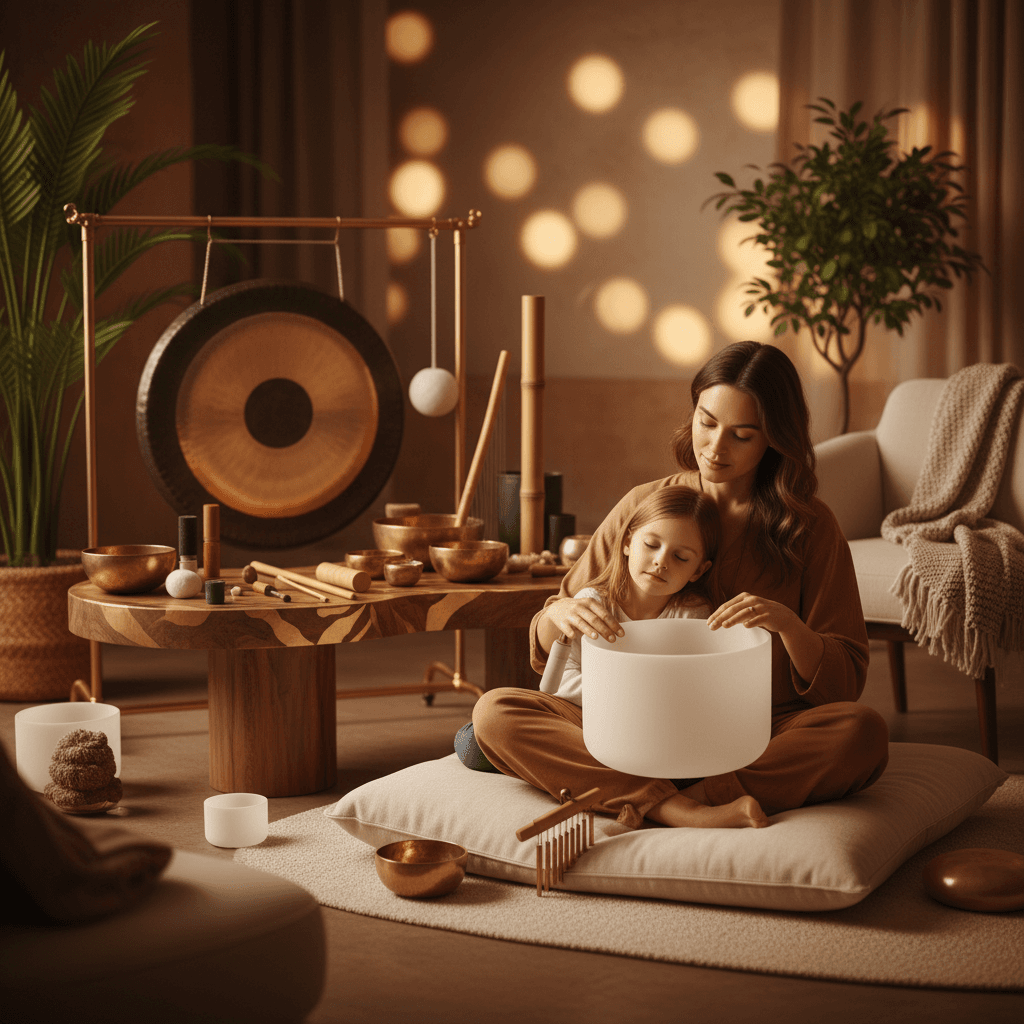
- Crystal Singing Bowls: Known for their pure, sustained tones, these bowls produce vibrational frequencies that may help to harmonize the body's energy. Their gentle resonance can create a soothing backdrop, encouraging a state of deep relaxation and easing tension in both baby and caregiver.
- Tuned Chimes and Gentle Percussion: Used sparingly and with great sensitivity, chimes introduce delicate, shimmering tones that can capture an infant's gentle attention without overstimulation, aiding in refocusing their awareness away from discomfort.
The Soul Art experience is not just about playing sounds; it's about guiding parents in creating a sacred, resonant space for their family. Larissa Steinbach emphasizes the importance of the parent's presence and intention, as their calm energy significantly enhances the soothing effect of the sound. We may introduce parents to techniques such as gentle humming or singing lullabies with specific melodic patterns known to be consonant and comforting.
We provide guidance on integrating sound with other gentle wellness practices, such as light touch or mindful breathing, to amplify the calming effects. This integrated approach supports the infant's nervous system development while simultaneously offering parents a powerful tool for stress management and bonding. The Soul Art method offers a complementary pathway to support overall family well-being, promoting a more harmonious environment during the demanding early months of parenthood.
Your Next Steps
Navigating the challenges of a fussy baby can be exhausting, but incorporating sound wellness into your routine may offer a gentle reprieve. Here are some actionable steps you can begin implementing today to support your baby’s comfort and your family’s serenity:
- Observe and Personalize: Every baby is different. Pay attention to which sounds seem to resonate best with your infant. Do they respond more to white noise, gentle music, or the sound of your voice? Experiment with different types and volumes to discover their preferences.
- Create a Consistent Sonic Environment: Establish a calming routine by introducing soft, rhythmic sounds during fussy periods or before sleep. This consistency can signal to your baby that it's time to relax. Remember to keep volumes low and choose sounds that are harmonious rather than jarring.
- Integrate Sound with Touch and Movement: Combine auditory comfort with gentle physical soothing. Rocking your baby, holding them close, giving a light tummy rub, or swaddling them while playing soft music can create a powerful multi-sensory calming experience.
- Prioritize Parental Self-Care: A calm parent can more effectively soothe a baby. If you feel overwhelmed, take a brief break. Pass your baby to a trusted partner or place them safely in their crib for a few minutes while you step away and regulate your own breathing. Listening to a calming soundscape yourself can also make a significant difference.
- Explore Guided Sound Wellness: For a deeper understanding and personalized guidance, consider booking a session at Soul Art. Our expert practitioners, under the guidance of Larissa Steinbach, can help you explore specific sound techniques and create a bespoke wellness plan tailored to your family's needs.
By gently integrating these practices, you are not only helping to soothe your baby but also cultivating a more peaceful and connected family environment.
In Summary
The journey through infancy, especially with the added challenge of colic, can test the resilience of any family. While the precise cause of colic remains elusive, the power of scientifically-grounded sound wellness offers a gentle, non-pharmacological pathway to support infant comfort and parental well-being. From eliciting a natural Calming Response through harmonious frequencies to the soothing familiarity of a parent's voice, sound acts as a potent tool for regulating a baby's nervous system.
At Soul Art, Larissa Steinbach and her dedicated team provide unique, expertly curated soundscapes that blend ancient wisdom with contemporary understanding, offering a holistic approach to fostering peace. By embracing the intentional use of sound, alongside other gentle practices, families can discover profound moments of connection and tranquility amidst the inevitable fussiness of early babyhood. We invite you to explore the transformative potential of sound wellness for a more harmonious family life.
Bookings Coming Soon
Soul Art is still in preparation. Session details and booking will be published here after launch.
Coming Soon
Wellness Disclaimer: This article is for educational and informational purposes only. It does not constitute medical advice, diagnosis, or treatment. Soul Art Dubai provides non-medical wellness experiences focused on relaxation, stress management, and general wellbeing. Sound wellness is a complementary practice and should not replace professional medical care.
Related Articles
Moving Home: How Sound Wellness Supports Child Adaptation
Sound Wellness for Sibling Adjustment: Nurturing Family Harmony

Teen Identity & Sound: Self-Discovery for Adolescents at Soul Art Dubai