Harmonizing Minds: Frequency Support for Cognitive Load Management

Key Insights
Discover how intentional sound frequencies may support cognitive load management, enhancing focus, memory, and mental clarity with Soul Art Dubai.
The modern world bombards us with information, tasks, and demands, often pushing our cognitive capacities to their limits. Have you ever felt your brain struggling to keep up, leading to mental fatigue, errors, and diminished performance? This pervasive challenge, known as cognitive overload, isn't just a feeling; it's a measurable physiological state impacting our ability to learn, remember, and make effective decisions.
At Soul Art, Dubai's premier sound wellness studio, founder Larissa Steinbach understands this challenge intimately. We explore a profound yet often overlooked solution: frequency support. This article delves into the scientific underpinnings of cognitive load and reveals how intentional sound frequencies may offer a powerful, holistic approach to enhance mental clarity and optimize brain function, empowering you to navigate life's complexities with greater ease and focus. Prepare to discover how harmonizing your internal landscape with external frequencies could transform your cognitive experience.
The Science Explained: Unpacking Cognitive Load and Brainwave Dynamics
Our brains are extraordinary processors, but even the most sophisticated systems have limits. Cognitive load theory (CLT) provides a framework for understanding how the demands of learning and processing information impact our mental resources. When these demands exceed our capacity, performance suffers, and stress increases.
Understanding Cognitive Load
Cognitive load is typically categorized into three types: intrinsic, extraneous, and germane. Intrinsic load refers to the inherent difficulty of the information itself, which cannot be changed. Extraneous load arises from the way information is presented or processed, often due to poor instructional design or environmental distractions. Germane load, conversely, is the effort dedicated to meaningful learning and schema construction, representing productive mental work. The goal in managing cognitive load is often to reduce extraneous load while fostering germane processing.
Some research, such as a study validating a three-tier interactive annotation model for serious games in cultural-heritage education, highlights this principle. This model, grounded in CLT, aimed to mitigate cognitive overload. The experimental group, presented with tiered information, significantly outperformed the control group, demonstrating 84.7% short-term recall versus 64.6%, and 72.3% long-term retention versus 54.1%. This suggests that when information complexity aligns with processing capacity, overload is prevented, and knowledge acquisition improves. The study found that interaction frequency positively predicted knowledge acquisition (beta equals 0.87, p is less than 0.001), while longer task completion time, an indicator of inefficient processing, negatively correlated (beta equals minus 0.29, p equals 0.028).
The Brain's Frequencies and Cognitive States
The brain operates on a symphony of electrical signals, which can be measured as brainwaves and categorized into different frequency bands. These bands—Delta (0.5–3.5 Hz), Theta (4–7 Hz), Alpha (8–12 Hz), Beta (13–30 Hz), and Gamma (31–50 Hz)—are each associated with distinct cognitive and emotional states. For instance, Beta waves are prevalent during active thinking, problem-solving, and concentration, while Alpha waves often indicate a state of relaxed alertness, ideal for creative thought and calm focus. Theta waves are associated with deep relaxation, meditation, and memory consolidation, and Delta waves dominate during deep sleep.
A neurophysiological evaluation of cognitive load using EEG signals reveals how brain patterns at different frequency levels combine to provide meaningful data about an individual's mental workload. Increased cognitive load, for example, may be characterized by shifts in power across these frequency bands. Furthermore, observable physiological markers, like microsaccades—small, involuntary eye movements—can also indicate cognitive load. Evidence suggests that microsaccadic frequency increases with the visual complexity of a task, reflecting the brain's effort to prevent visual information from fading and sustain attention. Therefore, managing cognitive load involves not just what we process, but how our brain's electrical activity and physiological responses are modulated.
The Role of Intentional Frequency Support
While excessive, unwanted noise, particularly low-frequency noise (LFN), has been shown in some studies to potentially reduce higher-order cognitive functions like reasoning and mathematical calculation, intentional frequency support operates on a different principle. This is not about noise exposure but about harmonious auditory stimulation designed to guide the brain into optimal states. Just as a well-designed learning environment reduces extraneous load, carefully curated sound frequencies may help the brain achieve a state conducive to efficient processing.
Preliminary studies and anecdotal evidence suggest that specific sound frequencies, particularly those found in sound wellness practices, may facilitate shifts in brainwave states. For example, exposure to certain rhythmic patterns and tones may help induce Alpha or Theta brainwave states, promoting relaxation, reducing mental chatter, and enhancing receptivity for germane processing. This complementary approach may support the brain in shifting away from a state of overwhelm (high extraneous load) towards one of calm focus (optimized germane processing), much like the tiered information model helps prevent information overload by aligning complexity with processing capacity. The deliberate use of frequency support aims to create an internal environment where the brain can function more effectively, leading to enhanced focus, memory, and overall cognitive well-being.
How It Works in Practice: Experiencing Frequency Support
Connecting the scientific understanding of cognitive load with practical application reveals the transformative potential of frequency support. At Soul Art, the experience is designed to gently guide your brain into states of optimal function, effectively mitigating the effects of cognitive overload. It's an immersive journey where the theoretical meets the tangible.
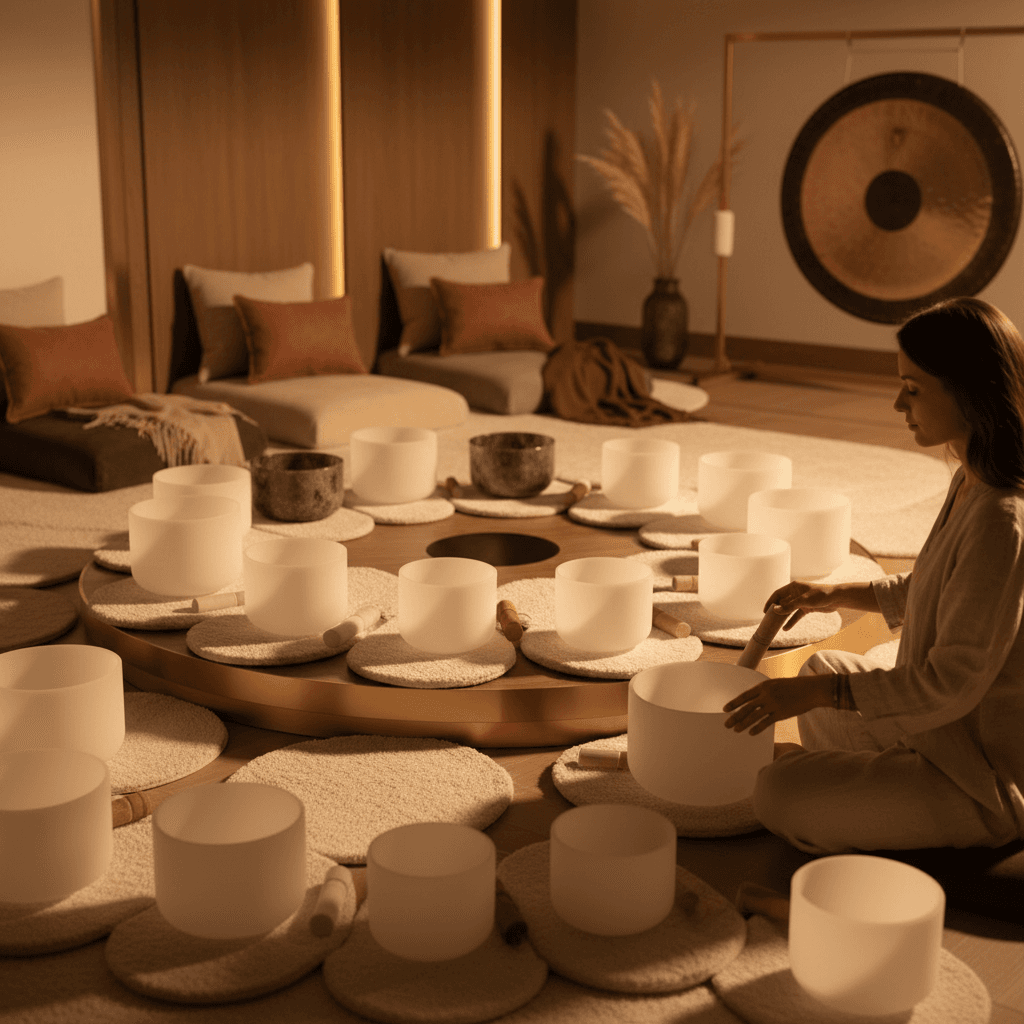
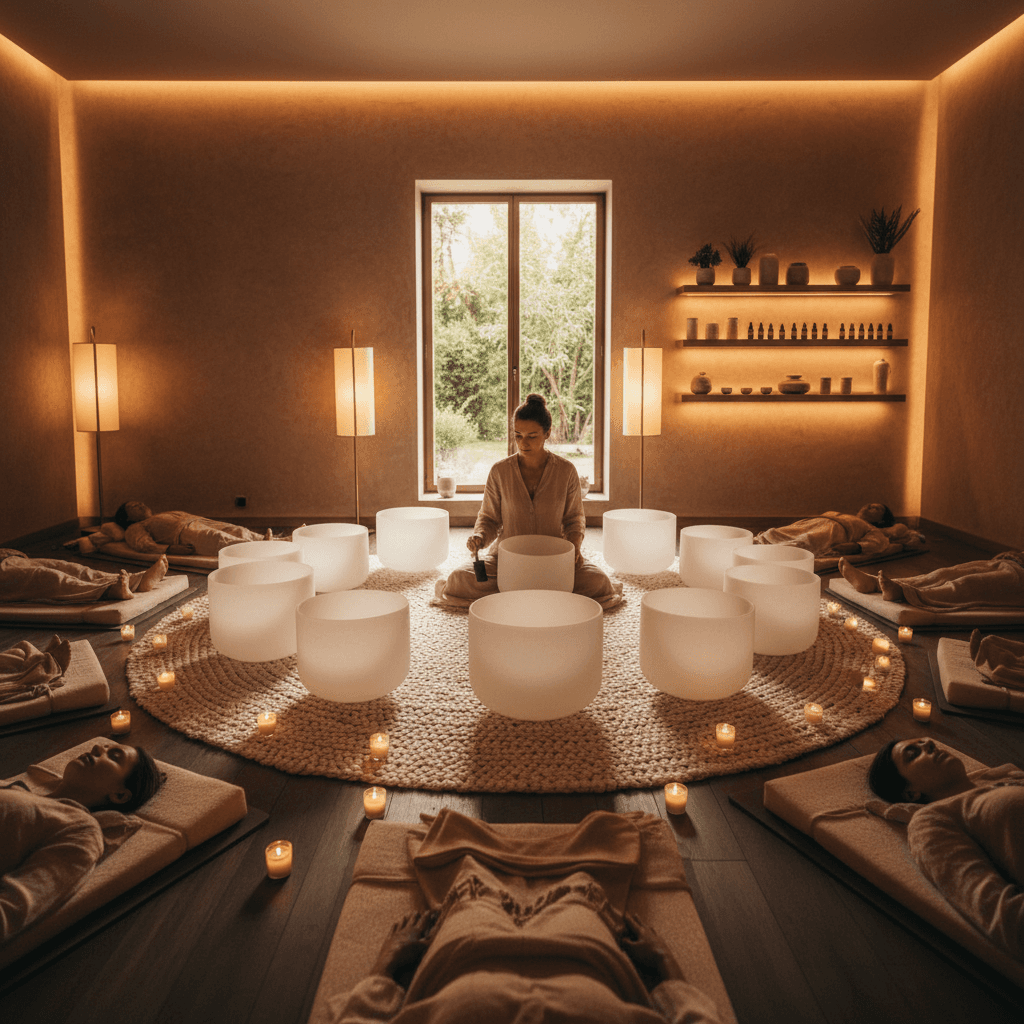
During a sound wellness session, clients often report a profound shift in their mental state. Imagine stepping into a serene space, away from the incessant hum of daily life. The air is still, the lighting soft, and then the sounds begin. You might hear the deep, resonant tones of a large gong, the clear, sustained vibrations of crystal singing bowls, or the intricate melodies of chimes. These aren't just pleasant sounds; they are carefully selected frequencies that interact with your body and mind.
The experience is deeply sensory. You might feel subtle vibrations permeating your body, creating a sense of grounding and relaxation. These gentle, yet powerful, frequencies may help to quiet the "noisy" Beta waves associated with stress and active thinking, making space for Alpha and Theta waves to emerge. As your brain naturally aligns with these slower, more calming frequencies, the incessant stream of thoughts and mental to-do lists begins to subside. This process is akin to decluttering a busy workspace, allowing you to see and process information more clearly.
"The true magic of frequency support lies in its ability to create an inner sanctuary, a space where the mind can truly rest and recalibrate, rather than simply escaping the noise."
In this state of enhanced calm and focus, your brain may become more adept at processing information. This means better memory recall, improved decision-making, and an increased capacity for creative problem-solving. It's a non-invasive, holistic wellness practice that leverages the inherent responsiveness of the human brain to sound. Many people report leaving a session feeling not just relaxed, but also mentally refreshed, with a renewed sense of clarity and purpose, ready to tackle challenges with a lighter cognitive load. This holistic approach provides a unique avenue for stress management and mental rejuvenation, complementing traditional cognitive strategies.
The Soul Art Approach: Larissa Steinbach's Vision
Larissa Steinbach, the visionary founder of Soul Art, established the studio with a deep commitment to harnessing the ancient wisdom of sound for modern well-being. Her approach to cognitive load management with frequency support is meticulously crafted, combining scientific understanding with an intuitive grasp of sound's profound effects on the human system. It's not merely about playing sounds; it's about curating an experience designed for specific cognitive and emotional outcomes.
What makes the Soul Art method unique is its holistic and intentional design. Larissa and her team select and utilize a diverse range of high-quality instruments, each chosen for its specific frequency properties and resonant qualities. Hand-hammered gongs, precisely tuned crystal singing bowls, delicate chimes, and other therapeutic instruments are employed to create intricate soundscapes. These compositions are designed to guide participants through different brainwave states, from active Beta to relaxed Alpha, and into deeper Theta states, which may be conducive to cognitive restoration and memory consolidation.
Larissa's expertise lies in her ability to craft sessions that are both deeply relaxing and cognitively supportive. She understands that reducing extraneous cognitive load requires an environment free from distraction and rich in beneficial stimuli. Soul Art sessions provide precisely this, offering a sanctuary where the mind can truly unwind and recalibrate. The carefully orchestrated frequencies aim to reduce mental chatter, enhance focus, and support the brain's natural ability to reorganize and integrate information.
Clients at Soul Art often share anecdotal evidence of enhanced mental clarity, improved concentration, and a greater sense of calm after sessions. By consistently engaging in this wellness practice, individuals may find themselves better equipped to manage daily stressors, process complex information, and maintain a state of mental equilibrium. Larissa Steinbach’s dedication ensures that each session at Soul Art is a step towards cultivating a more harmonious and resilient cognitive landscape. This method represents a sophisticated blend of art and science, offering a complementary pathway to holistic wellness.
Your Next Steps: Integrating Frequency Support into Your Life
Empowering yourself to manage cognitive load effectively is a vital step towards a more balanced and productive life. While professional sound wellness sessions offer profound benefits, there are also practical strategies you can begin to implement today to support your cognitive well-being. Integrating these practices into your daily routine may help to reduce mental fatigue and enhance your overall clarity.
Here are a few actionable steps you can take:
- Prioritize Mindful Breaks: Regularly step away from demanding tasks. Even a few minutes of quiet reflection, deep breathing, or simply observing your surroundings can help reset your cognitive resources and reduce extraneous load.
- Structure Your Information Intake: Consciously manage how you consume information. Break down complex tasks into smaller, manageable steps, similar to the tiered information approach highlighted in research. This can prevent immediate overload and foster more efficient germane processing.
- Create a Conducive Environment: Minimize distractions in your workspace. This might involve setting specific "focus times," using noise-canceling headphones, or simply tidying your physical space to reduce visual clutter, which can contribute to cognitive load.
- Incorporate Intentional Sound into Your Day: Explore ambient music or guided meditations that utilize specific frequencies known to promote relaxation or focus. This complementary approach may support shifts in your brainwave states, even outside of a formal session.
- Prioritize Self-Care: Ensure you get adequate sleep, maintain a balanced diet, and engage in regular physical activity. These foundational wellness practices are crucial for robust cognitive function and resilience against cognitive overload.
For those seeking a deeper, more structured experience, consider exploring the specialized programs offered by Soul Art. Our expertly curated sound journeys are designed to provide targeted frequency support, helping you navigate the complexities of cognitive load with grace and enhanced mental acuity.
In Summary: Harmonizing for Clarity
Cognitive load is an undeniable reality of modern life, impacting our ability to think, remember, and thrive. Understanding its mechanisms—from intrinsic and extraneous pressures to the dynamic interplay of brainwave frequencies—is the first step toward effective management. Intentional frequency support, as championed by Larissa Steinbach and practiced at Soul Art, offers a scientifically informed, complementary approach to this challenge.
By providing carefully curated auditory experiences, Soul Art aims to reduce extraneous cognitive load, foster germane processing, and promote brainwave states conducive to deep relaxation and enhanced focus. This wellness practice may support improved memory, clearer decision-making, and a profound sense of mental calm. Embrace the potential of sound to harmonize your mind and elevate your cognitive well-being. We invite you to experience the transformative power of frequency support and discover a new level of mental clarity at Soul Art.
Bookings Coming Soon
Soul Art is still in preparation. Session details and booking will be published here after launch.
Coming Soon
Wellness Disclaimer: This article is for educational and informational purposes only. It does not constitute medical advice, diagnosis, or treatment. Soul Art Dubai provides non-medical wellness experiences focused on relaxation, stress management, and general wellbeing. Sound wellness is a complementary practice and should not replace professional medical care.
Related Articles
Sound Resilience for First-Time Managers: Thrive as a New Leader

Harmonizing Global Teams: Sound Healing for Time Zone Stress
Transforming Workplace Conflict: Sound for Team Harmony