Sound for Mental Clarity: Enhancing Senior Cognitive Health
Key Insights
Discover how sound wellness, championed by Larissa Steinbach at Soul Art Dubai, may support cognitive health and mental clarity in seniors.
The world is aging, and with this demographic shift comes a growing concern: how do we maintain our mental sharpness, our clarity of thought, and our joy of understanding as we gracefully advance in years? While conventional wisdom often points to puzzles and physical exercise, could something as profoundly simple and universally accessible as sound hold a key to unlocking greater cognitive vitality in our golden years? This question is becoming increasingly relevant as researchers uncover the remarkable plasticity of the brain.
Indeed, the power of sound to shape our cognitive landscapes, even in later life, is gaining significant scientific attention. Preliminary studies and anecdotal evidence suggest that engaging with sound, whether through active music creation or immersive soundscapes, may offer a unique pathway to bolster memory, sharpen focus, and enhance overall mental well-being for seniors. At Soul Art, we delve into these fascinating connections, guided by the vision of our founder, Larissa Steinbach, to offer experiences that resonate deeply with the needs of an aging brain.
This article will explore the burgeoning science behind sound and cognitive health, translating complex neurological findings into accessible insights. We will uncover how specific sound practices may influence brain structure and function, leading to improved mental clarity and a richer quality of life. Prepare to discover how the subtle yet profound vibrations of sound could become an invaluable ally in fostering a vibrant, resilient mind at any age.
The Science Explained: How Sound Shapes the Aging Brain
Cognitive health encompasses a broad range of mental abilities essential for daily living, including memory, attention, problem-solving, and language. As we age, it is natural for some cognitive functions to experience a gradual decline, often accompanied by changes in brain structure, such as brain atrophy. However, cutting-edge research in neuroscience suggests that the brain retains a remarkable capacity for plasticity, meaning it can continue to form new neural connections and even grow in specific areas, even into old age.
Understanding this inherent adaptability of the brain is crucial when considering complementary wellness practices like sound. Scientists employ sophisticated neuroimaging techniques, such as functional magnetic resonance imaging (fMRI) and electroencephalography (EEG), to visualize how different brain regions activate in response to specific mental tasks or sensory stimuli. These methods allow researchers to correlate regional brain activity with cognitive demands, providing empirical evidence for sound's potential impact.
Music Training and Brain Plasticity
A groundbreaking randomized controlled trial involving 132 healthy older adults explored the effects of a six-month music intervention on cognitive and brain aging. Participants were divided into two groups: one engaged in piano practice (an experimental group), and the other participated in a musical culture program focused on musical listening awareness (an active control group). The findings revealed significant insights into the brain's capacity for positive change.
The study reported robust increases in grey matter volume at a whole-brain level, particularly in crucial areas like the caudate nucleus, Rolandic operculum, and inferior cerebellum, when both groups were merged. While a general pattern of brain atrophy consistent with longer-term aging was observed, these specific regions demonstrated growth. The cerebellum, for instance, plays a vital role in motor control, coordination, and increasingly, in various cognitive functions including attention and working memory. The caudate nucleus is involved in learning, memory, and reward processing.
Enhancing Auditory Working Memory
A significant "transfer effect" was noted in the participants who underwent music training: their auditory working memory performance improved remarkably. This improvement was evident in both tonal working memory and digit span backward verbal working memory. The study found a positive association between increases in cerebellar grey matter volume, training intensity metrics, and sleep quality with the observed improvements in working memory.
Working memory is a cornerstone of cognitive functioning, enabling us to hold and manipulate information mentally for short periods, which is critical for tasks ranging from following a conversation to problem-solving. While the study observed a decrease in grey matter volume in the right primary auditory cortex for the musical listening group, it remained stable in the piano group. This contrast suggests that active engagement, such as the piano practice, may confer distinct neuroplastic benefits compared to more passive listening.
Sound, Social Engagement, and Mental Well-being
Beyond specific brain structures, sound interventions also appear to positively influence broader aspects of mental health that are intrinsically linked to cognitive function. Older adults frequently face heightened risks of loneliness and social isolation, which can significantly undermine emotional, cognitive, and physical health. Addressing these factors is a key component of holistic cognitive wellness.
A randomized controlled trial conducted in England with 258 participants aged 60 and above investigated the impact of community singing. The results were compelling: community singing was found to significantly enhance mental health-related quality of life for older adults. Furthermore, participants experienced decreased loneliness and reduced levels of anxiety and depression compared to control groups. These psychological benefits, including improved morale, indirectly support cognitive health by creating a more conducive environment for mental clarity and engagement.
Another randomized controlled trial expanded on this, examining the effects of choral singing compared to a health education program on cognitive health in older adults at elevated risk of dementia. While both interventions supported healthy aging, the choral singing group showed a slight improvement in cognitive scores, whereas the health education group experienced a decline. Although statistical significance for between-group changes in cognitive scores was not retained after adjusting for initial differences, and biomarkers related to brain aging did not show significant differences, the study still suggests that choral singing may be as effective as health education in supporting cognitive health. This highlights the potential of musically-based social activities as valuable interventions for promoting overall well-being.
"The symphony of sound offers not just aesthetic pleasure, but a profound neural workout, gently coaxing the aging brain towards greater resilience and clarity."
The core takeaway from these studies is clear: sound, particularly when engaged with actively or within a social context, may stimulate brain plasticity, enhance crucial cognitive functions like working memory, and significantly improve mental well-being, which in turn supports cognitive vitality.
How It Works in Practice: The Vibrational Journey to Clarity
Connecting the theoretical insights of neuroscience to the tangible experience of sound wellness reveals a profound interplay between mind, body, and vibration. At Soul Art, we translate these scientific principles into deeply immersive and restorative practices designed to gently re-engage and harmonize the brain. Clients stepping into a sound session embark on a unique sensory journey where intention and frequency merge.
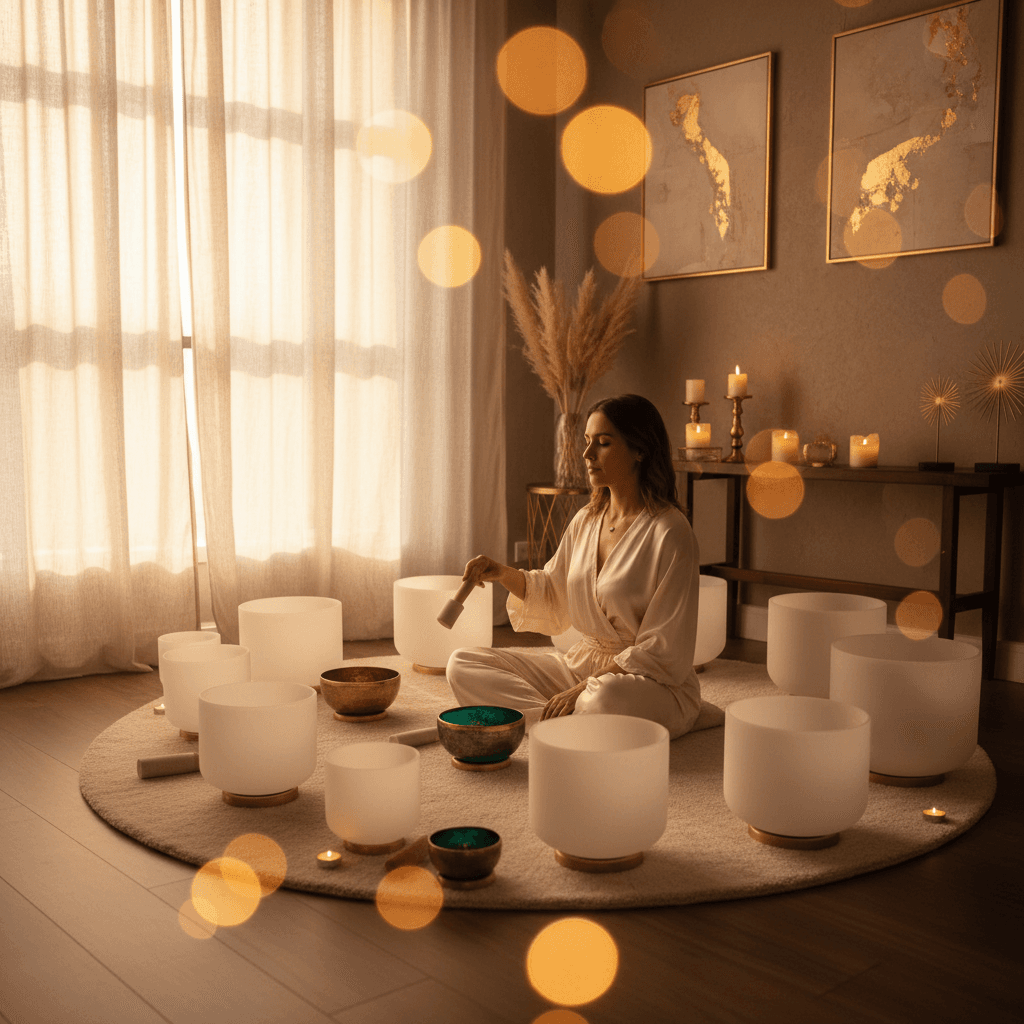
During a session, the carefully curated sounds are not merely heard with the ears but are felt throughout the entire body. The sustained tones and complex overtones from instruments like Himalayan singing bowls, crystal bowls, and gongs create sympathetic resonance within the body's tissues and fluids. This direct physical experience of sound is hypothesized to stimulate the nervous system in profound ways, promoting a state of deep relaxation that is crucial for cognitive restoration.
The auditory stimulation itself acts as a gentle, yet powerful, brain exercise. As the brain processes the intricate layers of sound, it is actively engaged in perception and attention. This focused listening, unlike passive background noise, helps to train the brain to maintain focus and filter out distractions, a skill that naturally supports cognitive function. Many people report that regular sound wellness sessions help to quiet the internal monologue, reducing mental clutter and paving the way for enhanced mental clarity and focus in their daily lives.
Moreover, the profound relaxation induced by sound immersion may play an indirect but vital role in cognitive health. Chronic stress is known to impair cognitive functions, including memory and executive decision-making. By facilitating a deep state of calm, sound wellness helps to lower cortisol levels and activate the parasympathetic nervous system, allowing the brain to recover and function more optimally. This stress reduction is a foundational element for fostering an environment where cognitive abilities can flourish, enabling better retention, recall, and processing of information.
The immersive nature of sound baths, where participants are enveloped in a continuous flow of harmonious frequencies, can also foster a state akin to meditation. This mindful presence encourages the brain to slow down, potentially shifting brainwave patterns towards those associated with relaxation and creativity, such as alpha and theta waves. It is in these states that the brain may be more receptive to neuroplastic changes and more effective at consolidating memories and enhancing neural pathways.
The Soul Art Approach: Larissa Steinbach's Vision for Senior Cognitive Wellness
At Soul Art, Larissa Steinbach brings a deeply empathetic and scientifically informed approach to sound wellness, particularly for our senior community. Recognizing the unique needs and vulnerabilities of older adults, Larissa has meticulously crafted experiences that are both gentle and profoundly impactful, drawing upon the latest research in cognitive science and sound therapy. Her vision extends beyond mere relaxation; it is about empowering individuals to cultivate mental resilience and clarity.
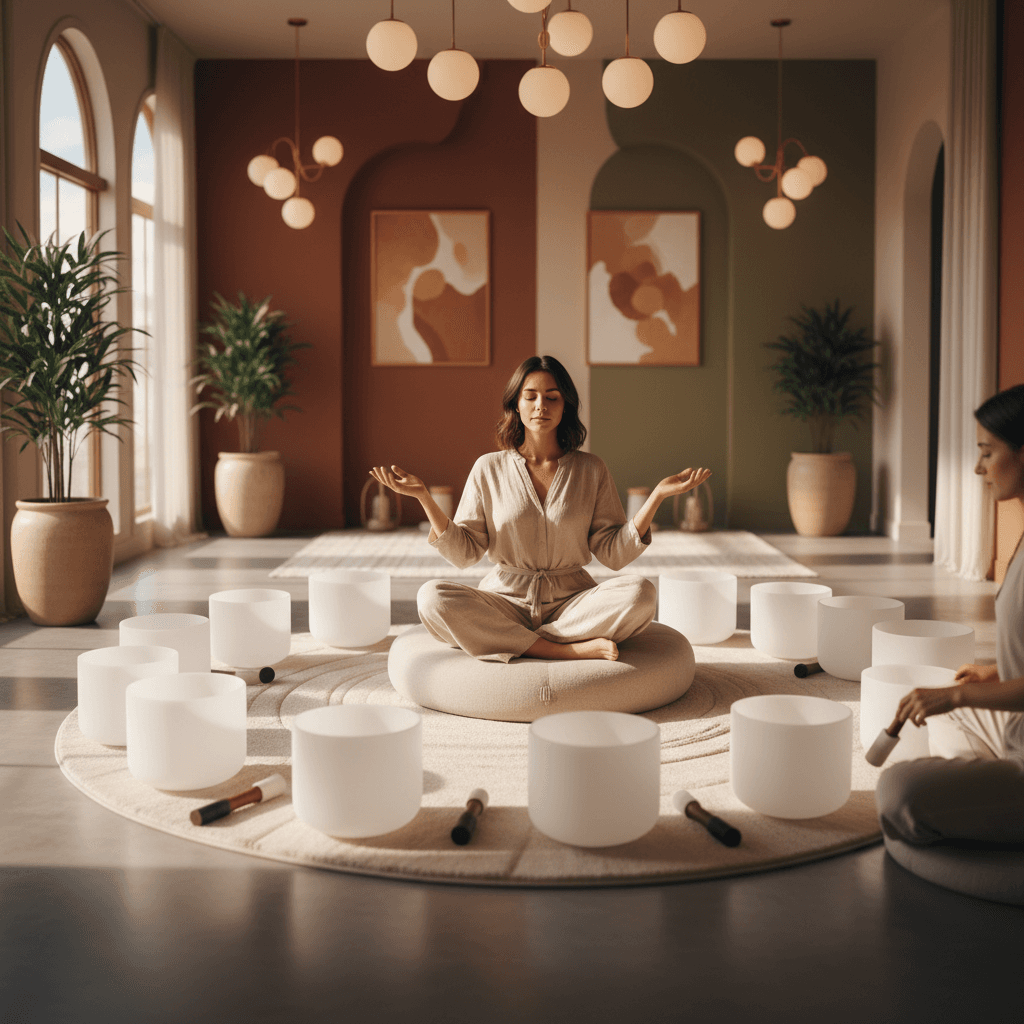
The Soul Art method is distinguished by its bespoke nature and profound respect for individual experience. Larissa understands that for seniors, consistency and a safe, nurturing environment are paramount. She carefully selects a diverse array of instruments, each chosen for its specific vibrational qualities and harmonious resonance. These include large planetary gongs, which generate rich, sustained waves of sound that can be felt through the body, along with crystal singing bowls, which produce pure, resonant tones known for their calming effects. Additionally, chimes and other percussive instruments are incorporated to add textural layers, stimulating auditory perception without overwhelming the senses.
Larissa Steinbach’s expertise lies in her ability to weave these sounds into immersive soundscapes that guide participants into deep states of relaxation and meditative awareness. For cognitive wellness, the practice focuses on fostering sustained attention, gentle auditory processing, and emotional regulation. By creating a tranquil space where the mind can truly rest and recalibrate, Soul Art sessions may help to reduce the mental fatigue often associated with age-related cognitive challenges.
A unique aspect of the Soul Art experience is the emphasis on deep, cellular listening. While traditional music training often requires active performance, the immersive sound bath experience encourages a different form of engagement – a receptive and mindful absorption of vibration. This 'active reception' still engages various brain regions, particularly those involved in auditory processing and emotional response, offering a non-strenuous yet stimulating exercise for the aging brain. Larissa designs these sessions to be inclusive and accessible, ensuring that everyone, regardless of physical mobility or prior experience with meditation, can fully benefit from the profound effects of sound.
Larissa's dedication to creating a sanctuary for holistic well-being means every element, from the acoustics of the studio to the duration and intensity of the sound journeys, is meticulously considered. The objective is to provide a complementary approach that supports cognitive health, enhances mental clarity, and cultivates a sense of inner peace, vital for navigating the complexities of modern life with grace and mental sharpness.
Your Next Steps: Cultivating Mental Clarity with Sound
Integrating sound into your routine for cognitive wellness does not require an immediate mastery of a musical instrument. There are several accessible and enjoyable ways to begin harnessing the potential benefits of sound for your mental clarity. Small, consistent steps can lead to significant shifts in your cognitive landscape and overall well-being.
Here are a few actionable suggestions to start your journey today:
- Mindful Listening Practice: Dedicate 10-15 minutes daily to intentional listening. This could involve classical music, nature sounds (like ocean waves or gentle rain), or specialized meditation tracks. Focus solely on the sounds, noticing their texture, rhythm, and how they make you feel. This practice may help to enhance attention and present moment awareness, gently exercising your brain's auditory processing centers.
- Explore Binaural Beats or Isochronic Tones: These audio technologies use specific frequencies to guide your brainwaves towards desired states, such as relaxation or enhanced focus. While not a replacement for traditional sound wellness, they can be a convenient way to experience the brain-calming effects of precise auditory stimuli. Look for reputable apps or online resources that offer these tracks.
- Engage with Gentle Instruments: Consider acquiring a small handheld singing bowl or chimes. Even a few minutes of gently striking these instruments and allowing yourself to absorb their vibrations can be a soothing and centering experience. This light, active engagement provides sensory stimulation without demanding complex motor skills.
- Prioritize a Peaceful Sound Environment: Be mindful of the sounds you expose yourself to daily. Reducing constant background noise and creating moments of quiet can significantly improve mental rest. A calmer auditory environment at home may allow your brain to better process information and maintain focus.
- Discover a Sound Wellness Session: The most immersive way to experience the potential benefits is through a professionally guided sound wellness session. Soul Art offers expertly curated experiences designed to envelop you in healing frequencies, promoting deep relaxation and cognitive rejuvenation. This allows you to fully surrender to the sound and let the vibrations do their work.
By incorporating these practices, you are actively choosing to support your cognitive health through a holistic, gentle approach. Each step is an investment in your mental clarity and overall well-being.
Bookings Coming Soon
Soul Art is still in preparation. Session details and booking will be published here after launch.
Coming Soon
In Summary: Harmonizing Mind and Sound for a Clearer Tomorrow
The journey through life should be accompanied by mental clarity and sustained vitality, especially in our senior years. The accumulating body of scientific evidence, from studies on grey matter growth to enhanced working memory, strongly suggests that sound wellness may serve as a powerful and enjoyable complementary practice for supporting cognitive health. By engaging the brain through carefully crafted auditory experiences, we may stimulate neuroplasticity, reduce stress, and improve essential functions like attention and memory.
Larissa Steinbach's vision at Soul Art Dubai brings these profound benefits to life, offering a tranquil sanctuary where seniors can immerse themselves in the harmonizing power of sound. Through unique instruments and expertly guided sessions, Soul Art aims to foster an environment conducive to mental clarity and overall well-being. We invite you to explore this gentle yet potent pathway to a sharper, more serene mind, and discover how the frequencies of sound can enrich your cognitive journey.
Wellness Disclaimer: This article is for educational and informational purposes only. It does not constitute medical advice, diagnosis, or treatment. Soul Art Dubai provides non-medical wellness experiences focused on relaxation, stress management, and general wellbeing. Sound wellness is a complementary practice and should not replace professional medical care.
Related Articles
Downsizing: Navigating Life's Big Changes with Sound Wellness
Restless Legs Relief: Sound Wellness for Deeper Nighttime Comfort
Embracing Age with Inner Peace: Sound Wellness for Acceptance