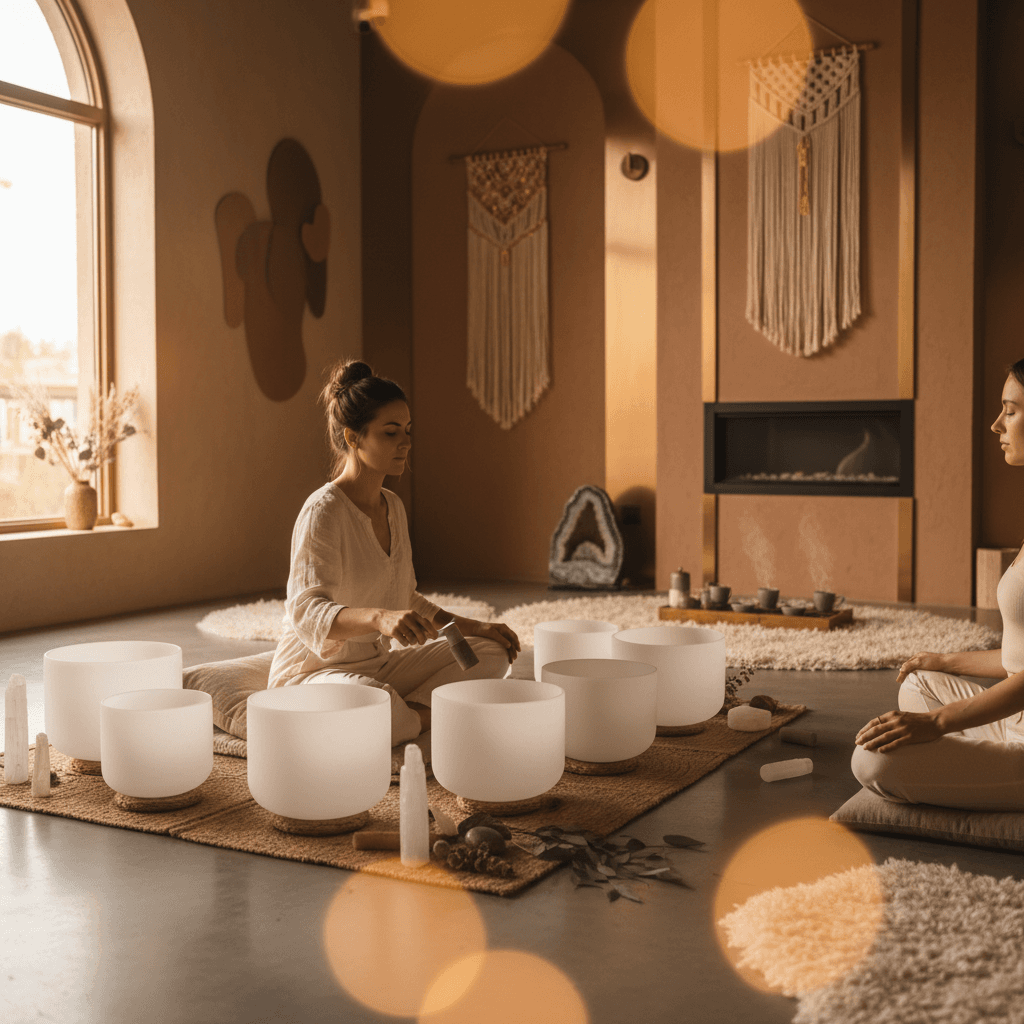
Harmonizing Co-Parenting: Sound Wellness for Ex-Partner Resilience at Soul Art Dubai
Key Insights
Discover how Soul Art Dubai's sound wellness, guided by Larissa Steinbach, helps ex-partners reduce conflict and foster emotional stability for healthier co-parenting.
The Art of Shared Care: Cultivating Inner Peace for Harmonious Co-Parenting
Did you know that the quality of your co-parenting relationship is one of the most significant predictors of your children’s emotional stability and resilience after separation? While the idea of a cooperative co-parenting relationship might seem like a dream, the reality often involves significant emotional labor, requiring communication, collaboration, and a profound degree of humility. It means letting go of past grievances and actively choosing a path of peace, even when it feels challenging.
This article delves into the transformative potential of sound wellness as a complementary practice to support ex-partners in navigating the complexities of co-parenting. We will explore the scientific underpinnings of how sound frequencies can soothe the nervous system, reduce conflict, and foster the emotional well-being crucial for a healthier family dynamic. Discover how Larissa Steinbach's Soul Art studio offers a unique approach to help you and your children thrive, even amidst change.
The Neuroscience of Conflict and Calm: How Sound Influences Ex-Partner Wellness
Navigating co-parenting after a relationship breakdown presents unique psychological and physiological challenges. The persistent stress of unresolved conflict can deeply impact not only the parents but also, crucially, the children involved. Understanding these impacts is the first step towards finding effective wellness strategies.
The Toll of Inter-Parental Conflict
Research consistently highlights that ongoing, unresolved conflict between separated parents is a powerful predictor of poor child well-being. Studies, including those by Amato (2010) and Schramm & Calix (2011), demonstrate a clear link between high inter-parental conflict and increased risk for emotional and behavioral problems in children. This chronic stress can manifest as anxiety, depression, and even conditions like ADHD, as noted by Helpguide.
For parents, the strain is equally significant. Many parents experience heightened distress during separation due to ongoing conflict, as highlighted by Braver et al. (2005). This environment can trigger the body’s "fight or flight" response, leading to elevated cortisol levels, increased heart rate, and sustained mental tension. Such a state not only depletes emotional resources but also makes calm, rational communication exceedingly difficult, creating a vicious cycle of reactivity.
The Family Institute at Northwestern University emphasizes that while an intimate relationship may end, the co-parenting relationship—focused solely on the children—can still be supportive. However, high levels of undermining, such as eye-rolling or sighing, are associated with negative behaviors in children. These subtle forms of conflict underscore the deep emotional work required to foster a truly supportive co-parenting dynamic.
The Power of Sound Frequencies on the Nervous System
Sound wellness practices, such as those offered by Soul Art, leverage specific sound frequencies to gently guide the body and mind into states of deep relaxation. This process directly counters the stress response triggered by conflict. When exposed to resonant vibrations and harmonious tones, the brainwave activity naturally shifts from faster, more alert beta waves towards slower, more relaxed states.
These include alpha waves, associated with calm alertness and reduced stress, and theta waves, linked to deep relaxation, meditation, and improved emotional processing. Some practices may also induce delta waves, characteristic of restorative sleep. By facilitating these shifts, sound wellness may help downregulate the sympathetic nervous system, responsible for the stress response, and activate the parasympathetic nervous system, promoting "rest and digest."
The auditory system's direct link to the vagus nerve, a crucial component of the parasympathetic nervous system, means that specific sound vibrations can stimulate this nerve. Vagal nerve stimulation is associated with a reduction in heart rate, improved digestion, and a profound sense of calm. This physiological response can create a more balanced internal environment, making it easier for individuals to manage their emotions and reactions.
Hormonal Balance and Emotional Regulation
The impact of sound wellness extends to the body’s hormonal landscape, playing a vital role in emotional regulation. Elevated stress, common in high-conflict co-parenting situations, leads to a chronic increase in cortisol. Sound practices, however, have been associated with a reduction in cortisol levels. Lowering cortisol may help alleviate feelings of anxiety and promote a greater sense of peace.
Furthermore, some preliminary studies suggest that relaxing sound environments may support the release of oxytocin, often referred to as the "love hormone" or "bonding hormone." While primarily known for its role in social bonding, oxytocin also possesses anxiolytic (anxiety-reducing) and stress-buffering properties. A reduction in stress hormones and a potential increase in calming hormones can significantly enhance an individual's capacity for emotional regulation.
This shift in physiological and hormonal balance means that individuals may experience less reactivity, greater patience, and an improved ability to think clearly rather than respond impulsively. Such inner calm forms a foundational pillar for improved communication and more constructive interactions within the co-parenting relationship. It provides the internal resilience necessary to navigate difficult conversations and prioritize the child's well-being above personal grievances.
Translating Theory to Harmony: The Practical Application of Sound Wellness
The scientific understanding of sound’s effect on the body and mind provides a powerful framework for its practical application in challenging life circumstances like co-parenting. At Soul Art, we bridge this scientific knowledge with a deeply experiential approach, offering tangible support for ex-partners. The goal is to cultivate inner peace, which then ripples outward into healthier interactions and a more stable environment for children.
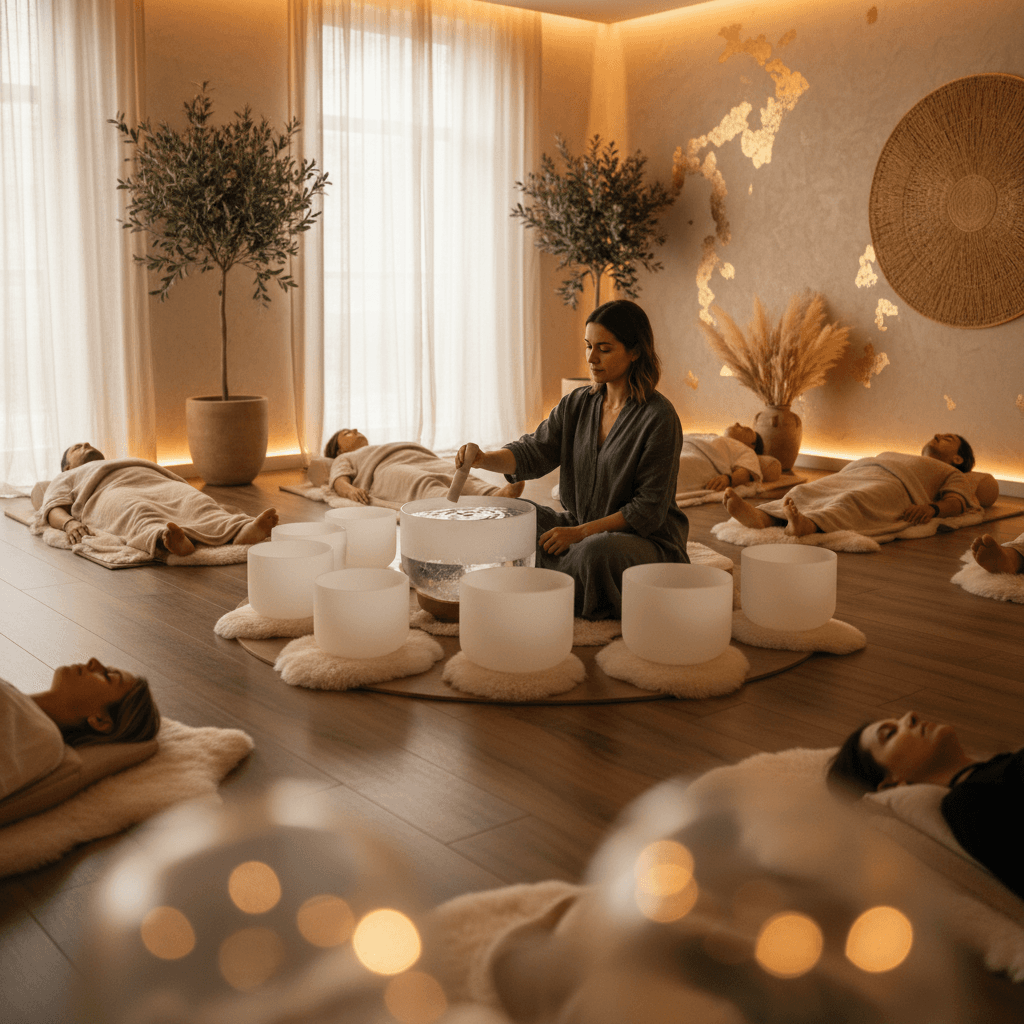
During a sound wellness session, clients are immersed in a field of gentle vibrations and resonant tones created by various instruments. This creates a sonic environment designed to soothe the nervous system and quiet the incessant mental chatter often fueled by stress and conflict. Many people report an immediate sense of calm and a profound release of tension, both physical and emotional.
This newfound calm is not merely fleeting; it builds a foundation for greater emotional resilience in daily life. For co-parents, this translates into several key benefits. It may support a reduction in reactive responses during interactions, enabling individuals to approach discussions with greater patience and clarity. This can be crucial in situations that previously led to immediate emotional escalation.
Consider the dynamic of co-parenting, which often requires a high level of communication and collaboration, as emphasized by Cypress Counseling & Wellness. This can involve biting your tongue and letting go of grievances. Sound wellness helps create the mental space needed for such conscious choices, making it easier to manage emotional triggers that might arise during discussions about children’s schedules, schooling, or health.
Even in situations where co-parenting isn't viable due to high conflict—leading to a parallel parenting approach—sound wellness remains profoundly beneficial. Parallel parenting, as described by Cypress, is an "agree to disagree" plan designed to minimize direct contact and protect children from parental conflict. In this scenario, while direct communication with an ex-partner is limited, the internal stress of the situation can persist. Sound wellness acts as a crucial self-care practice, helping the individual parent manage their own stress, anxiety, and lingering emotional pain. This fosters their individual well-being, which in turn benefits the children, as a calmer parent creates a calmer home environment during their time with them.
The deep resonant tones and harmonious frequencies create a sanctuary where the mind can detach from external stressors and focus inward. This unique practice may facilitate a deeper understanding of one's emotional landscape and cultivate a greater sense of self-compassion and inner strength. By processing emotions in a peaceful setting, individuals may become less likely to project their frustrations onto their co-parent or children. Ultimately, the objective is to equip ex-partners with tools for emotional self-regulation, enabling them to navigate their shared parental responsibilities with greater composure and a reduced propensity for conflict, whether through direct communication or through cultivating individual peace.
"The ability to put aside personal grievances for the well-being of a child is not just an act of love, but a profound exercise in self-regulation—a skill that sound wellness can significantly enhance."
The Soul Art Difference: Larissa Steinbach's Bespoke Sound Wellness for Co-Parents
At Soul Art, Dubai's premier sound wellness studio, Larissa Steinbach and her dedicated team are committed to providing a sanctuary where individuals can find profound peace and resilience. Our approach to supporting ex-partners in co-parenting is deeply rooted in our philosophy of holistic well-being, blending ancient wisdom with modern understanding of stress management. We understand that effective co-parenting begins with individual inner harmony.
Larissa Steinbach, with her extensive expertise, curates each sound wellness experience with meticulous care and intention. What makes the Soul Art method unique is its personalized focus on restoring balance to the nervous system, addressing the specific energetic and emotional needs that arise from relationship breakdown and ongoing co-parenting dynamics. Our sessions are not just about relaxation; they are about fostering emotional stability, clarity, and the capacity for compassionate communication.
Our studio employs a carefully selected array of instruments known for their therapeutic frequencies and resonant qualities. These include:
- Tibetan Singing Bowls: Hand-beaten bowls produce rich, sustained tones and vibrations that may penetrate deep into the body, promoting cellular relaxation and energetic release.
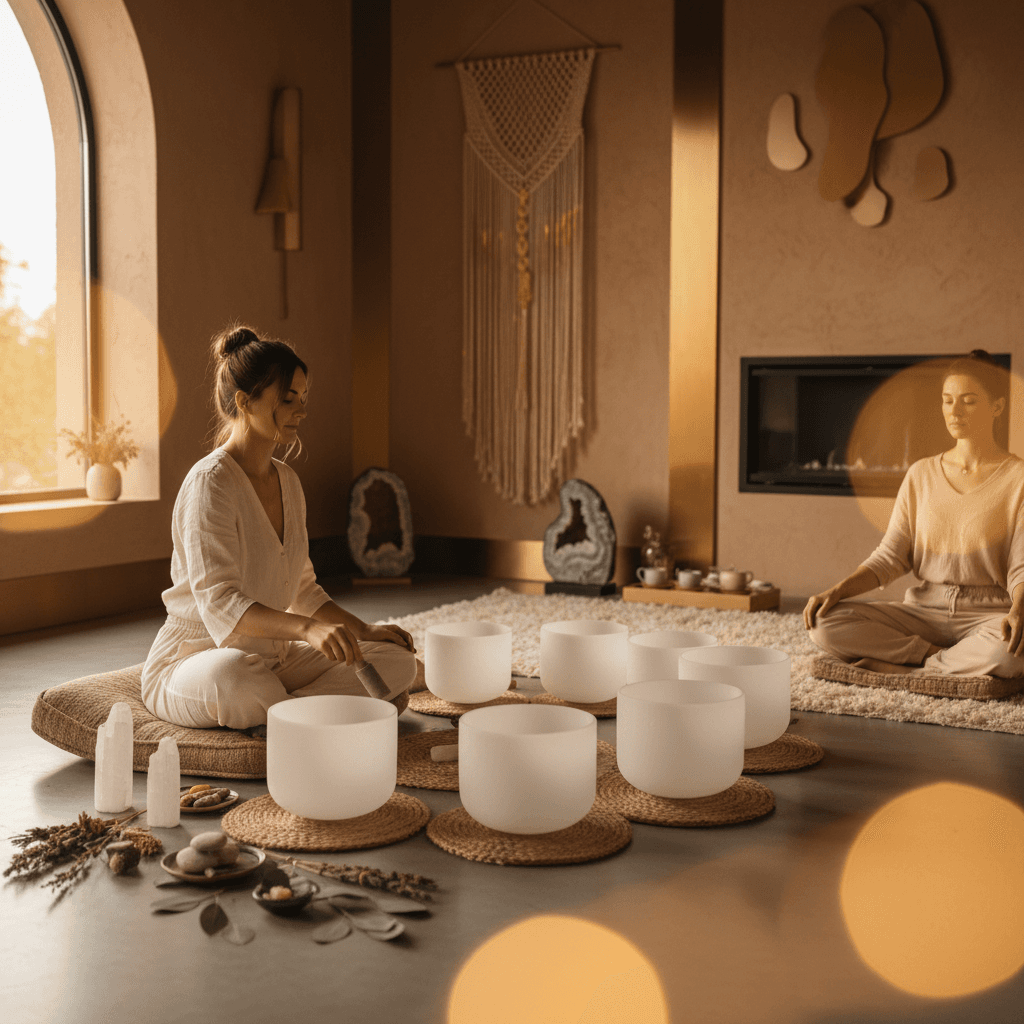
- Crystal Singing Bowls: Made from pure quartz, these bowls emit powerful, clear frequencies associated with different energy centers, helping to harmonize the mind and body.
- Gongs: The immersive soundscapes created by gongs can facilitate profound states of altered consciousness, supporting mental recalibration and deep emotional release.
- Chimes and Tuning Forks: These offer precise, delicate frequencies that can be used to fine-tune energy fields and promote specific therapeutic responses, such as stress reduction and mental clarity.
Larissa Steinbach's guidance ensures that each session is more than just an auditory experience; it is a journey inward designed to cultivate peace from within. The unique combination of instruments and the expert facilitation by Soul Art practitioners create an environment where emotional wounds may begin to soften, and a sense of calm resilience can take root. By nurturing the individual well-being of each co-parent, Soul Art aims to indirectly foster a more stable, supportive, and harmonious environment for the entire family unit. It is a testament to the quiet luxury of prioritizing one's inner peace for the greater good.
Cultivating Calm: Practical Steps for Co-Parent Wellness
Navigating co-parenting can feel like an unending series of negotiations and emotional hurdles. Yet, by prioritizing your own well-being, you equip yourself to manage these challenges more effectively, creating a more stable environment for your children. Here are some practical steps you can implement today to support your wellness journey in co-parenting:
- Prioritize Personal Wellness: Make self-care non-negotiable. This includes practices like sound wellness, mindfulness, regular exercise, and adequate sleep. When your cup is full, you have more emotional resources to draw upon when interacting with your co-parent. Remember, your children benefit most from a calm and emotionally stable parent.
- Establish Clear Communication Boundaries: Whether you are co-parenting or parallel parenting, clear boundaries are essential. Discuss communication methods (email, text, co-parenting app), response times, and topics exclusively related to the children. This can help reduce unnecessary conflict and emotional triggers, as advised by CustodyXChange.
- Focus on the Child's Needs First: As Helpguide emphasizes, your child's well-being should be the focal point of every discussion with your ex-partner. Before reacting emotionally, pause and ask yourself how your response will impact your child. This perspective can help you let go of personal resentments and choose a more constructive path.
- Process Your Emotions Separately: Co-parenting often stirs up old feelings. Rather than addressing these with your ex-partner, process them with a trusted friend, therapist, or through a personal wellness practice like sound baths. Moving on emotionally from your ex is a key component of successful co-parenting, as suggested by CustodyXChange.
- Explore Complementary Wellness Practices: Consider integrating sound wellness into your routine. Sessions, like those offered by Soul Art, may support nervous system regulation and provide a profound sense of calm, making it easier to approach co-parenting challenges with a more grounded perspective.
As you navigate the complex landscape of co-parenting, remember that your personal well-being is paramount not just for you, but for your children too. Taking proactive steps to manage stress and cultivate inner peace can significantly transform your family dynamics.
Bookings Coming Soon
Soul Art is still in preparation. Session details and booking will be published here after launch.
Coming Soon
Embracing Harmony: A Path Forward for Co-Parent Wellness
Co-parenting, whether cooperative or parallel, is an intricate journey demanding emotional resilience and a steadfast commitment to children's well-being. The pervasive stress of inter-parental conflict has been widely identified as a significant predictor of poorer outcomes for children, affecting their emotional stability and overall development. However, proactive wellness strategies can profoundly shift this narrative.
Sound wellness offers a scientifically grounded, complementary approach to support ex-partners in mitigating stress and fostering emotional regulation. By gently guiding the nervous system into states of deep relaxation, these practices may reduce cortisol levels and enhance an individual's capacity for calm, thoughtful interaction. This inner harmony directly contributes to a more peaceful co-parenting dynamic, ultimately benefiting the children with a stronger sense of security and stability.
At Soul Art, Larissa Steinbach and her team are dedicated to guiding you through this transformative journey. Through bespoke sound wellness experiences, we empower you to cultivate the inner peace necessary for resilient co-parenting. Discover a path to greater harmony and support your family’s well-being with Soul Art.
Wellness Disclaimer: This article is for educational and informational purposes only. It does not constitute medical advice, diagnosis, or treatment. Soul Art Dubai provides non-medical wellness experiences focused on relaxation, stress management, and general wellbeing. Sound wellness is a complementary practice and should not replace professional medical care.
Related Articles
Anniversary Sound: Deepening Love Through Vibrational Wellness
Sound for Recommitment: Deepening Vows with Soul Art
Attachment Styles: Sound for Security – Building Inner Resilience