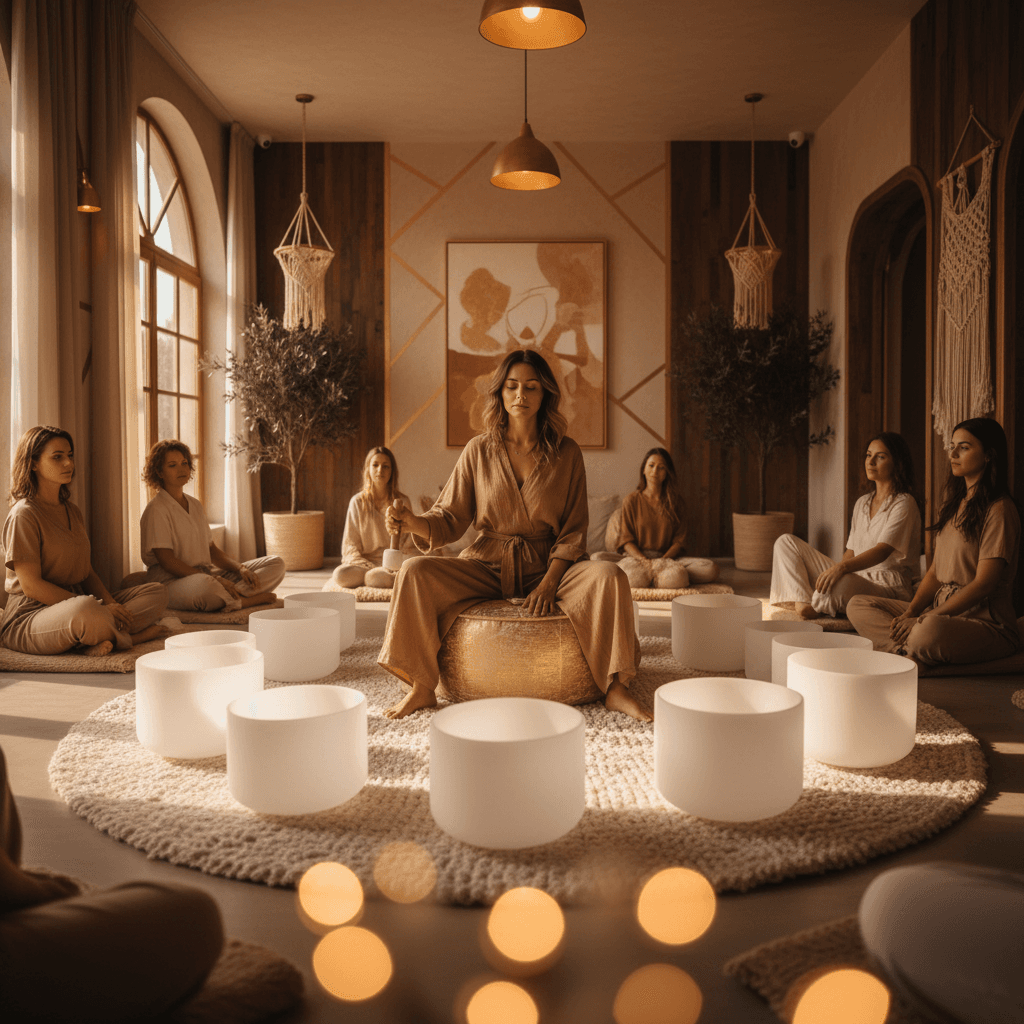
Transforming Childhood Nightmares: Sound Healing for Peaceful Sleep
Key Insights
Explore how sound healing offers a gentle, complementary approach to alleviate childhood nightmares, promoting restful sleep and reducing fear with Soul Art Dubai.
The moon hangs high, casting long shadows, and for many children, the night brings not restful slumber but the unsettling grip of a nightmare. It's a common struggle, with some research suggesting that one in six children with mental health difficulties suffer from chronic nightmares, an estimate that might even be conservative. These aren't just fleeting bad dreams; they can disrupt sleep, heighten anxiety, and cast a shadow over daylight hours, affecting a child's overall well-being.
For too long, nightmares in children were often viewed merely as a symptom of other underlying issues, overlooked in routine clinical screenings. However, pioneering research is now shifting this perspective, recognizing chronic nightmares as a distinct challenge that requires specific, gentle, and effective interventions. At Soul Art, Dubai's premier sound wellness studio, founded by Larissa Steinbach, we explore how sound healing may offer a supportive, complementary path to help children navigate these nocturnal fears and embrace more peaceful sleep.
This article delves into the emerging science behind childhood nightmares and how the ancient art of sound wellness, guided by modern understanding, can serve as a profound relaxation technique. We will uncover the brain's relationship with sound, explore innovative approaches to dream modulation, and reveal how the unique methodology at Soul Art can assist in creating a sanctuary of calm for your child. Join us on a journey to understand how gentle vibrations can foster resilience, reduce nocturnal distress, and invite tranquility back into your child's night.
The Science Explained: Unraveling the Impact of Nightmares on the Developing Brain
Understanding childhood nightmares requires looking beyond them as mere bad dreams. Recent groundbreaking research highlights their significant impact, recognizing them not solely as symptoms, but as a distinct challenge deserving direct attention.
Nightmares: More Than Just a Symptom
A newly published study from the University of Oklahoma and the University of Tulsa, featured in Frontiers in Sleep, marks a pivotal moment in understanding chronic nightmares in children. This randomized clinical trial is believed to be the first of its kind, testing a novel nightmare therapy specifically designed for younger individuals. Its findings showed a notable reduction in nightmare frequency and associated distress, leading to an increased number of nights a child slept without waking.
Critically, this research emphasizes that nightmares can persist even when underlying mental health issues are addressed. For instance, children successfully treated for trauma like PTSD might still experience chronic nightmares, trapping them in a debilitating cycle. As Professor Cromer, one of the study’s authors, noted, "Nightmares can trap children in a cycle. They remember the nightmare and may stay hypervigilant or avoidant at bedtime. Then, they don’t get enough sleep and become more anxious, which makes them more likely to continue having nightmares." This highlights the urgent need for direct, effective interventions.
The Brain's Response to Sound and Fear
Fear is a fundamental human emotion, essential for self-preservation, yet chronic fear, especially at night, can have profound effects on a child’s developing brain. Research indicates that prolonged exposure to fear can adversely impact brain development and lead to issues like anxiety, concentration difficulties, and reduced confidence. Therefore, addressing nighttime fears promptly is incredibly important for a child's overall cognitive and emotional growth.
Sound, as a form of vibrational energy, plays a critical role in how our bodies perceive and interpret the world. The human auditory system is incredibly intricate, not just reacting to mechanical pressure changes but actively mediating and assigning meaning to these sensory events. Within the audible range, typically between 20 Hz and 20 kHz, our bodies convert physical vibrations into electrochemical signals, which we then perceive as sound. This process, known as transduction, allows sound to directly influence our nervous system and psychological state.
Preliminary studies and anecdotal evidence suggest that specific frequencies and tones can act as a scaffolding for the nervous system, promoting states of deep relaxation and regulating emotional responses. This is particularly relevant when considering conditions like anxiety or chronic pain, where sound-based therapies have shown promise in improving psychological states, mood, and sleep patterns by reducing anxiety.
Bridging Traditional Therapies with Sound Innovation
For adults and adolescents, Imagery Rehearsal Therapy (IRT) has shown strong efficacy in reducing nightmare frequency and distress. IRT involves actively changing the negative storyline of a nightmare to a positive one. However, there has been an urgent call for more robust clinical trials specifically examining the effectiveness of these treatments in younger children.
Promisingly, new research is exploring ways to enhance IRT through innovative techniques. A study published in Current Biology demonstrated the effectiveness of Targeted Memory Reactivation (TMR) during REM sleep. In this approach, patients performing IRT were exposed to a specific sound while generating a positive outcome for their nightmare. For two weeks, participants continued IRT at home, with half also exposed to this sound during REM sleep via a wireless headband. The TMR group experienced significantly less frequent nightmares and reported more positive dream emotions, with effects sustained for three months.
This integration of sound during REM sleep to strengthen newly formed, positive dream narratives offers a fascinating glimpse into how auditory stimuli may modulate emotions in dreams and accelerate the remission of nightmare disorder. While these studies primarily focus on adults, they open exciting avenues for exploring how sound, used as a complementary approach, may support children in fostering more peaceful dreamscapes and a sense of mastery over their fears. The potential for sound to directly influence neural mechanisms during sleep, reinforcing positive cognitive shifts, underscores its profound therapeutic possibilities within a wellness context.
How It Works in Practice: Crafting a Sanctuary Through Sound
At Soul Art, the scientific understanding of sound's influence on the brain and nervous system translates into a profound, practical experience. We believe in creating an environment where children can feel secure and empowered, allowing the gentle frequencies to guide them toward inner peace.
The Gentle Embrace of Vibrations
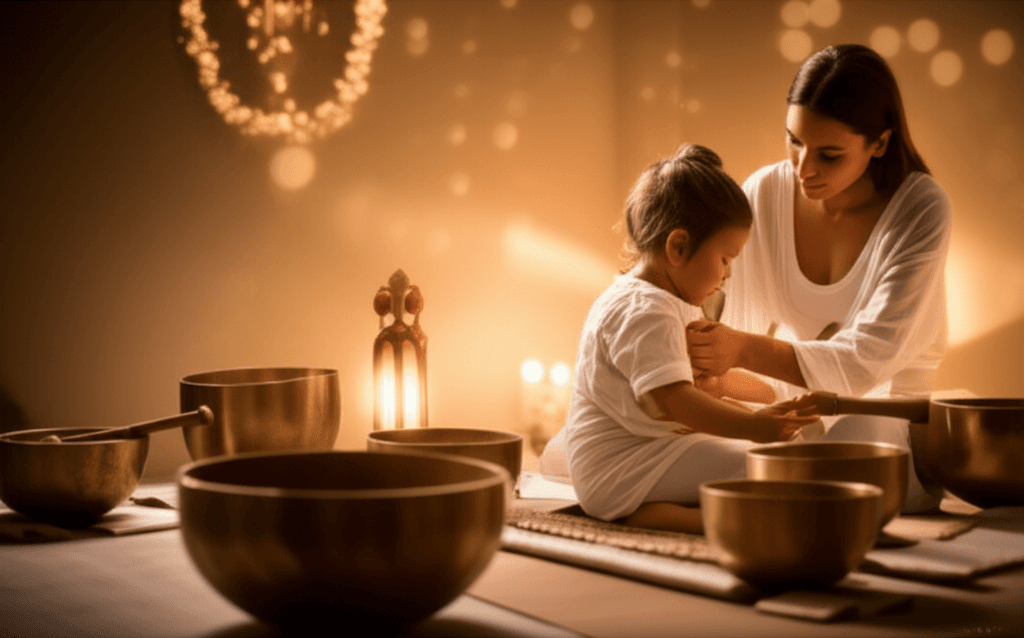
Imagine a space imbued with soft light and calming scents, where gentle sounds become a soothing presence. During a sound wellness session, children are invited to lie down comfortably, perhaps with a favorite blanket or soft toy, as Larissa Steinbach begins to introduce the harmonious vibrations. These aren't intrusive sounds, but rather a carefully curated tapestry of tones from instruments specifically chosen for their resonance.
The experience often begins with crystal singing bowls, known for their pure, sustained tones that resonate deeply throughout the body. Their vibrations are thought to travel through the body's tissues and fluids, creating a gentle internal massage that may help to release physical tension. Children often describe feeling a sense of deep relaxation, like a calm wave washing over them.
Cultivating Inner Calm and a Sense of Control
The primary goal of these sessions is to induce a state of profound relaxation, reducing the anxiety that often fuels chronic nightmares. When the nervous system is calm, the body can shift from a "fight or flight" response to a "rest and digest" state. This physiological change may make it easier for a child to fall asleep, stay asleep, and potentially process fears in a less intense, more constructive way.
As the sounds envelop the child, they are encouraged to simply be present, observing any sensations or emotions without judgment. This practice, akin to mindful awareness, helps children develop a greater connection to their internal experience, fostering a nascent sense of control over their emotional landscape. This aligns with research suggesting that effective nightmare treatments often "facilitate a sense of control or mastery by directly targeting the nightmare content and/or the client’s" experience.
"The subtle hum of a bowl, the gentle chime of a bell – these are not just sounds, but invitations for the nervous system to recalibrate, guiding a child away from the shadows of fear towards the light of inner peace."
The carefully chosen frequencies may also work by influencing brainwave states, helping to guide the mind from active, anxious beta waves towards more relaxed alpha or even deep meditative theta states. In these states, the subconscious mind may become more receptive to positive suggestions and internal shifts, which can be particularly beneficial for addressing deeply ingrained patterns of fear associated with nightmares.
By providing a safe, non-verbal outlet for tension and fear, sound healing offers a holistic wellness approach that complements other strategies. It's a journey of gentle sensory engagement, allowing children to experience calm firsthand and potentially reframe their relationship with sleep and dreams. This experience aims to equip them with an inner resource of tranquility, making the transition to bedtime less daunting and the night hours more restful.
The Soul Art Approach: Larissa Steinbach's Vision for Child Wellness
At Soul Art, Larissa Steinbach has meticulously crafted a methodology that integrates the profound power of sound with a deep understanding of child psychology and well-being. Her approach is rooted in empathy, scientific insight, and an unwavering commitment to creating a nurturing space where children can flourish.
A Philosophy of Gentle Empowerment
Larissa's philosophy centers on empowering children to develop inner resources for resilience and peace. She believes that every child holds an innate capacity for calm, and sound healing serves as a gentle catalyst to unlock this potential. Rather than directly confronting fears, the Soul Art method focuses on building a foundation of safety and relaxation, making space for fears to naturally diminish as tranquility grows. This aligns with the understanding that reducing anxiety is a key step in breaking the nightmare cycle.
Larissa's extensive background in sound wellness allows her to intuitively guide sessions, adapting to each child's unique energy and needs. Her calm demeanor and expertise create an immediate sense of trust, which is crucial when working with children experiencing nighttime distress. She understands that the environment and the practitioner's presence are as vital as the sound itself.
The Unique Soul Art Method: A Symphony of Serenity
What makes the Soul Art method unique is its thoughtful integration of diverse, high-quality instruments with a personalized, intuitive touch. Larissa Steinbach curates each session to address the specific needs of the child, creating a bespoke soundscape designed to promote deep relaxation and emotional balance.
Specific instruments are chosen for their unique resonant qualities and their potential impact on the body and mind:
- Crystal Singing Bowls: These bowls, made from quartz crystal, produce resonant, enveloping tones. Their vibrations are known to be particularly grounding and are thought to interact with the body's energetic centers, promoting a sense of harmony. For children, their clear, sustained notes can be deeply captivating and calming.
- Gongs: Used gently and intuitively, gongs can create a rich tapestry of sound that helps to quiet the overactive mind. The deep, sustained tones of a gong may encourage brainwave states conducive to meditation and sleep, making them powerful tools for stress reduction.
- Chimes and Percussion: Delicate chimes, rain sticks, and other soft percussion instruments add layers of texture to the soundscape. These whimsical sounds can provide gentle auditory anchors, drawing a child's attention away from anxious thoughts and into the present moment. They can also represent elements of play and lightness within the session.
- Tuning Forks: These instruments emit precise, therapeutic frequencies. When applied near the body, their vibrations are thought to influence cellular harmony and nervous system regulation, promoting subtle but profound shifts in physical and emotional well-being.
The combination of these instruments, played with intention and sensitivity by Larissa, creates a sonic meditation that acts as a safe cocoon for the child. It's a self-care practice that invites the nervous system to unwind, making it a powerful stress management tool for children grappling with nighttime fears. The Soul Art studio in Dubai provides an ideal setting for these experiences, a serene escape from the urban bustle, dedicated to fostering inner peace for all ages.
Your Next Steps: Cultivating Peaceful Nights
Addressing childhood fears and nightmares is a journey that involves understanding, patience, and the implementation of supportive practices. While sound healing offers a profound complementary approach, there are several practical steps you can integrate into your child's daily routine to foster more peaceful nights.
Here are 3-5 actionable bullet points you can implement today:
- Establish a Consistent Bedtime Routine: Children thrive on predictability. A calming routine, perhaps involving a warm bath, reading a book, or quiet playtime, signals to their brain that it's time to wind down. Consistency can significantly reduce bedtime anxiety, which often precedes nightmares.
- Encourage Open Communication about Fears: Create a safe space for your child to talk about their worries or any scary dreams they remember. Validating their feelings without minimizing them can be incredibly empowering. Sometimes, simply discussing a fear during the day can help diminish its power at night.
- Create a Calming Sleep Environment: Ensure your child's bedroom is dark, quiet, and cool. Consider a nightlight if it offers comfort, or perhaps a calming sound machine with gentle nature sounds or soft music. A clutter-free room can also contribute to a sense of order and peace.
- Incorporate Mindful Breathing or Simple Relaxation Techniques: Teach your child a simple breathing exercise, like "belly breathing" or counting their breaths. Practicing this for a few minutes before bed can help activate their parasympathetic nervous system, promoting relaxation. There are many child-friendly guided meditations available that focus on peaceful imagery.
- Explore Complementary Wellness Practices: Consider introducing gentle movement practices like children's yoga or spending time in nature. These activities can help release built-up energy and stress, contributing to better sleep quality and overall emotional balance.
Remember, consistent effort and a loving, supportive environment are key. For those seeking an additional layer of support, or a deeply restorative experience, Soul Art offers expertly guided sound wellness sessions. Larissa Steinbach and the team are dedicated to supporting your family's journey towards greater tranquility.
In Summary: Embracing Tranquility with Sound Art
Childhood nightmares are a significant challenge, moving beyond mere bad dreams to a distinct issue affecting a child's well-being and development. New research underscores the importance of direct interventions, offering hope that children can break free from the cycle of fear and disrupted sleep. Traditional therapeutic approaches like Imagery Rehearsal Therapy are showing enhanced effectiveness when paired with innovative techniques like Targeted Memory Reactivation using sound.
Sound healing, as offered by Soul Art, provides a gentle, complementary approach that may support a child's journey towards more restful sleep. Through carefully curated frequencies and vibrations, guided by Larissa Steinbach, these sessions aim to calm the nervous system, reduce anxiety, and foster a profound sense of peace. This holistic wellness practice creates a nurturing space for children to process emotions, build inner resilience, and reclaim their nights.
By integrating these practices, parents can empower their children with tools for managing fear and embracing tranquility. Soul Art invites you to explore the transformative potential of sound wellness, helping your child find their way back to peaceful, restorative sleep and a brighter, more confident tomorrow.
Bookings Coming Soon
Soul Art is still in preparation. Session details and booking will be published here after launch.
Coming Soon
Wellness Disclaimer: This article is for educational and informational purposes only. It does not constitute medical advice, diagnosis, or treatment. Soul Art Dubai provides non-medical wellness experiences focused on relaxation, stress management, and general wellbeing. Sound wellness is a complementary practice and should not replace professional medical care.
Related Articles
Moving Home: How Sound Wellness Supports Child Adaptation
Sound Wellness for Sibling Adjustment: Nurturing Family Harmony

Teen Identity & Sound: Self-Discovery for Adolescents at Soul Art Dubai