Unlock Your Brain's Potential: Sound Wellness for Cognitive Resilience
Key Insights
Explore how sound wellness, championed by Larissa Steinbach at Soul Art Dubai, may enhance brain reserve and cognitive resilience, fostering a sharper, more adaptable mind.
Building Your Brain's Inner Fortress: The Power of Sound for Cognitive Resilience
Imagine a brain so robust, so adaptable, that it can navigate the challenges of aging and stress with remarkable ease, maintaining its sharpness and vitality for longer. This isn't a futuristic fantasy, but an exciting frontier in neuroscience: the concept of brain reserve and cognitive resilience. What if we told you that practices like sound wellness, offered at premier studios like Soul Art in Dubai by its visionary founder, Larissa Steinbach, may play a crucial role in cultivating this profound mental fortitude?
Scientific research is increasingly revealing that our brains are not static, but dynamic, capable of building inherent capacities to withstand age-related changes and even pathology. This article will delve into the fascinating science behind brain reserve, brain maintenance, and cognitive reserve, shedding light on how these mechanisms contribute to overall brain resilience. We will explore how engaging in enriching activities, particularly the unique experience of sound wellness, may offer a powerful, yet gentle, pathway to fortify your cognitive health and enhance your brain’s ability to thrive through life’s journey.
By understanding these intricate biological processes, you’ll gain practical insights into how you can proactively support your brain’s long-term health. Discover how Soul Art’s holistic approach to sound may become a vital component in your personal strategy for fostering a more resilient, flexible, and vibrant mind.
The Science Explained: Unpacking Brain Resilience
Our understanding of how the brain resists the ravages of time and disease has evolved significantly, leading to a comprehensive framework of concepts: brain reserve, brain maintenance, and cognitive reserve. Collectively, these contribute to what scientists term brain resilience – the brain's remarkable ability to sustain optimal cognition and functionality despite the challenges of aging and potential pathologies (Stern et al., 2019; Dubois et al., 2021).
Brain Reserve: The Structural Foundation
The concept of brain reserve posits that some individuals may possess a greater inherent structural capacity in their brains, such as a higher number of neurons or a larger brain volume (Valenzuela & Sachdev, 2006). This increased neural hardware acts like a buffer, enabling the brain to tolerate a certain degree of damage or age-related changes before any cognitive impairment becomes evident. It's akin to having a larger "tank" of resources; you can lose some without immediately noticing a significant impact on performance. While partly influenced by genetic factors and early life development, lifestyle choices throughout life may also indirectly support the health and integrity of brain structures.
Brain Maintenance: Preserving Brain Integrity
Brain maintenance, in contrast to brain reserve's focus on initial capacity, emphasizes the brain's ability to resist age-related changes and preserve its morphology and functionality over time. This model suggests that active lifestyles can slow down the visible signs of deterioration despite advancing age (PsyPost). It's about maintaining the quality and efficiency of the existing neural networks, preventing or delaying the onset of neuropathological changes. Factors like healthy diet, regular physical activity, and effective stress management are thought to be crucial in supporting brain maintenance, ensuring that the brain remains intact and functional for longer (Buchman et al., 2019).
Cognitive Reserve: Functional Flexibility and Compensation
The cognitive reserve model is perhaps the most dynamic and widely studied of the three, focusing on the brain's functional flexibility. It describes the brain's capacity to mobilize its resources differently or recruit alternative neural networks to compensate for age-related losses or existing brain damage (PsyPost). This means that even with some underlying brain changes, individuals with high cognitive reserve can continue to perform well cognitively by employing more efficient strategies or by engaging different brain regions to achieve the same outcome.
Research indicates that individuals with higher education often activate specific brain regions more effectively during learning and recall tasks, suggesting a more efficient use of neural resources (PsyPost). This functional adaptability is not fixed; it is dynamic and can be built throughout life through engaging in cognitively stimulating activities. Lifestyle factors such as lifelong learning, social engagement, and complex occupational attainment are strongly linked to developing a robust cognitive reserve (PsyPost; Nature, 2025). The most compelling evidence for this prediction was reported by Porat et al. (2023) who examined differences in gray matter atrophy between aging dancers and non-dancers (with both dancing and non-dancing groups showing similar levels of physical activity).
"The brain's ability to adapt and find alternative pathways for cognitive function, even in the face of challenge, is a testament to its extraordinary resilience."
Brain Resilience: An Integrated Approach
These three models – brain reserve, brain maintenance, and cognitive reserve – are complementary, each contributing to the broader concept of brain resilience (Stern, 2012; Dubois et al., 2021). Brain resilience is essentially better-than-expected cognitive performance despite underlying brain aging, injury, or disease (Blanchard et al., 1996). It highlights that cognitive health in older age is a complex interplay of inherent brain characteristics, the preservation of its structures, and its functional adaptability. By integrating these perspectives, we gain a holistic understanding of the various factors influencing brain health and the potential for interventions to foster cognitive longevity. The cognitive reserve model, in particular, offers exciting avenues for modifiable lifestyle interventions, making it highly relevant to wellness practices like sound.
How It Works in Practice: Sound as a Catalyst for Cognitive Engagement
Connecting these scientific principles to everyday life, particularly through practices like sound wellness, offers a compelling pathway to proactively support brain health. Sound is not merely an auditory experience; it is a profound sensory input that can engage the brain in complex ways, potentially fostering the very conditions that enhance brain maintenance and cognitive reserve.
Engaging Neural Networks and Enhancing Functional Flexibility
When you immerse yourself in a sound bath, the brain processes intricate auditory patterns, frequencies, and vibrations. This multifaceted sensory input requires significant brain activity, potentially engaging multiple neural networks. Just as learning a new language or playing a musical instrument has been shown to be a source of cognitive reserve, the structured yet fluid nature of soundscapes may stimulate neural pathways in a unique manner (PMC, Music Engagement). This active engagement may encourage the brain to remain flexible, practice recruiting alternative networks, and optimize its processing strategies – hallmarks of high cognitive reserve.
The varying frequencies and harmonic interplay experienced during a sound session may promote a state of neural activation that encourages functional flexibility. As the brain continuously adjusts to the incoming sonic information, it may be strengthening its capacity for adaptation and compensation, similar to how it learns to navigate complex cognitive tasks (PsyPost). Preliminary studies and anecdotal evidence suggest that consistent engagement with such stimulating yet relaxing practices may support the brain’s ability to sustain cognitive functioning in the presence of natural age-related changes.
The Role of Relaxation and Stress Reduction
Beyond direct cognitive stimulation, sound wellness is renowned for its ability to induce deep states of relaxation. Chronic stress is a known detrimental factor for brain health, contributing to inflammation and potentially impacting neural integrity. By guiding the brain into alpha and theta brainwave states, sound sessions may reduce cortisol levels and activate the parasympathetic nervous system, the body's "rest and digest" mode. This profound relaxation is crucial for brain maintenance, as it creates an optimal internal environment for cellular repair, waste removal, and the healthy functioning of brain structures.
A relaxed, less stressed brain is a brain that can focus its energy on maintenance rather than defensive reactions. This stress-reducing effect, therefore, indirectly contributes to overall brain resilience by preserving brain morphology and delaying potential neuropathological changes. The sensory richness of sound, from the deep resonance of gongs to the subtle vibrations of singing bowls, provides a unique experience that allows the mind to quiet, fostering a mental clarity that many people report as rejuvenating and restorative.
Sensory Immersion and Mindful Presence
The immersive quality of sound baths encourages mindful presence, drawing attention away from external distractions and internal rumination. This focused attention on the evolving soundscape acts as a form of mental training, enhancing concentration and awareness. The experience demands a gentle yet sustained cognitive engagement, which, over time, may contribute to improvements in attentional control – a key component of robust cognitive function. Such deliberate practices may also support the brain's ability to switch between different cognitive states, further honing its functional flexibility.
The Soul Art Approach: Larissa Steinbach's Vision for Cognitive Wellness
At Soul Art, Dubai's premier sound wellness studio, founder Larissa Steinbach has meticulously crafted an experience that transcends mere relaxation, aiming to gently yet profoundly engage the brain's capacity for resilience. Her approach is rooted in a deep understanding of the subtle yet powerful impact of specific frequencies and intentions on our entire being, including our cognitive architecture.
Curated Soundscapes for Deeper Engagement
Larissa's method at Soul Art focuses on creating rich, intentional soundscapes designed to facilitate specific states of consciousness and neural engagement. She carefully selects and plays a diverse array of instruments, each chosen for its unique vibrational properties. Signature elements include:
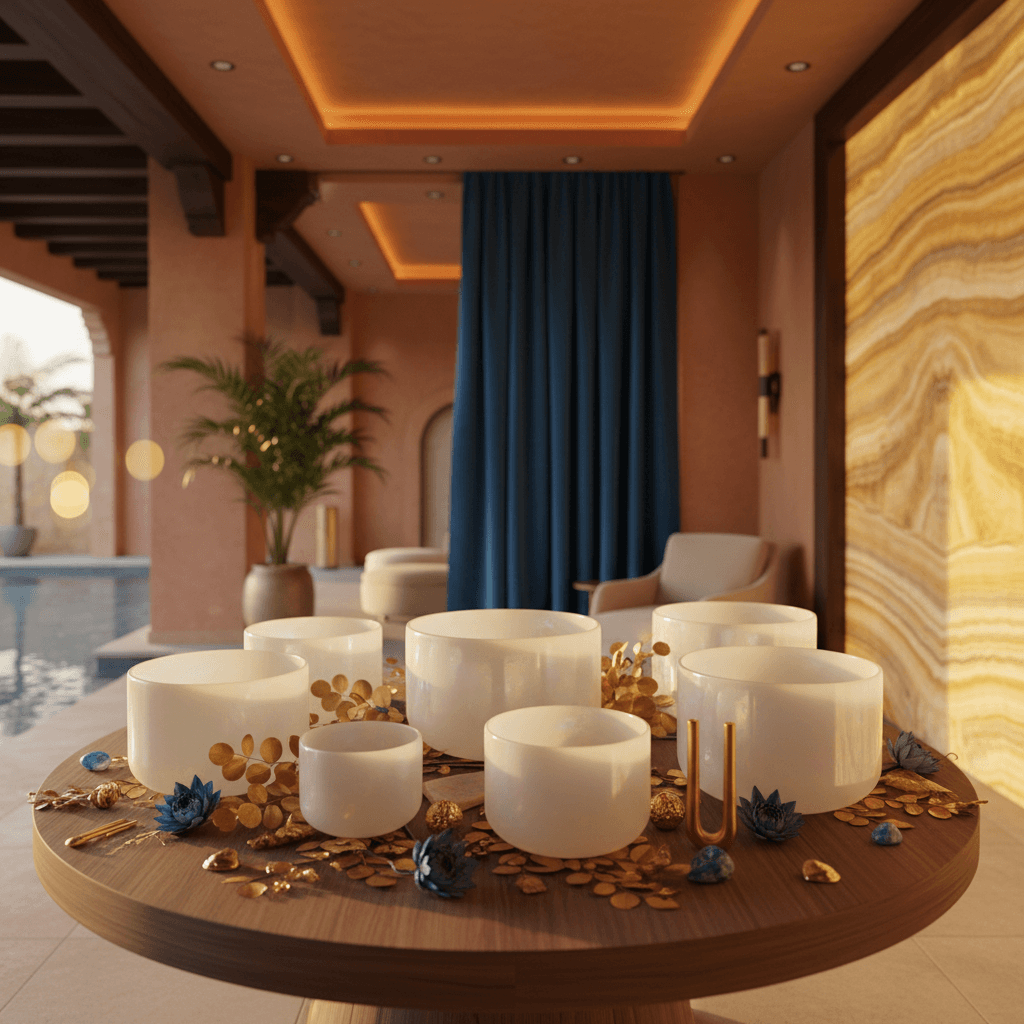
- Himalayan and Crystal Singing Bowls: These instruments produce pure, resonant tones and complex overtones that are known to harmonize brainwave activity, potentially guiding the mind into states conducive to deep relaxation and enhanced focus.
- Gongs: The deep, expansive vibrations of gongs create an immersive sonic field, which many people report helps to quiet the analytical mind and foster a sense of spaciousness, allowing for deeper introspection and mental processing.
- Chimes and Other Percussion: Delicate chimes and other percussive elements add layers of auditory texture, gently stimulating the auditory cortex and encouraging the brain to process intricate patterns without overstimulation.
Through her expert facilitation, Larissa Steinbach guides participants through a journey where the brain is gently bathed in an array of frequencies. This carefully curated environment may offer a form of "cognitive exercise" that is both stimulating and deeply soothing, potentially promoting the functional flexibility and neural network engagement vital for cognitive reserve.
Harmonizing Mind and Body for Optimal Brain Health
Larissa's unique methodology at Soul Art emphasizes the interconnectedness of mind and body. She believes that true cognitive resilience isn't just about isolated brain functions but is deeply intertwined with our overall energetic and emotional wellbeing. By fostering a state of deep calm and energetic balance, the sound sessions may alleviate chronic stress, which is a known impediment to optimal brain function and brain maintenance.
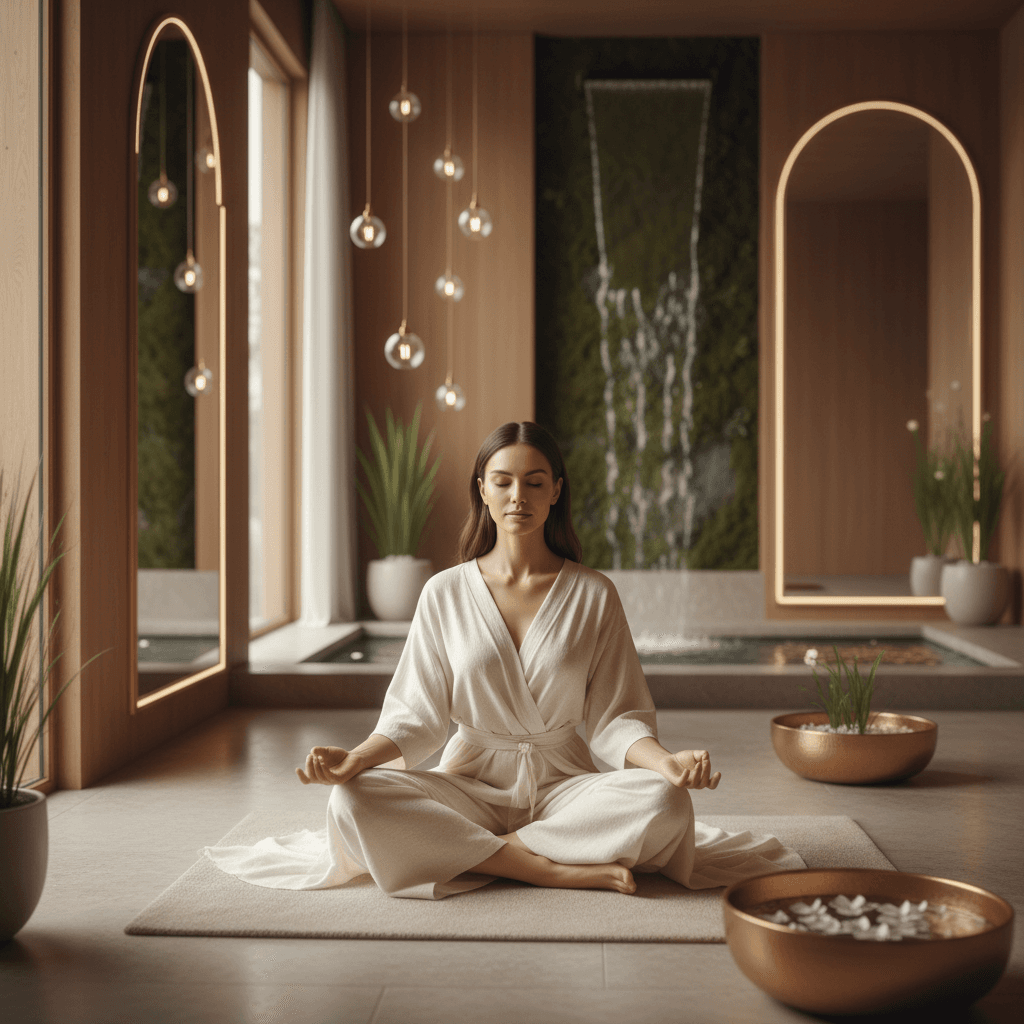
The tranquil environment of Soul Art, combined with Larissa's intuitive guidance and the potent frequencies of the instruments, creates a sanctuary where the brain can truly unwind and restore. This restorative state may support the brain's natural self-repair mechanisms and enhance its capacity to remain vibrant and functional. Many clients report leaving Soul Art sessions feeling not only deeply relaxed but also with a heightened sense of mental clarity, improved focus, and a renewed sense of cognitive fluidity – anecdotal indicators of a brain that is being gently encouraged towards greater resilience.
Your Next Steps: Integrating Sound into Your Wellness Journey
Cultivating brain reserve and cognitive resilience is a lifelong journey, but it's one you can embark on with accessible and enjoyable practices. Integrating sound wellness into your routine offers a complementary approach to support your cognitive health.
Here are a few actionable steps you can take today:
- Explore Sound Wellness: Consider attending a sound bath or a private sound healing session at Soul Art in Dubai. Experience firsthand how Larissa Steinbach's expertly guided sessions may impact your state of mind and body.
- Mindful Listening: Dedicate a few minutes each day to mindful listening. This could be focusing on calming music, nature sounds, or even the subtle sounds around you. This practice may gently stimulate auditory processing and encourage present-moment awareness, a subtle form of cognitive engagement.
- Combine with Other Brain-Healthy Habits: Pair sound wellness with other practices known to support brain health, such as regular physical activity, a nutrient-rich diet, sufficient sleep, and continuous learning or engaging social activities. These elements collectively contribute to a holistic strategy for brain maintenance and cognitive reserve.
- Stay Curious and Engaged: Keep your mind active and curious. Read new books, learn a new skill, or engage in stimulating conversations. These activities are powerful drivers of cognitive reserve, encouraging your brain to build and utilize alternative neural pathways.
- Prioritize Relaxation: Recognize that periods of deep relaxation, facilitated by practices like sound wellness, are not luxuries but necessities for optimal brain function. They allow your brain to process, consolidate, and repair, supporting long-term brain maintenance.
By actively choosing to engage in practices that challenge and soothe your mind, you are proactively investing in your long-term cognitive vitality.
Bookings Coming Soon
Soul Art is still in preparation. Session details and booking will be published here after launch.
Coming Soon
In Summary: A Resilient Mind Through Harmonious Living
The journey to a resilient mind is multifaceted, encompassing concepts of brain reserve, brain maintenance, and cognitive reserve, which collectively form brain resilience. While brain reserve highlights our inherent neural capacity, brain maintenance focuses on preserving brain integrity over time, and cognitive reserve underscores the brain's dynamic ability to adapt and compensate. Engaging in enriching, stimulating, and relaxing activities, such as those offered through sound wellness, may significantly support these mechanisms.
Larissa Steinbach's Soul Art provides a unique and powerful complementary pathway, harnessing the profound effects of sound to foster cognitive engagement, reduce stress, and promote an optimal environment for brain health. By embracing practices that nurture both mind and body, we may cultivate a sharper, more adaptable brain, better equipped to navigate life's complexities with grace and clarity. We invite you to explore the potential of sound wellness at Soul Art and invest in your brain's enduring vitality.
Wellness Disclaimer: This article is for educational and informational purposes only. It does not constitute medical advice, diagnosis, or treatment. Soul Art Dubai provides non-medical wellness experiences focused on relaxation, stress management, and general wellbeing. Sound wellness is a complementary practice and should not replace professional medical care.
Related Articles
Cluster Headaches: Unveiling Pain and the Promise of Frequencies in Wellness
Epilepsy & Sound: Safety, Serenity, and Emerging Wellness Paths
Mastering Focus: Analytical Listening & Brain Engagement at Soul Art