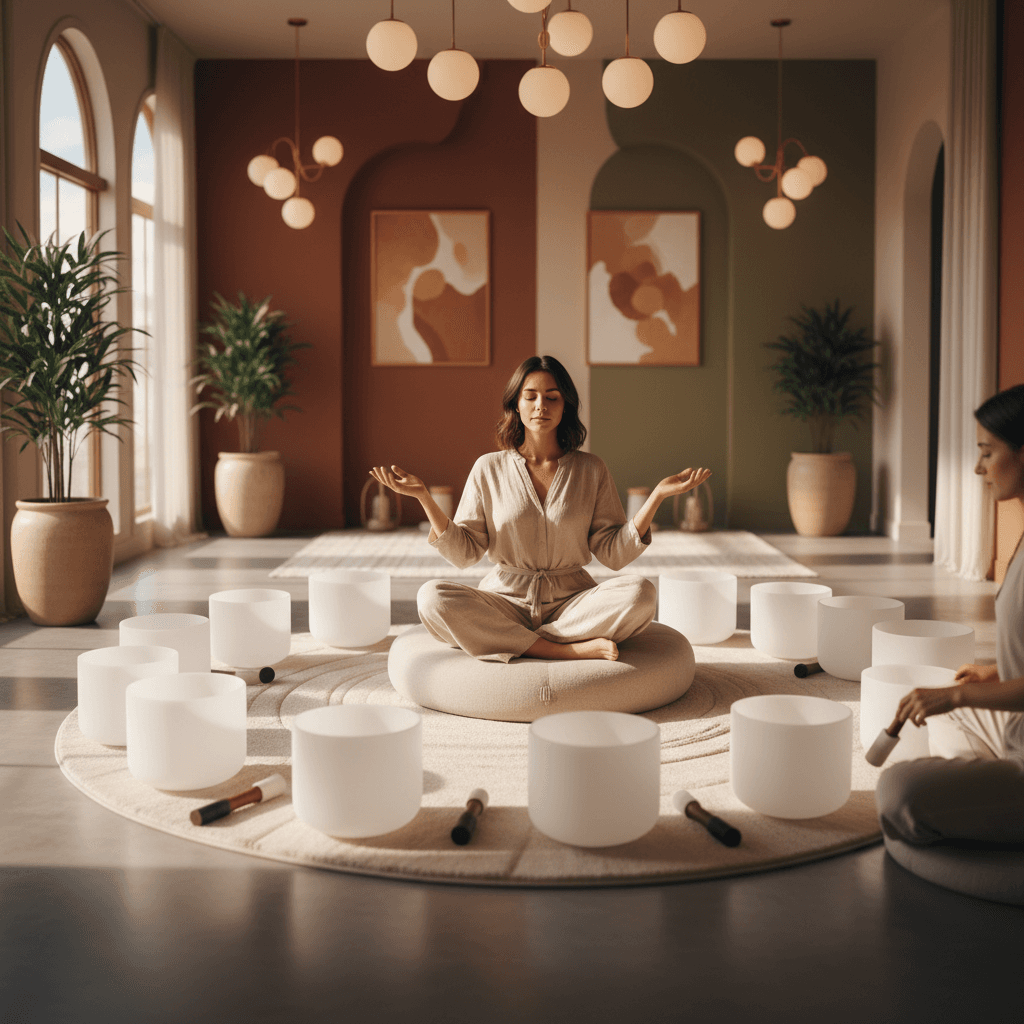
Sound for Senior Brains: Enhancing Cognitive Vitality with Soul Art
Key Insights
Explore how sound exercises and wellness practices at Soul Art Dubai, founded by Larissa Steinbach, can support cognitive function and brain fitness in aging minds.
Brain Fitness: Sound Exercises for Aging Minds
Imagine if you could turn back the clock on your brain, enhancing its resilience and sharpness as you age. While the natural march of time can bring concerns about cognitive decline, emerging science offers a compelling and surprisingly serene path to support brain fitness: the power of sound. Far from being a fleeting trend, the deliberate use of sound and vibration is garnering attention for its potential to stimulate the brain, foster neuroplasticity, and cultivate a robust cognitive landscape throughout our golden years.
At Soul Art, Dubai’s premier sound wellness studio, we believe in a holistic approach to wellbeing, deeply rooted in scientific understanding. Under the visionary guidance of Larissa Steinbach, we explore how precisely calibrated sound experiences can become a vital part of a comprehensive strategy for maintaining mental acuity. This article delves into the fascinating neuroscience behind brain aging and reveals how sound exercises, carefully designed, may offer a unique pathway to supporting an agile and vibrant mind. Join us as we uncover how ancient wisdom, combined with modern research, can help us age with greater cognitive grace and vitality.
The Science Explained: Unlocking the Brain's Potential
Our brains are remarkably complex and adaptable organs, constantly evolving throughout our lives. As we age, however, certain physiological changes can impact cognitive function, influencing our memory, attention, and decision-making abilities. Understanding these natural processes is the first step toward proactively supporting our brain health.
The Aging Brain: A Chemical Shift
One key aspect of brain aging involves a vital chemical messenger called acetylcholine. This neurotransmitter plays a crucial role in processes like attention, memory, and learning. Unfortunately, levels of acetylcholine typically experience a gradual decline with age, which can contribute to the cognitive shifts many individuals experience. Some research indicates a decline of approximately 2.5% per decade.
However, recent studies have unveiled promising insights into reversing these trends. A compelling 10-week study involving individuals aged 65 or older demonstrated that engaging in rigorous mental exercises for 30 minutes daily led to a 2.3% increase in acetylcholine levels in a brain area critical for attention and memory. This suggests that cognitive training may effectively "turn back the clock" by about 10 years in this specific brain region, offering a significant counterpoint to natural age-related decline.
The Power of Cognitive and Physical Engagement
The concept of brain malleability, or neuroplasticity, is central to understanding how we can support our minds. Research consistently shows that the human mind remains adaptable across the entire lifespan. Individuals who lead cognitively active, socially connected lives and maintain healthy lifestyles are often less likely to experience debilitating illness and early cognitive decline.
1. Mental Exercise:
- Targeted Training: Specific types of cognitive training have shown remarkable potential. For instance, a 20-year study tracking nearly 3,000 older adults found that "speed of processing" training – exercises designed to sharpen visual attention and reaction time – was associated with a 25% lower risk of dementia compared to a control group. This type of training helps improve everyday tasks related to thinking, remembering, reasoning, and decision-making.
- Brain Chemical Boost: As mentioned, focused mental exercises can increase acetylcholine, directly supporting functions like memory and attention.
2. Physical Exercise:
- Blood Flow and Neural Growth: Regular aerobic exercise is a moderately effective way to improve overall health, including brain fitness. Scientists have found that physical activity increases blood flow to the brain, which is essential for delivering oxygen and nutrients. It also helps to support the formation of new neural and vascular connections, fostering a richer, more interconnected brain network.
- Structural and Functional Benefits: Neuroimaging data suggests that cardiorespiratory fitness may not only spare age-related loss of brain tissue (gray and white matter) but also enhance the structural health of specific brain areas. These improvements are particularly noted in higher-order regions involved in cognitive control, inhibition, attention, and memory, such as the frontal, temporal, and parietal cortices.
- Reduced Brain Age: A 12-month randomized clinical trial involving early-to-midlife adults demonstrated that moderate-to-vigorous exercise significantly reduced "brain-predicted age difference" (brain-PAD), indicating a younger-acting brain.
The Auditory-Cognitive Link: Where Sound Meets Brain Fitness
Perhaps most pertinent to the practice of sound wellness is the profound connection between the auditory system and cognitive function. Our brains are uniquely wired to process sound, and this processing can have wide-ranging effects on mental health and acuity.
"There are few things that stimulate the brain the way music does. If you want to keep your brain engaged throughout the aging process, listening to or playing music is a great tool. It provides a total brain workout." — Johns Hopkins Medicine
- Total Brain Workout: Johns Hopkins Medicine highlights that music provides a "total brain workout," stimulating various regions simultaneously. Listening to music has been associated with reduced anxiety, lower blood pressure, decreased pain perception, and improved sleep quality, mood, mental alertness, and memory. These benefits, while not directly cognitive training, create an optimal state for cognitive function.
- Enhanced Connectivity: Intriguingly, evidence suggests that auditory training, either alone or in combination with cognitive training, can markedly improve functional brain connectivity in healthy older adults. This means different parts of the brain become more efficiently linked and communicate better.
- Memory and Attention Boost: Studies indicate that cognitive tasks such as logical memory and digit cancellation tests tend to improve following combined cognitive-auditory training. This suggests that engaging the auditory system actively supports specific memory and attention functions.
- Synergistic Effects: When music is combined with physical activity, the benefits for cognitive function can be even more pronounced. A study examining remote combined exercise-music training on Alzheimer’s patients found that those who performed exercise while simultaneously listening to music showed significantly greater improvements in cognitive function (including orientation, delayed recall, memory, and language) compared to an exercise-only group. This dual-task activation appears to have synergistic effects through enhanced neural activation and arousal.
In essence, sound, especially when intentionally curated, provides a rich stimulus that can engage and support the brain in numerous ways. It works not just on a superficial level, but by potentially influencing neurochemical balance, structural health, and functional connectivity.
How It Works in Practice: The Sound Wellness Experience
Translating this fascinating science into a tangible experience is at the heart of sound wellness. At Soul Art, we bridge the gap between scientific understanding and practical application, offering sessions that are both deeply relaxing and subtly stimulating for the mind. It’s an immersion, not just a listening experience.
When clients engage in a sound bath or a focused sound session, they are enveloped in a tapestry of carefully chosen frequencies and vibrations. This is not passive entertainment; it is an active engagement of the auditory system and, by extension, the entire nervous system. The resonant frequencies interact with the body's energy centers and neural pathways, creating a deeply profound experience.
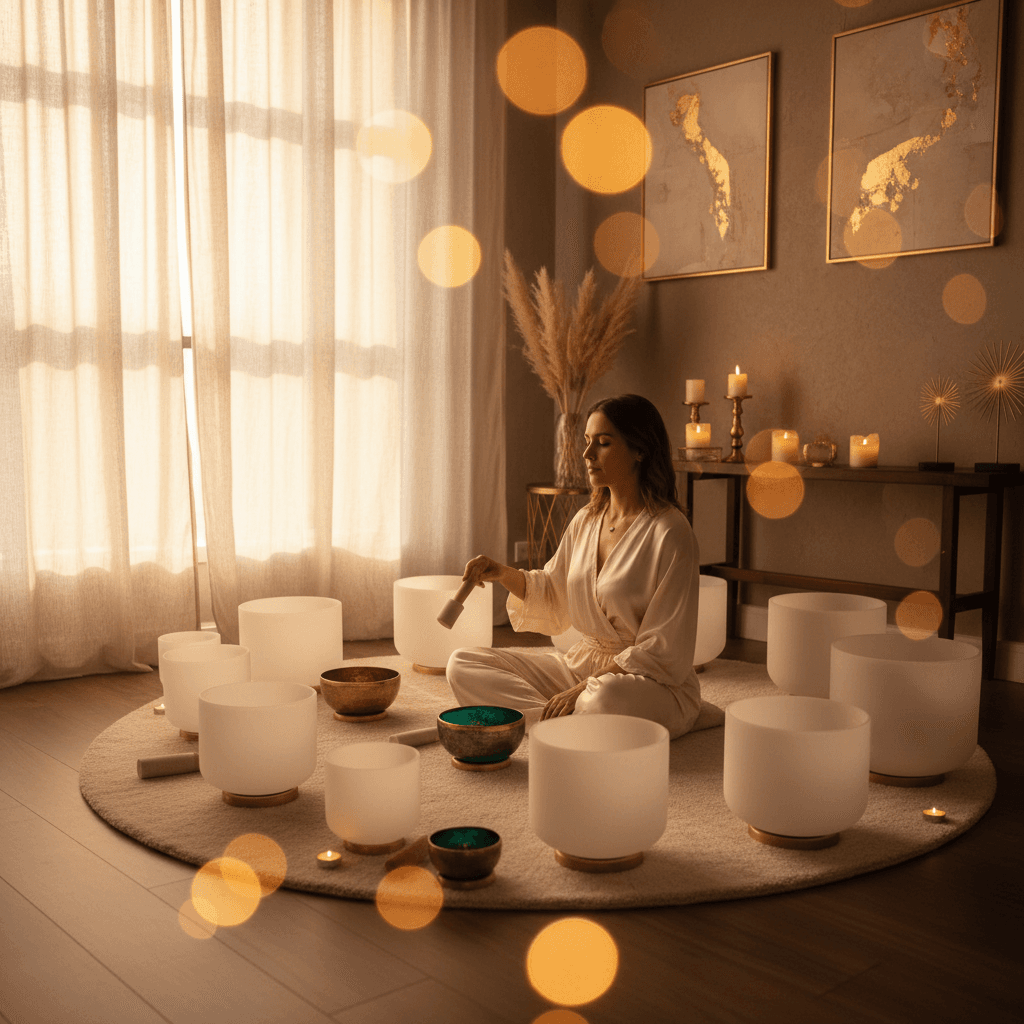
Imagine lying comfortably as the rich, resonant tones of gongs, crystal bowls, and other instruments wash over you. The vibrations are felt not just through the ears, but through the body itself. This tactile and auditory stimulation serves multiple purposes:
- Deep Relaxation: The immediate effect for many is a profound state of relaxation. By quieting the 'fight or flight' response and activating the parasympathetic nervous system, sound wellness helps to reduce stress hormones like cortisol. A calmer mind is a more receptive mind, better equipped for cognitive function.
- Enhanced Focus and Mindfulness: The unique soundscapes can naturally guide the mind into a state of focused attention. Instead of scattered thoughts, individuals find their awareness drawn to the intricate layers of sound. This subtle form of mindfulness training can improve attention span and present moment awareness, skills that are crucial for cognitive agility.
- Sensory Integration: Sound experiences engage multiple senses, creating a rich sensory environment. This integration is a gentle form of cognitive stimulation, encouraging the brain to process diverse inputs harmoniously. The brain is presented with novel stimuli, encouraging new neural pathways to form or existing ones to strengthen.
- Improved Sleep Quality: As Johns Hopkins research suggests, music and sound can significantly improve sleep quality. Restorative sleep is fundamental for memory consolidation, cognitive repair, and overall brain health. By promoting deeper, more restful sleep, sound wellness indirectly yet powerfully supports brain fitness.
The experience is often described as a journey inward, where the external sounds facilitate an internal recalibration. Clients frequently report emerging from sessions feeling refreshed, mentally clearer, and with a heightened sense of calm and alertness. These shifts in mood and mental state are not just pleasant; they create an optimal internal environment where cognitive processes may function more effectively. This holistic approach recognizes that brain fitness is intricately linked to emotional regulation, stress reduction, and overall nervous system balance.
The Soul Art Approach: Curated Vibrations for Cognitive Well-being
At Soul Art, the philosophy of enriching cognitive vitality through sound is deeply ingrained in every session. Larissa Steinbach, our founder, brings a profound understanding of both the science and the art of sound wellness. Her approach is not merely about playing instruments, but about intentionally curating a vibrational environment designed to support specific outcomes, including robust brain fitness as we age.
Larissa Steinbach's method at Soul Art is built upon several foundational principles that distinguish our offerings:
- Intentional Frequency Selection: Unlike casual listening, Soul Art sessions involve the deliberate use of instruments chosen for their specific frequencies and harmonic qualities. Instruments such as Himalayan singing bowls, crystal alchemy bowls, gongs, and tuning forks are played with precision, aiming to create resonant fields that may encourage brainwave entrainment towards states conducive to relaxation and mental clarity. This intentionality is crucial for fostering a state where the brain can best integrate and benefit from the auditory input.
- Holistic Integration: Larissa understands that cognitive well-being is part of a larger picture of holistic health. Sessions at Soul Art are designed to address the nervous system as a whole, reducing stress and anxiety, which are known inhibitors of cognitive function. By creating a tranquil mental and physiological state, the brain is better positioned to benefit from the direct auditory stimulation. It’s about creating an optimal internal landscape for the brain to thrive.
- Guided Meditative States: Many Soul Art sessions incorporate elements of guided meditation alongside the sound. This dual approach harnesses the power of focused attention (a form of cognitive exercise) with the profound impact of sound. This synergy can help to deepen the meditative state, making it easier for participants to engage their minds actively while simultaneously receiving the soothing benefits of the sound frequencies. This combination aligns well with research suggesting that auditory training, especially when combined with cognitive training, can enhance brain connectivity and memory.
- An Environment of Serenity: The studio itself is designed as a sanctuary, minimizing external distractions and maximizing the sensory experience of sound. This controlled, peaceful environment allows clients to fully immerse themselves, enhancing their ability to achieve deep relaxation and mental engagement. The physical space at Soul Art plays a significant role in augmenting the effectiveness of the sound journey, supporting the mind’s ability to "tune in" to the beneficial frequencies.
Larissa Steinbach's expertise ensures that each session is not just a sound bath but a carefully constructed journey aimed at neural restoration and cognitive support. The unique blend of carefully selected instruments, intentional soundscapes, and the overarching philosophy of holistic well-being makes Soul Art a distinctive destination for those seeking to enhance their brain fitness through complementary wellness practices. We offer a sophisticated yet accessible pathway to explore the potential of sound in supporting a vibrant, aging mind.
Your Next Steps: Integrating Sound into Your Life
Empowering your brain health doesn’t have to be complicated. By understanding the profound connection between sound, relaxation, and cognitive function, you can begin to integrate these beneficial practices into your daily routine. Taking proactive steps now can support your mind's agility for years to come.
Here are a few actionable steps you can take to embrace sound for brain fitness:
- Mindful Listening Practice: Dedicate 10-15 minutes daily to mindful listening. Choose calming instrumental music, nature sounds, or ambient soundscapes. Focus entirely on the auditory input, noticing textures, rhythms, and tones. This simple practice can act as a gentle cognitive exercise, improving attention and present moment awareness.
- Explore Sound Wellness Sessions: Consider booking a professional sound bath or individual sound session. These curated experiences, like those offered by Soul Art, provide a deeply immersive and intentional auditory journey. They are designed to promote deep relaxation and can offer a unique form of sensory and cognitive stimulation.
- Combine Sound with Movement: As research suggests the synergistic effects of sound and exercise, try listening to uplifting, instrumental music during your walks, light yoga, or gentle stretches. This dual engagement may enhance both your physical and mental well-being simultaneously.
- Create a Relaxing Sound Environment: Integrate calming sounds into your home environment, especially before sleep. Soft ambient music, white noise, or binaural beats (always ensuring they are at a safe, comfortable volume) may support relaxation and improve sleep quality, which is vital for memory consolidation and cognitive repair.
- Prioritise Holistic Well-being: Remember that sound wellness is a complementary practice. Combine it with a balanced diet, regular physical activity, social engagement, and consistent mental challenges (like learning new skills or puzzles) to create a comprehensive strategy for brain fitness.
Embracing sound as a tool for brain fitness is a delightful and accessible way to invest in your long-term cognitive health. It's about creating moments of tranquility and stimulation that nourish both your mind and spirit.
In Summary: Harmonising Mind and Sound
Our journey through the science of brain fitness reveals a hopeful truth: the aging mind is remarkably resilient and responsive to intentional care. From the neurochemical boost of acetylcholine to the enhanced connectivity fostered by auditory training, the evidence suggests that proactive engagement can significantly support cognitive vitality. Sound, far from being merely background noise, emerges as a powerful tool—a "total brain workout" that promotes relaxation, improves focus, and enhances overall well-being.
Soul Art, under the discerning leadership of Larissa Steinbach, stands at the forefront of this emerging field, offering meticulously designed sound experiences that harmonise ancient practices with contemporary scientific understanding. By providing a sanctuary for curated vibrations and deep relaxation, Soul Art invites you to explore a unique path to nurturing your brain and embracing a future of mental clarity and calm. Invest in your cognitive well-being; let the frequencies guide you.
Bookings Coming Soon
Soul Art is still in preparation. Session details and booking will be published here after launch.
Coming Soon
Wellness Disclaimer: This article is for educational and informational purposes only. It does not constitute medical advice, diagnosis, or treatment. Soul Art Dubai provides non-medical wellness experiences focused on relaxation, stress management, and general wellbeing. Sound wellness is a complementary practice and should not replace professional medical care.
Related Articles
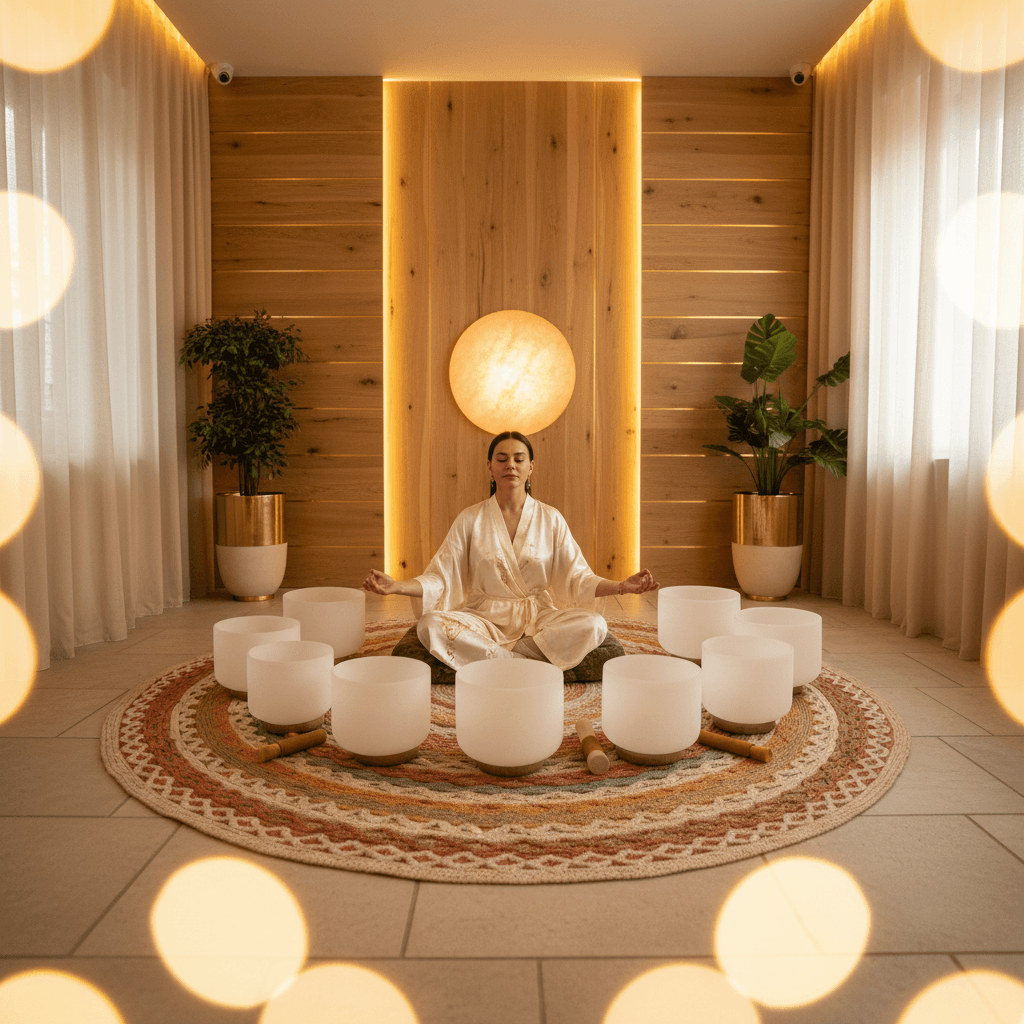
Downsizing: Navigating Life's Big Changes with Sound Wellness
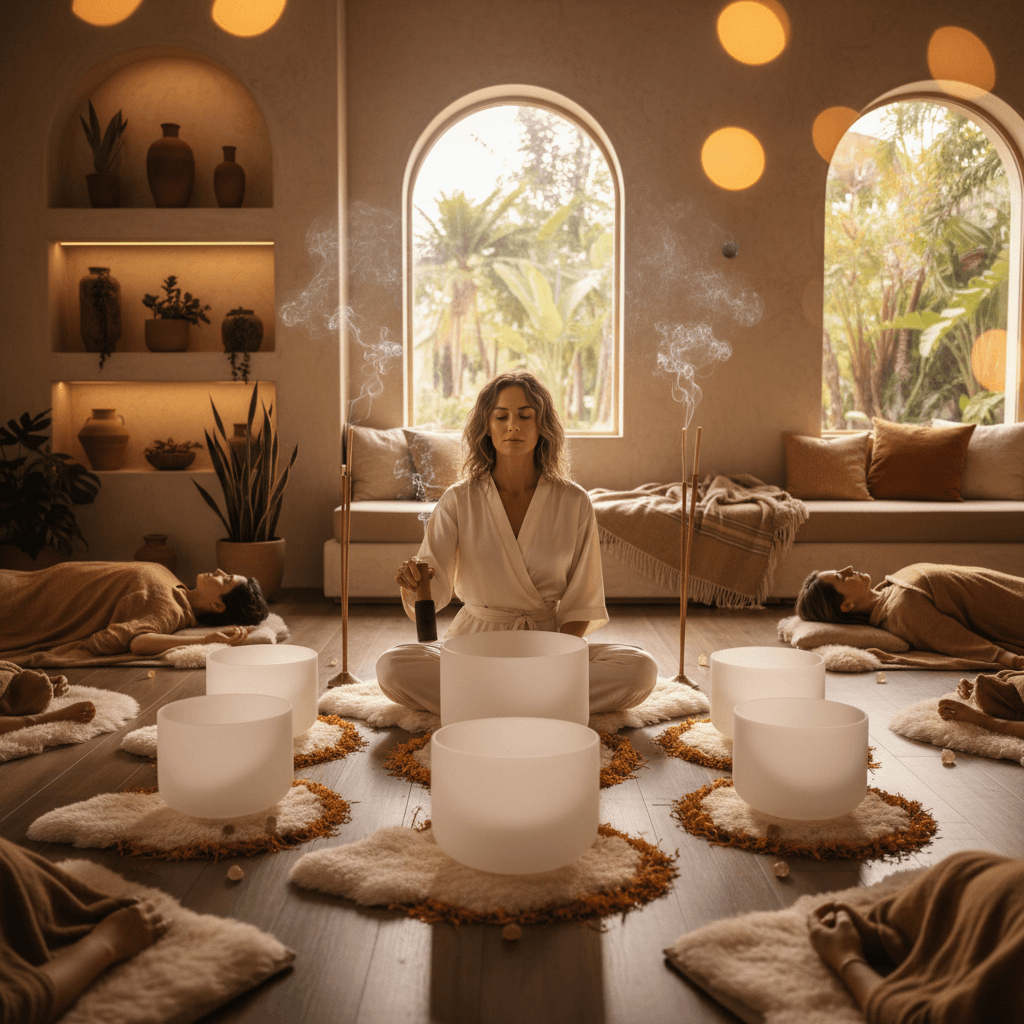
Restless Legs Relief: Sound Wellness for Deeper Nighttime Comfort
Embracing Age with Inner Peace: Sound Wellness for Acceptance