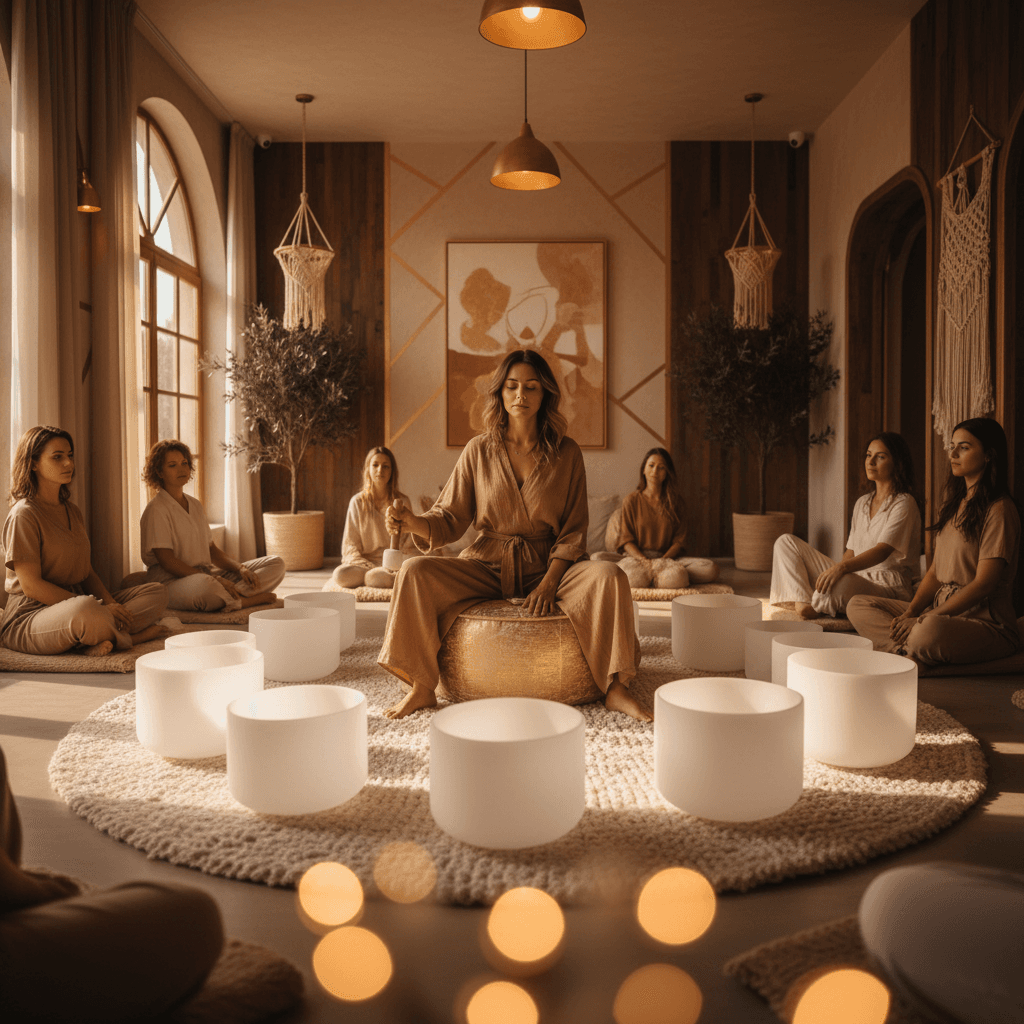
Harmonious Nights: Bedtime Sound Rituals for School-Age Children
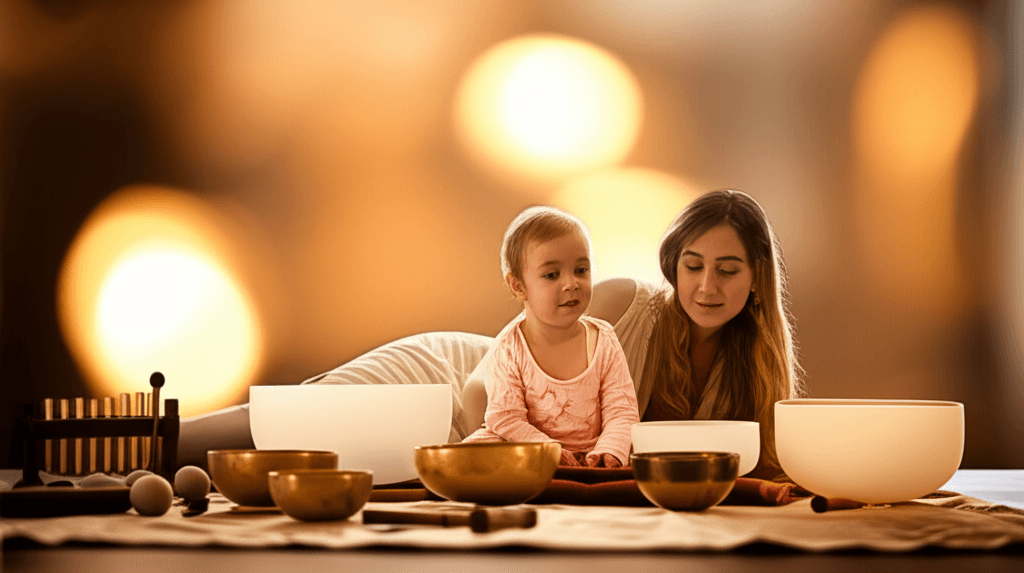
Key Insights
Unlock serene sleep and emotional well-being for school-age children with scientifically-backed bedtime sound rituals. Discover Larissa Steinbach's Soul Art approach.
Harmonious Nights: Bedtime Sound Rituals for School-Age Children
Did you know that consistent bedtime routines for children can lead to better sleep quality years later, according to research? In today's fast-paced world, many school-age children struggle to disengage from the day's stimuli and find restful sleep, impacting everything from their mood to their academic performance. Establishing a consistent, calming ritual is not just about getting them to bed; it's about nurturing their holistic well-being.
This comprehensive guide delves into the profound science behind effective bedtime routines, exploring how sound wellness, in particular, can be a transformative element. We will examine practical, scientifically-grounded strategies, offering insights into how Larissa Steinbach’s unique approach at Soul Art Dubai integrates sound rituals to cultivate tranquility and enhance sleep for your child. Prepare to discover how intentional sound can usher in an era of more peaceful nights and brighter days for your family.
The Science Behind Serene Sleep for Children
The bedrock of a child's health and development is deeply intertwined with the quality of their sleep. Understanding the underlying science can empower parents to create environments that genuinely support their children's rest and overall well-being. This journey into the biology of sleep reveals why a structured approach, complemented by calming practices, is so impactful.
The Circadian Rhythm and Sleep Quality
Children’s bodies and brains thrive on predictability and consistency. Their internal body clock, or circadian rhythm, dictates their natural sleep-wake cycles, and a regular bedtime routine is crucial for its healthy regulation. For instance, the National Sleep Foundation recommends that school-aged children (6 to 11 years old) receive 9 to 11 hours of sleep per night for optimal health and development.
Establishing a predictable routine acts as a powerful signal to the body, informing it when to wind down and when to prepare for sleep. This consistency helps to synchronize the body’s natural melatonin production, the hormone essential for initiating sleep. When the circadian rhythm is well-regulated, children typically fall asleep more easily and wake up more naturally, feeling refreshed.
Beyond Rest: Cognitive and Emotional Impact
The benefits of a well-established bedtime routine extend far beyond just sleep duration. Research consistently highlights the profound impact of consistent sleep on a child's cognitive functioning and emotional regulation. Well-rested children often perform better academically, exhibiting improved attention spans and enhanced problem-solving skills during learning activities.
A 2019 study published in Sleep Health found that children with consistent bedtime rituals not only experienced better sleep quality but also showed significant improvements in mood and behavior during their waking hours. Furthermore, the establishment of early bedtime routines has been associated with better emotion regulation in children, with long-term benefits on their emotional and behavioral outcomes, reducing internalizing and externalizing behaviors by school age. This underscores sleep's critical role in fostering a child's emotional resilience and adaptive coping mechanisms.
The Power of Routine: Evidence-Based Benefits
The scientific literature provides robust evidence supporting the efficacy of regular bedtime routines. Multiple studies, including cross-sectional, longitudinal, and intervention designs, have illuminated a range of positive sleep outcomes:
- Faster Sleep Onset: Children with consistent routines often take less time falling asleep.
- Reduced Nighttime Awakenings: A stable routine may support fewer interruptions during the night, leading to more consolidated sleep.
- Increased Sleep Duration: Children following routines tend to sleep longer overall.
- Enhanced Sleep Quality: Caregivers frequently report better overall sleep quality for children with established bedtime rituals.
- Reduced Anxious Distress: Preliminary evidence suggests that consistent routines may foster lower rates of internalizing behaviors and associated distress, providing children with a sense of predictability that can alleviate feelings of anxiety at bedtime.
"A consistent bedtime routine isn't just a suggestion; it's a foundational pillar for a child's optimal growth, learning, and emotional stability. It's a gift of predictability in a sometimes unpredictable world."
These benefits are seen across diverse socio-demographic groups and have been observed to persist for years, highlighting the long-term positive impact of good sleep hygiene practices established early in life. The routine itself, and the activities within it, help to signal the brain and body that it is time to transition from the day's excitement to restful slumber.
Cultivating Calm: Practical Steps for a Bedtime Ritual
Translating the science of sleep into a workable home routine can seem daunting, but it’s an empowering process that offers tangible rewards. By understanding the principles, parents can craft a bedtime ritual that resonates with their child’s needs and brings a sense of peaceful predictability to the evening. Integrating elements of sound can further deepen this experience, creating a multi-sensory pathway to relaxation.
Setting the Stage: Consistency and Wind-Down
The first, and perhaps most crucial, step in any effective bedtime ritual is consistency. Begin by identifying an appropriate bedtime for your child based on their age and daily activity levels. For school-aged children, this might be around 8:00 p.m. to 9:00 p.m., ensuring they still achieve their recommended 9-11 hours of sleep. Communicate this bedtime clearly and adhere to it as closely as possible, even on weekends, to reinforce the body's natural sleep rhythm.
Once the bedtime is set, the wind-down period becomes vital. Approximately 30 to 60 minutes before bedtime, begin to shift gears. This involves turning off stimulating screens — tablets, phones, televisions — as blue light exposure can interfere with melatonin production and delay sleep onset. Instead, dim the lights in the home, signaling to the brain that darkness is approaching and it's time to slow down.
The Role of Sound in Relaxation
Within this wind-down period, sound can play a remarkably supportive role. While many traditional routines might include reading or quiet play, introducing calming sounds can help to gently guide a child's nervous system into a more relaxed state. The auditory input can serve as a focal point, diverting attention from daily worries or overstimulation.
Gentle music, nature sounds, or soft lullabies have been shown to be beneficial pre-nap activities for promoting early childhood sleep. These sounds may help to reduce sleep onset latency – the time it takes to fall asleep – by creating an auditory environment conducive to rest. The consistent presence of these sounds can become a powerful cue, signaling to the child that it is time to transition to sleep, much like a familiar story or a warm bath.
Creating a Sanctuary of Sound
Imagine a child's room transforming into a peaceful haven as the day fades. This isn't just about turning off the lights; it’s about creating an atmosphere where relaxation is palpable, and sound is a key component. Soft, ambient music or specific sound frequencies can gently soothe the nervous system, inviting a state of deep calm.
Many people report that consistent exposure to particular soundscapes – whether gentle chimes, ambient tones, or even guided meditations accompanied by sound – helps to quiet the "busy brain" that often plagues both children and adults before sleep. The subtle vibrations and harmonic frequencies can help to slow brainwave activity, transitioning from the alert beta state to the more relaxed alpha and theta states associated with drowsiness. This sensory experience helps children to mentally and physically detach from the day, allowing them to drift into slumber more readily.
The Soul Art Difference: Larissa Steinbach's Harmonious Method
At Soul Art Dubai, we elevate the concept of sound wellness into an experience of quiet luxury and profound relaxation. Our approach to children's bedtime rituals, spearheaded by founder Larissa Steinbach, is meticulously crafted to be both scientifically informed and deeply intuitive, offering a unique pathway to restorative sleep.
Larissa Steinbach understands that each child is a unique individual, and their path to peaceful sleep may require a tailored approach. Drawing upon her extensive expertise in sound wellness, she applies principles that harmonize the nervous system, reducing the anxious distress that can often accompany bedtime. Her method transcends mere background noise; it's about intentional soundscapes designed to create a sense of safety, comfort, and deep calm.
What makes the Soul Art method truly unique is its thoughtful integration of specific instruments and techniques to address the delicate energy of children. We utilize instruments renowned for their pure, resonant frequencies, such as Himalayan singing bowls and gongs, carefully selected for their ability to promote relaxation without overstimulation. These instruments produce rich overtones and subtle vibrations that may support the body's natural ability to relax and quiet the mind.
Larissa’s sessions, and the guidance she provides for at-home rituals, focus on creating an environment where the child feels held and nurtured by sound. This might involve gentle sound baths specifically designed for children, or teaching parents how to incorporate simple, calming sound elements like chimes or soft, repetitive melodies into their child’s wind-down routine. The emphasis is on fostering a connection to inner peace, allowing the child to transition from the waking world to the dream world with ease and grace. Soul Art's philosophy is rooted in providing a complementary approach to well-being, helping families cultivate self-care practices that nurture mind, body, and spirit through the power of sound.
Empowering Your Child's Journey to Restful Nights
Creating a consistent bedtime routine, particularly one enriched with calming sound rituals, is a powerful act of nurturing. It's an investment in your child's immediate well-being and their long-term health, cognitive development, and emotional resilience. Empowering them with tools for relaxation can be a gift that lasts a lifetime.
Here are some practical steps you can implement today to support your child's journey to more restful nights:
- Establish a Fixed Bedtime: Determine an appropriate, consistent bedtime and stick to it as much as possible, even on non-school nights. This predictability helps regulate your child's internal clock.
- Implement a "Screen-Free Zone": Introduce a "no screens after dinner" rule or ensure all electronic devices are turned off at least 30-60 minutes before bedtime. Replace screen time with quiet activities like reading, drawing, or gentle conversation.
- Introduce Calming Soundscapes: Experiment with soft, ambient music, nature sounds (like gentle rain or ocean waves), or simple chimes during the wind-down period. Ensure the volume is low and the sounds are soothing, not stimulating.
- Create a Soothing Environment: Dim the lights, ensure the room is cool and comfortable, and consider incorporating essential oil diffusers with calming scents like lavender (if appropriate for your child).
- Consider Professional Guidance: For personalized support and deeper insights into integrating sound wellness, explore a consultation or introductory session with Soul Art Dubai. Larissa Steinbach and her team can guide you in crafting a bespoke sound ritual for your child.
By taking these deliberate steps, you are not only setting the stage for better sleep but also fostering invaluable self-regulation skills in your child. Embrace the journey with patience and understanding, knowing that consistency is key.
In Summary: The Symphony of Sleep
In conclusion, the science unequivocally supports the profound benefits of consistent bedtime routines for school-age children, impacting everything from sleep quality and duration to cognitive function and emotional well-being. These routines help regulate the vital circadian rhythm and provide a sense of predictability that can alleviate anxious distress. By incorporating intentional sound rituals, we can further enhance this wind-down process, creating a deeply calming and supportive environment for sleep.
At Soul Art Dubai, Larissa Steinbach’s harmonious method offers a unique, luxurious approach to sound wellness, providing complementary tools and experiences designed to nurture children into restful slumber. Prioritizing these rituals is not just about sleep; it’s about fostering a foundation of holistic wellness for your child. We invite you to explore the transformative potential of sound and discover how a harmonious night can lead to a brighter tomorrow.
Bookings Coming Soon
Soul Art is still in preparation. Session details and booking will be published here after launch.
Coming Soon
Wellness Disclaimer: This article is for educational and informational purposes only. It does not constitute medical advice, diagnosis, or treatment. Soul Art Dubai provides non-medical wellness experiences focused on relaxation, stress management, and general wellbeing. Sound wellness is a complementary practice and should not replace professional medical care.
Related Articles
Moving Home: How Sound Wellness Supports Child Adaptation
Sound Wellness for Sibling Adjustment: Nurturing Family Harmony

Teen Identity & Sound: Self-Discovery for Adolescents at Soul Art Dubai