Sound's Subtle Power: Enhancing Balance & Preventing Falls with Vestibular Support
Key Insights
Explore how sound and vibration support your vestibular system, enhancing balance and contributing to fall prevention. Discover holistic wellness at Soul Art, Dubai.
Did you know that the ability to stay upright, a seemingly simple act, is a complex symphony conducted by multiple systems within your body, including your often-overlooked sense of hearing? For many, the risk of falls becomes a growing concern with age, impacting independence and quality of life. Yet, what if a sophisticated, non-invasive approach could offer profound support for your body's natural equilibrium?
This article delves into the fascinating, scientifically-backed connection between sound, vibration, and your vestibular system, revealing how these elements may subtly yet significantly enhance your balance and contribute to fall prevention. We’ll explore the intricate neuroscience at play and how a holistic sound wellness practice, like those offered by Larissa Steinbach at Soul Art Dubai, can provide unique support for your stability. Prepare to discover a novel dimension of wellbeing, grounded in ancient wisdom and modern understanding.
The Intricate Dance of Balance: Your Vestibular System
Balance is far more than just staying on your feet; it's a dynamic, continuous process involving a complex interplay of sensory information. Fundamentally, balance is defined as "a state of bodily equilibrium" and "the ability to maintain bodily equilibrium," as referenced by dictionaries like Merriam-Webster and Cambridge. This intricate process relies heavily on three primary sensory inputs: vision (what you see), proprioception (what your muscles and joints feel), and the vestibular system (what your inner ear senses).
The vestibular system, located deep within your inner ear, acts as your body's internal gyroscope. It consists of the semicircular canals, which detect rotational head movements, and the otolith organs (saccule and utricle), which sense linear motion and gravity. Together, these structures provide critical information to your brain about your head's position and movement in space. This data is then integrated with visual and proprioceptive input to coordinate eye movements, maintain posture, and ensure stable equilibrium.
When any part of this system is compromised, even subtly, the delicate dance of balance can be disrupted. This disruption can manifest as unsteadiness, dizziness, or a feeling of being "off-kilter," increasing the risk of losing one's balance and potentially falling. Understanding this foundational system is the first step toward appreciating how complementary approaches can offer valuable support.
The Auditory Connection to Stability
While vision and proprioception are widely recognized for their role in balance, emerging research highlights the intricate connection between our auditory system and postural stability. This relationship is more profound than simply hearing a warning sound before a trip; the very act of hearing itself contributes to how we maintain our equilibrium. Studies have begun to unravel the ways in which auditory input, or lack thereof, impacts our ability to stay steady.
For instance, research by Rumalla et al. (2015), Stevens et al. (2016), and Gopinath et al. (2016) suggests a compelling link between hearing impairment and an increased risk of falls in older adults. These studies indicate that hearing loss may independently contribute to balance problems. While the direct causal relationship and the role of dizziness in this dynamic are still areas of ongoing exploration, the correlation is significant. It underscores that sensory inputs, including auditory cues, are vital components of the body's balance-maintaining network.
Some preliminary studies have also explored whether hearing aid use might mitigate fall risk, with mixed but promising results. This suggests that improved auditory clarity could potentially enhance the overall sensory input informing balance. Furthermore, the concept of "vestibular noise"—an increase in disorganized signals within the vestibular feedback system—has been posited to contribute to excessive sway and imbalance (PMC8865383). When the brain receives clear, coherent sensory information, it may be better equipped to process and respond to environmental cues, thereby promoting greater stability.
The Power of Vibration: A Frontier in Vestibular Support
Beyond simply hearing, the physical sensation of vibration offers a fascinating avenue for supporting the vestibular system. Researchers like Erin Piker, a professor of communication sciences and disorders, are exploring new methods that utilize vibration to diagnose and potentially address balance disorders. Piker's work, for example, involves introducing stimuli through a bone vibrator placed behind the ear or on the forehead. This contrasts with traditional tests that rely on high-intensity sound through earphones, which can be too loud to obtain precise measurements.
The advantage of vibration, as Piker notes, is that the "sound does not need to be played as loud" to elicit a detectable response from the vestibular system. This indicates that direct vibratory stimulation can be a highly effective way to engage these sensitive inner ear structures. The vestibular system is inherently responsive to mechanical motion, and vibrations, particularly those within specific frequency ranges, are essentially controlled mechanical movements. This direct stimulation may help to fine-tune the system's sensitivity and processing capabilities.
This research, while focused on diagnostics, opens doors to understanding how controlled vibratory input, such as that experienced during sound wellness sessions, could potentially contribute to vestibular support. It suggests that gentle, pervasive vibrations might offer a complementary way to:
- Enhance Vestibular Sensitivity: By providing clear, consistent mechanical stimulation.
- Reduce "Vestibular Noise": Helping the brain to better interpret signals and reduce unsteadiness.
- Improve Sensory Integration: Strengthening the brain's ability to combine vestibular input with visual and proprioceptive cues for overall better balance.
This is particularly relevant given that the vestibular system can experience decline with aging, often starting in middle age. By engaging this system through supportive practices, individuals may proactively work towards maintaining their postural stability and preventing falls.
How It Works in Practice: The Sensory Experience of Sound for Balance
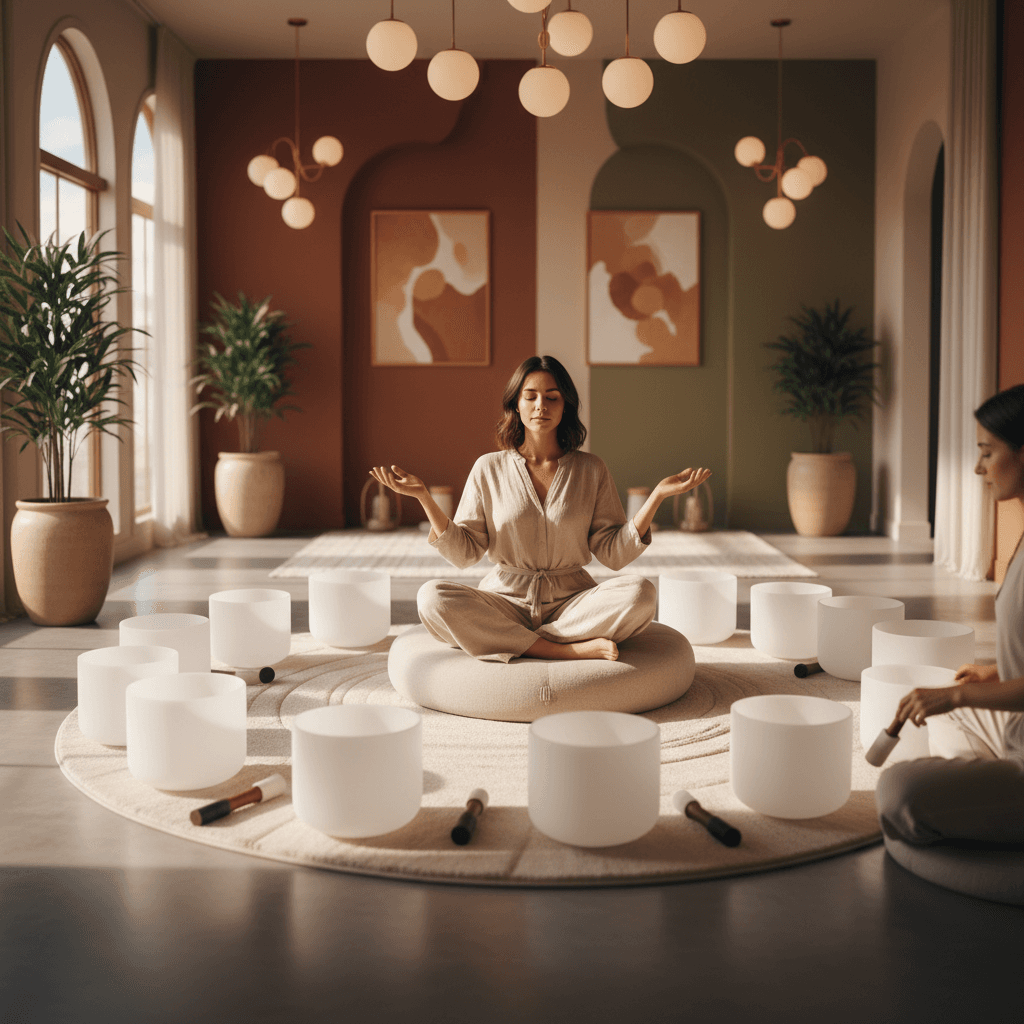
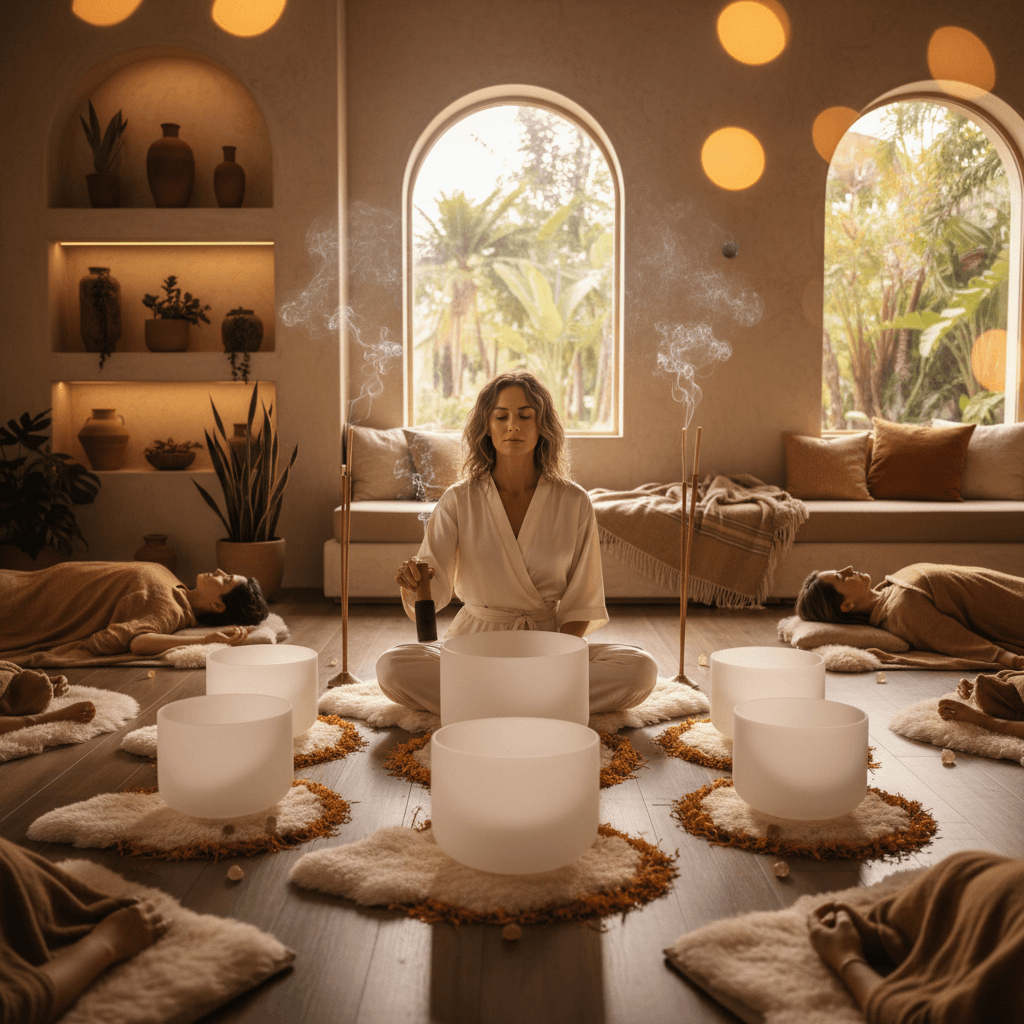
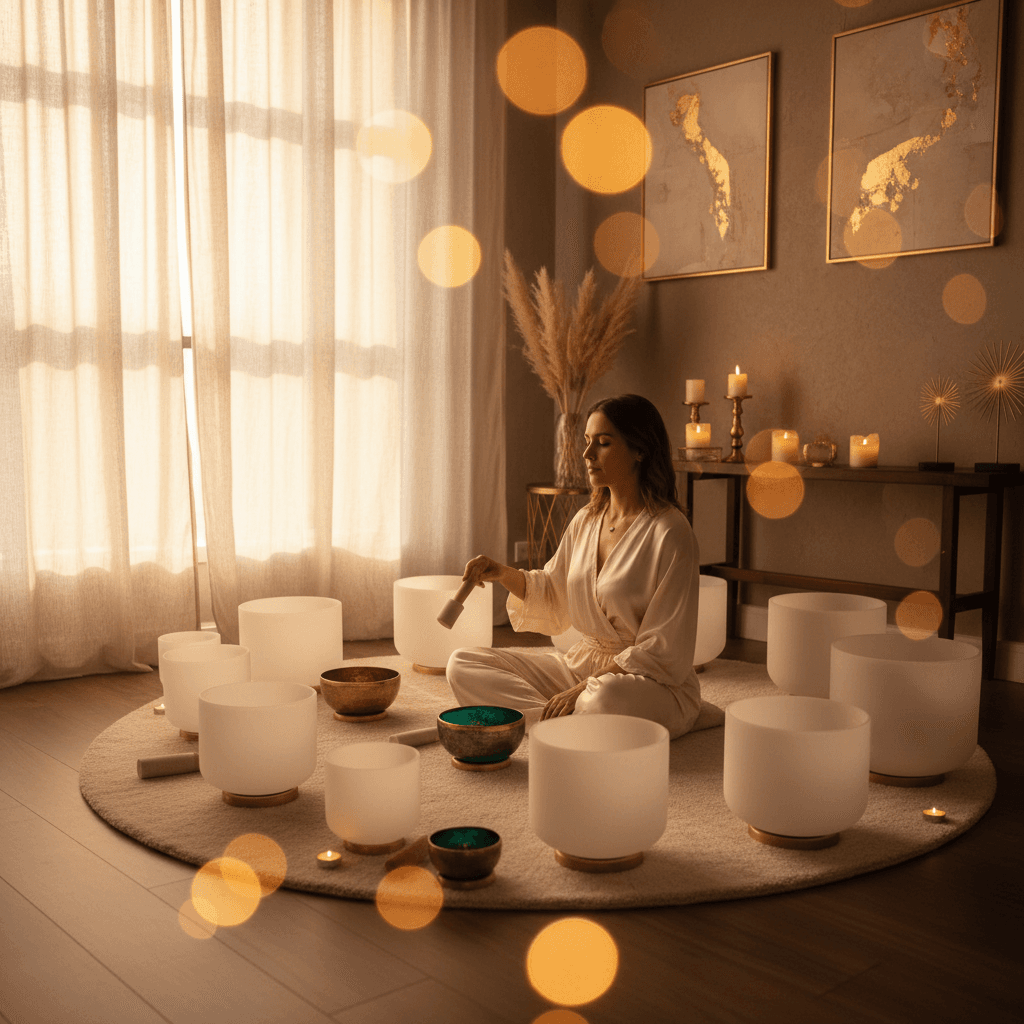
Connecting the scientific principles to a lived experience, sound wellness practices offer a unique, immersive approach to engaging the vestibular system. It's not about listening to music in the conventional sense, but about feeling sound as a rich, multi-sensory input. During a sound wellness session, clients typically lie comfortably, allowing their bodies to fully receive the resonating frequencies and gentle vibrations.
The profound, deep tones of instruments like gongs and singing bowls create a sonic landscape that is felt as much as it is heard. These instruments produce specific frequencies that generate palpable vibrations, which travel through the air, the floor, and directly into the body. As these subtle waves move through tissues and fluids, they gently stimulate nerve endings, potentially including those connected to the inner ear's vestibular structures. This stimulation is not jarring but rather a pervasive, soothing embrace.
Many people report a profound sense of grounding and stability during and after these sessions. The coherent, sustained vibratory input may offer a gentle recalibration for the vestibular system, encouraging a more organized response to gravity and movement. It's akin to giving your internal balance sensors a focused, supportive workout without any physical exertion. This experience fosters a heightened awareness of one's body in space, which is a crucial component of maintaining balance.
The sensory details are key: the rich, enveloping soundscape, the deep hum felt in the chest, the gentle tremor in the limbs. This holistic engagement of the auditory and tactile senses works synergistically to create an environment where the body's natural inclination towards equilibrium can be encouraged and reinforced. This complementary approach supports the body's innate wisdom, promoting a feeling of steadiness and confidence in movement that extends beyond the session itself.
Larissa Steinbach's Vision: Harmonizing Body and Mind at Soul Art
At Soul Art, Dubai's premier sound wellness studio, Larissa Steinbach, our esteemed founder, has cultivated a distinctive approach that harnesses the power of sound and vibration to foster profound wellbeing, including support for balance. Larissa’s vision is rooted in creating a sanctuary where individuals can reconnect with their inner equilibrium, both physically and mentally. The Soul Art method is not merely about listening; it's about deeply experiencing sound as a therapeutic force.
Larissa Steinbach meticulously curates each sound journey, selecting instruments and frequencies with intention. The studio utilizes a diverse array of resonant tools, including hand-beaten Himalayan singing bowls, majestic gongs, crystal bowls, and specialized tuning forks. These instruments are chosen for their ability to produce rich overtones and powerful, sustained vibrations that resonate deeply within the body. The goal is to create a harmonious environment that encourages the nervous system to relax and the body's various systems, including the vestibular, to find a state of coherent balance.
"True balance is not just physical; it's a profound inner state where mind, body, and spirit are in harmony. At Soul Art, we invite you to experience this holistic equilibrium through the transformative power of sound."
The uniqueness of the Soul Art method lies in its personalized attention and the carefully crafted sonic landscapes that cater to individual needs. Larissa and her team guide clients through immersive experiences designed to gently stimulate and regulate the body's sensory systems. By providing a rich tapestry of vibratory input, Soul Art sessions may support the vestibular system in processing spatial information more effectively, potentially contributing to improved postural stability and a reduced perception of unsteadiness. It is a complementary practice focused on holistic wellness, inviting individuals to explore new dimensions of self-care.
Your Next Steps: Cultivating Balance in Daily Life
Embracing the concept of sound wellness for balance is a journey of self-discovery and proactive self-care. While sound wellness is a complementary practice, there are several actionable steps you can integrate into your daily life to support your balance and overall wellbeing. These practices are designed to foster greater body awareness and encourage a more stable physical foundation.
Here are some practical tips you can implement today:
- Engage Your Senses Mindfully: Pay conscious attention to your environment. Notice what you hear, see, and feel under your feet. This heightened awareness can strengthen the integration of your sensory inputs, crucial for balance.
- Incorporate Gentle Movement: Regular, low-impact exercises like walking, Tai Chi, or yoga can significantly improve flexibility, strength, and coordination. These movements help to train your proprioceptive and vestibular systems.
- Prioritize Regular Hearing Checks: Given the established link between hearing and balance, regular audiological assessments can be a valuable part of your fall prevention strategy, especially as you age. Early identification of hearing changes is key.
- Explore Complementary Wellness Practices: Consider incorporating practices like sound baths or vibration therapy into your routine. These sessions offer a unique way to provide gentle, non-invasive stimulation to your body’s balancing mechanisms.
- Hydrate and Nourish Your Body: A well-hydrated and nourished body functions optimally. Proper nutrition supports nerve health and overall physical resilience, both of which are vital for maintaining good balance.
Ready to explore the profound potential of sound for your balance and overall well-being? Soul Art offers a serene environment where you can experience the unique benefits of sound wellness firsthand. Discover how harmonious frequencies and gentle vibrations may support your body's natural equilibrium, fostering a deeper sense of grounding and confidence.
In Summary
Balance is a sophisticated marvel of human physiology, intricately woven with our sensory experiences, including the often-underestimated role of sound and vibration. While fall prevention programs traditionally focus on exercise and vision, preliminary studies and evolving research suggest that auditory input and targeted vibratory stimulation can play a significant, complementary role in supporting the vestibular system. This delicate inner ear system is fundamental to our sense of stability and spatial orientation.
At Soul Art, Larissa Steinbach has pioneered a holistic wellness approach that leverages the power of resonant frequencies and gentle vibrations. Through expertly guided sound journeys, clients may experience enhanced body awareness, improved feelings of groundedness, and support for their natural equilibrium. This complementary practice offers a profound path to cultivate greater stability, confidence, and overall wellbeing. Embrace the harmonious journey to a more balanced you with Soul Art.
Bookings Coming Soon
Soul Art is still in preparation. Session details and booking will be published here after launch.
Coming Soon
Wellness Disclaimer: This article is for educational and informational purposes only. It does not constitute medical advice, diagnosis, or treatment. Soul Art Dubai provides non-medical wellness experiences focused on relaxation, stress management, and general wellbeing. Sound wellness is a complementary practice and should not replace professional medical care.
Related Articles
Downsizing: Navigating Life's Big Changes with Sound Wellness
Restless Legs Relief: Sound Wellness for Deeper Nighttime Comfort
Embracing Age with Inner Peace: Sound Wellness for Acceptance