Crafting Calm: Autism-Friendly Sound Spaces at Soul Art
Key Insights
Discover how Soul Art, led by Larissa Steinbach, creates scientifically-grounded, autism-friendly sound healing spaces for deep relaxation and well-being.
Unlocking Serenity: The Power of Autism-Friendly Sound Healing Spaces
Imagine a world where everyday sounds, often unnoticed by many, can feel like a cacophony of overwhelming stimuli. For individuals on the autism spectrum, this can be a daily reality, making spaces designed for general comfort anything but. But what if sound, traditionally a source of distress for some, could instead become a pathway to profound peace and regulation?
This article delves into the fascinating and evolving field of autism-friendly sound healing, exploring the scientific principles that guide its implementation. We will uncover how carefully curated soundscapes, like those expertly offered at Soul Art by Larissa Steinbach, can foster a unique environment of calm and connection. Prepare to discover the intricate dance between sound, brain, and body, and how thoughtful design can transform the wellness journey for neurodivergent individuals.
The Science Behind Sensory Soundscapes for Neurodiversity
Understanding how sound interacts with the neurodivergent brain is foundational to creating effective sound healing spaces. Research consistently highlights the diverse and intricate auditory experiences of autistic individuals, often encompassing challenges like hypersensitivity and varied responses to stimuli. This unique processing means that a 'one-size-fits-all' approach to sound-based wellness is rarely effective.
Understanding Auditory Processing in Autism
Many autistic individuals frequently experience differences in auditory processing, which can manifest as hypersensitivity (hyperacusis) or even hyposensitivity to certain sounds. What might be a neutral background hum for one person can be an intensely distracting or painful noise for another. This unpredictability and intensity in auditory input often contributes to sensory overload and heightened stress levels.
The brain's intricate pathways for processing sound, emotion, memory, and motor control are highly activated by musical input. Preliminary studies indicate that many autistic individuals may respond quite strongly to structured musical input compared to simple spoken language, suggesting music's potential as a powerful engagement tool. Creating predictable and controlled auditory environments is therefore paramount to promoting relaxation and reducing distress.
The Mechanisms of Sound Healing
The therapeutic potential of sound healing lies in its capacity to influence the body’s physiological and neurological states. Modern research, bridging ancient wisdom with scientific inquiry, reveals several key mechanisms through which sound and vibration may support well-being. These mechanisms are particularly relevant when designing autism-friendly spaces, as they offer pathways to modulate sensory experiences.
One crucial mechanism is brainwave entrainment. Studies, including those highlighted in Frontiers in Human Neuroscience, demonstrate that rhythmic auditory stimulation can gently guide brainwaves towards targeted frequencies. For instance, specific tones can encourage brain activity to shift from high-stress Beta waves to calmer Alpha (associated with relaxation) or Theta states (linked to deep meditation and emotional processing). This shift may support a reduction in anxiety and foster a sense of peace.
Sound also plays a significant role in autonomic nervous system regulation. By stimulating the vagus nerve and promoting diaphragmatic breathing patterns, certain sound frequencies may increase parasympathetic activation, which is the body's "rest and digest" response. Preliminary studies using Heart Rate Variability (HRV) analysis have shown that sound meditation practices can reduce sympathetic nervous system overactivity, helping to alleviate the physical manifestations of stress.
Furthermore, sound vibrations can have cellular and vibrational effects. The concept of resonance suggests that external vibrations can influence the body's cells, potentially aligning them to a healthier state. Research into cymatics, the study of visible sound vibrations on matter, visually demonstrates how sound can organize particles into geometric shapes. Given that the human body is largely composed of water, these vibrational patterns may influence tissues and cells, promoting a sense of harmony and encouraging repair.
Finally, specific sound practices may influence hormonal shifts. For example, some studies suggest that engaging with calming soundscapes can be associated with a reduction in stress hormones like cortisol. Lowering cortisol levels is vital for overall health, potentially improving sleep, reducing inflammation, and mitigating anxiety, all of which can be significant for neurodivergent individuals navigating a sensory-rich world. While evidence regarding sound-based interventions for ASD has shown favourable positive impacts, researchers acknowledge a data paucity and call for more rigorous studies to further clarify effectiveness, yet the existing insights provide valuable direction for wellness practices.
"The symphony of existence profoundly impacts our inner landscape. For neurodivergent minds, this symphony requires thoughtful composition, transforming potential dissonance into harmonious healing."
Crafting Harmonious Environments: Sound Healing in Practice
Connecting the scientific understanding of sound to its practical application involves carefully curating spaces and experiences. For autism-friendly sound healing, this means moving beyond general relaxation techniques to methods specifically designed to accommodate varied sensory profiles and promote a sense of safety and predictability. The goal is to create an environment where the beneficial effects of sound can be fully realized without triggering sensory overload.
Tailored Auditory Experiences
In practice, sound healing for neurodivergent individuals often incorporates several modalities, each chosen for its unique properties and potential to support a regulated nervous system. Music therapy, for instance, when facilitated by a certified professional, utilizes structured musical interactions that are not merely passive listening. This active engagement with music can support improvements in social communication and emotional reciprocity, harnessing music's ability to activate speech, emotion, memory, and motor control areas of the brain.
Another effective approach involves White Noise & Nature Sound Therapy. Consistent, predictable background sounds such as rainfall, gentle forest sounds, or ocean waves can create a stable auditory environment. This predictability helps to calm the nervous system and may reduce sensory overload, allowing the parasympathetic nervous system to activate and promote relaxation and emotional regulation. The steady auditory input provides a subtle anchor in the sensory landscape.
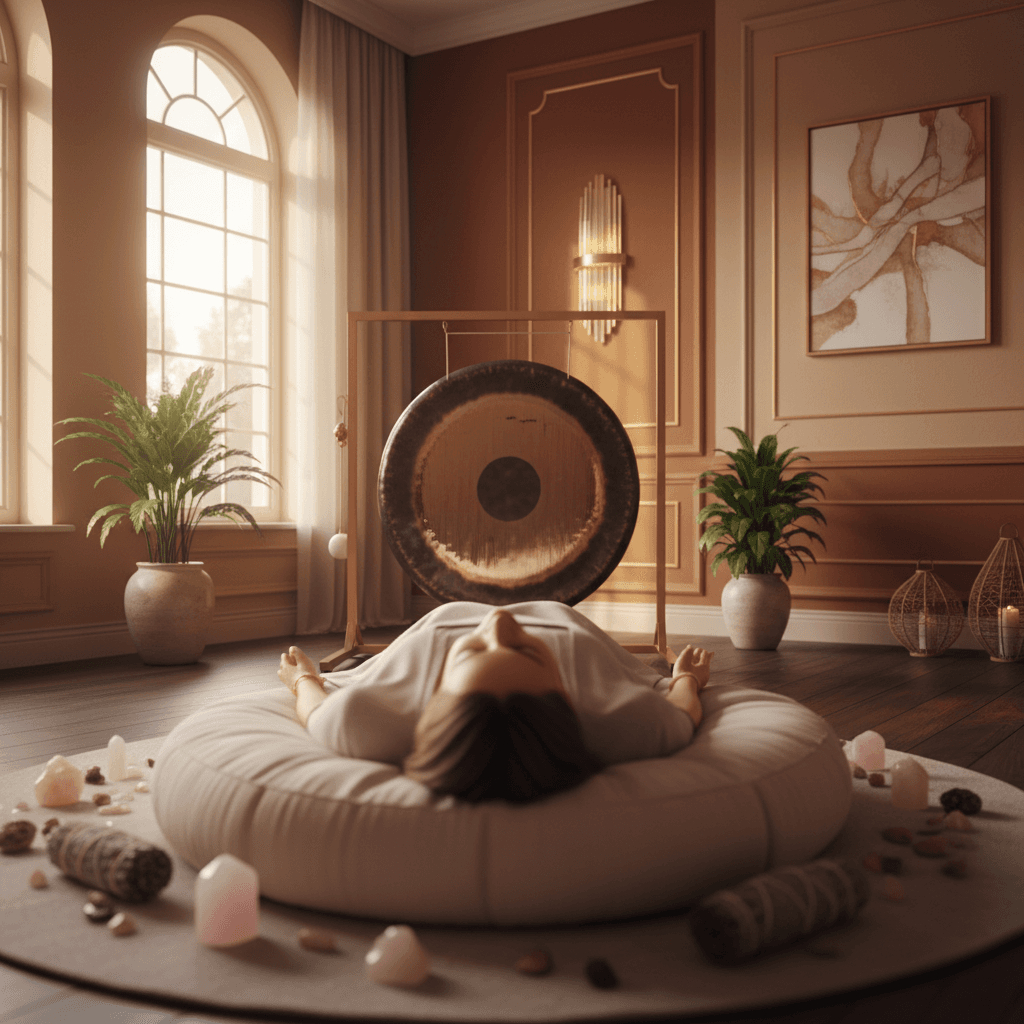
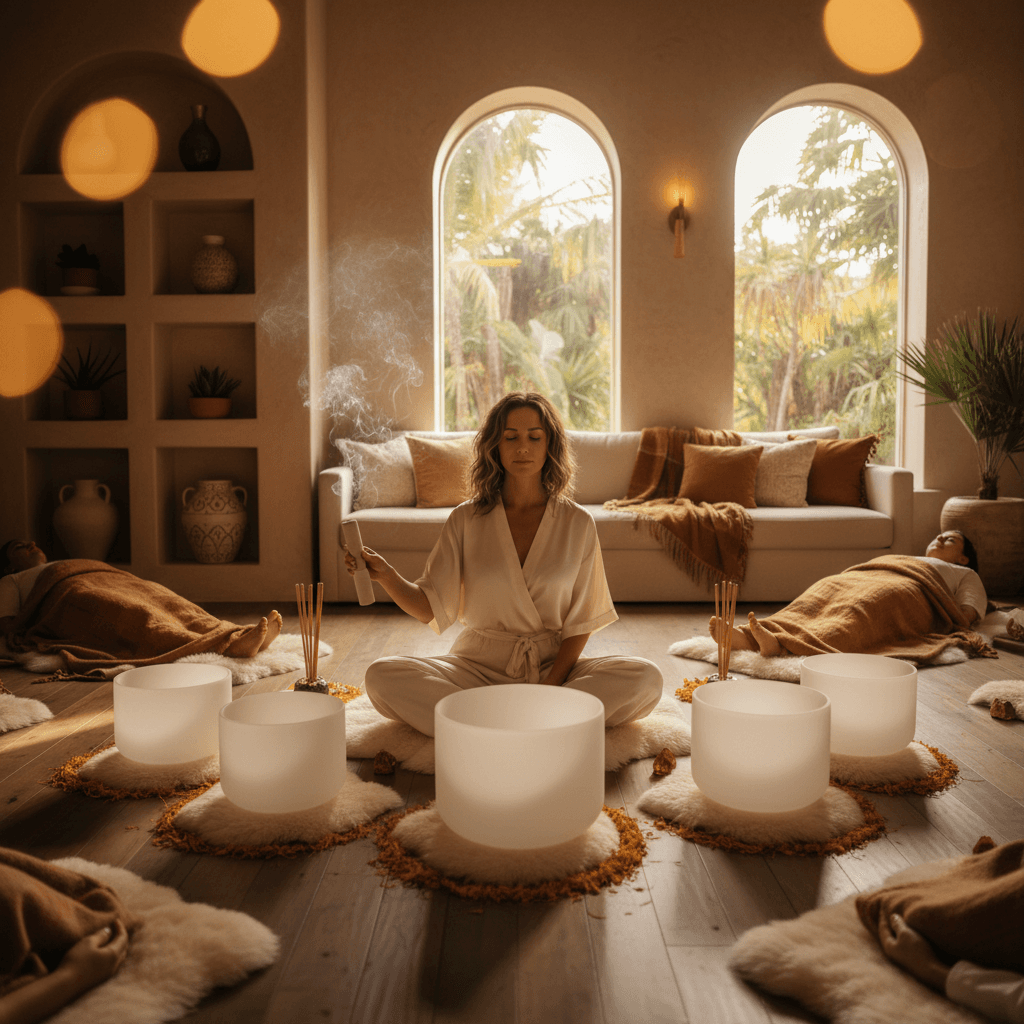
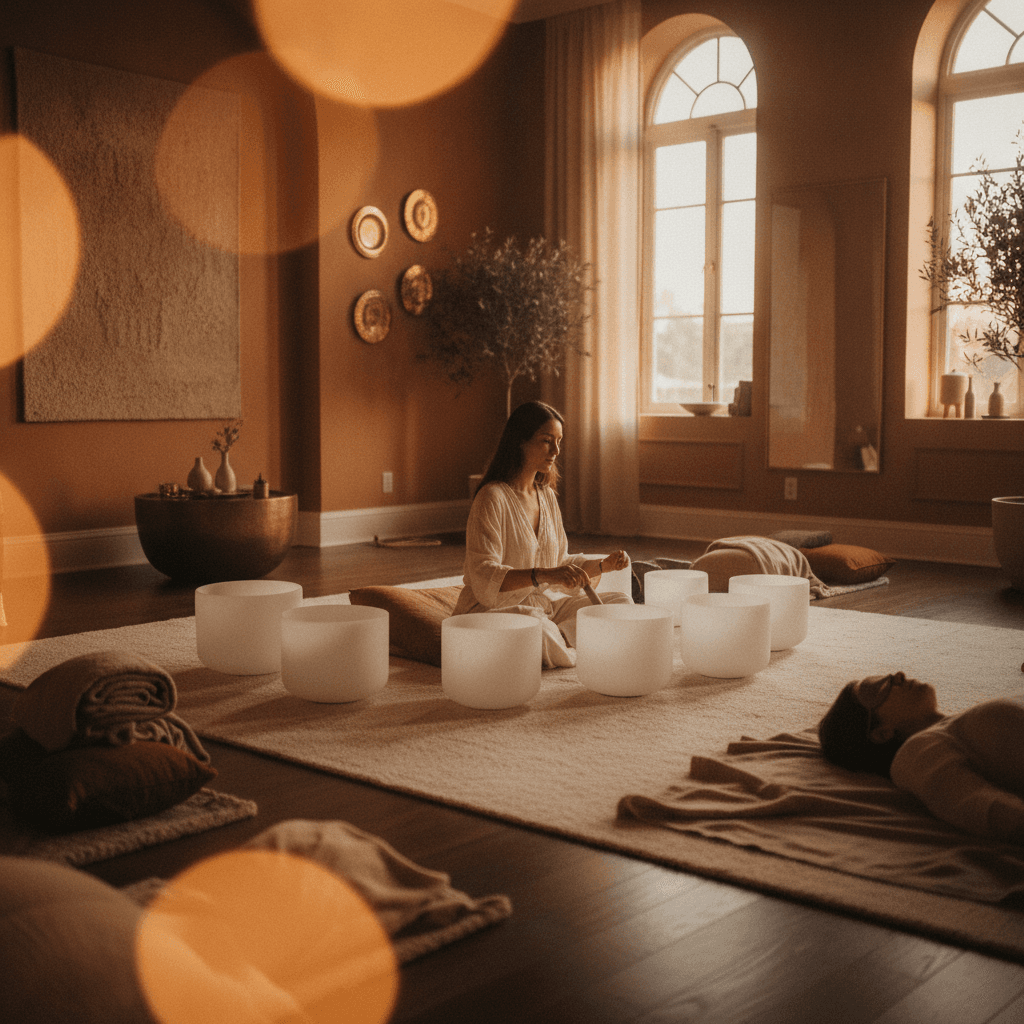
Instruments like Tibetan singing bowls and crystal bowls are often used for their pure tones and resonant vibrations. These instruments produce low-frequency vibrations that can gently synchronize brainwaves, promoting a sense of calmness and clarity. Gongs, when played with extreme sensitivity and control, can also induce deep relaxation through their immersive, resonant sound waves, potentially influencing the cardiovascular system and reducing heart rate. The key is mindful application and careful observation of individual responses.
Beyond Passive Listening: Active Engagement and Comfort
The efficacy of sound healing for neurodivergent individuals extends beyond simply playing sounds; it's about the entire sensory experience within the space. Modifying the built environment is crucial, as highlighted by research on acoustic conditions. This involves careful consideration of factors that affect noise levels, such as spatial layout, sound isolation, and reverberation control. Schools, often described as "sensory hells" due to uncontrolled auditory stimuli, exemplify the necessity of such considerations.
A truly autism-friendly space prioritizes comfort, safety, and predictability. This means:
- Controlled Acoustics: Minimizing external noise infiltration and carefully managing internal reverberation to prevent echo and auditory clutter.
- Predictable Soundscapes: Introducing sounds in a gradual, controlled manner, allowing individuals to adjust and feel secure. Sudden loud noises are strictly avoided.
- Sensory Modalities: Offering options for visual and tactile comfort alongside auditory input. Dim, warm lighting, comfortable seating, and even weighted blankets can complement the sound experience.
- Individualized Sessions: Recognizing that each person's sensory profile is unique. A skilled practitioner will adapt the session based on immediate feedback and known sensitivities.
Clients in such a space might experience a profound sense of release, as if a tight knot within them is slowly unraveling. The gentle vibrations permeating their body, the consistent and soothing background sounds, and the absence of jarring stimuli contribute to a feeling of deep peace. This curated sensory environment can help them achieve states of relaxation that might be difficult to access in everyday settings.
Soul Art Dubai: Larissa Steinbach's Vision for Inclusive Sound Wellness
At Soul Art in Dubai, Larissa Steinbach has meticulously cultivated an environment that transcends conventional wellness spaces, particularly for those seeking an autism-friendly approach to sound healing. Her vision is rooted in a deep understanding of sensory integration and the profound impact of sound on the nervous system. Larissa Steinbach and her team are dedicated to offering a sanctuary where every individual, including those with unique sensory needs, can find profound peace and self-regulation.
The Soul Art method is distinguished by its bespoke nature. Rather than a generic experience, each session is thoughtfully curated, taking into account the individual's sensory preferences and comfort levels. Larissa Steinbach emphasizes the importance of a phased introduction to sound, ensuring that the environment feels safe and predictable from the moment a client steps through the door. This commitment to personalized care is a cornerstone of the Soul Art philosophy.
Specific instruments and techniques are chosen for their calming properties and controlled delivery. Gentle crystal singing bowls, known for their pure, sustained tones, are often utilized to create a consistent, enveloping sound field. Therapeutic gongs are played with a light, intentional touch, producing resonant vibrations that are deeply felt rather than overtly heard, minimizing any potential for auditory overwhelm. The careful selection of frequencies and the absence of jarring sounds are paramount.
Beyond the instruments, Soul Art focuses on the entire sensory environment. The studio incorporates elements of vibroacoustic therapy, where the client may experience gentle vibrations directly through specially designed mats or cushions, allowing for a somatic experience of sound that bypasses auditory hypersensitivities. The lighting is soft and adjustable, the temperature controlled, and the overall aesthetic embodies a "quiet luxury" – sophisticated, comforting, and free from visual clutter, ensuring the space itself contributes to a feeling of grounding and security. Larissa Steinbach's unwavering dedication ensures Soul Art remains a pioneer in inclusive sound wellness.
Cultivating Your Own Sound Wellness Journey
Embarking on a journey of sound wellness, especially with a focus on sensory accessibility, can profoundly enhance daily life. While professional guidance, like that offered by Larissa Steinbach at Soul Art, provides a structured and safe environment, there are also practical steps you can integrate into your routine to foster calm and regulation.
Here are some actionable ways to begin cultivating your own sound wellness journey:
- Create a Personal Sound Sanctuary: Designate a quiet corner in your home free from distracting noises. Use soft furnishings, gentle lighting, and perhaps a comfortable chair to make it an inviting space for sensory calm.
- Explore Nature Sounds Mindfully: Experiment with high-quality recordings of gentle nature sounds like soft rain, ocean waves, or forest ambiance. Pay attention to how different sounds make you feel, noting which ones promote relaxation and which might cause discomfort.
- Practice Mindful Listening: Dedicate a few minutes each day to simply listening to your environment without judgment. Notice the subtle sounds, and if any are overwhelming, acknowledge them without engagement, then gently redirect your attention to a more neutral sound or your breath.
- Integrate Gentle Vibrations: Consider incorporating objects that produce subtle vibrations, such as a purring cat (if comfortable), or even a small, handheld massager on a low setting, to provide calming tactile input alongside auditory experiences.
- Seek Professional Guidance: If you or a loved one are exploring sound healing for specific sensory needs, consider a consultation with a specialist in neurodivergent-friendly sound practices. A tailored approach can make a significant difference in optimizing benefits.
In Summary: A Symphony of Support
The journey into autism-friendly sound healing spaces reveals a profound truth: sound, when intentionally designed, can be a powerful ally for well-being and sensory regulation. We've explored the scientific underpinnings, from brainwave entrainment to autonomic nervous system regulation, and understood how these mechanisms translate into practical, calming experiences. The critical role of predictable, comfortable, and tailored environments cannot be overstated in transforming potential sensory challenges into opportunities for profound peace.
Larissa Steinbach's vision at Soul Art Dubai exemplifies this holistic approach, offering meticulously crafted spaces and personalized experiences that prioritize the unique needs of neurodivergent individuals. By blending scientific insight with compassionate practice, Soul Art creates a sanctuary where deep relaxation and self-regulation are not just aspirations, but tangible realities. We invite you to experience this transformative power and discover a new frequency of well-being.
Bookings Coming Soon
Soul Art is still in preparation. Session details and booking will be published here after launch.
Coming Soon
Wellness Disclaimer: This article is for educational and informational purposes only. It does not constitute medical advice, diagnosis, or treatment. Soul Art Dubai provides non-medical wellness experiences focused on relaxation, stress management, and general wellbeing. Sound wellness is a complementary practice and should not replace professional medical care.
Related Articles
Empowered Choices: The Art of Clarity Without Overexplaining
Unveiling the Power: Photosensitivity & Visuals in Sound Sessions
The Subtle Art of Slow Transitions: Guiding Your Brain to Calm