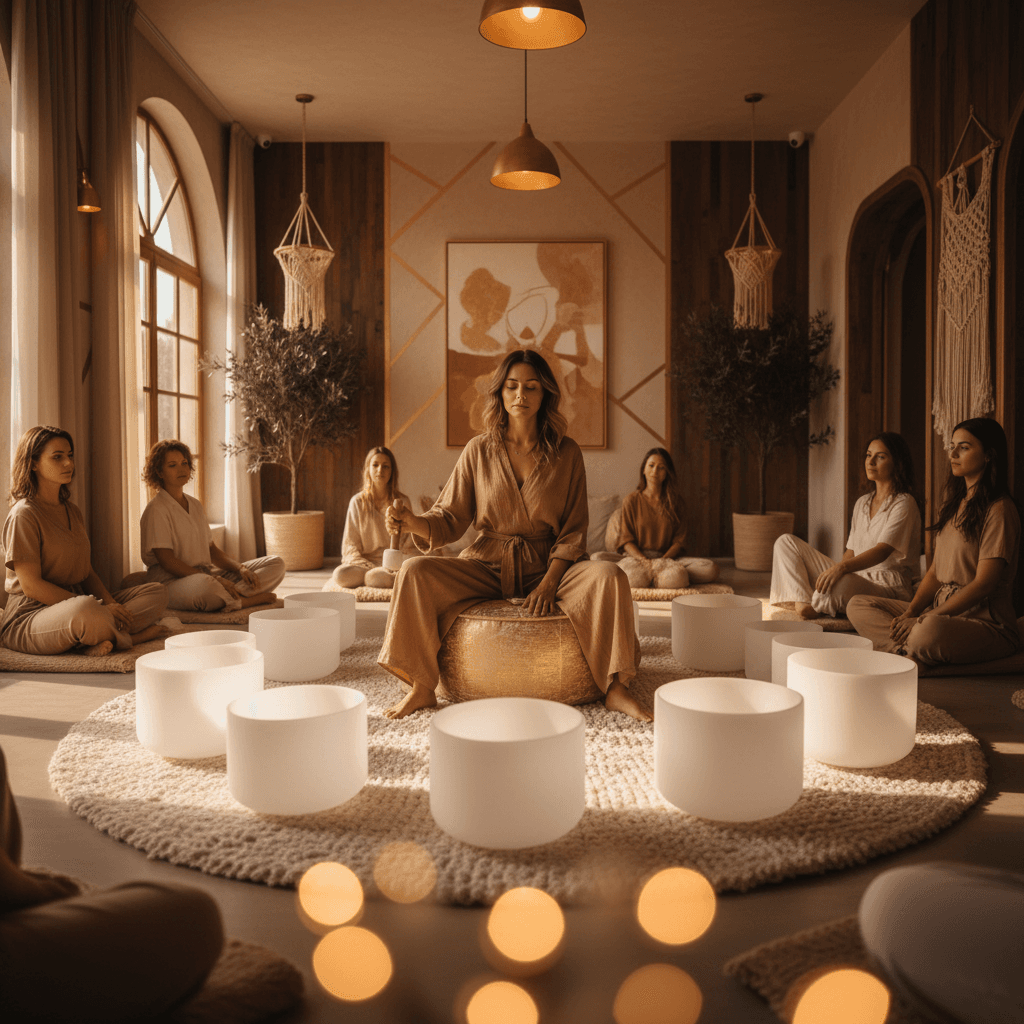
Autism & Sound: Sensory-Safe Wellness Approaches at Soul Art
Key Insights
Explore the science behind sound sensitivity in autism and discover sensory-safe wellness strategies. Soul Art Dubai offers holistic approaches for relaxation and wellbeing.
Imagine a world where everyday sounds – a bustling street, a refrigerator hum, or even a casual conversation – feel like an assault on your senses. For many individuals on the autism spectrum, this is not imagination but a daily reality. Scientific reviews indicate that between 50% to 70% of autistic people experience hypersensitivity to everyday sounds at some point in their lives, a figure significantly higher than the general population. This profound auditory sensitivity can deeply impact an individual's wellbeing, focus, and ability to engage with their environment.
At Soul Art, Dubai’s premier sound wellness studio, founded by the visionary Larissa Steinbach, we understand the nuanced challenges posed by sound. This article delves into the fascinating science behind autism and sound sensitivity, exploring how sensory-safe approaches can foster greater calm and enhanced quality of life. We will uncover the neurological underpinnings, discuss practical strategies, and illuminate how Soul Art’s unique methodology offers a complementary pathway to sensory balance and deep relaxation. Discover how creating thoughtful auditory environments can transform daily experiences and promote holistic wellness for those with unique sound processing needs.
The Intricate World of Autism and Sound Sensitivity
Understanding Auditory Hypersensitivity
The scientific community has made significant strides in understanding why sound profoundly impacts individuals with autism. Research consistently shows that a substantial percentage, ranging from 50% to 70%, experience hypersensitivity to everyday sounds. This heightened sensitivity, often termed hyperacusis, means sounds that are neutral or even pleasant to neurotypical individuals can be intensely distracting, uncomfortable, or even physically painful for autistic people.
This isn't a uniform experience; some individuals may be acutely sensitive to specific frequencies or unexpected noises, while others might tolerate or even enjoy loud, rhythmic sounds. However, for many, this differential auditory processing significantly affects their engagement with daily life, from attending school to participating in social gatherings. The challenges posed by sound sensitivity often extend to difficulties in filtering out irrelevant sights or sounds, impacting their ability to focus and perform tasks in noisy environments.
The Autonomic Nervous System's Role
Beyond conscious perception, research indicates that autistic individuals may exhibit stronger autonomic reactions to noise compared to typically developing children. The autonomic nervous system, responsible for involuntary bodily functions, can react more intensely to sound stimuli. This heightened physiological response manifests as observable signs of stress, such as increased heart rate, changes in sweat gland activity, or behavioral responses like covering ears or attempting to leave loud environments.
These prominent physiological reactions can lead to sensory overload, a state where the individual is exposed to a large volume of sensory information they struggle to process effectively. When the nervous system is in a constant state of alert due to auditory input, it can exacerbate feelings of anxiety and distress, profoundly affecting social engagement and daily activities. Understanding these responses is key to developing supportive interventions.
Brain Activity and Sensory Processing Differences
Studies focusing on brain activity have unveiled distinct patterns of neural responses to sounds in individuals with autism. Imaging research reveals heightened activation in specific brain regions, such as the amygdala and sensory processing cortices, when autistic individuals are exposed to auditory stimuli like noisy traffic. These areas are critically involved in emotional processing and sensory integration.
This increased brain activity highlights fundamental differences in how their brains process sensory information. It suggests an altered neural response to sounds that neurotypical individuals perceive as ordinary, contributing to their heightened sensitivity. Understanding these neurobiological underpinnings is crucial for developing supportive environments and complementary wellness strategies that respect and address these unique sensory processing challenges.
"The profound impact of sound on individuals with autism extends far beyond simple hearing; it's an intricate dance within the nervous system, shaping perception and experience."
The Spectrum of Sensory Experiences
It is important to acknowledge that sound sensitivity exists on a spectrum. While many individuals with autism experience hypersensitivity, some may exhibit hyposensitivity, meaning they are less responsive to certain sounds and may even seek out intense auditory input. This underscores the need for highly personalized approaches to sound environments. Soul Art's philosophy embraces this individual variation, advocating for tailored strategies that honor each person's unique sensory profile.
By continuing to explore this rapidly expanding field, scientists and wellness practitioners can develop better strategies for supporting autistic individuals. The goal is to enhance their quality of life by providing tools and environments that promote sensory regulation and overall well-being. This ongoing research promises valuable insights into common sensory issues, driving forward effective coping strategies.
Cultivating Sensory Harmony: Practical Applications
Connecting the scientific understanding of sound sensitivity to practical, everyday solutions is paramount for enhancing the quality of life for autistic individuals. When sound becomes a source of distress, the environment transforms from a place of engagement to one of avoidance. Therefore, creating sensory-safe auditory environments is a proactive step towards promoting comfort, focus, and overall well-being.
One foundational strategy involves recognizing specific sound triggers. This highly personalized approach means observing and identifying which sounds, frequencies, or volumes cause discomfort or distress. For some, it might be fluorescent lighting hums; for others, unexpected loud noises or crowded environments are the main culprits. Once identified, steps can be taken to mitigate exposure or provide coping mechanisms.
Visual strategies are invaluable in communicating environmental expectations. Teachers and caregivers, for instance, can use signs or symbols to clearly designate quiet areas or times when noise-canceling headphones might be beneficial. These visual cues empower individuals to self-regulate and choose supportive tools, reducing anxiety around unexpected auditory input. The goal is to build sensory awareness and agency.
Noise-suppressing technologies, such as high-quality noise-canceling headphones or earplugs, are widely utilized tools. They can create an immediate personal sound buffer, allowing individuals to navigate challenging environments with greater ease. These technologies provide a sense of control over their auditory input, which can be profoundly calming and reduce the likelihood of sensory overload.
Furthermore, thoughtful tailoring of auditory environments extends beyond merely blocking sounds. It involves creating spaces where secondary sound sources, like surface reflections and reverberation, are minimized. This might mean using soft furnishings, acoustic panels, or even considering the layout of a room to absorb sound rather than bounce it around. The overall goal is to reduce the complexity of the sound environment, making it less overwhelming and distracting.
The experience for clients engaging in these practical approaches is often one of profound relief. Imagine entering a space where the auditory landscape is gentle and predictable, allowing the nervous system to relax rather than constantly being on high alert. This shift can lead to reduced anxiety, improved concentration, and a greater capacity for social engagement and learning. These strategies serve as complementary tools, supporting individuals in managing their unique sensory profiles and fostering a sense of peace within their daily lives.
The Soul Art Sanctuary: A Journey Towards Auditory Well-being
At Soul Art, Dubai's leading sound wellness studio, Larissa Steinbach and her team approach sound sensitivity with profound empathy and scientific insight. Our philosophy is rooted in creating a sanctuary where sound is not a source of stress but a conduit for deep relaxation and nervous system regulation. The Soul Art method is unique because it combines a deep understanding of auditory processing differences with the therapeutic potential of curated sound experiences.
Larissa Steinbach meticulously designs each session to be a sensory-safe haven. This involves careful control over the sound environment, ensuring that frequencies and volumes are introduced gently and intentionally. Our practitioners are attuned to individual needs, allowing for a personalized approach that respects varying degrees of sound sensitivity. The aim is to create an experience that feels safe, calming, and ultimately empowering.
We utilize a diverse range of instruments known for their pure, resonant frequencies, such as crystal singing bowls, Himalayan singing bowls, gongs, and chimes. These instruments produce rich, harmonic overtones that may support the body in entering a state of relaxation. For individuals with autism, these carefully selected sounds can provide a gentle auditory anchor, helping to quiet an overstimulated nervous system without triggering distress.
The Soul Art approach focuses on leveraging these therapeutic sounds as a complementary wellness practice. It aims to help individuals develop a more harmonious relationship with sound, potentially improving their ability to regulate their sensory input in daily life. Sessions are designed to encourage a state of deep rest, allowing the brain and body to process information more calmly and effectively. This focus on holistic well-being underscores our commitment to providing accessible, supportive pathways for everyone seeking sensory balance.
Empowering Your Path: Practical Steps for Sensory Support
Navigating sound sensitivity, whether for yourself or a loved one, begins with informed action and a compassionate approach. Integrating sensory-safe practices into daily routines can make a significant difference in fostering a calmer, more focused environment. Consider these actionable steps to begin your journey towards enhanced auditory well-being:
- Observe and Document Triggers: Pay close attention to specific sounds, volumes, or environments that cause discomfort. Maintaining a journal can help identify patterns and inform personalized strategies for mitigation.
- Create Quiet Spaces: Designate a specific area at home or work that is intentionally quiet and calming. This can be a haven for sensory regulation, equipped with soft lighting, comfortable seating, and perhaps noise-reducing materials.
- Utilize Sound-Dampening Tools: Explore options like noise-canceling headphones or earplugs for use in unavoidable noisy situations. These can offer immediate relief and a sense of control over auditory input.
- Introduce Calming Sounds Mindfully: Experiment with gentle, predictable auditory input in controlled environments. This might include soft nature sounds or carefully curated soundscapes at very low volumes, always observing responses and comfort levels.
- Explore Complementary Wellness Practices: Consider sound wellness sessions as offered by Soul Art. These guided experiences, designed to be sensory-safe, may support nervous system regulation and promote deep relaxation, providing a valuable complementary approach to managing sensory challenges.
Taking these steps can pave the way for a more harmonious relationship with sound. If you are ready to explore the profound benefits of tailored sound experiences, Larissa Steinbach and the team at Soul Art welcome you to discover a path to deeper calm and sensory balance.
In Summary: Embracing a Harmonious Auditory Future
Understanding autism and sound sensitivity is crucial for enhancing the quality of life for many individuals. Scientific research illuminates the heightened neurological and autonomic responses to everyday sounds, highlighting the need for sensory-safe approaches. By recognizing individual triggers, implementing practical strategies like quiet spaces and noise-dampening tools, and thoughtfully tailoring auditory environments, we can significantly reduce distress and promote greater well-being.
Complementary wellness practices, such as those offered by Soul Art under the guidance of Larissa Steinbach, provide a unique pathway to sensory balance. Through carefully curated sound experiences, we aim to support nervous system regulation and foster deep relaxation. The journey towards a harmonious auditory future is one of compassion, informed action, and the powerful potential of sound to soothe and support. We invite you to explore this transformative potential at Soul Art.
Bookings Coming Soon
Soul Art is still in preparation. Session details and booking will be published here after launch.
Coming Soon
Wellness Disclaimer: This article is for educational and informational purposes only. It does not constitute medical advice, diagnosis, or treatment. Soul Art Dubai provides non-medical wellness experiences focused on relaxation, stress management, and general wellbeing. Sound wellness is a complementary practice and should not replace professional medical care.
Related Articles
Moving Home: How Sound Wellness Supports Child Adaptation
Sound Wellness for Sibling Adjustment: Nurturing Family Harmony

Teen Identity & Sound: Self-Discovery for Adolescents at Soul Art Dubai