Assisted Living: Elevating Senior Well-being with Sound Wellness Programs
Key Insights
Discover how sound wellness programs in assisted living can enhance relaxation, cognitive health, and emotional well-being for residents. Explore Soul Art's unique approach with Larissa Steinbach.
Assisted Living: Elevating Senior Well-being with Sound Wellness Programs
Imagine a daily routine transformed, where moments of serenity replace feelings of restlessness, and gentle harmonies invite deep peace. In assisted living environments, where residents often navigate complex emotional and physical landscapes, the pursuit of holistic well-being is paramount. How can we cultivate spaces that not only care for physical needs but also nourish the soul and mind?
This article explores the profound potential of sound wellness programs as a complementary approach to enhancing the quality of life for residents in assisted living facilities. From reducing anxiety to fostering positive reminiscence, the carefully curated frequencies of sound may offer a gentle yet powerful pathway to improved well-being. We will delve into the science behind sound's impact on the human system, observe its practical applications, and unveil the unique methodology pioneered by Soul Art founder, Larissa Steinbach, designed to bring sophisticated tranquility to senior care.
For both caregivers seeking innovative methods and families desiring the best for their loved ones, understanding the benefits of sound wellness opens a new dimension of compassionate care. It’s an invitation to experience the quiet luxury of profound relaxation and cognitive support, enriching the lives of our cherished elders.
The Science Explained: How Sound Resonates with Well-being
The human body is a symphony of vibrations, and sound, with its rhythmic pulses and frequencies, possesses a remarkable ability to influence our physiological and psychological states. This profound connection forms the bedrock of sound wellness, making it a promising area for enhancing senior well-being. Understanding the underlying science reveals why these gentle interventions can yield such impactful results.
Brainwave Entrainment and Relaxation
One of the primary mechanisms through which sound affects our state is called brainwave entrainment. Our brains operate at different electrical frequencies, known as brainwaves, each associated with distinct states of consciousness. For instance, high-frequency Beta waves are linked to alertness and concentration, while lower-frequency Alpha and Theta waves are characteristic of relaxation, meditation, and restorative sleep.
Sound programs often employ specific rhythms and binaural beats designed to guide the brain into these slower, more calming wave states. As the brain synchronizes with these external frequencies, it may naturally transition from states of stress and anxiety (higher Beta) to states of profound relaxation (Alpha and Theta). This shift may support a reduction in mental chatter and promote a sense of inner calm, which is particularly beneficial for individuals in assisted living settings who may experience heightened levels of stress or agitation.
The Auditory-Limbic Connection and Emotional Regulation
Sound is processed in the auditory cortex, but its impact extends far beyond mere hearing. It sends signals to the limbic system, a primitive part of the brain responsible for emotions, memory, and motivation. Key structures within the limbic system, such as the amygdala (involved in fear and emotional processing) and the hippocampus (crucial for memory formation and retrieval), are directly influenced by auditory stimuli.
Research findings have demonstrated that preferred music listening programs can help relieve symptoms of depression and anxiety, as well as promote relaxation, positive reminiscence, and emotional arousal in older adults living in residential aged care (Costa et al., 2018). The ability of familiar or soothing sounds to evoke positive memories and emotions underscores the limbic system's role in processing sound. This connection can foster feelings of comfort, safety, and joy, potentially mitigating feelings of loneliness or displacement often experienced by residents.
Vibrational Resonance and Physiological Harmony
Beyond what we hear, sound creates vibrations that can be physically felt throughout the body. These vibrations can penetrate tissues and cells, influencing physiological processes. Gentle, resonant frequencies, such as those produced by singing bowls or gongs, may support the relaxation of muscles, the release of tension, and the promotion of a deeper sense of physical ease.
While explicit medical claims are outside the scope of wellness, preliminary studies and anecdotal evidence suggest that sound vibrations may have an effect on parameters like heart rate variability and breathing patterns. By encouraging slower, more rhythmic breathing and calming the nervous system, sound wellness practices may support a balanced physiological state. This subtle yet pervasive influence can contribute to overall comfort and a greater sense of well-being, enhancing the body’s innate capacity for self-regulation and rest.
Cognitive Benefits and Mental Engagement
The exploration of sound's benefits has historically focused on individuals with dementia, showing positive outcomes such as reductions in agitation, anxiety, and behavioral symptoms, alongside cognitive benefits like improvements in memory and social interactions (Garrido et al., 2017; Elliott and Gardner, 2018). While direct studies on older individuals without a dementia diagnosis are less prevalent, the foundational principles suggest that engaging with structured sound programs could similarly support cognitive health and mental engagement across a broader elderly population.
"The profound yet gentle influence of sound offers a timeless pathway to inner peace, especially for those navigating the complexities of later life within assisted living settings."
Sound programs can offer a unique form of sensory engagement, stimulating auditory processing and potentially enhancing attention and focus. The act of listening mindfully to a carefully crafted soundscape or engaging with preferred calming frequencies can provide a gentle mental exercise. This engagement may support cognitive agility and offers a delightful departure from routine, introducing moments of novelty and sensory enrichment that are vital for maintaining mental vitality.
How It Works in Practice: The Sound Wellness Experience
Translating the science of sound into tangible well-being for assisted living residents involves a thoughtful, empathetic, and personalized approach. A typical sound wellness session is not merely about playing music; it's about crafting an immersive auditory and vibrational experience designed to soothe, uplift, and connect. The goal is to create an enabling and sustainable opportunity for relaxation and engagement within their daily lives.
The experience often begins in a serene, comfortable setting, whether a dedicated common area or an individual resident’s room. Practitioners, like those at Soul Art, understand the nuances of the environment and the individual's needs, ensuring privacy, comfort, and accessibility. Considerations around physical comfort and potential hearing loss are paramount, influencing the choice between high-quality speakers or specialized headphones, always mindful of ensuring a gentle, non-intrusive sound delivery.
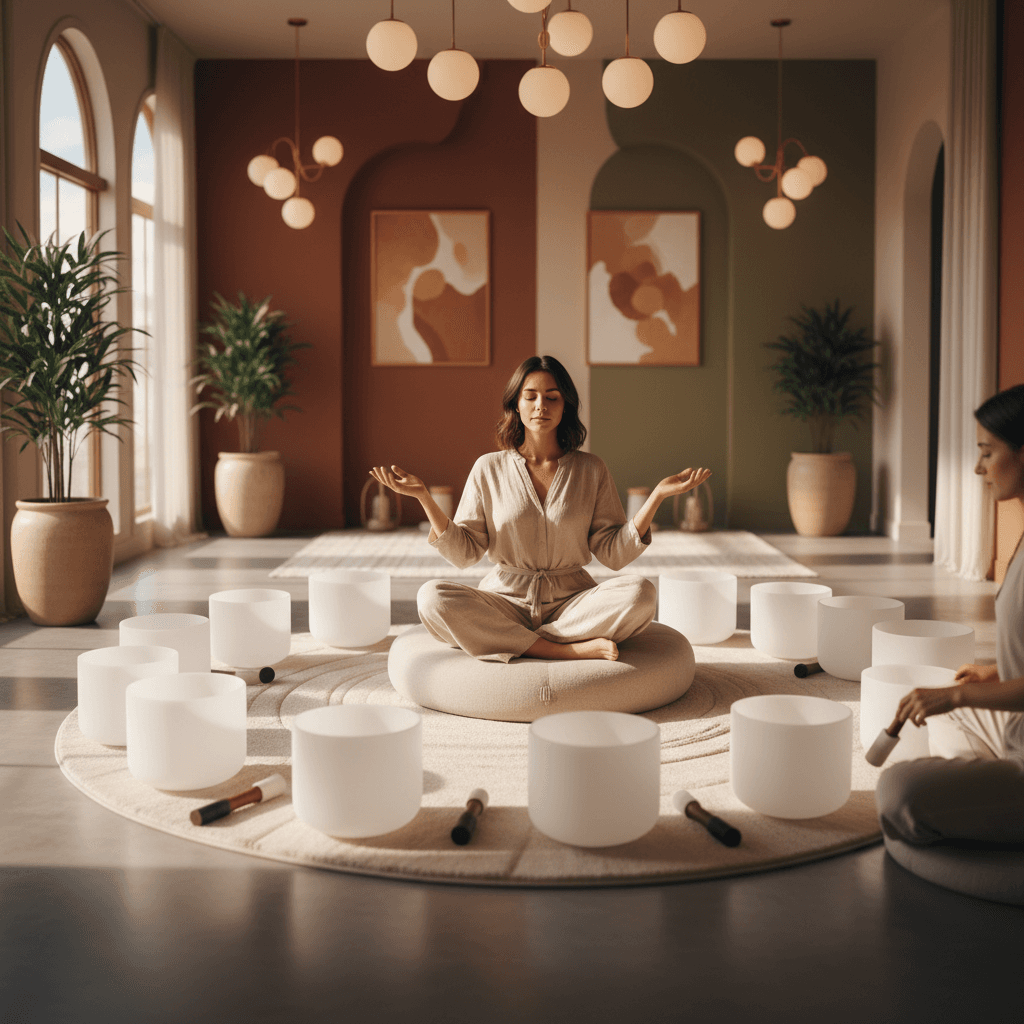
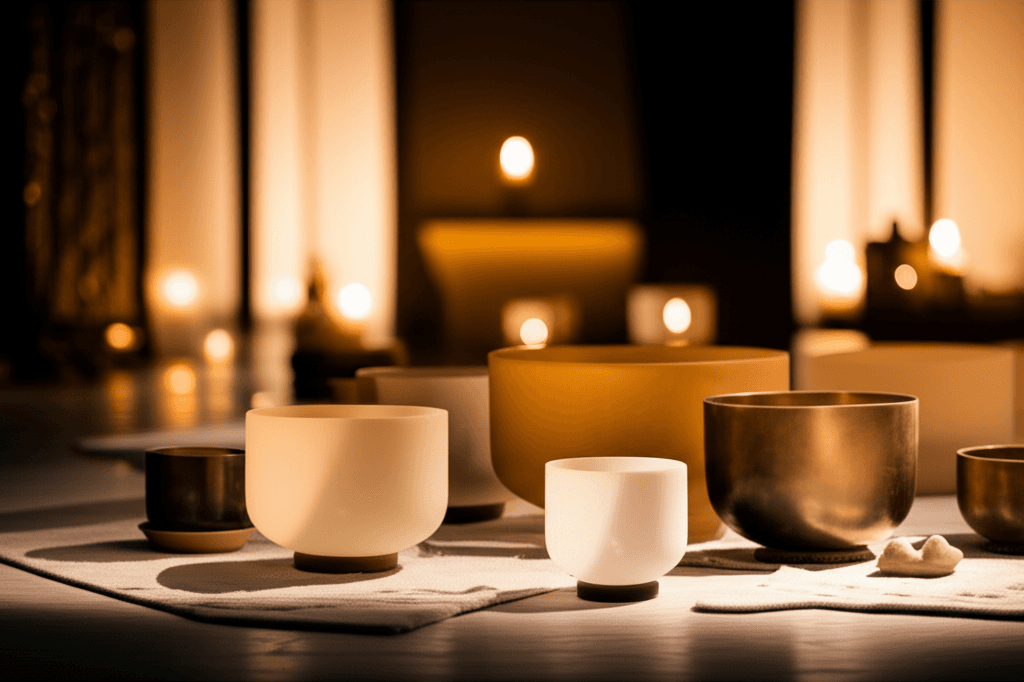
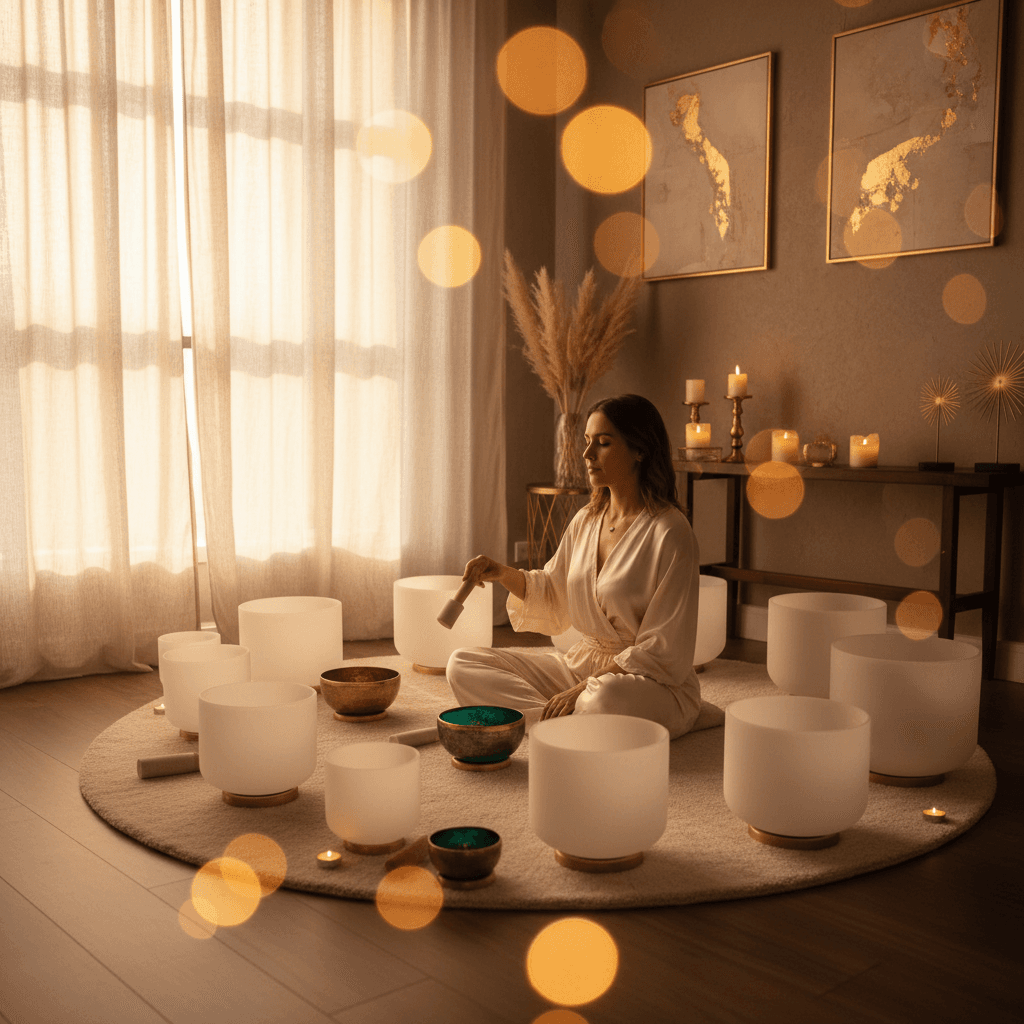
Once settled, residents are invited to simply relax and receive. The journey typically unfolds through a carefully selected array of instruments, each chosen for its unique vibrational quality and harmonic richness. Crystal singing bowls, with their pure, sustained tones, create gentle waves of sound that resonate deeply, often described as profoundly calming. Gongs introduce a rich tapestry of overtones, encouraging a surrender to deeper states of relaxation and a sense of timelessness. Chimes and tuning forks add delicate layers, stimulating the senses and often evoking a feeling of lightness and clarity.
The sensory details are crucial to the experience. Participants often describe feeling the subtle vibrations of the sound washing over their bodies, particularly in moments of deep resonance. This tactile sensation, combined with the auditory input, creates a multi-sensory immersion that bypasses the need for cognitive effort. It's a passive yet deeply engaging activity, where the body and mind are invited to simply be, without expectation or demand.
Personalization is a cornerstone of effective sound programs in assisted living. Recognizing that each resident has a unique history and sensitivity, practitioners may tailor soundscapes based on individual preferences. This could involve integrating sounds reminiscent of nature, gentle ambient melodies, or specific frequencies known to promote certain states, always adapting to ensure maximum comfort and benefit. The aim is to create listening opportunities that resonate personally, fostering positive emotional responses and a sense of familiarity.
Moreover, the sessions are designed to be sustainable, integrating seamlessly into the assisted living schedule. This might involve regular group sessions to foster community and shared experience, or personalized in-room programs delivered via accessible smart devices or specialized sound chairs that allow for individual engagement. The ultimate aim is to provide moments of profound peace and revitalization that become a cherished and anticipated part of a resident’s weekly rhythm, offering a consistent anchor for well-being.
The Soul Art Approach: Larissa Steinbach's Vision for Assisted Living
At Soul Art, Dubai's premier sound wellness studio, Larissa Steinbach has cultivated a distinctive approach that marries ancient wisdom with contemporary scientific understanding. Her vision extends beyond individual sessions, embracing the potential to bring profound tranquility and well-being to communities, especially those in assisted living facilities. The Soul Art method is built on principles of deep personalization, intentionality, and a commitment to creating an atmosphere of quiet luxury and therapeutic efficacy.
Larissa Steinbach’s philosophy centers on the understanding that sound is a powerful conduit for connection – to oneself, to inner peace, and to a greater sense of harmony. For residents in assisted living, this translates into programs meticulously designed to address specific needs, from managing daily stresses and anxieties to fostering cognitive engagement and emotional upliftment. The Soul Art approach recognizes the unique sensitivities of older adults, ensuring that every soundscape is gentle, nurturing, and deeply respectful of individual capacities.
What makes the Soul Art method truly unique in this context is its emphasis on a holistic, integrative experience. It's not just about playing sounds; it's about curating an environment. Sessions often incorporate elements of gentle guided meditation or mindfulness cues, helping residents to deepen their relaxation and connect with the present moment. This conscious guidance, combined with carefully chosen frequencies, elevates the experience from mere listening to an active process of self-care and inner restoration.
The specific instruments used at Soul Art are central to its efficacy. Larissa Steinbach employs a diverse collection of high-quality, resonant tools, including antique Himalayan singing bowls, precision-tuned crystal singing bowls, and a variety of gongs that produce a rich spectrum of therapeutic frequencies. These instruments are played with masterful technique, creating soundscapes that are both intricate and deeply soothing. For instance, the sustained vibrations of the crystal bowls are often used to promote brainwave entrainment towards Alpha and Theta states, known for relaxation and meditative calm.
Furthermore, Larissa Steinbach prioritizes adaptability and accessibility. Recognizing the diverse needs within assisted living, Soul Art develops bespoke programs. This might involve bringing the full immersive experience into a common area, or creating more individualized "sound prescriptions" delivered through personal audio devices for residents in their rooms, particularly beneficial for those with mobility challenges or specific sensory requirements. These programs are designed for ease of integration, ensuring that the benefits of sound wellness are sustained and readily available, contributing to a consistently elevated quality of life for residents.
Your Next Steps: Integrating Sound for Enhanced Well-being
Embracing sound wellness in an assisted living setting, whether for yourself or a loved one, is a meaningful step towards enriching daily life. The benefits of relaxation, emotional balance, and cognitive support are accessible through thoughtful integration. Here are some actionable steps you can consider today:
- Explore Gentle Soundscapes: Begin by experimenting with calming sounds. Look for ambient nature sounds, classical music, or guided meditations featuring soothing tones. Many free resources are available online. Listen for short periods (10-15 minutes) and notice how your body and mind respond.
- Create a Serene Listening Environment: Optimize the space where sound will be introduced. Minimize distractions, ensure comfortable seating, and adjust lighting to be soft and inviting. For individuals with hearing aids, ensure they are comfortable and functional to maximize the auditory experience.
- Advocate for Wellness Programs: If you are a family member or caregiver, discuss the potential of sound wellness programs with the assisted living facility's management. Share the scientific insights from this article and highlight the reported benefits for anxiety, relaxation, and cognitive well-being.
- Prioritize Personalization: Understand that individual preferences matter. What is soothing for one person might not be for another. Seek out programs or resources that offer a variety of sound types and allow for personal choice, respecting unique sensitivities and histories.
- Consider a Professional Consultation: To truly understand how sound wellness can be tailored to specific needs, consider consulting with experts like Larissa Steinbach at Soul Art. They can provide guidance on appropriate frequencies, techniques, and sustainable program implementation for assisted living environments.
By taking these steps, you can begin to harness the gentle power of sound to create a more harmonious and supportive environment, fostering deeper well-being for residents in assisted living.
Bookings Coming Soon
Soul Art is still in preparation. Session details and booking will be published here after launch.
Coming Soon
In Summary: Harmonizing Life in Assisted Living
The integration of sound wellness programs into assisted living facilities presents a transformative opportunity to elevate the quality of life for residents. As explored, the scientific underpinnings of brainwave entrainment, the auditory-limbic connection, and vibrational resonance collectively suggest sound's profound capacity to foster relaxation, mitigate anxiety and depression, support cognitive health, and evoke positive emotions. While research specifically on non-dementia populations is growing, the potential benefits for general well-being are significant.
Practically, sound programs offer a gentle, non-invasive means to create moments of peace and connection. Larissa Steinbach’s Soul Art embodies this philosophy, crafting personalized and accessible sound journeys that respect the unique needs of older adults. By embracing these innovative wellness practices, we can provide senior residents with sophisticated self-care tools, enhancing their emotional, mental, and physical harmony. Soul Art invites you to explore how these curated sound experiences can bring a sense of quiet luxury and profound well-being to your assisted living community.
Wellness Disclaimer: This article is for educational and informational purposes only. It does not constitute medical advice, diagnosis, or treatment. Soul Art Dubai provides non-medical wellness experiences focused on relaxation, stress management, and general wellbeing. Sound wellness is a complementary practice and should not replace professional medical care.
Related Articles
Downsizing: Navigating Life's Big Changes with Sound Wellness
Restless Legs Relief: Sound Wellness for Deeper Nighttime Comfort
Embracing Age with Inner Peace: Sound Wellness for Acceptance