The Sonic Key: Unlocking Emotions with Sound for Holistic Well-being
Key Insights
Explore how sound, like an actor's voice, can profoundly access and regulate emotions. Discover Soul Art's unique approach in Dubai with Larissa Steinbach.
Have you ever been captivated by an actor's voice, feeling their every emotion resonate deep within your own being? The deliberate inflection, the subtle change in pitch, the carefully chosen articulation—these aren't mere vocal tricks. They are scientifically grounded tactics that unlock emotional access, not just for the character, but for the audience as well.
At Soul Art, Dubai's premier sound wellness studio, we harness this profound connection between sound and emotion, guided by our founder, Larissa Steinbach. Understanding how actors wield sound to craft emotional experiences offers a fascinating parallel to how curated soundscapes can support your personal well-being. This article delves into the science behind this powerful phenomenon, explaining how sound acts as a direct pathway to our inner emotional landscape and how you can leverage it for greater balance and self-awareness.
Join us as we explore the intricate ways sound influences our perception, feelings, and overall emotional health. Discover how intentionally designed sound environments can become a sophisticated tool for stress management and profound self-care, enhancing your comprehension of your own enduring emotional legacy.
The Science Explained: The Sonic Architecture of Emotion
Our emotional responses are deeply intertwined with the sounds that surround us, a connection far more primal and influential than many realize. From the subtle nuances of human speech to the immersive qualities of an acoustic environment, sound acts as a powerful catalyst for our feelings. The scientific study of speech sounds, known as phonetics, reveals the critical role of components like articulation, pitch, tone, and intonation in communicating meaning and emotion.
Phonetics: The Blueprint of Emotional Expression
In dramatic performances, actors meticulously manipulate phonetic aspects to convey a vast spectrum of emotions and define character identities. For example, research into British drama adaptations of Tess of the d'Urbervilles highlights how phonetic choices, such as Tess’s country accent, evoke empathy and emphasize her vulnerability, while Alec d'Urberville's polished speech underscores his social status and dominance. These deliberate vocal choices profoundly influence how an audience perceives characters and their intricate narratives. This illustrates how even subtle changes in vocal delivery can significantly impact emotional resonance.
Sound, whether spoken or instrumental, possesses intrinsic acoustic parameters that trigger distinct emotional responses within us. Highly aroused emotions, such as anger, are often associated with faster speech rates and higher fundamental frequencies (F0), which is perceived as pitch. Conversely, emotions like sadness might exhibit lower F0 variability. The conscious manipulation of these acoustic features by actors creates a specific emotional contour that resonates with listeners.
The Intentionality of Sound for Emotional Impact
While professional actors are often assumed to express emotions in a more realistic fashion, studies suggest that acting training can lead to a particular speech pattern that, while effective, might differ from authentic, spontaneous emotional expressions. Interestingly, professionally acted anger has been recognized better than authentic anger, while authentic joy and sadness were sometimes more accurately perceived. This distinction is crucial: it shows that intentional and crafted sound, even if not entirely spontaneous, can be highly effective in conveying and eliciting specific emotional responses.
This intentional encoding of emotion, which may involve higher F0, lower second formants (F2), and greater F0-variability in play-acted emotions, underscores the power of deliberately structured sound. It's not about replicating reality perfectly, but about designing acoustic stimuli to achieve a desired emotional impact. This principle forms the bedrock of sound wellness practices, where carefully chosen sounds and vocalizations are used to guide emotional states. The acting process affects vocal expression in a general way, proving that the deliberate shaping of sound profoundly impacts perception.
Beyond the Voice: Environmental Acoustics and Immersion
The emotional power of sound extends far beyond the human voice. Our human emotions are demonstrably influenced by changes in the acoustic environment itself. Research indicates that environmental sounds have significant emotional power, shaping our perceptions of people and events around us. This phenomenon even provides an empirical basis for the "pathetic fallacy" in the arts, where human emotions are attributed to natural occurrences, like an "angry storm."
Furthermore, nonverbal vocalizations—simple emotional sounds like sighs, laughs, or cries—can be recognized as accurately, and sometimes even more accurately, than facial expressions in conveying emotions such as anger, fear, and surprise. This highlights the profound and direct pathway that non-verbal sound offers to our emotional centers, often bypassing conscious interpretation. The spatial dimension of sound, including the use of 3D audio or headphones, also significantly impacts immersion and emotional engagement, drawing listeners into a rich, enveloping acoustic experience. Diegetic sound, which originates from within a narrative, can provide a higher level of immersion, while music has been shown to increase immersion and reduce feelings of tension and negative affect. These elements collectively demonstrate the sophisticated sonic architecture that shapes our emotional world.
How It Works in Practice: Experiencing Emotional Resonance
The profound scientific understanding of how sound influences emotion is directly translated into practical applications within sound wellness. Just as an actor meticulously crafts a performance to evoke specific feelings, sound wellness practitioners intentionally design soundscapes to guide listeners into states of relaxation, introspection, and emotional release. Clients engaging in sound wellness practices often report a deep sense of connection to their inner selves, finding an accessible pathway to process emotions that may otherwise remain dormant.
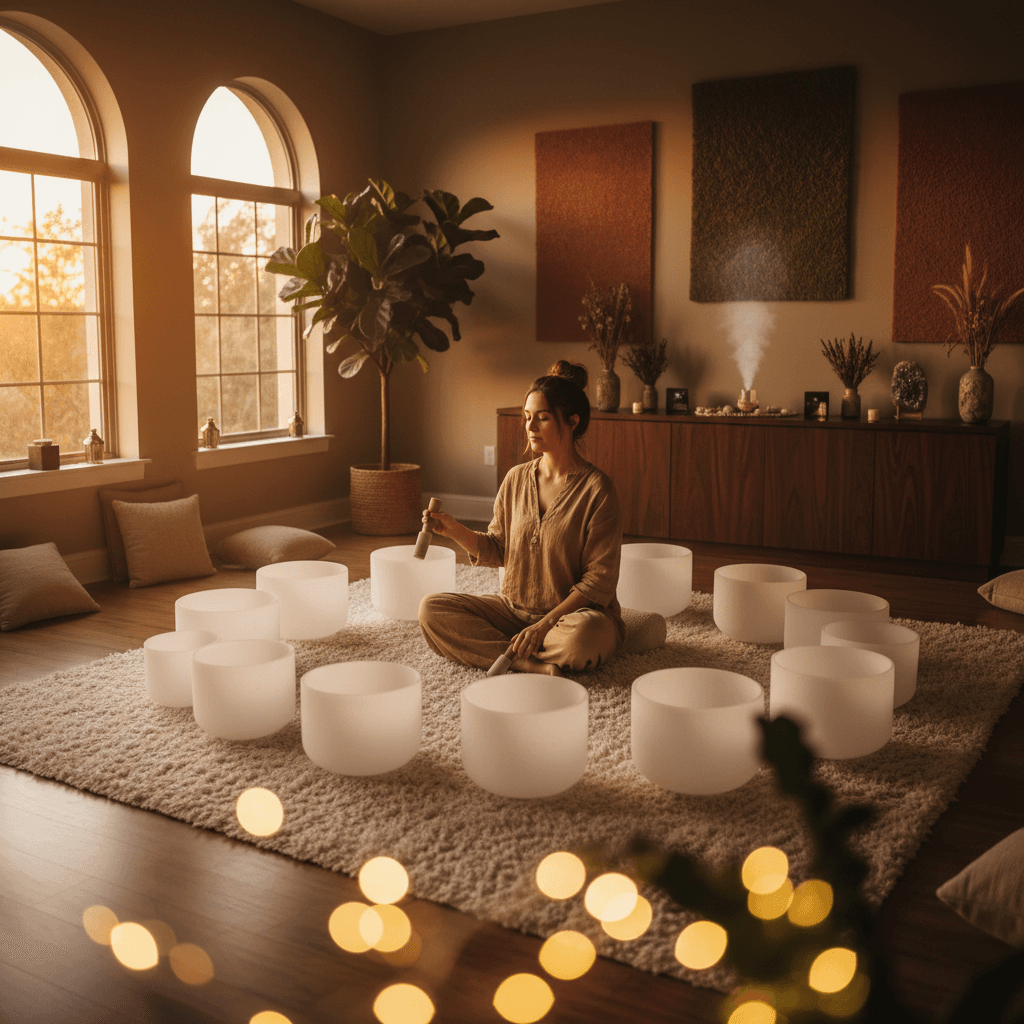
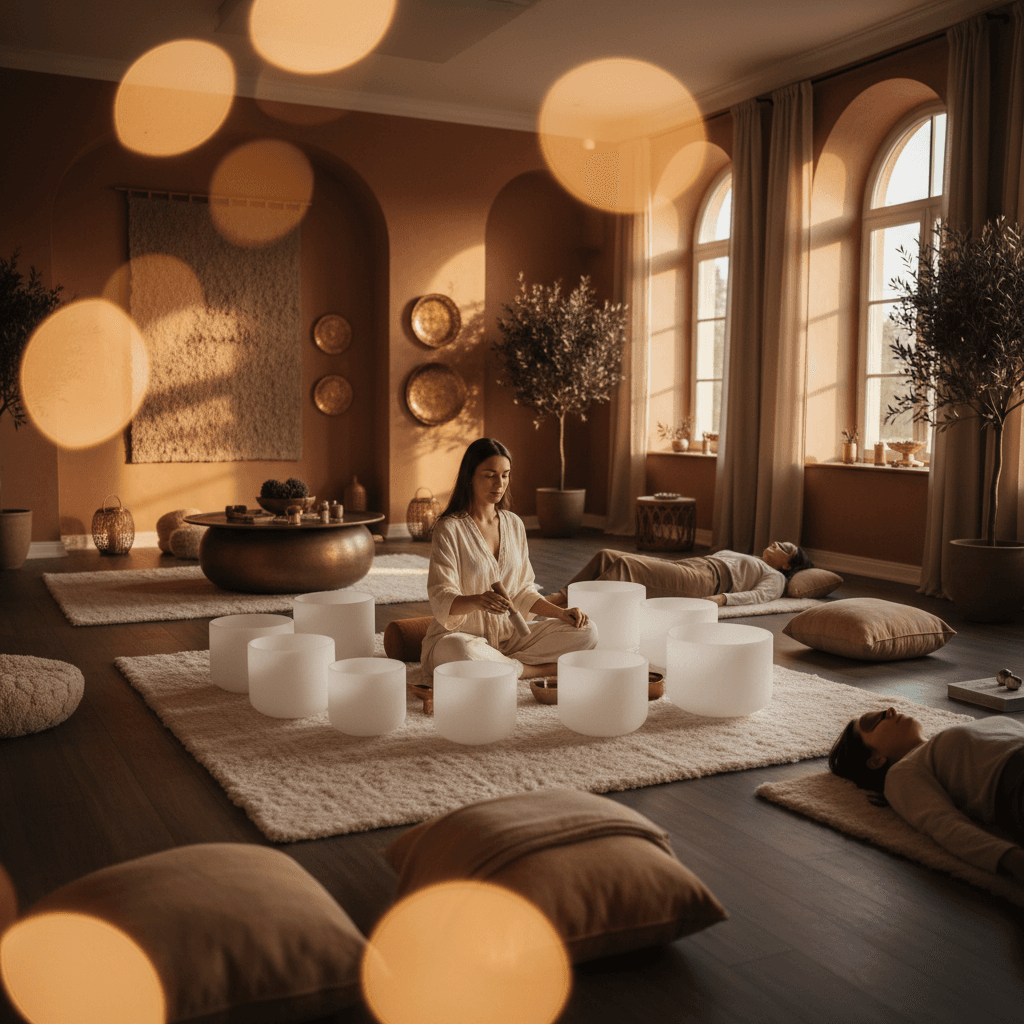
When you immerse yourself in a sound wellness session, you're not just passively listening; your entire being is engaged in a complex sensory experience. The carefully selected instruments—such as crystal singing bowls, gongs, chimes, and therapeutic percussion—produce frequencies and vibrations that resonate through your body. This vibrational input may support the regulation of the nervous system, which is intimately linked to our emotional states.
The sound practitioner, much like a skilled director, orchestrates these acoustic elements to create a specific emotional narrative. You might experience sounds designed to invoke feelings of calm and safety, gradually shifting to frequencies that gently encourage the release of tension or suppressed emotions. Many people report that the lack of verbal instruction in these moments allows for a more direct, intuitive emotional processing, bypassing the analytical mind. It’s an experience where the sound speaks directly to your emotional core.
The spatial localization of sound, often enhanced by the acoustic properties of the studio or the use of specific techniques, contributes significantly to this immersive experience. This creates a feeling of being enveloped, where sounds seem to originate from all around you, drawing you deeper into the present moment. This deep immersion can foster a profound sense of connection, supporting emotional access and release. The subtle shifts in pitch, tone, and rhythm, akin to an actor's nuanced vocal delivery, guide your emotional journey, allowing for a natural unfolding of feelings without the need for conscious effort.
"Sound is a language beyond words, a direct conduit to the soul's deepest chambers, revealing and releasing what needs to be acknowledged."
This deliberate manipulation of acoustic parameters aims to provide a complementary approach to stress management and emotional well-being. It is a holistic wellness practice that recognizes the body’s innate capacity for self-regulation when provided with the right environmental stimuli. The sensory details—the warmth of a vibrating bowl on your chest, the shimmering cascade of chimes, the deep resonance of a gong—all contribute to an experience designed to facilitate emotional processing and profound relaxation.
The Soul Art Approach: Larissa Steinbach's Unique Harmonization
At Soul Art, Larissa Steinbach, our esteemed founder, has meticulously developed a unique sound wellness methodology that masterfully integrates scientific principles with an intuitive understanding of human emotional needs. Her approach is rooted in the recognition that sound is not merely an auditory phenomenon but a vibrational force capable of influencing our entire being. Larissa’s sessions are thoughtfully curated experiences designed to offer a profound pathway to emotional access and nervous system regulation.
Larissa Steinbach draws inspiration from the understanding that actors use specific vocal dynamics to evoke powerful emotions, applying similar precision to her sound design. She orchestrates a symphony of therapeutic instruments, each chosen for its unique vibrational frequency and emotional resonance. The intention behind each sound—whether the grounding tones of a gong, the soothing vibrations of crystal singing bowls, or the ethereal whispers of chimes—is to create an environment conducive to deep emotional exploration and release. This intentionality echoes the deliberate phonetic choices made by actors to shape character and narrative, but here, the narrative is your personal journey towards well-being.
What makes the Soul Art method particularly unique is its emphasis on creating a safe, nurturing space where individuals can surrender to the sound. Larissa Steinbach’s expertise extends beyond simply playing instruments; she intuitively guides the sound journey, responding to the energetic shifts within the space and among participants. This responsive approach helps to address the subtle acoustic differences found in play-acted expressions, where intentionality can sometimes deviate from authentic emotions, by ensuring the sound always serves the client’s authentic emotional needs in the moment. Many people report that this personalized, responsive approach fosters a deeper sense of trust and openness.
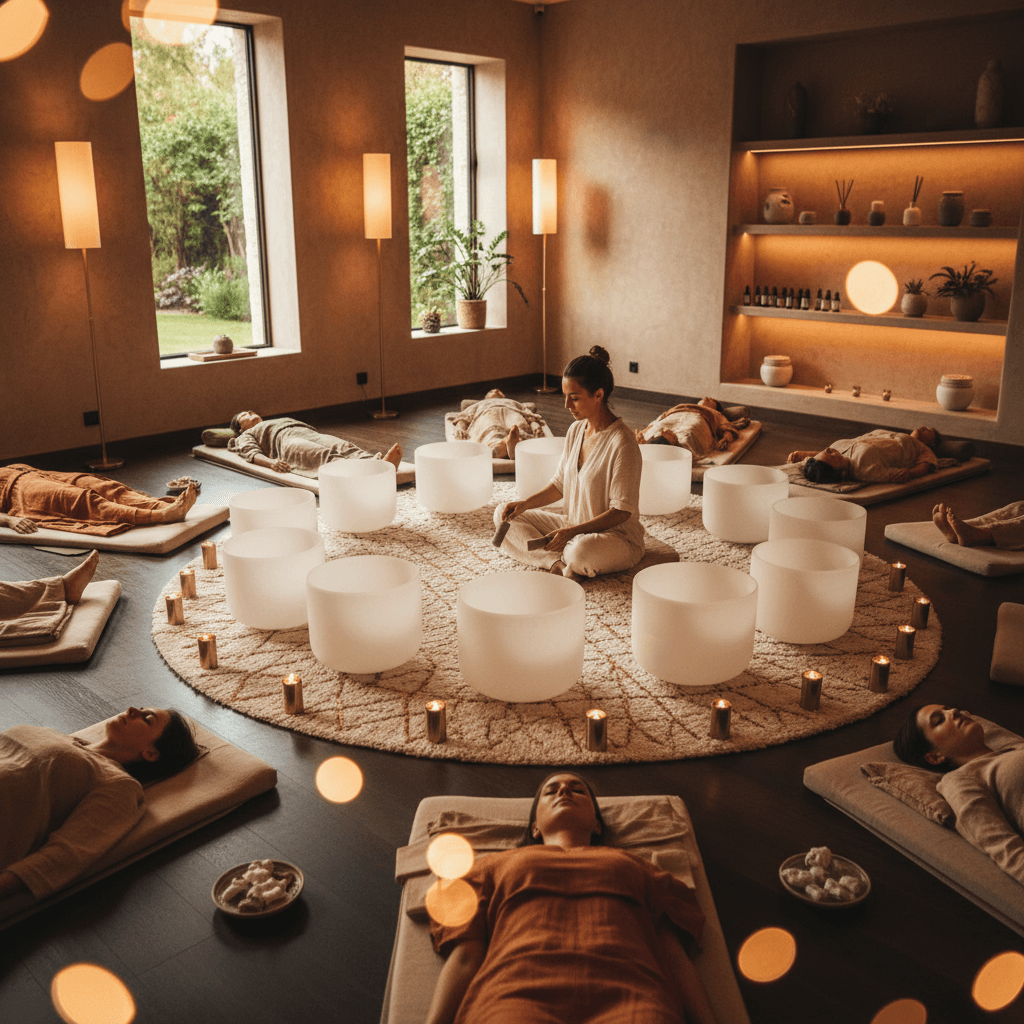
Clients at Soul Art experience a carefully constructed soundscape that may support the release of emotional blockages and reduce stress. The sessions often feature a blend of instrumental harmonies and Larissa's own voice, used as a subtle, non-verbal vocalization to guide the energetic flow, much like how nonverbal affect bursts can communicate emotions very effectively. The spatial arrangement of instruments and the acoustic design of the studio further enhance immersion, creating an enveloping experience that promotes introspection and emotional healing. This holistic wellness practice is a testament to Larissa Steinbach’s vision of empowering individuals through the transformative power of sound.
Your Next Steps: Embracing Sound for Emotional Well-being
Understanding the profound connection between sound and emotion opens up powerful avenues for enhancing your personal well-being. You don't need to be an actor to harness the emotional access that sound provides. Integrating sound wellness into your self-care routine can be a transformative step towards greater emotional balance and clarity. Here are some actionable steps you can implement today to begin your journey:
- Curate Your Own Soundscape: Explore different genres of music or nature sounds that consistently evoke feelings of calm, joy, or introspection for you. Create playlists for specific emotional needs, whether it's for relaxation, focus, or emotional processing. Some research suggests that music can reduce tension and negative affect.
- Practice Mindful Listening: Set aside dedicated time each day to listen attentively to sounds, whether it's ambient environmental sounds or a piece of music. Notice how different acoustic attributes affect your mood and emotional state without judgment. This practice may support increased emotional awareness.
- Incorporate Therapeutic Frequencies: Explore guided meditations or sound bath recordings that utilize specific frequencies or instruments like singing bowls and gongs. Many people report these frequencies help facilitate deep relaxation and stress reduction.
- Experiment with Your Own Voice: Gently hum, chant, or sing, noticing the vibrations within your body. Your own voice is a powerful tool for self-regulation and emotional expression. This can be a simple yet effective self-care practice.
- Seek Professional Guidance: Consider experiencing a guided sound wellness session with a qualified practitioner. The intentional design and expert facilitation of these sessions can offer a deeply immersive and transformative experience, supporting profound emotional access and stress management.
Embracing sound as a tool for emotional access is a gentle yet powerful step towards holistic wellness. It is a complementary approach that can significantly enhance your self-care journey, offering a unique pathway to understanding and harmonizing your inner world.
Bookings Coming Soon
Soul Art is still in preparation. Session details and booking will be published here after launch.
Coming Soon
In Summary: The Unseen Power of Sound
The intricate connection between sound and our emotions, meticulously exploited by actors for centuries, is a powerful avenue for personal well-being. Scientific research underscores how phonetic choices, acoustic parameters, and environmental soundscapes profoundly influence our feelings and perceptions. From the nuanced pitch of a voice to the immersive qualities of a sound bath, sound serves as a direct pathway to emotional access and regulation.
Soul Art, under the visionary guidance of Larissa Steinbach, harnesses this scientific understanding to create curated sound wellness experiences. These sessions offer a unique, non-invasive method for stress management, emotional release, and deep relaxation. By engaging with intentionally designed sound, you can unlock a deeper understanding of your emotional landscape and foster holistic well-being. Embrace the transformative power of sound to navigate your inner world with greater ease and profound peace.
Wellness Disclaimer: This article is for educational and informational purposes only. It does not constitute medical advice, diagnosis, or treatment. Soul Art Dubai provides non-medical wellness experiences focused on relaxation, stress management, and general wellbeing. Sound wellness is a complementary practice and should not replace professional medical care.