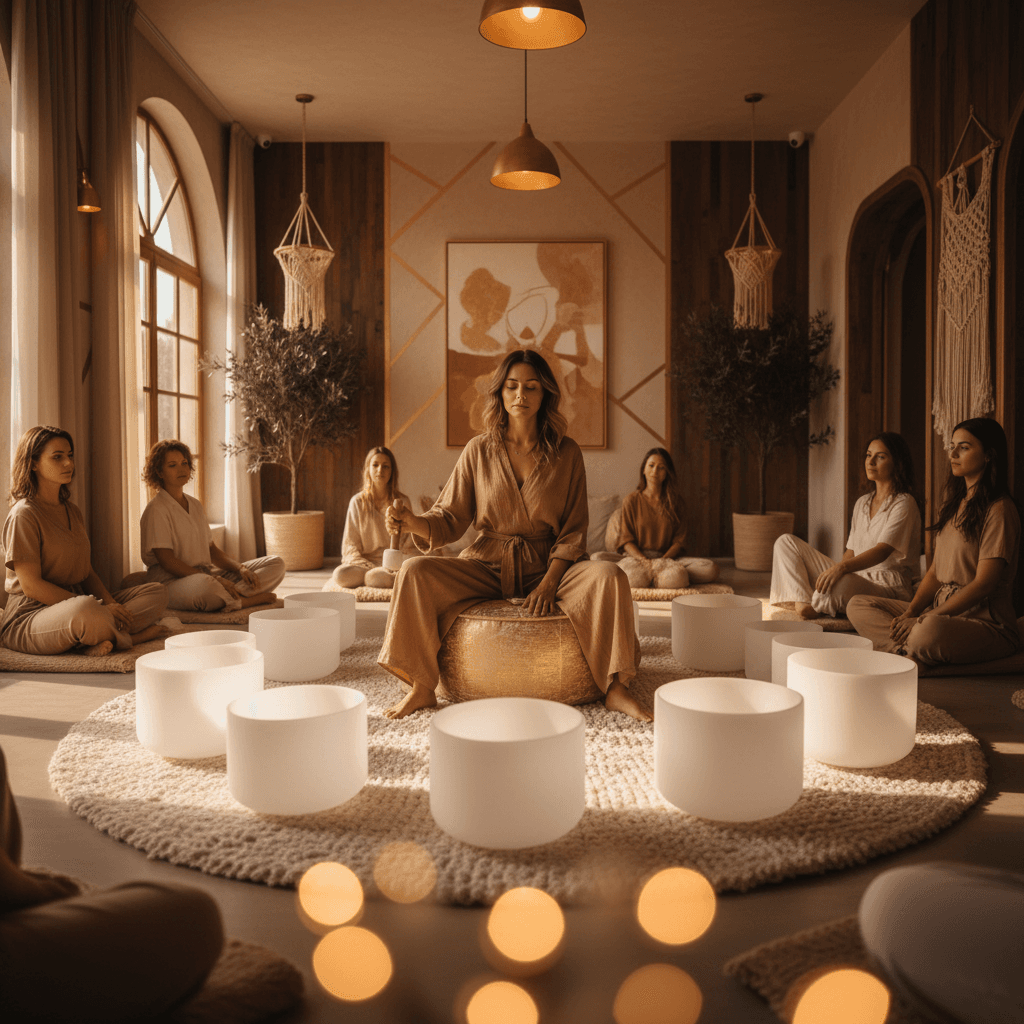
Gentle Sound Therapy for Childhood Anxiety: A Soul Art Approach
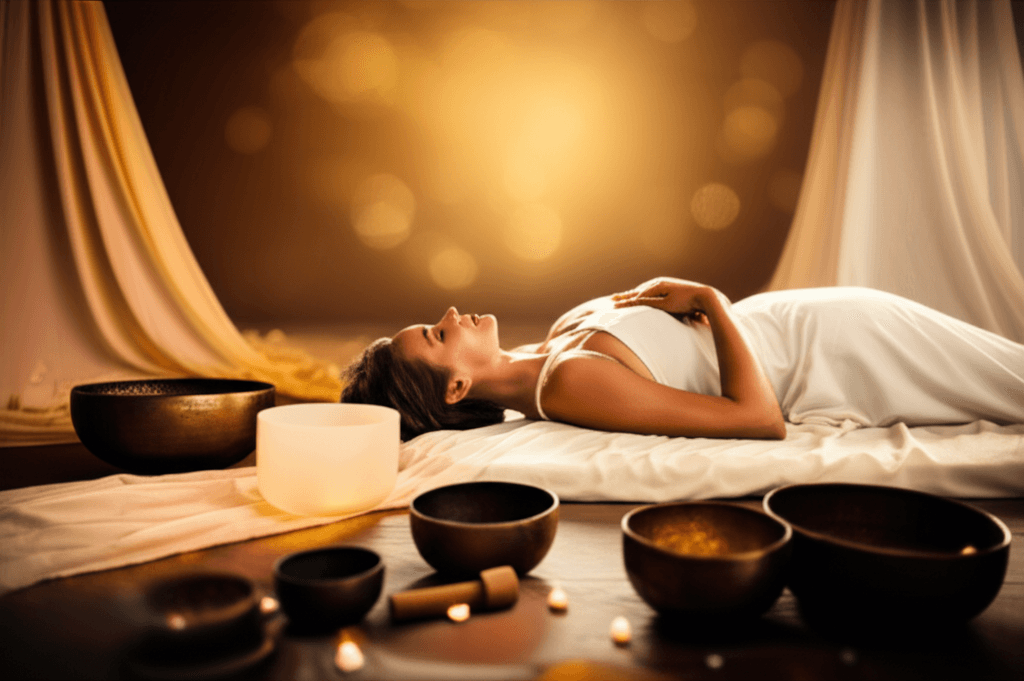
Key Insights
Explore how gentle sound therapy, offered by Larissa Steinbach's Soul Art in Dubai, may support children navigating anxiety with scientific backing and compassionate care.
Gentle Sound Therapy for Childhood Anxiety: A Soul Art Approach
In our fast-paced world, childhood anxiety is an increasingly prevalent concern, affecting millions of young lives globally. Imagine a child grappling with fears that disrupt their daily routines, friendships, and peaceful sleep. While the challenges are immense, what if a profound yet gentle practice, rooted in ancient wisdom and supported by modern science, could offer a comforting embrace?
Many parents seek holistic, non-invasive ways to support their children's emotional well-being. This article delves into the transformative potential of gentle sound therapy, exploring its scientific underpinnings and practical applications for children experiencing anxiety. We will uncover how carefully curated soundscapes, like those offered at Soul Art by Larissa Steinbach, may assist in calming young minds, fostering resilience, and promoting a deeper sense of inner peace.
Join us as we explore how this unique wellness practice provides a sanctuary for children, guiding them towards emotional regulation and a brighter, more serene future.
The Science Explained: Unpacking Sound's Impact on Young Minds
Understanding how sound profoundly influences our physiology and psychology is key to appreciating its potential benefits, particularly for sensitive young nervous systems. The human auditory system is intricately connected to the brain's emotional and regulatory centers, making sound a powerful tool for wellness.
Understanding Childhood Anxiety
Anxiety disorders in children are more than just typical worries; they are persistent, excessive fears that can manifest physically and emotionally, significantly impacting a child's development and quality of life. These disorders may include generalized anxiety, social anxiety, separation anxiety, and specific phobias. The symptoms can range from irritability and difficulty concentrating to physical complaints like headaches or stomach aches.
Early intervention with supportive wellness practices is often considered beneficial. Addressing these concerns compassionately helps children develop coping mechanisms that may serve them well throughout their lives, preventing potential long-term impacts as suggested by some preliminary research.
The Brain-Sound Connection
Sound doesn't just register in our ears; it triggers a complex cascade of neurological and physiological responses throughout the body. When sound waves enter the ear, they are converted into electrical signals that travel to various brain regions, including the auditory cortex, the limbic system (our emotional control center), and the brainstem.
The limbic system, comprising structures like the amygdala (involved in fear processing) and the hippocampus (memory and emotion), is particularly responsive to auditory input. Gentle, harmonious sounds may signal safety to these areas, helping to dampen the "fight or flight" response governed by the sympathetic nervous system. Conversely, these sounds can activate the parasympathetic nervous system, promoting states of rest, digestion, and relaxation.
Another significant mechanism is brainwave entrainment, where rhythmic sound frequencies can guide brain activity towards desired states. For instance, certain sound frequencies are associated with alpha waves (calm wakefulness) and theta waves (deep relaxation and meditation), which are beneficial for reducing anxiety and enhancing emotional regulation. The vagus nerve, a critical component of the parasympathetic system, also plays a role, as its stimulation through specific vocalizations or resonant tones may facilitate a calming effect on the heart rate and overall stress response.
Scientific Evidence for Sound Interventions
A growing body of research supports the use of music and sound-based interventions as complementary approaches for managing anxiety, particularly in pediatric populations. These studies, while often preliminary, highlight promising outcomes.
-
Reduction in Anxiety Symptoms: A meta-analysis of randomized controlled trials examining music therapy (MT) for anxiety showed that MT could significantly improve anxiety during treatment. Goldbeck and Ellerkamp (2012) specifically concluded that MT could assist children with anxiety disorders in reducing anxiety and improving their quality of life. Similarly, Shiranibidabadi and Mehryar (2015) found that MT effectively improved anxiety and depression symptoms in patients with obsessive-compulsive disorder. These findings suggest a direct positive impact on emotional well-being.
-
Emotional and Behavioral Regulation: A systematic review published in PubMed (2024) examining sound-based interventions for children highlighted preliminary evidence for improvements in depression and anxiety symptomatology, along with enhanced behavioral outcomes such as language, listening, and social behaviors. This indicates that sound can do more than just calm; it may foster broader functional improvements.
-
Support During Medical Procedures: Research by Johnson et al. (2021) in the Journal of Pediatric Nursing found consistent and significant evidence that music may reduce anxiety in hospitalized children before and during medical procedures. This demonstrates music-based interventions as a safe and effective adjunct therapy for managing anxiety in stressful situations.
-
Multimodal Approaches: The Journal of Music Therapy published a study by Goldbeck & Ellerkamp (2012) on multimodal music therapy (MMT) for children with anxiety disorders. This approach, which combined regular therapeutic treatments with playing instruments, showed improvements in anxiety levels for participants. This suggests that engaging with sound actively, not just passively listening, may offer additional benefits for emotional expression and communication.
-
Physiological and Psychological Benefits: Emerging clinical evidence, as noted in Physical Well-Being (2024), reveals that structured musical engagement may offer measurable physiological advantages for young patients, diminishing discomfort, lowering stress responses, and improving emotional states. Psychologically, participants in studies demonstrated measurable reductions in anxiety and depressive symptoms, alongside enhanced capacities for emotional articulation and social connection.
While some studies, like Silverman (2011), indicated mixed results for music therapy on anxiety symptoms in psychiatric patients, the overall trend in current research, particularly with children and specific modalities, points towards its potential as a valuable complementary wellness tool. The heterogeneity across studies underscores the need for continued, high-quality research to fully understand the nuanced effects of various sound-based interventions.
How Sound May Influence Emotional Regulation
Gentle sounds provide a non-verbal pathway for children to process and release emotional tension. Unlike verbal therapy, which can sometimes be intimidating or challenging for younger children to articulate complex feelings, sound offers a more intuitive and sensory experience. The sustained tones and vibrations of instruments like singing bowls and gongs can create a deeply immersive environment, allowing the child to feel safe and held.
This sense of safety is crucial for emotional regulation. When a child feels secure, their nervous system can move away from a defensive state and towards one of openness and calm. The consistent, rhythmic nature of certain sounds can provide an anchor, helping children to ground themselves when feelings of anxiety begin to escalate. This creates an opportunity for their emotional landscape to shift and settle, often without the need for conscious effort or direct discussion of their worries.
How It Works in Practice: A Gentle Journey for Children
At Soul Art, a sound wellness session for a child is a carefully curated experience designed to be gentle, engaging, and deeply supportive. It's a journey into a world where sound becomes a comforting friend, guiding young minds toward tranquility.
Upon entering the serene space, children are often greeted with a soft, inviting atmosphere, far removed from clinical settings. They may choose a comfortable spot on a mat or cushion, perhaps surrounded by soft blankets and subtle, calming lighting. The focus is always on creating a sense of safety and wonder, allowing the child to feel completely at ease.
The practitioner, trained in the art of sound facilitation, begins by gently introducing instruments. Imagine the clear, resonant chime of a tuning fork, the deep, earthy hum of a crystal singing bowl, or the shimmering cascade of a rain stick. These are not loud or startling sounds, but rather gentle vibrations that invite curiosity and calm. The sounds are played intuitively, responding to the child's presence and energy, ensuring a personalized and respectful experience.
Children often describe the sensation as being "bathed" in sound or feeling a "gentle hug" from the vibrations. These sensory details are vital; the physical vibrations from the instruments travel through the body, potentially helping to release tension in muscles and quiet the internal dialogue. This non-verbal communication can be particularly effective for children who struggle to express their anxiety verbally.
During a session, children may simply listen, allowing the sounds to wash over them. Some might close their eyes, drifting into a state of deep relaxation. Others might engage in quiet play, draw, or simply observe the instruments, finding comfort in the rhythmic patterns and soothing tones. The absence of pressure to "do" anything allows their nervous system to naturally downshift.
The practitioner acts as a compassionate guide, holding space for the child's experience without judgment or expectation. The goal is not to "fix" anxiety, but to provide a supportive environment where children can learn to self-regulate, build inner resources, and discover their own innate capacity for peace. This gentle, non-invasive approach makes sound wellness a unique and valuable tool in a child's holistic well-being toolkit.
The Soul Art Approach: Larissa Steinbach's Vision for Young Hearts
At Soul Art, Dubai's premier sound wellness studio, the approach to supporting children with anxiety is imbued with a unique philosophy championed by its founder, Larissa Steinbach. Her vision extends beyond merely playing instruments; it's about crafting a sacred, nurturing space where young hearts can find solace and strength through the power of intentional sound.
What makes the Soul Art method truly distinctive is its personalized, empathetic foundation. Larissa Steinbach understands that each child is a unique individual with their own specific sensitivities and needs. Sessions are never one-size-fits-all; instead, they are thoughtfully tailored, adapting the instruments, frequencies, and flow to resonate most effectively with the child present. This level of customization ensures comfort and maximum potential for profound relaxation and emotional release.
Soul Art utilizes a carefully curated collection of high-quality, resonant instruments from around the world. These may include crystal singing bowls, whose pure, sustained tones are known to be deeply calming; Tibetan singing bowls, offering rich, earthy vibrations; gentle gongs that create immersive soundscapes; and various chimes, drums, and subtle percussion instruments that evoke a sense of wonder and tranquility. Each instrument is chosen for its specific vibrational qualities and its ability to gently influence brainwave states and promote nervous system regulation.
"At Soul Art, we believe in the profound simplicity of sound. For children navigating anxiety, it's not about complex interventions, but about creating a resonant sanctuary where they can simply be, feeling safe enough to release, relax, and rediscover their inner calm." – Larissa Steinbach
The environment at Soul Art is meticulously designed to enhance the experience. From the serene aesthetics and calming aromas to the compassionate presence of the facilitators, every detail contributes to an atmosphere of quiet luxury and therapeutic support. This holistic immersion helps children to feel secure and open to the gentle healing vibrations, allowing them to fully surrender to the experience.
Soul Art's method is built on the understanding that sound is a powerful conduit for self-discovery and emotional balance. For children, this means providing a beautiful, safe, and engaging pathway to greater self-awareness and improved emotional regulation, complementing other supportive practices in their lives.
Your Next Steps: Nurturing Calm at Home and Beyond
Witnessing a child struggle with anxiety can feel overwhelming for parents, but there are proactive, gentle steps you can take to foster a more peaceful environment and support their emotional well-being. Incorporating sound wellness, both informally at home and through structured sessions, can be a profound pathway.
Here are some actionable steps you can implement today to help your child navigate anxiety:
- Create a Calming Auditory Nook: Designate a quiet corner in your home where your child can retreat. Introduce soft blankets, comfortable pillows, and gentle sounds. This could be nature sounds, soft instrumental music, or even the subtle hum of a white noise machine. Consistency can create a strong association with calm and safety.
- Observe and Validate Feelings: Pay close attention to your child's anxiety triggers and validate their emotions without judgment. Simply acknowledging their feelings ("I see you're feeling worried about...") can be incredibly reassuring and help them feel understood, fostering a sense of emotional security.
- Introduce Gentle Sounds into Routines: Integrate calming sounds into daily routines. Play soothing music during bedtime stories, quiet playtime, or during moments of transition. Short bursts of gentle chimes or singing bowl sounds can serve as a mindful pause, re-centering attention and easing tension.
- Explore Sound Wellness Sessions: Consider exploring professional sound wellness sessions tailored for children. Studios like Soul Art offer specialized, gentle experiences designed to help children relax deeply and develop emotional regulation skills in a supportive, non-verbal environment. These sessions can complement existing support structures.
- Encourage Expressive Outlets: Beyond sound, provide opportunities for your child to express emotions through art, creative play, or storytelling. Combining these expressive outlets with a foundation of calm fostered by sound can create a robust toolkit for managing anxiety.
Taking these gentle steps can make a significant difference in your child's journey towards inner peace. If you're ready to explore a deeper, professionally guided sound wellness experience for your child, we invite you to connect with Soul Art.
Bookings Coming Soon
Soul Art is still in preparation. Session details and booking will be published here after launch.
Coming Soon
In Summary: A Harmonic Path to Childhood Calm
Navigating anxiety in children requires a compassionate, multi-faceted approach, and gentle sound therapy offers a powerful, non-invasive avenue for support. As we've explored, the scientific community is increasingly recognizing how specific sound frequencies and resonant vibrations may influence the brain's emotional centers, promoting relaxation, reducing stress hormones, and fostering emotional regulation. For young, developing minds, this can translate into measurable improvements in well-being and a greater capacity for peace.
The unique methodology at Soul Art, spearheaded by Larissa Steinbach, provides a nurturing sanctuary where children can experience these profound benefits. By tailoring sound journeys to individual needs, Soul Art helps children unlock their innate ability to find calm and resilience. Embracing sound wellness is a beautiful, holistic step towards nurturing balanced, emotionally secure children, offering them a gentle path to navigate the complexities of life with greater ease and inner harmony.
Wellness Disclaimer: This article is for educational and informational purposes only. It does not constitute medical advice, diagnosis, or treatment. Soul Art Dubai provides non-medical wellness experiences focused on relaxation, stress management, and general wellbeing. Sound wellness is a complementary practice and should not replace professional medical care.
Related Articles
Moving Home: How Sound Wellness Supports Child Adaptation
Sound Wellness for Sibling Adjustment: Nurturing Family Harmony

Teen Identity & Sound: Self-Discovery for Adolescents at Soul Art Dubai