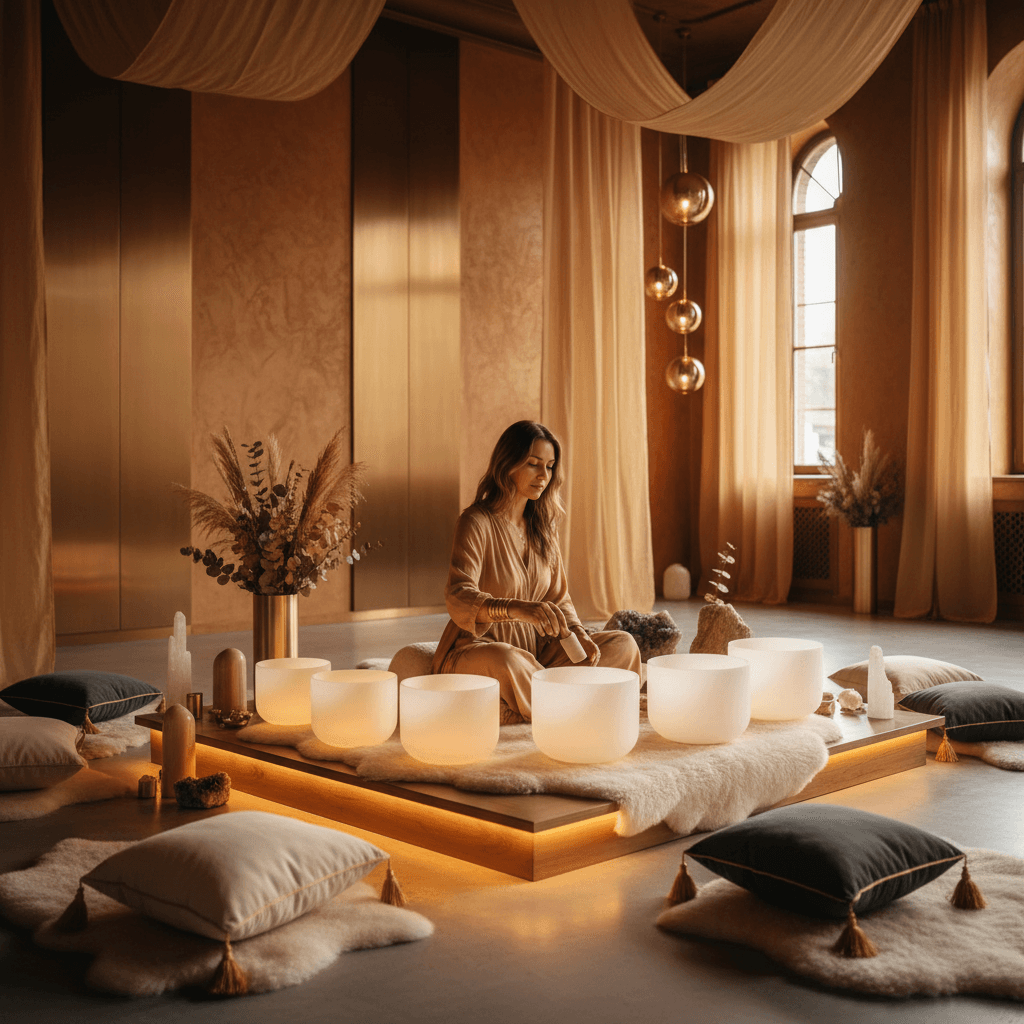
Sound Revival: Conquering the Afternoon Slump for Lasting Focus

Key Insights
Unlock sustained energy and focus with Soul Art's sound wellness. Discover the science behind the afternoon slump and Larissa Steinbach's unique approach.
The Silent Thief of Productivity: Decoding Your Afternoon Slump
Do you ever find yourself staring blankly at your screen around 2 PM, feeling a wave of inexplicable fatigue wash over you? You're not alone. This phenomenon, often dubbed the "afternoon slump" or "post-lunch dip," is a universal experience, affecting countless individuals from busy executives to diligent students. Far from a sign of weakness, this daily dip is a fascinating interplay of our body's natural rhythms and lifestyle choices.
Understanding why your energy plummets in the afternoon is the first step toward reclaiming your focus and vitality. This article will delve into the compelling science behind this widespread challenge, offering evidence-based strategies to navigate it effectively. We’ll explore how intentional sound wellness, as pioneered by Soul Art founder Larissa Steinbach, can offer a profound and sophisticated pathway to sustained clarity and energy, transforming your afternoons from sluggish to sublime. Prepare to unlock a more vibrant, focused version of yourself.
The Rhythms of Our Energy: Decoding the Afternoon Slump
Our experience of alertness is governed by intricate biological processes, not merely our willpower. The afternoon slump is a prime example of these forces at play, revealing how sensitive our bodies are to internal and external cues. Delving into the science allows us to understand this phenomenon with greater clarity.
The Two-Clock System: Circadian Rhythms and Sleep Pressure
The core reason for our afternoon drowsiness lies in what scientists call a "two-clock system." This involves two competing forces: our circadian rhythm and sleep pressure. Your circadian rhythm is your internal biological clock, orchestrating periods of alertness and drowsiness over approximately 24 hours. Naturally, there's a dip in alertness in the early afternoon, distinct from your nightly sleep period.
Simultaneously, sleep pressure steadily builds the longer you are awake. Think of it like a battery gradually draining throughout the day. When these two forces – the natural circadian dip and increasing sleep pressure – converge in the afternoon, the drive to sleep often becomes dominant, leading to that undeniable wave of fatigue.
The Impact of Lunch Choices and Digestion
While the afternoon slump has a biological basis independent of meals, our lunch choices can significantly amplify or mitigate its effects. The scientific literature refers to this post-meal drowsiness as "postprandial somnolence." Heavy, rich meals require considerable energy for digestion, diverting blood flow from the brain to the gut.
A driving simulator study, cited by Brain Zone, compared light lunches (around 305 calories) to heavy ones (approximately 922 calories) in sleep-restricted individuals. Participants consuming the heavy lunch, which contained three times the fat and twice the carbohydrates, showed significantly more lane drifting incidents and EEG patterns consistent with sleepiness. This performance divergence appeared later, coinciding with the peak digestive and blood sugar effects, highlighting the delayed impact of meal choices. For optimal afternoon alertness, a lunch around 300-400 calories, emphasizing protein and low-glycemic carbohydrates, is generally recommended over a large meal heavy in refined carbs and fats.
The Amplifying Effect of Sleep Debt
Perhaps nothing magnifies the afternoon slump more than accumulated sleep debt. This is the cumulative difference between the amount of sleep your body needs and the amount you actually get. Most people dramatically underestimate how impaired they become due to insufficient sleep.
A landmark study by Van Dongen and colleagues at the University of Pennsylvania vividly illustrated this. Healthy adults were assigned to sleep either 4, 6, or 8 hours per night for 14 consecutive days. After just 14 days of 6-hour sleep, participants performed as poorly on cognitive tests as those who had been completely sleep-deprived for two consecutive nights. This profound finding underscores that chronic sleep deprivation makes the afternoon slump exponentially more challenging to overcome.
"The afternoon slump isn’t laziness – it’s a biologically explainable dip. With the right strategies, you can regulate your rhythm and stabilize your nervous system." – Adapted from iüLabs UK
Reclaiming Your Afternoon: Beyond Caffeine and Naps
Understanding the science empowers us to move beyond simply enduring the afternoon slump or relying on quick, often temporary, fixes like excessive caffeine. We can implement strategic interventions that work with our body's natural rhythms to restore focus and vitality. While a short, strategic "caffeine nap" (coffee followed by a 20-minute rest) has been shown to boost alertness, sustainable energy comes from a more holistic approach.
Traditional advice often includes getting up and moving, ensuring hydration, and making smarter snack choices. Light exercise, such as a 20-30 minute walk after lunch, can significantly increase blood flow, reduce stress, and shift the brain into a calmer yet more focused state. Proper hydration, too, is fundamental, as even mild dehydration has been associated with reduced cognitive performance and mood disturbances. These are foundational elements for managing energy levels.
However, beyond these practical adjustments, an increasingly recognized and sophisticated tool for nervous system regulation and cognitive enhancement is sound wellness. Sound interacts with our bodies at a vibrational level, offering a unique pathway to shift our mental and physiological state. Calming, low-tempo soundscapes, for instance, are known to activate the parasympathetic nervous system, which is responsible for "rest and digest" functions, rather than the "fight or flight" response. This activation helps to reduce cortisol levels, ease stress, and promote mental recovery, creating an internal environment conducive to sustained focus.
Clients often report a profound sense of peace and mental clarity after engaging in sound experiences. The enveloping nature of specific frequencies and carefully curated sound environments can quiet the mental chatter, allowing the brain to enter states associated with deep relaxation and heightened awareness. This shift can be especially potent in the afternoon, gently nudging the brain away from sluggishness and back towards an optimal state of cognitive function. Sound can serve as a sophisticated, non-invasive method to recalibrate your internal balance, supporting enhanced neuroplasticity and overall cognitive well-being.
Soul Art's Sonic Sanctuary: Larissa Steinbach's Method for Revival
At Soul Art, Dubai’s premier sound wellness studio, Larissa Steinbach has meticulously crafted an approach that leverages the profound power of sound to address modern challenges like the afternoon slump. Her method transcends mere relaxation, offering a sophisticated and scientifically-informed pathway to re-establish energetic balance and mental acuity. Larissa's expertise lies in curating immersive sound experiences designed to harmonize the body's internal rhythms.
The Soul Art method begins with an understanding that the external "noise" of daily life, both auditory and mental, can significantly impair cognitive function and contribute to stress. While high decibel noise levels have been shown to reduce cognitive performance, carefully selected and gentle sound frequencies can have the opposite effect. Larissa Steinbach utilizes a bespoke collection of instruments, including Himalayan singing bowls, crystal singing bowls, gongs, and chimes, each chosen for its specific vibrational qualities. These instruments are played with intention, creating a rich tapestry of sound waves that resonate deeply within the body.
During a Soul Art session, clients are enveloped in a multi-sensory experience. The gentle yet powerful vibrations interact with the body's cellular structure, promoting a sense of coherence and calm. This vibrational input helps to down-regulate the sympathetic nervous system, reducing the physiological markers of stress, such as elevated heart rate and cortisol levels. As the body relaxes, the mind naturally follows, transitioning from a state of afternoon fatigue to one of relaxed alertness.
Larissa's unique approach focuses on guiding participants into deeper states of relaxation where mental clarity can naturally emerge. This carefully orchestrated process helps to alleviate the sleep pressure and circadian dip that define the afternoon slump. The sessions at Soul Art are more than just a break; they are an active intervention, a "sonic reset" that supports the brain's ability to maintain focus, enhance mood, and improve overall cognitive function without the need for stimulants. It's a sophisticated self-care practice designed for those who seek to elevate their daily performance and well-being.
Cultivating Sustained Focus: Actionable Steps
Overcoming the afternoon slump is an achievable goal, requiring a mindful combination of lifestyle adjustments and sophisticated self-care practices. Integrating these strategies into your daily routine can lead to significant improvements in your energy, focus, and overall well-being. Remember, small, consistent changes can yield powerful results.
Here are some practical steps you can implement today:
- Optimize Your Lunch: Choose a light, balanced meal rich in protein and low-glycemic carbohydrates (e.g., grilled chicken salad with quinoa, lentil soup, or a lean turkey wrap with vegetables). Avoid heavy, fatty, or sugary foods that demand significant digestive effort.
- Prioritize Nocturnal Sleep: Adequate nighttime sleep remains the cornerstone of sustained daytime cognitive performance. Aim for 7-9 hours of quality sleep nightly to minimize sleep debt and reduce the severity of your afternoon dip.
- Embrace Movement Breaks: Incorporate short bursts of physical activity into your afternoon. A 10-15 minute walk, a few stretches, or even standing up and moving around your workspace can boost blood flow to the brain and refresh your mind.
- Stay Hydrated: Keep a water bottle handy and sip throughout the day. Dehydration can lead to fatigue and reduced cognitive function, so maintaining optimal hydration is crucial for sustained energy.
- Integrate Sound Wellness: Explore the benefits of intentional sound experiences. Consider booking a sound bath or a guided meditation with calming soundscapes. Even short periods of listening to specific frequencies can help rebalance your nervous system and restore focus, complementing other wellness practices.
Ready to transcend the afternoon slump and experience a profound sense of sustained focus and calm? Discover the transformative power of sound wellness at Soul Art.
In Summary: A Holistic Path to Afternoon Vitality
The afternoon slump is a real, biologically explainable phenomenon, influenced by our internal circadian rhythms, accumulating sleep pressure, and even our lunch choices. Far from a battle against willpower, effectively managing this energy dip involves understanding these scientific underpinnings and applying intelligent, holistic strategies. While lifestyle adjustments like smart eating, adequate sleep, and movement are foundational, complementary practices like sound wellness offer a powerful and sophisticated dimension to sustained vitality.
Soul Art, under the guidance of Larissa Steinbach, provides a unique sanctuary where meticulously curated sound experiences can gently yet effectively recalibrate your nervous system, reduce stress, and enhance mental clarity. By embracing the therapeutic potential of sound, you can move beyond relying on temporary fixes and cultivate a deeper, more resilient source of energy and focus throughout your day. Reclaim your afternoons and discover a heightened state of well-being with Soul Art.
Bookings Coming Soon
Soul Art is still in preparation. Session details and booking will be published here after launch.
Coming Soon
Wellness Disclaimer: This article is for educational and informational purposes only. It does not constitute medical advice, diagnosis, or treatment. Soul Art Dubai provides non-medical wellness experiences focused on relaxation, stress management, and general wellbeing. Sound wellness is a complementary practice and should not replace professional medical care.
Related Articles
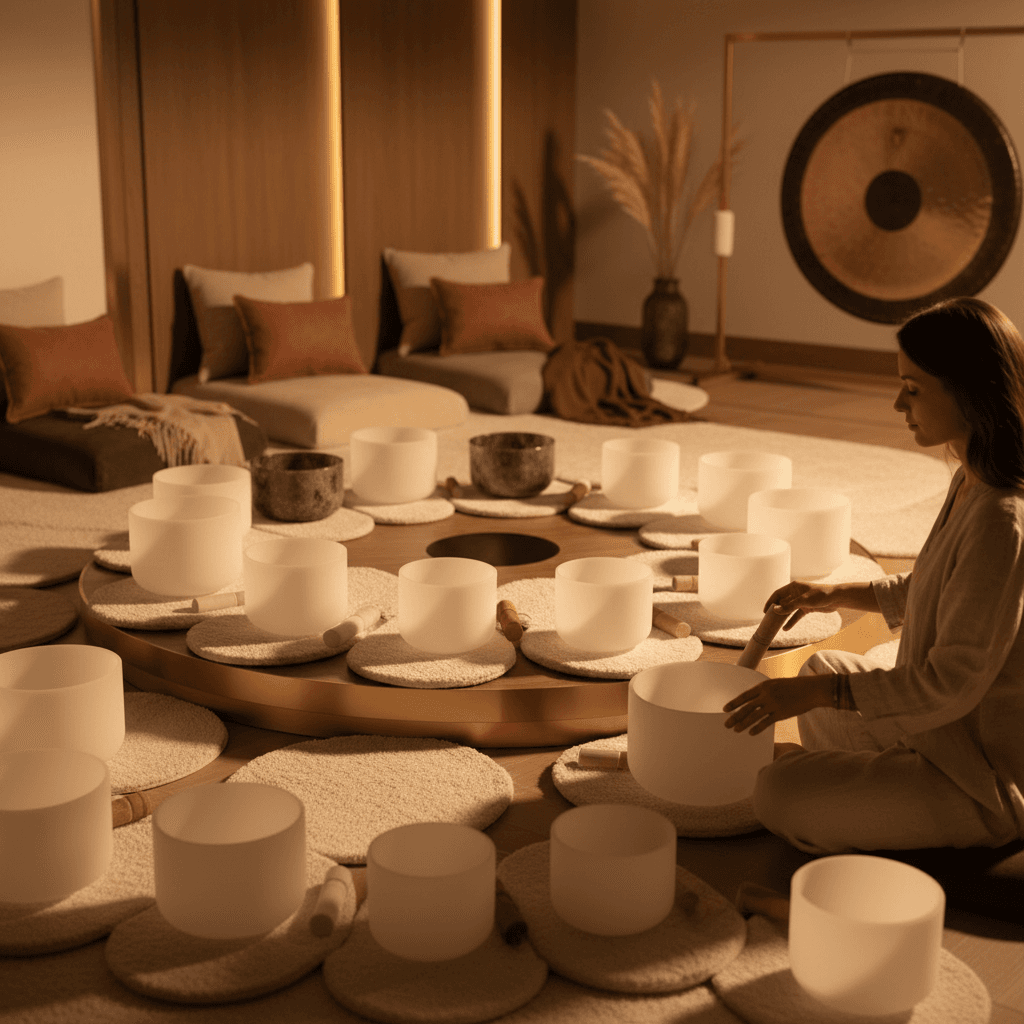
Sound Resilience for First-Time Managers: Thrive as a New Leader
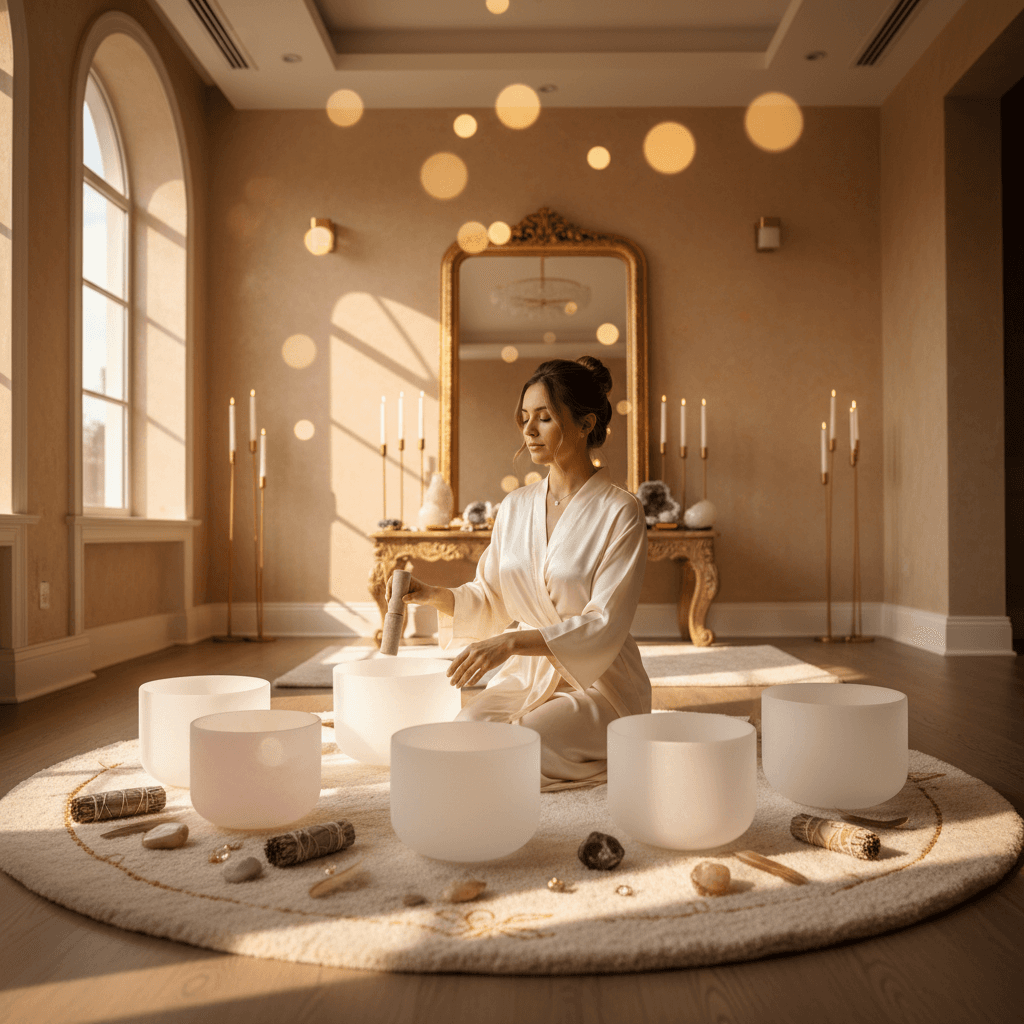
Harmonizing Global Teams: Sound Healing for Time Zone Stress
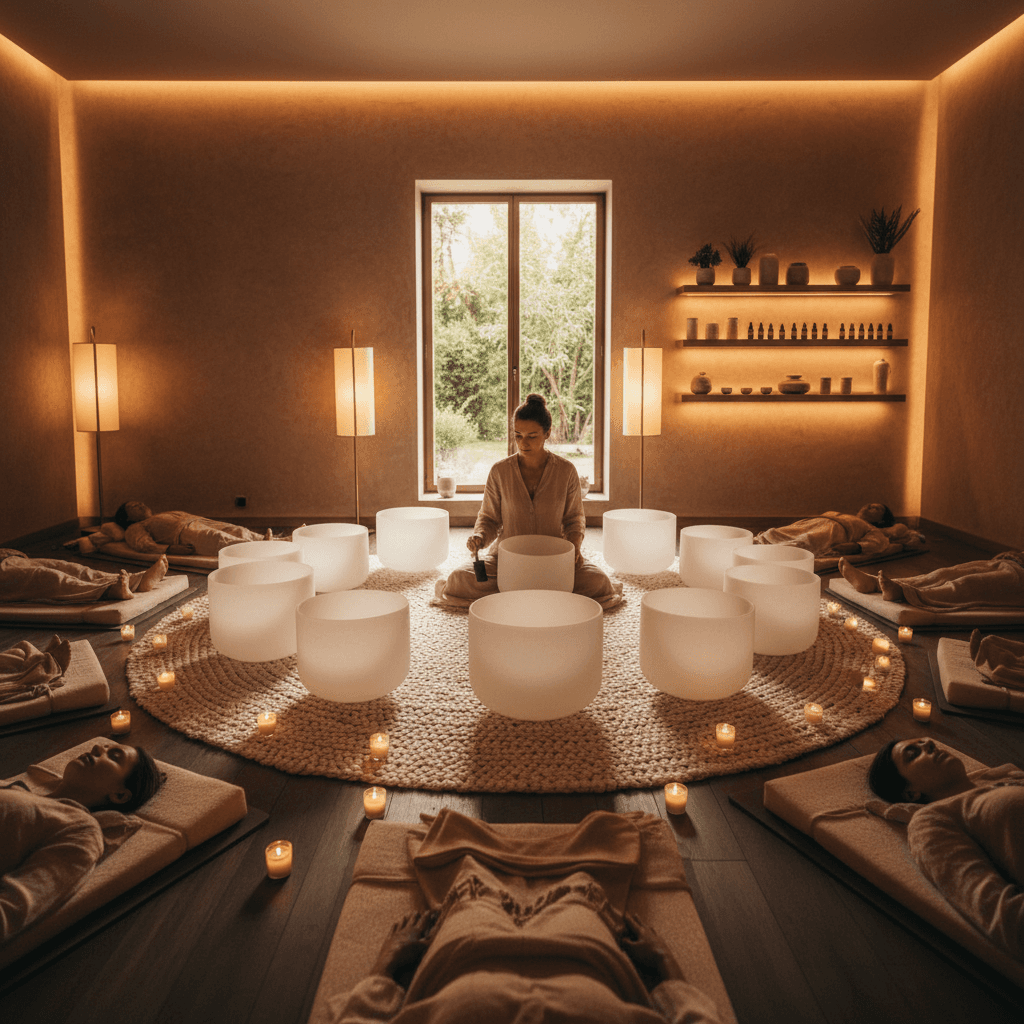
Transforming Workplace Conflict: Sound for Team Harmony