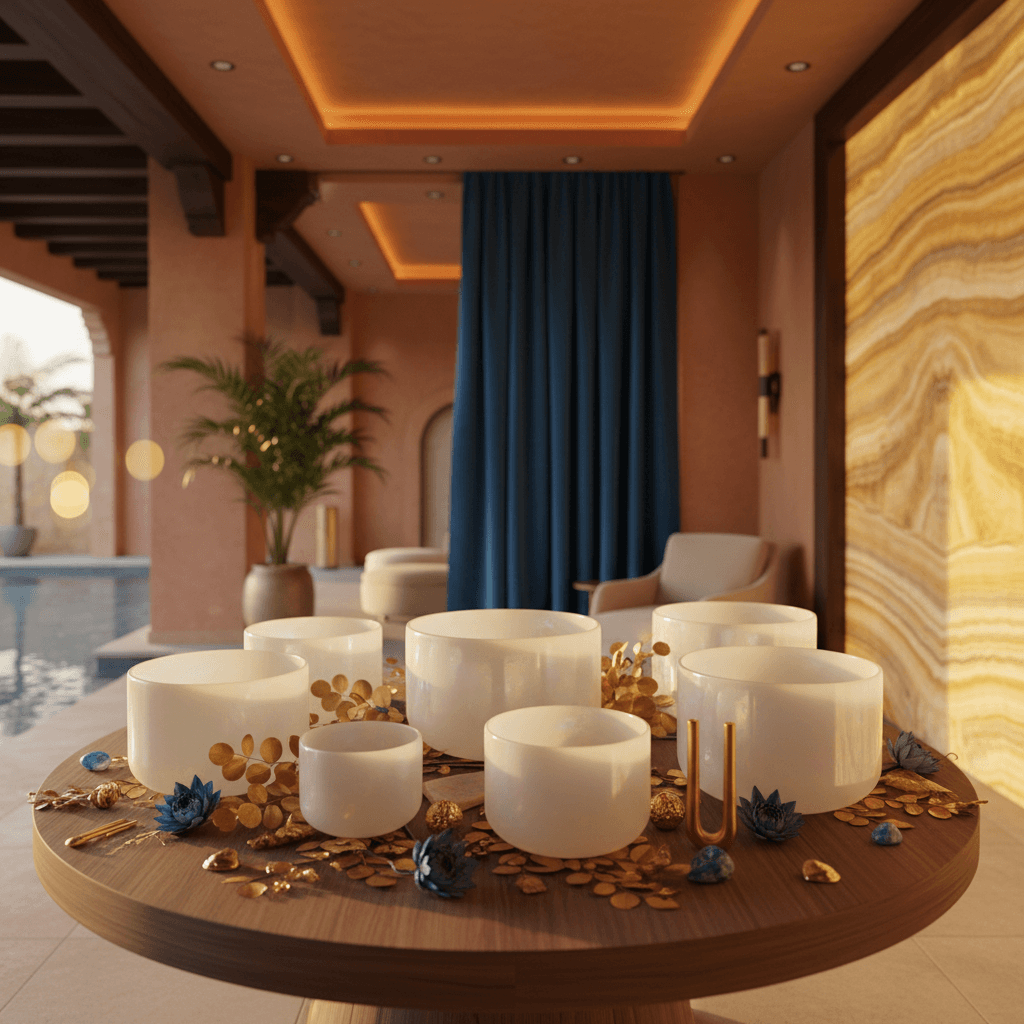
Binaural Beats for ADHD: Enhancing Focus Naturally with Soul Art
Key Insights
Discover how binaural beats can naturally improve focus and attention for individuals with ADHD. Explore Soul Art's unique approach to sound wellness with Larissa Steinbach.
Could a gentle sound wave be a powerful, natural ally in the journey toward enhanced focus and reduced mind-wandering for individuals navigating Attention-Deficit/Hyperactivity Disorder (ADHD)? It's a question many are asking, and emerging scientific research suggests a compelling answer.
ADHD often presents challenges with sustained attention, working memory, and executive functions, making everyday tasks feel like uphill battles. While various strategies exist, the search for complementary, non-invasive methods that support cognitive well-being is constant. This article delves into the fascinating world of binaural beats and their potential to naturally improve focus, drawing on scientific insights and the unique approach pioneered by Larissa Steinbach at Soul Art, Dubai's premier sound wellness studio.
Join us as we explore the neuroscience behind this auditory phenomenon, understand how it may influence brain activity, and discover how consciously designed soundscapes offer a path to greater clarity and calm. We will uncover how a carefully curated sound experience can provide a supportive environment for individuals seeking to naturally enhance their concentration.
The Science Explained
Our brains are constantly producing electrical impulses, known as brainwaves, which fluctuate based on our state of consciousness. From deep sleep to intense concentration, different brainwave frequencies dominate. The intriguing concept of binaural beats harnesses this natural rhythm, offering a unique method for potentially influencing our mental states.
Understanding Neural Rhythms and Brainwave Entrainment
A binaural beat is not an actual sound frequency but rather an auditory illusion created in the brain. It occurs when two slightly different pure-tone frequencies are presented to each ear simultaneously. For instance, if one ear hears a 400 Hz tone and the other hears 410 Hz, the brain perceives a "beat" at the difference of these frequencies – in this case, 10 Hz. This perceived beat is designed to encourage the brain's electrical activity to synchronize with the beat's frequency, a phenomenon known as brainwave entrainment (Oster, 1973).
This entrainment process may help guide the brain towards desired states associated with specific brainwave frequencies. For example, lower frequencies like delta (associated with deep sleep) or theta (linked to relaxation and meditative states) can be induced. Conversely, higher frequencies such as beta and gamma are often correlated with states of alertness and heightened cognitive function (Healthline, 2024). The careful application of these frequencies forms the foundation for using binaural beats as a wellness tool.
The ADHD Brain and Focus Challenges
Individuals with ADHD often experience difficulties with sustained attention, increased mind-wandering, and challenges in regulating their mental focus. This can manifest as struggles with studying, completing tasks, or filtering out distracting stimuli. The underlying neural mechanisms often involve differences in brainwave activity and neurotransmitter regulation, particularly in areas of the prefrontal cortex crucial for executive functions (Fledden & Gabrieli, 2005; Kelly et al., 2006).
For many, the standard approach involves psychostimulant medication, which can be effective but may also come with unwanted side effects. This has driven a need for complementary, less invasive alternatives or additions to existing wellness plans. The potential for non-pharmacological interventions that can support cognitive functions in ADHD is therefore of significant interest within the wellness community.
Binaural Beats and Their Impact on Attention and Memory
A growing body of research suggests that listening to binaural beats may modulate neural rhythms and positively influence states of consciousness, including improvements in attention and memory. A pilot add-on Randomized-Controlled Trial by Malandrone et al. (2022) specifically evaluated the effect of binaural beats on study performance, mind-wandering, and core symptoms in adult ADHD patients. The findings indicated that listening to binaural beats improved self-reported studying performance and reduced the intensity of ADHD symptoms. It also helped address the problem of mind-wandering during study sessions.
Other studies support the broader potential of brainwave entrainment. Jirakittayakorn & Wongsawat (2017) and Aparecido-Kanzler et al. (2021) concluded that binaural beats and isochronic tones may effectively modulate mood states, improving attention and memory processes. They noted promising results in subjects suffering from various CNS disorders, including ADHD. Furthermore, a meta-analysis and systematic review by Basu & Banerjee (2023) highlighted the potential of binaural beat intervention for improving memory and attention, offering insights from a comprehensive review of existing literature.
Specific Frequencies for Focus: Beta and Gamma Waves
When the goal is to enhance focus, concentration, and problem-solving, specific binaural beat frequencies are often utilized.
- Beta Frequencies (14 to 30 Hz): These frequencies have been linked to increased concentration, alertness, problem-solving abilities, and improved memory (Healthline, 2024). They are typically associated with an active, engaged mind.
- Gamma Frequencies (typically above 30 Hz, often 40 Hz): Gamma binaural beats are associated with higher-level cognitive processing, learning, and overall performance. Research by Melnichuk (2025) found that gamma-frequency beats, especially at a low pitch or combined with white noise, improved overall attention. Another study by Ross & Lopez (2020) indicated that 40-Hz binaural beats enhanced training to mitigate attentional blink.
The underlying mechanism for these benefits may involve the regulation of neurotransmitters. Kaya et al. (2002) hypothesized that cholinergic neurons may adjust to binaural beat stimulation, maintaining the production and transport of acetylcholine to the cortex. Acetylcholine is a neurotransmitter associated with cortical arousal states, sustained alertness, and higher intelligence test scores (Halliwell, 1989; Hutchison, 1994). By supporting the balanced production of such crucial neurotransmitters, binaural beats may help create an optimal internal environment for focus and cognitive performance.
It is important to note, however, that the effectiveness can vary, and some studies, like one mentioned on WebMD (2023) and in Nature (2023), suggest mixed results or even negative effects for home use without proper guidance. These findings underscore the importance of a controlled environment and professional oversight, which a dedicated sound wellness studio can provide. The quality of the sound, the setting, and the intention behind the session all play a role in optimizing the experience.
"The power of sound lies not just in what we hear, but in how it subtly re-tunes the intricate symphony of our own minds, inviting harmony where there was once discord."
How It Works in Practice
Translating scientific principles into a tangible, beneficial experience is where the art of sound wellness truly shines. At Soul Art, the application of binaural beats is seamlessly integrated into a broader, immersive sound journey, creating an environment conducive to deep focus and mental clarity. This is particularly valuable for individuals seeking natural ways to support their concentration.
The Auditory Experience
When you embark on a binaural beat session, the experience begins with putting on high-quality headphones. This ensures that the two distinct frequencies are delivered precisely to each ear, allowing the brain to generate the desired binaural beat. The soundscapes are not merely functional but are often interwoven with soothing ambient music, nature sounds, or carefully chosen frequencies from instruments like crystal singing bowls and gongs. This rich tapestry of sound gently guides the listener into a state of profound immersion.
The intentional design of these auditory environments aims to minimize external distractions. For someone navigating ADHD, this can be incredibly impactful. The focused auditory input provides a clear anchor for attention, helping to quiet the often-overactive mind. As the brain begins to entrain to the target frequencies, many people report a sense of calm alertness, where mental chatter subsides, and a quiet focus emerges.
Beyond Sound: Holistic Engagement
The practical application of binaural beats extends beyond just listening. It involves creating a holistic environment that supports the brain's ability to focus and process information. This includes factors such as comfortable seating, a tranquil setting, and freedom from external pressures. The entire experience is designed to be a sanctuary for the mind.
For individuals with ADHD, the structured nature of a guided sound session can be highly beneficial. It offers a dedicated time and space to practice sustained attention without the usual demands and distractions of daily life. This practice may strengthen neural pathways associated with focus and self-regulation. The gentle guidance provided during a session, whether through spoken word or simply the evolving soundscape, helps to maintain engagement and prevent mind-wandering, slowly building the capacity for deeper concentration.
Moreover, the process of deep relaxation, often achieved during the initial phase of a sound journey, is a crucial precursor to effective focus. By reducing anxiety and stress—common challenges for those with ADHD—the brain is better able to access its cognitive resources. The shift from a state of heightened arousal to one of calm readiness is a key benefit reported by many participants.
The Soul Art Approach
At Soul Art, Larissa Steinbach has cultivated a unique philosophy that marries scientific understanding with the profound artistry of sound. Her approach to incorporating binaural beats for focus enhancement is deeply thoughtful, creating an environment that is both scientifically informed and profoundly nurturing.
Larissa Steinbach's Vision for Focused Wellbeing
Larissa Steinbach, the visionary founder of Soul Art, is dedicated to offering experiences that genuinely support holistic well-being. Her interest in binaural beats stems from a commitment to providing natural, effective tools for modern challenges, including difficulties with focus and attention. She believes that true wellness involves harmonizing mind, body, and spirit, and sound is a powerful conduit for this integration.
The programs at Soul Art are meticulously designed, reflecting Larissa Steinbach's expertise in sound healing and neuroscience. She understands that while binaural beats are a potent tool, their efficacy is amplified within a carefully crafted environment. This comprehensive approach differentiates Soul Art, ensuring that each session is not just an auditory experience but a journey towards deeper self-awareness and cognitive enhancement.
Curated Sound Journeys for Clarity
Soul Art’s sound journeys are far from passive listening; they are active engagements designed to guide the brain into optimal states for focus. Larissa Steinbach and her team curate soundscapes that combine specific binaural beat frequencies—often in the beta and gamma ranges for focus—with other therapeutic sounds. These might include the resonant vibrations of crystal singing bowls, the deep hum of gongs, or the gentle rhythms of nature.
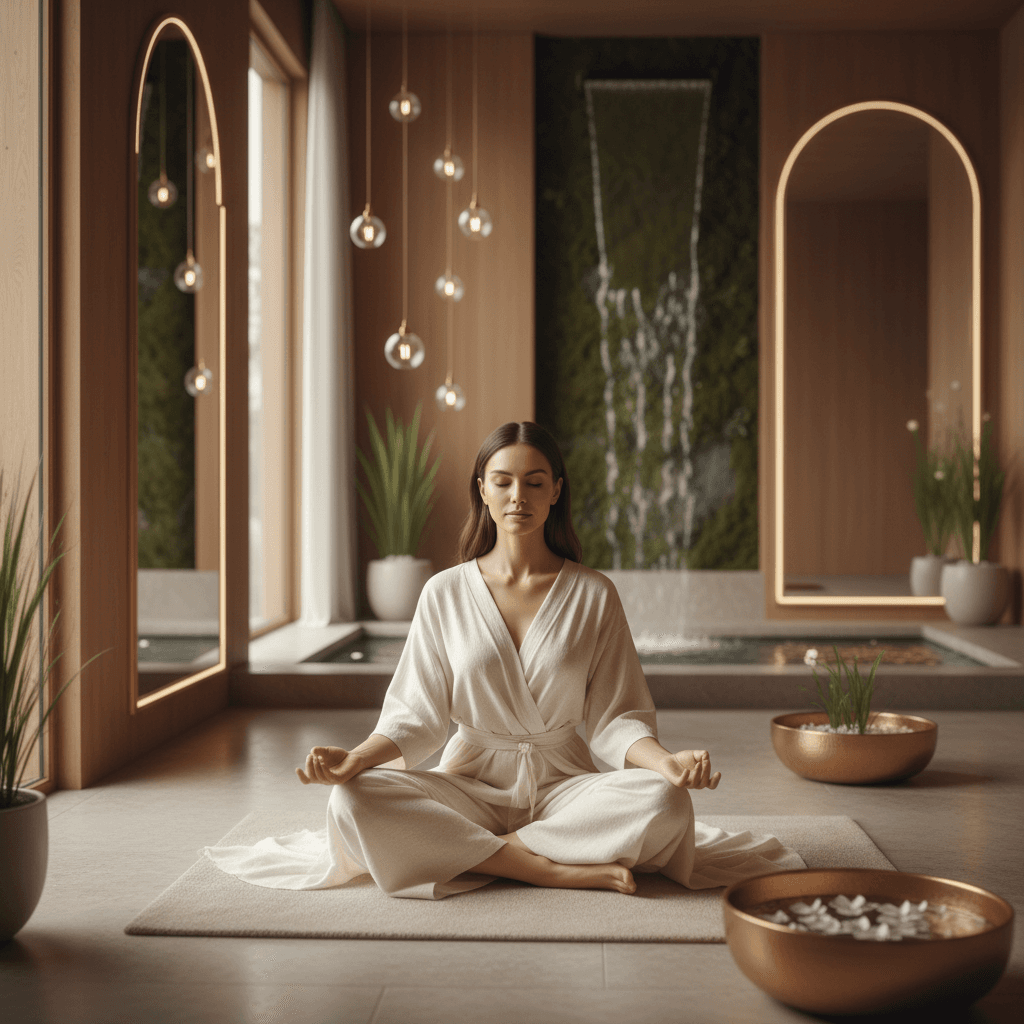
The studio's environment is another critical component. It is a tranquil sanctuary, free from the visual and auditory clutter of the outside world. This dedicated space allows participants to fully immerse themselves in the sound, fostering an internal environment where the brain can more readily entrain and sustain focused attention. The intention is to create a seamless, immersive experience that encourages profound mental clarity and sustained concentration.
Integrating Science with Sensory Immersion
What makes the Soul Art method unique is its meticulous integration of scientific evidence with a rich sensory experience. Larissa Steinbach ensures that the binaural beat frequencies chosen are aligned with current research on cognitive enhancement for conditions like ADHD. This scientific grounding provides a robust framework for the sessions.
Simultaneously, the aesthetic and experiential aspects are paramount. The high-fidelity sound systems, comfortable setting, and expertly woven soundscapes create an atmosphere of quiet luxury and profound relaxation. This combination ensures that the mind is not only stimulated appropriately but also deeply at ease. Participants report leaving Soul Art sessions with a heightened sense of calm, improved mental clarity, and a noticeable enhancement in their ability to concentrate, making it a powerful complementary practice for individuals seeking natural focus support.
Your Next Steps
Embracing the potential of binaural beats for improved focus is a journey, and integrating this practice into your wellness routine can yield significant benefits. Here are some actionable steps you can take to explore this natural path to enhanced concentration and cognitive well-being.
- Educate Yourself Further: Continue to explore reputable sources and research on binaural beats and brainwave entrainment. Understanding the science can empower your practice and help you select the most appropriate frequencies for your goals.
- Start with Guided Sessions: For individuals, especially those with ADHD, beginning your experience in a professional, guided environment like Soul Art can be highly beneficial. The curated soundscapes, expert guidance from Larissa Steinbach, and tranquil setting minimize potential distractions and optimize the experience.
- Set Clear Intentions: Before each session, take a moment to set an intention. Whether it's to improve focus on a specific task, reduce mind-wandering, or simply cultivate a sense of calm alertness, a clear intention can enhance the effectiveness of the session.
- Integrate into a Holistic Routine: View binaural beats as a complementary tool within a broader wellness strategy. Combine them with other self-care practices such as mindfulness meditation, regular exercise, balanced nutrition, and adequate sleep for comprehensive support.
- Observe and Reflect: Pay attention to how you feel during and after your sessions. Keep a journal to note improvements in focus, attention span, mood, or any reduction in ADHD symptoms. This personal feedback can help you tailor your approach and recognize the benefits over time.
Exploring binaural beats in a supportive, expert-led environment is a gentle yet powerful way to nurture your cognitive abilities.
Bookings Coming Soon
Soul Art is still in preparation. Session details and booking will be published here after launch.
Coming Soon
In Summary
The quest for natural, effective ways to improve focus and manage the challenges of ADHD is a significant one. Binaural beats, an auditory illusion designed to induce brainwave entrainment, offer a promising, non-invasive avenue. Scientific studies suggest that these specific sound frequencies, particularly in the beta and gamma ranges, may support enhanced attention, memory, and reduced mind-wandering.
While the scientific landscape continues to evolve, the potential for binaural beats to modulate mood states and improve cognitive processes is becoming clearer. Soul Art, under the guidance of Larissa Steinbach, provides an expertly curated environment where these scientific principles are transformed into a deeply immersive and beneficial sound wellness experience. By offering a sanctuary for focused attention and deep relaxation, Soul Art invites individuals to explore a natural, complementary path toward greater mental clarity and overall well-being.
Related Articles
Cluster Headaches: Unveiling Pain and the Promise of Frequencies in Wellness
Epilepsy & Sound: Safety, Serenity, and Emerging Wellness Paths
Mastering Focus: Analytical Listening & Brain Engagement at Soul Art