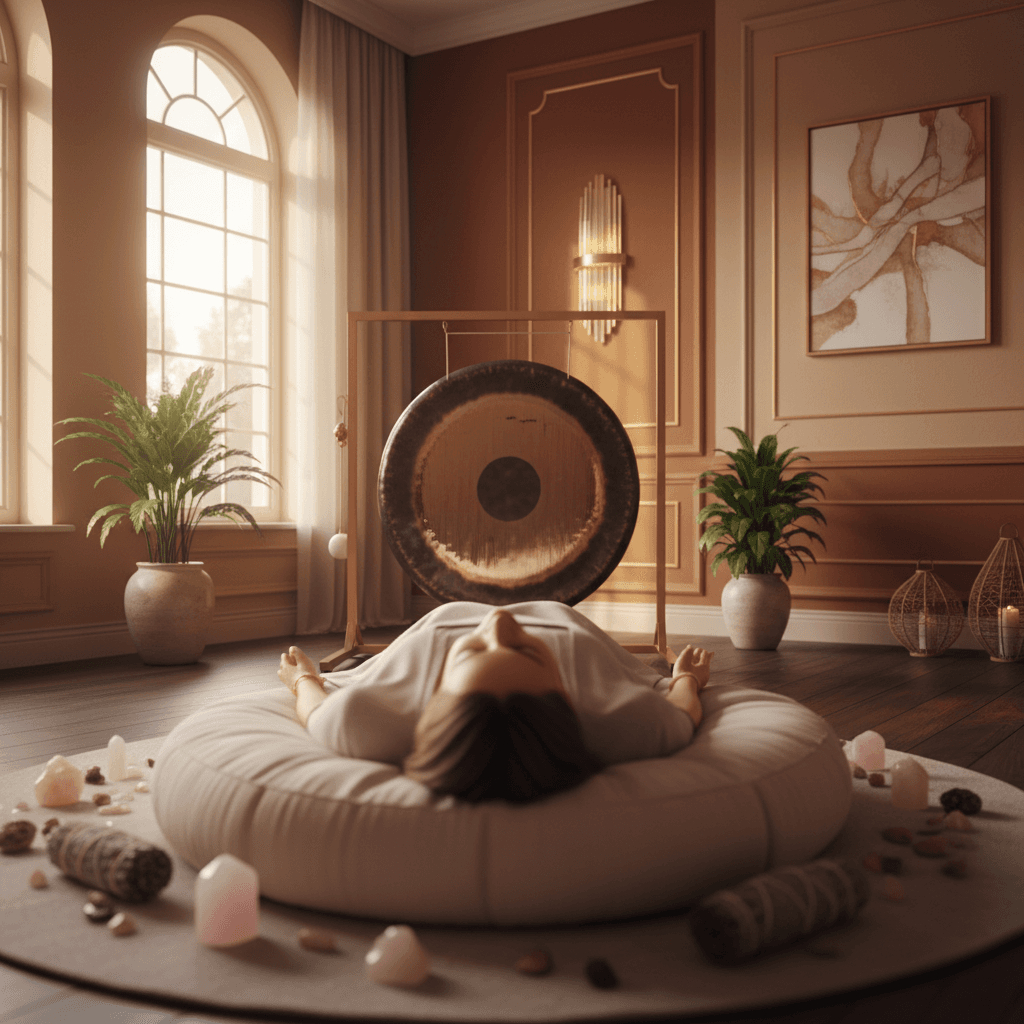
Beyond the Surface: Essential Accessibility Questions for Your Wellness Journey
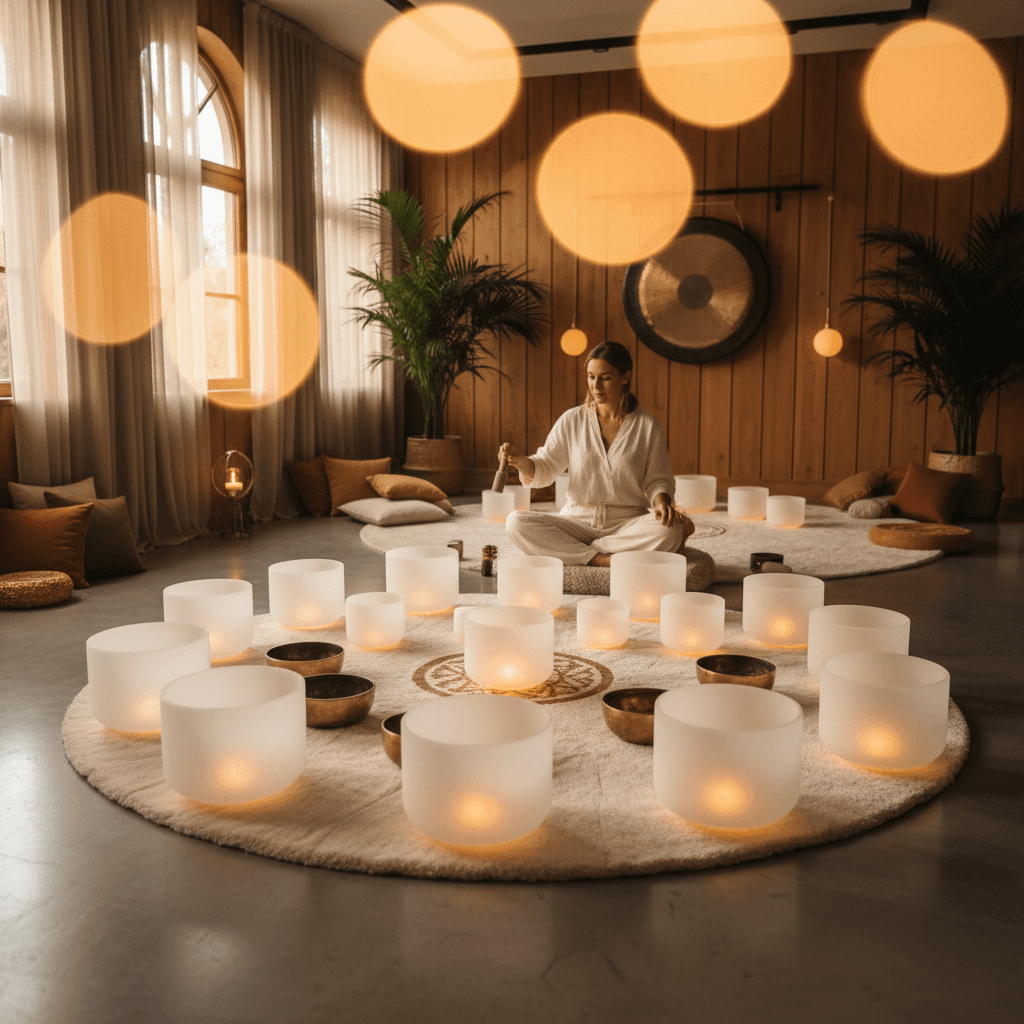
Key Insights
Ensuring your wellness space meets your needs is crucial. Learn the right accessibility questions to ask before booking with Soul Art Dubai.
Unlocking True Well-being: The Imperative of Accessibility
Imagine stepping into a serene space, ready to shed the day's stresses, only to encounter an unexpected barrier. Whether it's an inaccessible entrance, a convoluted booking process, or a lack of clear communication, such hurdles can instantly disrupt your quest for peace. This challenge is far more common than many realize, impacting countless individuals seeking genuine wellness experiences.
At Soul Art, founded by Larissa Steinbach, we believe true well-being begins with a foundation of effortless access and comfort for everyone. This means thoughtfully considering the diverse needs of our community, even before a session begins. This article delves into the critical questions you should ask any wellness provider, empowering you to ensure your chosen space genuinely supports your journey without added stress.
Understanding and addressing accessibility isn't just a courtesy; it's a fundamental aspect of holistic well-being. When an environment is truly inclusive, it removes hidden stressors, allowing your mind and body to relax more deeply and fully engage with the restorative practices offered. By asking the right questions, you contribute to a more inclusive world and guarantee a more profound personal wellness experience.
The Science of Inclusion: Why Accessibility Matters for Your Mind and Body
Accessibility is often perceived solely through the lens of physical limitations, but its impact extends deeply into our cognitive and emotional well-being. An inaccessible environment creates a cascade of stressors that can actively counteract the very benefits a wellness practice aims to deliver. For a sound wellness experience to be truly transformative, the journey to and through the space must be as calming as the session itself.
The Cognitive Load of Inaccessibility
Encountering barriers, whether physical or digital, imposes a significant cognitive load. This refers to the mental effort required to navigate, problem-solve, and adapt to an unaccommodating environment. For individuals with disabilities or chronic conditions, this "inconvenience" can be profoundly magnified, draining vital energy before a session even begins.
Research highlights that dealing with inaccessible public transportation, poorly maintained sidewalks, or even simply a difficult hotel-to-venue commute can cause immense fatigue. This constant problem-solving detracts from one's ability to be alert, engaged, and present. When a person must continuously strategize around barriers, their nervous system remains in a state of heightened alert, making deep relaxation significantly harder to achieve.
Universal Design Principles for Enhanced Well-being
The concept of Universal Design advocates for creating environments and services that are usable by all people, to the greatest extent possible, without the need for adaptation or specialized design. Applied to wellness, this means designing spaces where clear pathways, appropriate lighting, and comfortable, adaptable seating are standard, not exceptions. This approach benefits everyone.
For example, clear aisles and walkways, essential for wheelchair users, also prevent tripping hazards for others. Thoughtfully designed restrooms with grab bars and lever-type faucets enhance safety and ease for individuals with varying mobility, but also offer comfort for expectant mothers or those recovering from injury. When a space thoughtfully anticipates diverse needs, it fosters an underlying sense of security and ease for all visitors.
The Psychological Impact of Exclusion and the Physiology of Relaxation
Feeling excluded or encountering unnecessary barriers can have a profound psychological impact, triggering feelings of frustration, anxiety, and disempowerment. This emotional distress directly influences the body’s physiological responses. When under stress, the body releases cortisol and adrenaline, elevating heart rate, blood pressure, and muscle tension.
"As more scientific fields recognize and lift up the importance of diverse perspectives, it is essential that we make our conferences and conversations accessible. Whether you yourself are disabled or an advocate, there are simple actions you can take to improve accessibility: Enough people speaking up will make a difference." — C-Path.org
Conversely, a welcoming and accessible environment allows the nervous system to shift into a parasympathetic state, often referred to as "rest and digest." This state is critical for relaxation, healing, and the integration of wellness benefits. By proactively removing barriers, wellness studios create a foundational condition for clients to truly unwind, absorb positive frequencies, and experience the full spectrum of well-being. This inclusive approach directly supports the body's natural capacity for self-regulation and restoration, amplifying the impact of practices like sound wellness.
How It Works in Practice: Unveiling Practical Accessibility Considerations
Translating the philosophy of inclusion into tangible experience requires asking specific, targeted questions. These inquiries go beyond basic compliance, probing into the practical realities of a client's journey to and within a wellness space. Preparing these questions beforehand can transform a potentially stressful experience into one of seamless comfort.
Physical Space and Navigation
The physical environment is the first point of contact. Consider not just the destination, but the entire journey.
- Arrival and Entry:
- What is the proximity to public transportation? Are bus stops within one to two blocks, and is the route from the stop to the entrance level, firm, and non-slip, with curb cuts or ramps?
- Is accessible parking available, and how close is it to the entrance?
- What is the width of all doorways and clear floor space within the venue? (A minimum clear opening width of 32 inches is generally recommended for doorways, with 5 feet diameter clear floor space in toilet rooms.)
- Are ramps available for any steps, and do they have handrails if the slope is greater than 1:20?
- Are lever or loop-type door handles used throughout, particularly on entry doors and restrooms?
- Internal Layout and Amenities:
- How is the furniture set up? Are aisles and walkways kept clear and wide enough for mobility aids, and are there signs to remind participants to keep bags out of pathways?
- Are there designated quiet areas or adaptable spaces for those with sensory sensitivities?
- What are the restroom facilities like? Are there grab bars (side and back, 33-36 inches above floor) and is the toilet seat between 17-19 inches high? Is there 29 inches of clear knee space under basins with insulated water pipes?
- For studios with specific changing facilities or showers, are these accessible with grab bars, portable seats, and flexible shower hoses?
- Are mirrors, shelves, towel, and other dispensers no more than 40 inches from the floor?
Communication and Information Accessibility
Effective communication ensures that all individuals can access information and express their needs comfortably.
- Gathering Needs:
- How does the venue proactively ask about accessibility needs without requiring disclosure of personal or medical information?
- Do they explain what will happen on the day and provide a list of available accommodations, as well as those available upon request?
- Do they ask if there is anything needed that hasn't been included on their list, or if any support requirements (people, tools, technology) need to be integrated?
- Are staff trained to avoid assumptions about how an activity might be inaccessible?
- Digital Accessibility:
- Is the website and booking platform accessible (e.g., compliant with WCAG standards)? Are there accessibility statements or documentation available for review?
- Are alternative formats for information available (e.g., large print, audio descriptions)?
- Do they utilize accessibility checkers for their digital communications (email, brochures, presentations)?
Emergency Preparedness
Understanding emergency protocols is paramount for peace of mind.
- Safety Protocols:
- How can the venue support each person in the event of an emergency?
- Do they have or could they complete a personal emergency evacuation plan for individuals who may need assistance?
- Are staff members trained on specific evacuation procedures for people with diverse needs?
These detailed questions allow you to assess a venue's genuine commitment to accessibility. Transparent answers empower you to make informed decisions about your participation, ensuring the chosen environment truly supports your path to wellness.
The Soul Art Approach: Larissa Steinbach's Commitment to Inclusive Sound Wellness
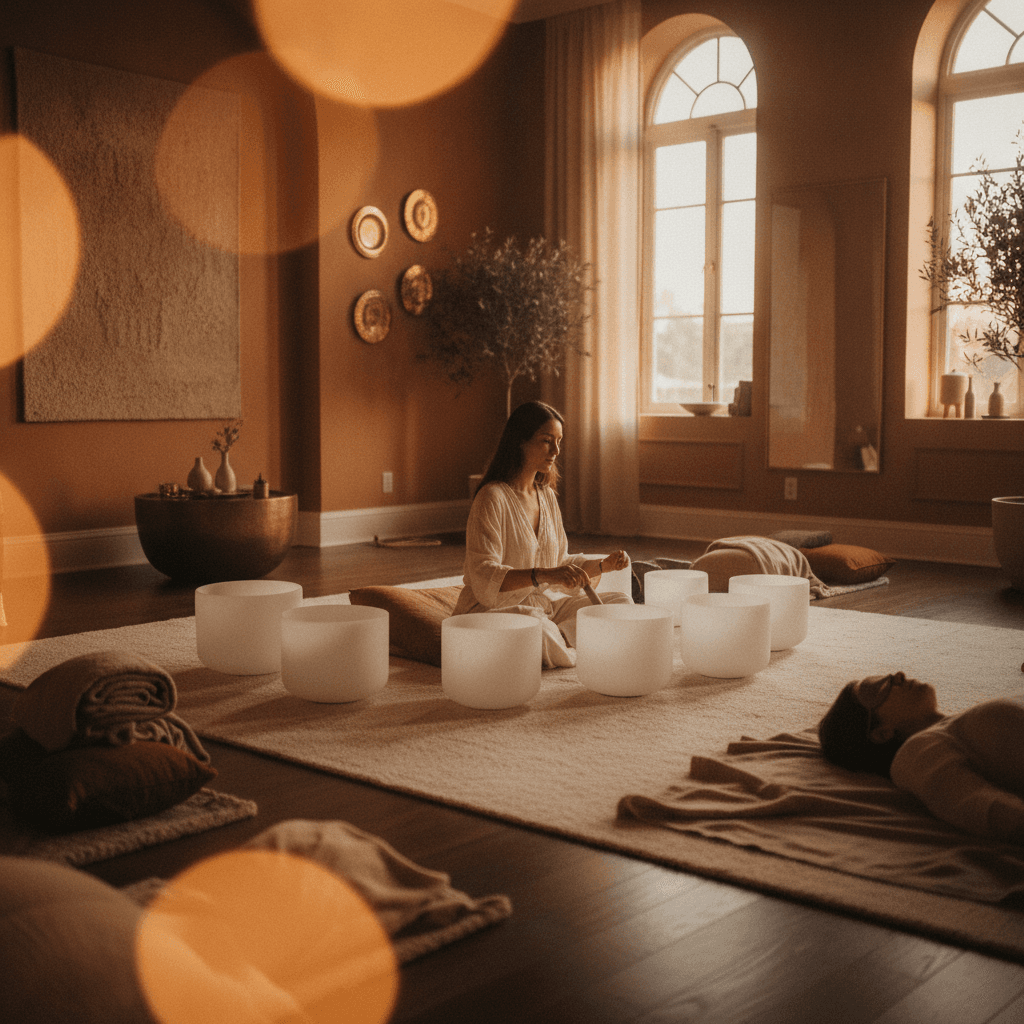
At Soul Art, Dubai's premier sound wellness studio, accessibility is woven into the very fabric of our philosophy, championed by our founder, Larissa Steinbach. We understand that true "quiet luxury" extends beyond aesthetics; it encompasses an environment where every individual feels seen, valued, and effortlessly accommodated. Our approach is proactive, empathetic, and deeply rooted in creating a universally welcoming space for profound relaxation and personal growth.
Larissa Steinbach believes that the transformative power of sound wellness should be available to all, without the added stress of navigating unnecessary barriers. Our commitment begins with the thoughtful design of our physical studio. We conduct regular accessibility assessments to ensure our space exceeds standard requirements, prioritizing clear, unobstructed pathways, comfortable and adaptable seating arrangements, and easily navigable facilities. This includes consideration for doorway widths, restroom design, and the overall flow of movement within the studio.
What makes the Soul Art method unique in this regard is our emphasis on both physical and sensory accessibility. Recognizing that sound wellness involves a deeply immersive sensory experience, we pay meticulous attention to elements like lighting control, temperature regulation, and even the subtle fragrance in the air. We offer various seating options, from plush floor cushions to comfortable chairs, ensuring that clients can find the most supportive position for their bodies. For those with specific sensitivities, we provide options for ear protection or alternative positioning to optimize their experience.
Furthermore, Larissa Steinbach ensures that our team is not only expertly trained in sound wellness but also in empathetic communication and accommodation. We proactively invite clients to share any needs they may have, ensuring confidentiality and a responsive approach. Our booking process and digital platforms are designed with accessibility in mind, regularly reviewed for ease of use and clarity. We understand that a truly inclusive environment allows our clients to fully surrender to the frequencies, enhancing the therapeutic potential of each sound journey. This holistic consideration, from initial inquiry to post-session reflection, is the hallmark of the Soul Art experience.
Your Next Steps: Empowering Your Journey to Accessible Wellness
Empowering yourself with knowledge is the first step toward a truly inclusive wellness journey. By asking the right questions, you not only ensure your own comfort but also advocate for greater accessibility standards across the wellness industry. Take these practical steps to cultivate a truly supportive environment for your self-care practices.
- Initiate Early Inquiry: Make accessibility questions part of your initial communication when considering any new wellness studio or experience. The more proactively you inquire, the more time the venue has to prepare and confirm accommodations.
- Be Specific with Your Needs: Utilize the detailed questions outlined in this article regarding physical access, communication, and emergency protocols. Frame your questions around specific requirements rather than general statements.
- Review Digital Accessibility: Before visiting, check the wellness provider's website and social media for accessibility statements, contact information for accessibility inquiries, or features like clear navigation and text alternatives.
- Communicate Openly and Confidentially: While you are not obligated to disclose personal medical information, clearly articulate your needs. For example, instead of saying "I have back pain," you could say, "I require a chair with lumbar support rather than floor seating."
- Prioritize Commitment: Choose wellness providers that demonstrate a clear, transparent, and proactive commitment to accessibility. Their willingness to engage in this conversation speaks volumes about their dedication to genuine inclusion and client well-being.
At Soul Art, we are always here to answer your questions and ensure your experience is seamless and deeply restorative.
In Summary
Accessibility is not merely a feature; it is the fundamental cornerstone of an truly effective and inclusive wellness practice. By understanding the profound cognitive and physiological benefits of accessible environments, and by empowering yourself with the right questions to ask, you can ensure your wellness journey is free from unnecessary barriers. This proactive approach supports your relaxation and engagement, while also fostering a more inclusive industry as a whole.
Larissa Steinbach and the entire team at Soul Art are dedicated to providing a serene and accessible sanctuary where every individual can experience the profound benefits of sound wellness. We invite you to explore our offerings, confident that your comfort and well-being are our highest priorities.
Bookings Coming Soon
Soul Art is still in preparation. Session details and booking will be published here after launch.
Coming Soon
Wellness Disclaimer: This article is for educational and informational purposes only. It does not constitute medical advice, diagnosis, or treatment. Soul Art Dubai provides non-medical wellness experiences focused on relaxation, stress management, and general wellbeing. Sound wellness is a complementary practice and should not replace professional medical care.
Related Articles
Empowered Choices: The Art of Clarity Without Overexplaining
Unveiling the Power: Photosensitivity & Visuals in Sound Sessions
The Subtle Art of Slow Transitions: Guiding Your Brain to Calm