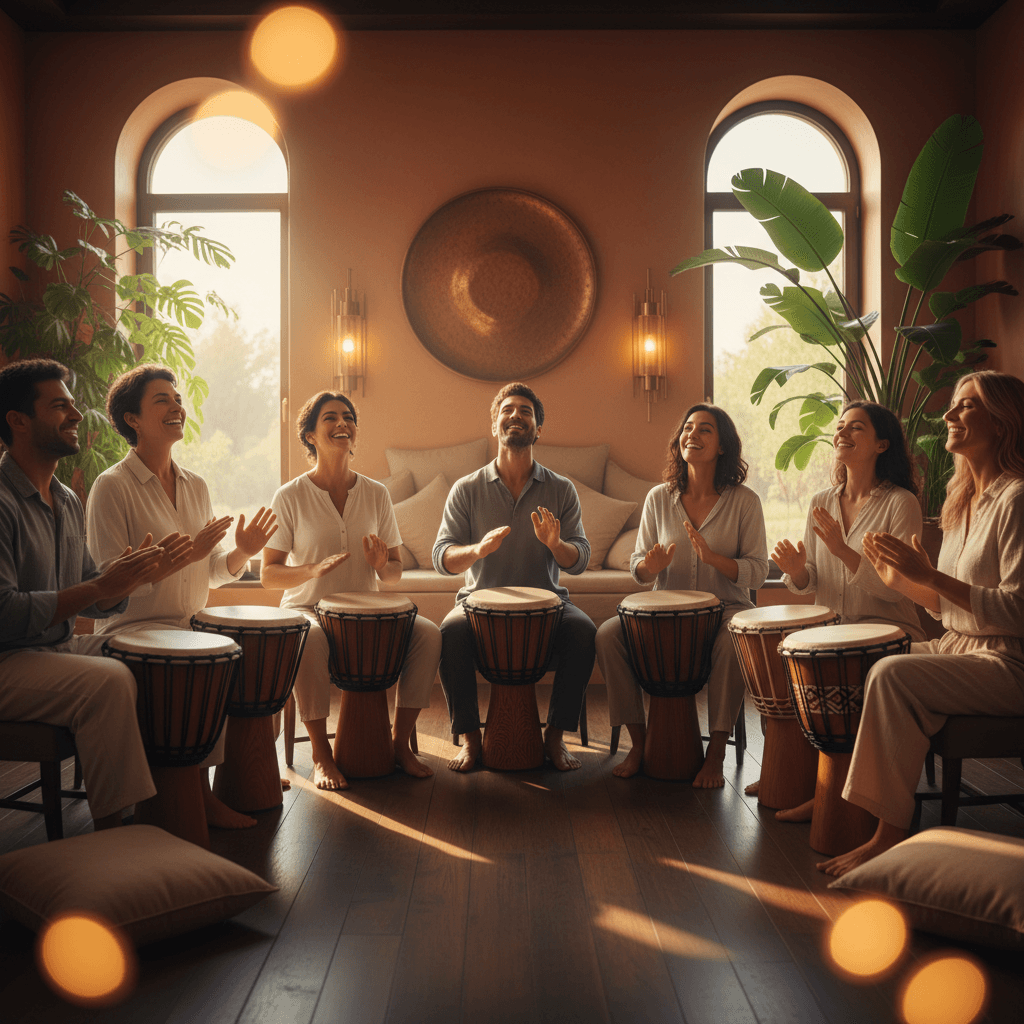
Optimise Your Online Sound Journey: Zoom Best Practices for Deep Wellness
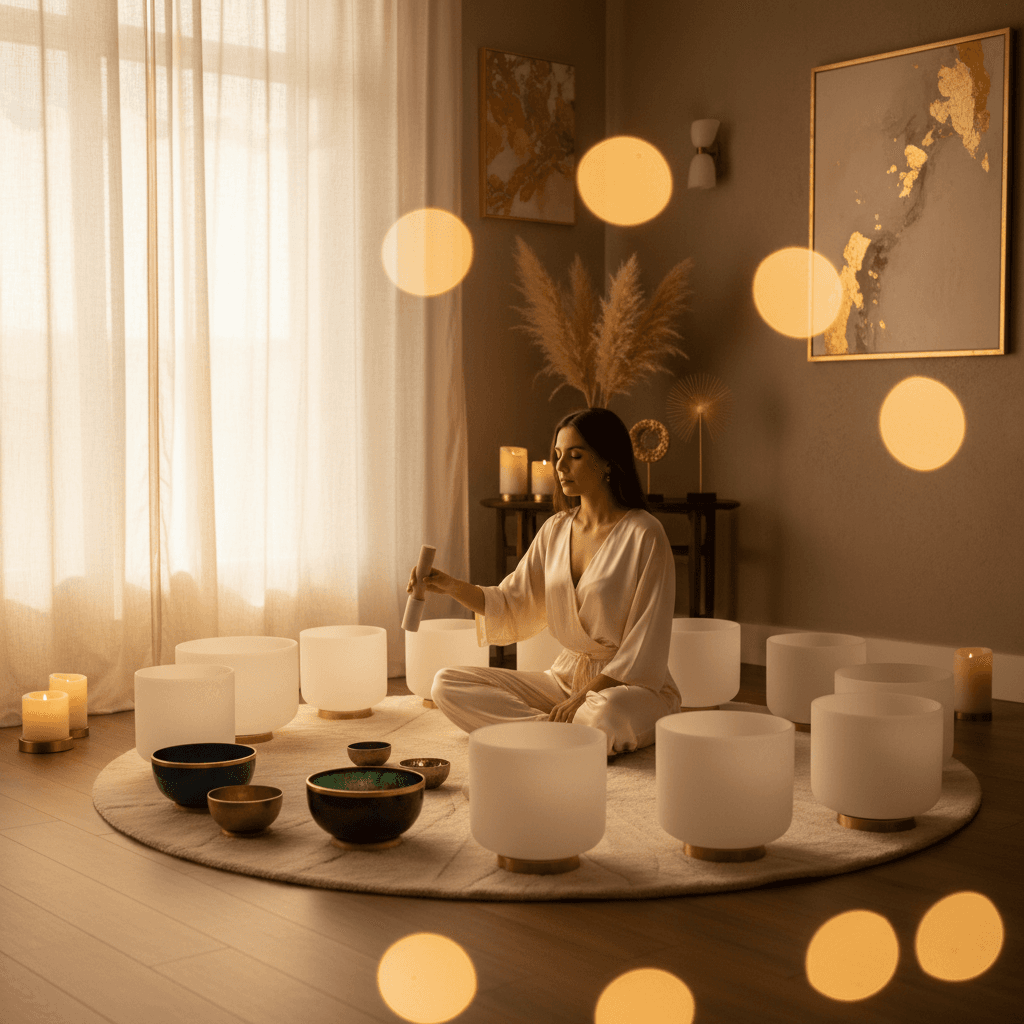
Key Insights
Unlock profound relaxation in virtual sound sessions. Larissa Steinbach and Soul Art guide you through scientifically-backed Zoom audio best practices for unparalleled online wellness.
In our increasingly interconnected yet often distant world, virtual platforms like Zoom have become indispensable. They offer a bridge, allowing us to maintain connections, learn, and even participate in deeply personal wellness practices from the comfort of our homes. Yet, anyone who has spent significant time in online meetings can attest to the unique phenomenon of "Zoom fatigue," a cognitive strain that often leaves us feeling more depleted than refreshed.
At the heart of transforming a simple video call into a profound wellness experience, especially for practices like sound baths, lies a crucial, often overlooked element: pristine audio. It is not just about hearing the sound; it is about feeling it, allowing its frequencies to permeate and restore. This article, guided by the expertise of Larissa Steinbach and Soul Art, delves into the science behind optimizing your virtual sound sessions, ensuring your online journey supports true well-being. We will explore best practices that reduce digital interference and enhance the resonant power of sound, ultimately elevating your virtual wellness experience.
The Science Explained: Unlocking Deeper Engagement in the Digital Realm
The transition of deeply immersive practices like sound wellness to a virtual environment introduces a fascinating interplay between technology, human perception, and physiological response. While screens offer unparalleled convenience, scientific research illuminates the inherent challenges of virtual interactions, particularly concerning sound and its impact on our mental and emotional states. Understanding these dynamics is the first step towards consciously mitigating them and enhancing your digital wellness journey.
The Subtle Impact of Digital Audio on Perception and Presence
Our perception of sound in a virtual setting is significantly different from an in-person experience. Zoom's digital compression, while enabling seamless communication, can strip away the rich nuances of live sound, potentially leading to what is colloquially known as a "tinny" quality. Research, such as a study published in the Proceedings of the National Academy of Sciences, demonstrates that this "tinny" speech can have surprising social consequences, potentially leading listeners to lower their judgments of a speaker’s intelligence, credibility, and even their chances in professional settings. While this study primarily focused on speech, its implications for the subtle, resonant frequencies of sound wellness are clear: compromised audio quality can undermine the very essence of the experience, which relies on clarity, depth, and vibrational integrity.
Furthermore, digital environments are prone to acoustic issues like echoes, often caused by multiple devices in the same room, and distracting background noise. These sonic interferences demand additional cognitive processing, pulling our attention away from the intended focus of relaxation. When the brain has to work harder to filter out unwanted sounds or compensate for distorted audio, it increases cognitive load, making it difficult to achieve the deep, meditative states central to sound wellness.
Cognitive Load and Diminished Engagement in Virtual Spaces
Beyond audio fidelity, virtual interactions themselves inherently differ from in-person encounters in ways that affect our cognitive and emotional engagement. A study published in Scientific American revealed that people's brain activity is less likely to synchronize across a screen compared to when they are in the same room. Participants in virtual tasks exhibited increased eye movement, potentially signaling higher levels of distraction. Moreover, pupil diameter, a reliable proxy for social arousal and emotional engagement, was notably smaller during screen-based tasks. This suggests a reduced level of deep connection and presence.
These findings highlight that the brain processes virtual stimuli differently, potentially leading to what is known as "Zoom fatigue." This fatigue isn't just about screen time; it's about the increased mental effort required to decode social cues and maintain focus in an environment that naturally fosters distraction. For sound wellness, this implies that while the beneficial frequencies are still transmitted, the recipient’s environment and neurological state might be less optimally primed to receive and integrate them fully.
The Physiological and Psychological Power of Sound
Despite these digital challenges, the fundamental science of sound healing remains potent. Sound and vibration have a profound, well-documented impact on our physiology and psychology, as extensively reviewed in research like that presented by Voice of Akash. This scientific evidence forms the bedrock of practices offered by Soul Art.
Multiple studies consistently show that engaging with therapeutic sound can:
- Modulate Hormonal Balance: Support a decrease in cortisol, often referred to as the stress hormone, while promoting increases in serotonin and oxytocin, hormones associated with well-being and connection. This contributes to a significant drop in stress responses, often within a single session.
- Influence Pain Perception: Low-frequency vibrations may activate mechanoreceptors, which can help reduce pain signals through mechanisms like the gate control theory. This has been associated with muscle relaxation and a reduction in inflammation. A trial reported in the Journal of Evidence-Based Integrative Medicine observed a reduction in physical tension and pain following Tibetan bowl sound meditation.
- Alleviate Anxiety and Support Emotional Regulation: A 2017 clinical study found that sound baths significantly reduced anxiety scores, particularly among individuals new to meditation. Sound may also enhance brainwave coherence, guiding the brain into more relaxed states like alpha and theta, and stimulating the parasympathetic nervous system, responsible for our "rest and digest" functions.
Therefore, while the virtual medium presents hurdles, understanding and addressing the technical aspects can significantly enhance the delivery and reception of these powerful therapeutic frequencies, allowing individuals to still access profound states of relaxation and well-being. The key lies in creating an optimized digital environment that minimizes interference and maximizes the clarity of the healing sounds.
How It Works in Practice: Crafting an Immersive Virtual Sanctuary
Translating the deeply resonant, full-bodied experience of an in-person sound bath to a virtual format requires careful attention to detail. When the scientific insights into digital audio and cognitive load are applied in practice, the online sound session transforms from a mere digital broadcast into a truly immersive, restorative sanctuary. The goal is to bridge the sensory gap created by screens, ensuring the profound benefits of vibrational therapy can still be felt.
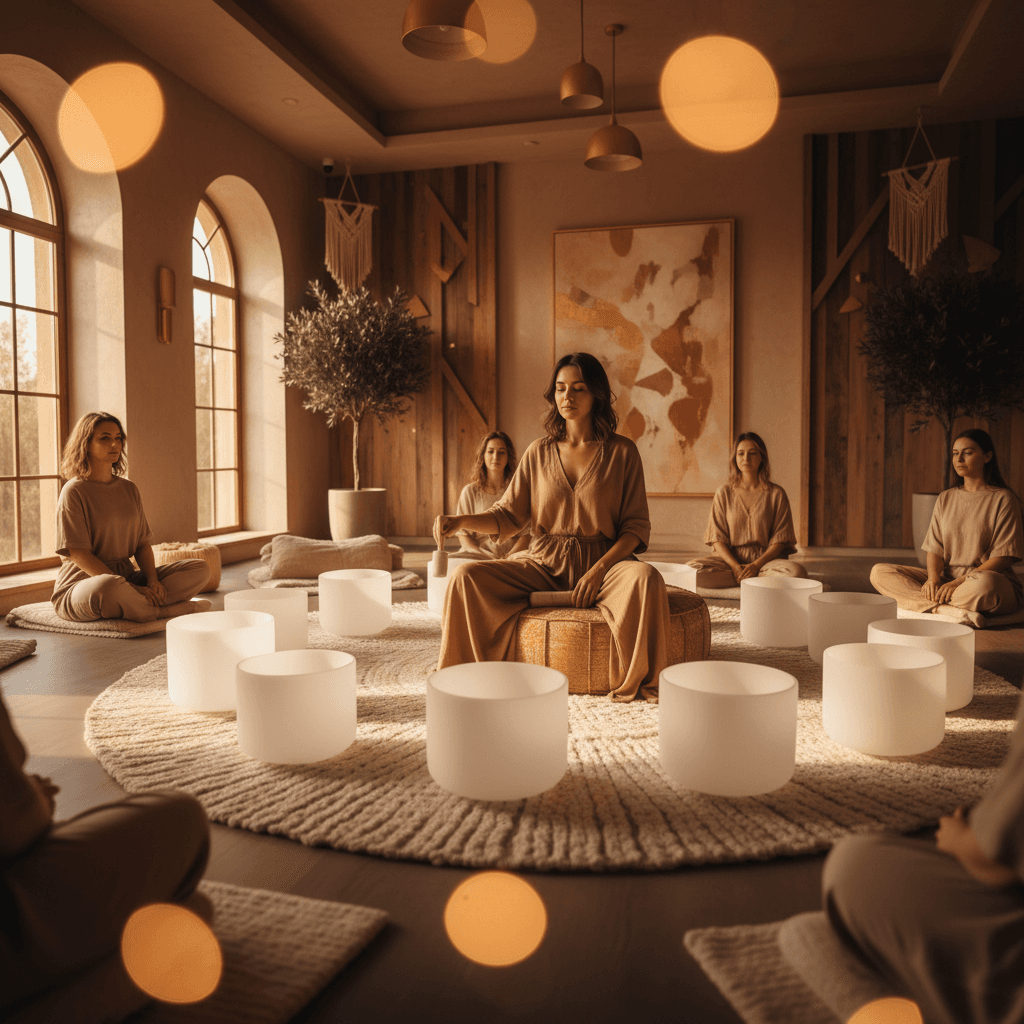
A high-quality virtual sound session prioritizes the clarity and integrity of every tone, vibration, and resonance. This means that the rich, layered sounds of crystal bowls, gongs, and chimes are transmitted with minimal distortion, allowing their full spectrum of frequencies to reach the participant. When the audio is clear and full, it creates a sense of presence, almost as if the instruments are in the room with you. This enhanced auditory experience directly counteracts the "tinny" sound problem, preventing the subconscious judgment and distraction that poor audio can induce.
By actively optimizing your audio setup, you directly address the cognitive load issues highlighted by research. When there's no echo to contend with, no constant background hum, and the sound is delivered with consistent quality, your brain no longer has to expend energy on filtering or compensating. This reduction in extraneous cognitive effort allows for a much smoother transition into relaxed brainwave states, such as alpha and theta, which are conducive to meditation and healing. The mind is freed to focus purely on the sounds, enabling deeper emotional and physiological engagement.
Consider the visual aspect as well. While sound is paramount, the visual environment of a video call can sometimes be a source of "Zoom fatigue." Research from Scientific Reports suggests that switching off self-view during videoconferences significantly reduces fatigue and extraneous cognitive load. For a sound session, this means closing your eyes or turning off your video feed entirely can be incredibly beneficial. It eliminates the distraction of seeing yourself or others, allowing you to fully retreat into your auditory experience and focus inward, mirroring the intention of a traditional sound bath.
"True immersion in sound wellness, even virtually, begins when we consciously strip away the digital distractions and create a focused container for reception. It's about intentional presence in a screen-mediated world."
The practical application of these best practices results in an uninterrupted flow of sound, which is crucial for achieving profound relaxation and nervous system regulation. When the technical elements are seamless, the participant can fully surrender to the journey, experiencing the subtle shifts in vibration that may support stress reduction, pain management, and emotional balance. It's about transforming the digital space into a calm, focused environment where the healing potential of sound can truly resonate.
The Soul Art Approach: Larissa Steinbach's Commitment to Digital Excellence
At Soul Art, the integrity of the sound experience is paramount, whether in person or online. Larissa Steinbach, the visionary founder, deeply understands that the effectiveness of sound wellness hinges on the purity and power of the vibrational frequencies. This understanding drives Soul Art's meticulous approach to virtual sessions, ensuring that even through a screen, clients receive an experience that is both deeply restorative and scientifically informed.
Larissa's philosophy centers on creating a sacred space for healing, and this extends seamlessly into the digital realm. Recognizing the challenges inherent in virtual sound transmission, Soul Art proactively addresses these by investing in professional-grade audio equipment for the practitioner's side. This includes high-fidelity microphones and sound interfaces designed to capture the rich overtones and subtle nuances of instruments like crystal singing bowls, Himalayan bowls, gongs, and chimes. This commitment ensures that the source audio transmitted is of the highest possible quality, minimizing the degradation that can occur in digital compression.
Furthermore, Soul Art's approach goes beyond just the technical setup. Larissa Steinbach emphasizes the importance of guiding participants in optimizing their personal environment and technology. This means providing clear, actionable advice before each session, empowering clients to prepare their space and devices for optimal reception. This proactive guidance helps to mitigate common Zoom audio issues, allowing participants to fully immerse themselves without technical distractions.
What makes the Soul Art method unique in a virtual context is this blend of cutting-edge technical preparation and heartfelt intention. The specific instruments chosen by Larissa are selected not only for their inherent vibrational qualities but also for their ability to project a clear, resonant sound that translates well through digital mediums. The intention is to create an auditory "sanctuary" that transcends physical distance, helping participants to:
- Restore their nervous system: By facilitating a coherent and stable sound field.
- Discover deep relaxation: Through minimizing digital interference and maximizing sonic clarity.
- Experience the frequency of well-being: By consciously addressing the technical and cognitive barriers of online platforms.
Soul Art's dedication ensures that every virtual sound session is a carefully curated experience, designed to deliver the profound benefits of sound wellness with integrity and excellence. It is a testament to Larissa Steinbach's vision: to make transformative wellness accessible, no matter the medium, by embracing both the art and the science of sound.
Your Next Steps: Optimizing Your Virtual Sound Wellness Environment
Elevating your virtual sound wellness experience doesn't require complex technical knowledge; it simply requires intentionality and a few strategic adjustments. By implementing these scientifically-backed best practices, you can significantly enhance the clarity of sound, reduce digital fatigue, and deepen your journey into relaxation. Think of these steps as creating your personal, optimized sanctuary for receiving the full benefits of sound.
Here are 3-5 actionable steps you can implement today to prepare for your next online sound session:
- Choose One Device & Use a Headset: To prevent disruptive echoes and minimize background noise, always join your Zoom session from a single device. Crucially, invest in a good quality headset (headphones with an integrated microphone) or external microphone. This will capture your own audio clearly if you need to speak, and, more importantly, deliver the sound practitioner's audio directly and richly to your ears, bypassing room acoustics that can distort sound. Set your microphone volume to a moderate level where you can be heard clearly, but not so high that it picks up every minor ambient sound.
- Prioritize a Stable Internet Connection & Reduce Bandwidth Strain: A wired Ethernet connection is always superior to Wi-Fi or cellular data for stability and bandwidth. If wired isn't an option, ensure your Wi-Fi signal is strong. Crucially, before and during your session, close all other unnecessary applications on your computer (browsers, streaming services, heavy programs). Ask others sharing your internet connection to avoid bandwidth-intensive activities like large downloads, streaming video (Netflix, YouTube), or cloud backups. This dedicates maximum bandwidth to your Zoom session, preventing choppy audio or video.
- Optimize Your Zoom Application Settings: Keep your Zoom application updated to ensure you have the latest features, security, and performance. Within Zoom's audio settings, ensure "Computer Audio" is selected. Consider disabling HD video in your Zoom settings (click the gear icon, then 'Video', uncheck HD) as this frees up significant bandwidth, even if your camera is off. For deeper immersion, consider turning off your self-view during the session, reducing a common source of cognitive load and distraction.
- Create a Dedicated Physical Space: Beyond technology, prepare your physical environment. Choose a quiet room where you won't be disturbed. Dim the lights, light a candle if safe, and make yourself comfortable with blankets or cushions. This conscious act of creating a peaceful setting reinforces your intention to relax and be present, complementing the technical optimizations.
- Set Intentions for Openness: Before the session begins, take a few deep breaths and set an intention to be open to receiving the sounds and their potential benefits. While technology optimizes delivery, your mindset optimizes reception.
By embracing these practical adjustments, you're not just improving a video call; you're actively shaping an environment conducive to deep rest and profound relaxation. These simple steps empower you to unlock the full potential of virtual sound wellness, allowing you to truly experience the resonant frequencies designed to restore your inner balance.
In Summary: Harmonizing Technology with Inner Peace
The journey into sound wellness, whether in the serene studios of Dubai or the quiet comfort of your home, is an profound act of self-care. While virtual platforms offer incredible accessibility, they also demand our conscious attention to technical nuances that can either enhance or diminish the experience. We've explored the scientific realities of digital audio and cognitive load, understanding how factors like sound clarity, connection stability, and even visual cues impact our ability to fully engage and receive the benefits of sound.
At Soul Art, under the expert guidance of Larissa Steinbach, the commitment to delivering an authentic and impactful sound wellness journey remains unwavering. By understanding and implementing best practices for Zoom sound sessions – from optimizing your device and internet connection to mindful adjustments within the application itself – you empower yourself to transcend the digital interface. These efforts transform a screen-mediated interaction into a deeply immersive, restorative experience, allowing the pure frequencies of sound to support your nervous system, reduce feelings of stress, and foster a profound sense of inner peace. Embrace these practices, and unlock the full potential of your virtual sound bath experience, bringing the harmony of Soul Art directly to your space.
Bookings Coming Soon
Soul Art is still in preparation. Session details and booking will be published here after launch.
Coming Soon
Wellness Disclaimer: This article is for educational and informational purposes only. It does not constitute medical advice, diagnosis, or treatment. Soul Art Dubai provides non-medical wellness experiences focused on relaxation, stress management, and general wellbeing. Sound wellness is a complementary practice and should not replace professional medical care.
Related Articles
Unseen Ears: Unpacking Voice-Activated Sound & Your Wellbeing
Precision Resonance: Digital Audio Workstations for Healing
Spectrum Analyzers: Unveiling the Science of Sound for Wellness