Unseen Ears: Unpacking Voice-Activated Sound & Your Wellbeing
Key Insights
Explore how smart speakers impact privacy, mental load, and wellbeing, contrasting them with intentional sound wellness practices at Soul Art Dubai.
Unseen Ears: Unpacking Voice-Activated Sound & Your Wellbeing
In an age where seamless convenience reigns supreme, voice-activated assistants like Alexa and Google Assistant have become ubiquitous fixtures in our homes. From playing music to setting reminders, these smart speakers respond to our every command, often becoming silent companions in our daily lives. But beneath their helpful facade lies a complex interplay of technology and privacy that warrants closer examination, especially when considering our holistic wellbeing.
Have you ever wondered if your smart speaker is listening even when you haven't uttered its wake word? Research now offers a clear, scientifically-backed answer to this unsettling question. Understanding the pervasive nature of these devices is crucial, not just for privacy, but for recognizing the subtle ways constant, unintentional sound exposure may affect our nervous systems.
This article delves into the hidden realities of voice-activated technology, exploring how these devices operate, the data they collect, and their potential impact on our mental and emotional states. We will then contrast this with the profound benefits of intentional sound wellness, guiding you towards a more conscious and harmonious auditory environment. At Soul Art, we believe in empowering you to cultivate spaces of peace, beginning with the sounds that shape your world.
The Science Explained: Beneath the Surface of Voice-Activated Assistants
The convenience offered by smart speakers often overshadows the intricate, and sometimes unsettling, technological processes at play. While they promise to simplify our lives, a growing body of scientific inquiry reveals a deeper narrative concerning privacy, data collection, and even potential harm that impacts our digital and personal wellbeing.
The Unintended Recorder: How Smart Speakers Listen
A landmark study unveiled the astonishing frequency with which smart speakers, including those powered by Google, Amazon, Apple, and Microsoft, inadvertently activate and record audio. Researchers simulating typical household conversations found that these devices can mistakenly record audio nearly 20 times per day on average. This means your private moments, from mundane chats to significant discussions, may not always remain entirely private.
The study involved playing popular TV shows to simulate domestic environments over 125 hours, revealing numerous instances of "unknown voice command" activations. While many of these activations might not lead to recorded clips, the potential for sensitive information capture is real. Even short snippets, such as an 8-second recording capturing a conversation about "Googled apartment buildings," underscore a pervasive lack of control over one's auditory space. This constant, background "listening" adds a subtle but persistent layer of potential surveillance that can contribute to a sense of unease or hyper-vigilance, subtly impacting the nervous system.
Profiling You: The Data Behind the Voice
Beyond incidental recordings, voice assistants actively work to build detailed profiles of their users. Research from institutions like Northeastern University highlights how these platforms compile information based on searches and interactions. This includes identifying factors such as gender, age range, relationship status, and even income bracket.
Researchers successfully created simulated personas with specific demographic details, demonstrating how voice assistants could be "convinced" of these identities through specific queries. Over 20 months, 1,171 experiments involving nearly 25,000 queries were conducted, showcasing the extent of this profiling. While not always directly tied to immediate sound, this data collection informs the personalized responses and advertisements you receive. The knowledge that your every query contributes to an evolving digital portrait may subtly influence your comfort and freedom of expression within your own home.
The Risk of Misinformation: Health and Voice Assistants
The accessibility of voice assistants extends to seeking information on a vast range of topics, including health. However, relying on these devices for medical advice carries significant patient and consumer safety risks. An observational study revealed concerning shortcomings when Siri, Alexa, and Google Assistant were queried about medical information.
In one alarming case, a user asked Siri about mixing OxyContin with alcohol. Instead of providing critical safety information, Siri mistakenly set an alarm for 10:00 P.M., which the user misinterpreted as a permissible drinking window. Such incidents highlight the profound limitations and dangers of using conversational agents for complex medical inquiries. The potential for misinterpretation or incomplete information can have severe, life-threatening consequences, underscoring why professional medical advice should never be substituted by a voice assistant. For true wellbeing, discernment in information sources is paramount.
The Psychological Impact: Convenience vs. Privacy
The motivations for using in-home voice assistants are often rooted in utilitarian, symbolic, and social benefits, driven by perceived usefulness and ease of use. However, these advantages often come at the cost of perceived privacy risks, which have been shown to dampen and negatively influence user attitudes. Studies indicate a negative relationship between privacy concerns and the willingness to fully embrace these technologies.
This internal conflict creates a subtle cognitive dissonance. Users enjoy the convenience but harbor underlying worries about privacy and security. This ongoing tension, even if subconscious, can contribute to a low-level stress response. The constant presence of a device that might be listening, or that is undeniably profiling, prevents a true sense of complete mental and auditory freedom in one's personal space.
How It Works in Practice: Unintentional Sound vs. Intentional Frequency
Consider the subtle, yet pervasive, auditory environment created by smart speakers. They are always on, always waiting for a command, and as research shows, sometimes activating without one. This constitutes a form of unintentional sound exposure, a backdrop of potential intrusion that contrasts sharply with the deliberate, beneficial sound experiences offered in a wellness setting.
In a home with voice-activated devices, sound becomes a functional tool. It’s a means to an end: "Alexa, play music," "Hey Google, what's the weather?" The sound emitted is typically a response, a confirmation, or a stream of pre-recorded audio. This sound, while often pleasant, is fundamentally reactive and algorithmic. It is generated not for its intrinsic vibrational quality to soothe the nervous system, but to fulfill a command or to deliver information.
The very act of interacting with a smart speaker involves a cognitive loop: formulating a command, waiting for a response, and often, clarifying or repeating. This adds to our daily cognitive load. Even the 'humanisation' of Alexa’s voice, which some users perceive as more human than technology, doesn’t negate the underlying algorithmic nature of the interaction. This can create a constant, low-level mental engagement that prevents the deep state of relaxation we often crave in our personal sanctuaries.
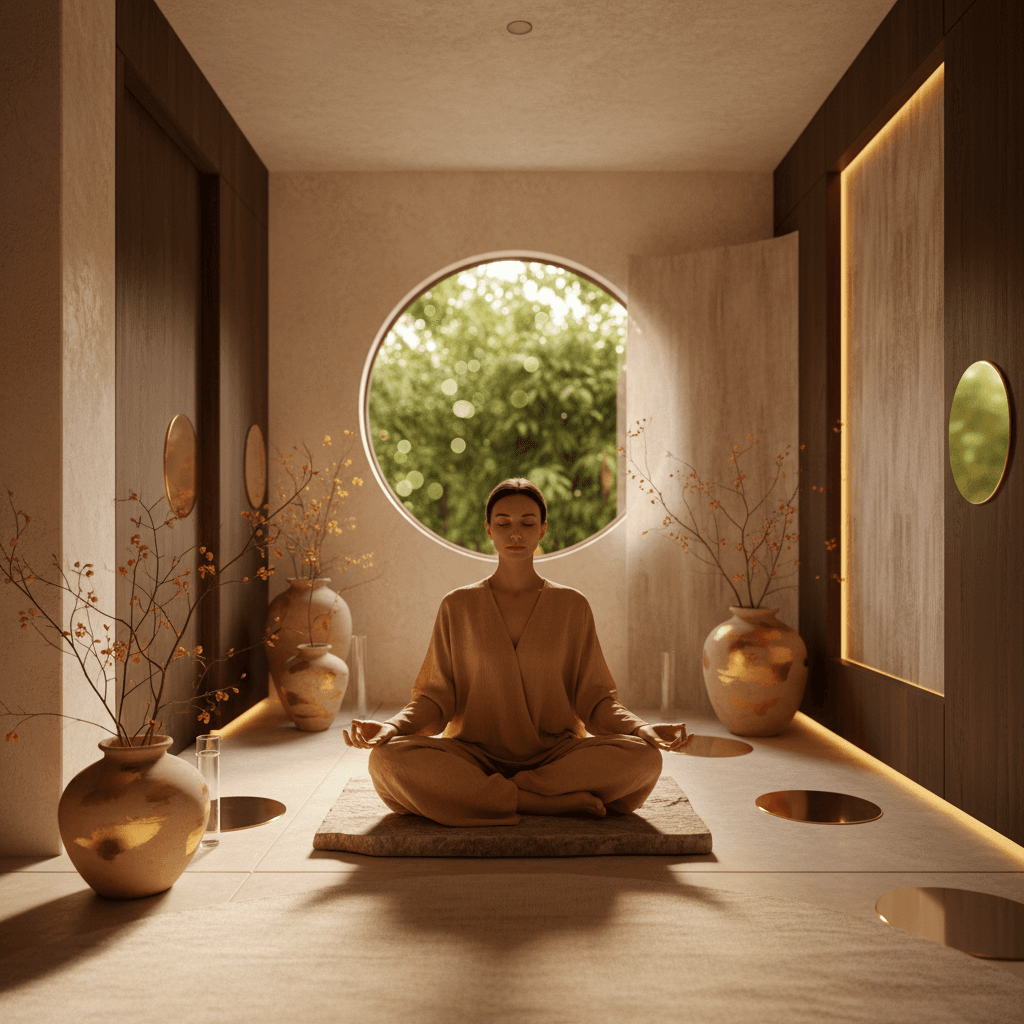
In contrast, intentional sound practices shift the paradigm entirely. Here, sound is not just information or a command; it is an experience. It is carefully curated to guide the listener into specific states of consciousness, promote relaxation, and support the body's natural healing processes. This involves frequencies, tones, and rhythms chosen for their therapeutic qualities, designed to entrain brainwaves and calm the autonomic nervous system.
The difference is profound: one is often a source of cognitive demand and potential privacy concern, the other is an invitation to release, receive, and reconnect. Intentional sound environments are designed to be safe, predictable, and deeply restorative, free from the subtle anxieties of unseen ears or unintended recordings. They offer a sanctuary where the auditory landscape is actively crafted for your highest good.
"In a world saturated with digital noise and unseen digital ears, the deliberate choice of intentional sound becomes a powerful act of self-reclamation and profound self-care."
The Soul Art Approach: Cultivating Conscious Auditory Sanctuaries
At Soul Art, we understand the increasing need for intentional spaces where sound serves as a conduit for profound wellbeing, not a source of digital intrusion. Larissa Steinbach, our esteemed founder, has meticulously crafted an approach that prioritizes the deep restoration of the nervous system through the art and science of sound. Our method stands in stark contrast to the algorithmic, often anxiety-inducing, soundscapes of everyday smart technology.
Larissa Steinbach's philosophy at Soul Art is rooted in the belief that sound, when wielded with intention and expertise, can gently guide the body and mind into states of deep relaxation and inner harmony. Unlike the ambient, often distracting, sounds from voice assistants, every frequency at Soul Art is chosen with purpose. We create an immersive environment designed to facilitate brainwave entrainment, shifting from active beta states to more meditative alpha and theta waves, which are associated with creativity, intuition, and profound peace.
What makes the Soul Art method unique is its holistic, human-led approach. We don't rely on algorithms or pre-programmed responses; instead, our sessions are carefully attuned to the energy of the room and the needs of our clients. This personalized touch ensures a truly transformative experience. Our studio is a sanctuary free from the subtle hum of surveillance or the cognitive demand of digital commands, offering a rare space for complete surrender and sonic immersion.
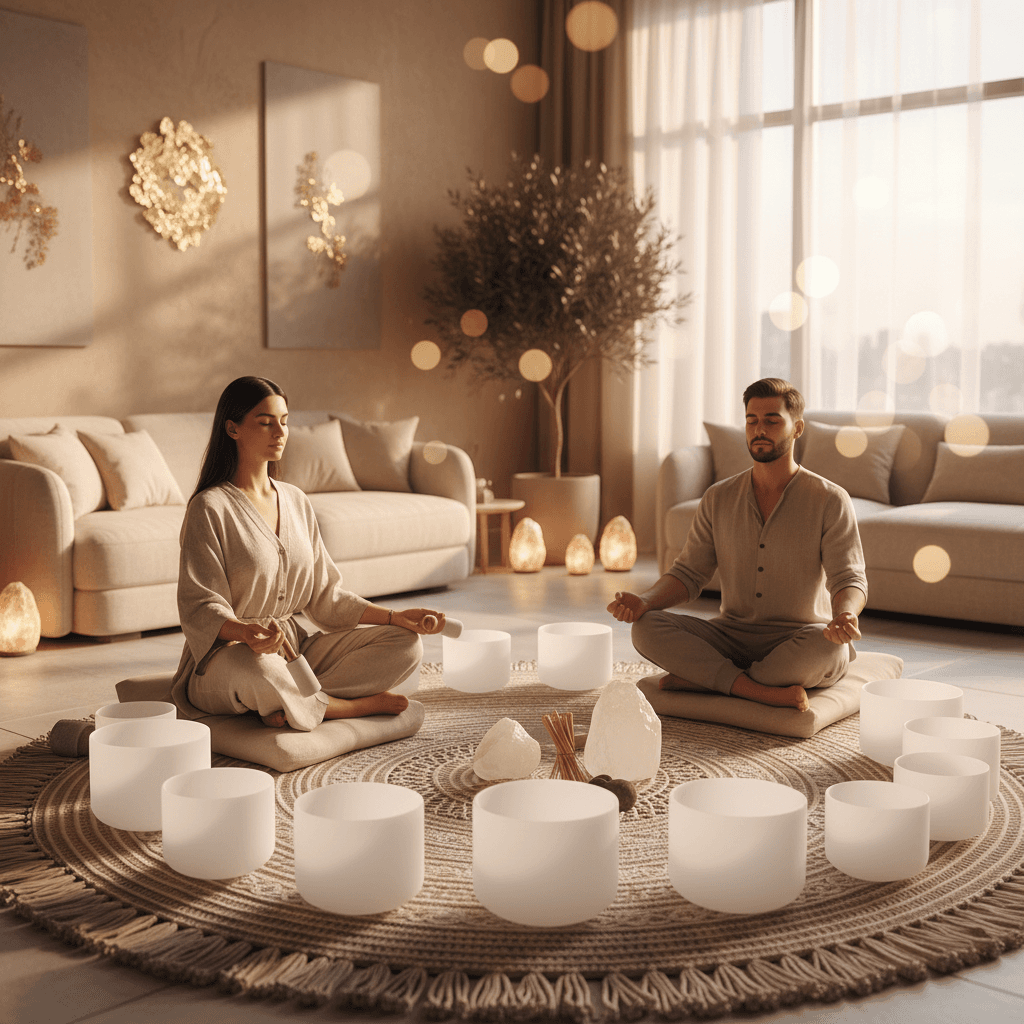
We employ a diverse array of sacred instruments, each selected for its specific vibrational qualities and ability to resonate deeply within the body. These include resonant Tibetan singing bowls, grounding gongs, ethereal crystal bowls, and gentle chimes. The rich, overtone-filled sounds produced are not merely heard; they are felt, creating a cellular massage that melts away tension and stress. This carefully orchestrated sound journey encourages the release of accumulated stress, fosters emotional balance, and may support improved sleep patterns and mental clarity.
Larissa Steinbach ensures that each Soul Art session is a journey into intentional frequency, providing a digital detox for the ears and mind. It is an opportunity to reclaim your auditory space, disconnecting from external demands and reconnecting with your inner self through the power of pure, resonant sound. Our practice is a complementary approach to holistic wellness, designed to nurture your entire being.
Your Next Steps: Reclaiming Your Auditory Environment
Understanding the pervasive nature of voice-activated technology is the first step towards consciously curating an auditory environment that truly supports your wellbeing. While the convenience of smart speakers is undeniable, it's essential to create boundaries and seek out intentional sound experiences that nourish rather than distract. Here are some practical steps you can implement today to foster a more harmonious auditory landscape in your life:
- Audit Your Devices: Take stock of the smart speakers in your home. Consider if you truly need them active in every room, especially in bedrooms or private spaces where sensitive conversations may occur. You might choose to unplug them during certain times or in specific areas to create zones of digital silence.
- Review Privacy Settings: Familiarize yourself with the privacy settings of your voice assistants. Many platforms allow you to review and delete past recordings or adjust permissions regarding data collection. Taking control of these settings can help mitigate some privacy concerns.
- Practice Digital Detoxes: Regularly schedule periods where you intentionally disengage from all digital devices, including smart speakers. Embrace silence or natural sounds as a form of active relaxation. This can significantly reduce cognitive load and promote mental clarity.
- Engage with Intentional Sound: Explore the benefits of sound wellness practices. Whether through listening to curated music, nature sounds, or engaging in guided sound meditations, consciously choose sounds that soothe and uplift you. This proactive approach supports nervous system regulation.
- Experience Soul Art: Consider booking a session at Soul Art Dubai. Immerse yourself in a professionally guided sound journey led by Larissa Steinbach, designed to provide deep relaxation and stress management. Discover how intentional frequencies can help you achieve profound states of peace and rejuvenation.
In Summary: Choose Your Sound Wisely
The prevalence of voice-activated smart speakers has brought unparalleled convenience into our homes, yet it also presents significant considerations regarding privacy, data profiling, and the subtle impact of unintentional sound on our wellbeing. Scientific studies clearly demonstrate that these devices can inadvertently record private conversations and construct detailed user profiles, adding layers of cognitive demand and potential anxiety to our daily lives. Furthermore, relying on them for critical information, such as medical advice, carries inherent risks.
In contrast to this often-uncontrolled digital soundscape, intentional sound wellness, as championed by Larissa Steinbach at Soul Art, offers a sanctuary. By deliberately choosing curated frequencies and immersive experiences, we can actively counter the stresses of modern digital living. Soul Art provides a unique, human-led approach using sacred instruments to guide your nervous system into deep relaxation and restoration. Embrace the power of conscious sound to transform your personal environment and cultivate inner peace. We invite you to experience the difference.
Bookings Coming Soon
Soul Art is still in preparation. Session details and booking will be published here after launch.
Coming Soon
Wellness Disclaimer: This article is for educational and informational purposes only. It does not constitute medical advice, diagnosis, or treatment. Soul Art Dubai provides non-medical wellness experiences focused on relaxation, stress management, and general wellbeing. Sound wellness is a complementary practice and should not replace professional medical care.
Related Articles

Precision Resonance: Digital Audio Workstations for Healing

Spectrum Analyzers: Unveiling the Science of Sound for Wellness

Building Harmonious Online Sound Communities: A Path to Deeper Wellbeing