Reclaim Your Calm: Sound-Based Reset Rituals for Zoom Fatigue
Key Insights
Combat Zoom fatigue with science-backed sound wellness rituals. Discover how Larissa Steinbach and Soul Art Dubai offer effective strategies for nervous system reset and cognitive recovery.
The Hidden Cost of Connectivity: Mastering Zoom Fatigue with Sound
In our hyper-connected world, virtual meetings have become an indispensable part of daily life, whether for work, education, or social interactions. Yet, the convenience of digital communication often comes at a significant cost: Zoom fatigue. This pervasive exhaustion isn't merely a feeling of being tired; it's a profound cognitive and emotional drain that impacts productivity, well-being, and overall mental clarity. Many individuals find themselves feeling more depleted after a day of virtual calls than after a full day in a physical office environment.
Imagine reclaiming your energy, sharpening your focus, and finding moments of profound calm amidst back-to-back virtual engagements. This article delves into the scientific underpinnings of Zoom fatigue and introduces a powerful, often overlooked solution: sound-based reset rituals. At Soul Art, Dubai's premier sound wellness studio, founded by the visionary Larissa Steinbach, we explore how intentional sound can rapidly help your nervous system reset, calming overstimulation and enabling faster recovery. You will discover practical, scientifically-grounded strategies to transform your digital workday and restore your innate sense of balance.
Understanding these dynamics is not just about coping; it's about actively cultivating resilience and enhancing your well-being in an increasingly virtual world. We invite you to explore the profound potential of sound to bring tranquility and renewed vitality back into your daily routine.
The Science Explained: Why Virtual Meetings Exhaust Us So Deeply
Before we uncover the transformative power of sound, it's essential to understand the unique stressors that make virtual meetings so uniquely exhausting. Zoom fatigue is a complex phenomenon, rooted in distinct neurophysiological responses to the digital environment. It's not just "screen time" but a specific form of sensory and cognitive overload.
The Cognitive Overload of Virtual Presence
Research from Stanford University’s Virtual Human Interaction Lab (2021) identified several key factors contributing to Zoom fatigue. These factors highlight how our brains and bodies are forced to work overtime in ways that differ significantly from in-person interactions. One primary driver is the intense and prolonged eye gaze required during video calls, which can feel unnatural and create a constant sense of being observed. This often triggers a feeling of heightened social evaluation.
Furthermore, the perpetual self-view feature, where you see your own reflection during calls, significantly increases cognitive load. This self-awareness can become a serious stress factor, as it activates brain areas related to processing rejection-related distress and negative emotions (Slavich et al., 2010). Studies indicate that simply seeing your own image measurably increases the brain's fatigue response (Whelan, MIT Sloan Review).
Lack of physical mobility is another critical element. Prolonged sitting and the inability to move naturally during virtual meetings prevent the discharge of nervous system energy. This sedentary state contributes to physical tension and mental stagnation. Moreover, the effort required to interpret non-verbal cues in a compressed, often delayed digital format adds to the cognitive burden. Delays in communication, even milliseconds long, can interrupt interactions and trigger an orienting response, activating brain regions associated with action control (Kohrs et al., 2016). In essence, your brain is constantly trying to fill in the gaps and compensate for what's missing or distorted in the virtual space.
The Nervous System's Call for Calm
The cumulative effect of these stressors pushes the nervous system into a heightened state of alert, often referred to as the "fight or flight" (sympathetic) response. Our bodies are primed for perceived threats, leading to increased heart rate, shallow breathing, and sustained muscle tension. This constant state of vigilance is profoundly draining and prevents the necessary downshift into rest and digest (parasympathetic) mode.
The good news, however, is that sound is one of the fastest ways to help your nervous system reset. Unlike taking a long break, which isn't always feasible after back-to-back calls, intentional sound offers an immediate and accessible pathway to calm overstimulation. It provides a direct channel to influence brainwave states and physiological responses. By engaging our auditory system purposefully, we can guide the body and mind away from digital overload and towards a state of recovery, allowing us to feel more prepared for the next block of work or personal engagement. Sound bypasses many cognitive barriers, making it a powerful tool for rapid nervous system regulation and stress reduction.
How It Works in Practice: Connecting Theory to Real-World Application
Understanding the science behind Zoom fatigue lays the groundwork for appreciating how sound interventions can be so effective. Soul Art's approach focuses on practical, sensory-rich experiences that directly address the core issues of digital exhaustion. Our clients often report a profound and immediate shift, moving from a state of wired fatigue to one of grounded serenity.
Counteracting High-Frequency Auditory Fatigue
Zoom calls frequently create a subtle yet insidious high-frequency auditory fatigue. This stems from the compression artifacts, overlapping voices, and the constant, often jarring dialogue that characterize virtual communication. This auditory assault keeps our nervous system on edge, contributing to the overall sense of depletion. To counteract this, preliminary research suggests that low-frequency sounds, such as brown noise or deep ambient tones, can help. Herrera-Altamirano et al. (2021) found that these sounds may promote cognitive recovery by gently guiding the brain into a more relaxed state.
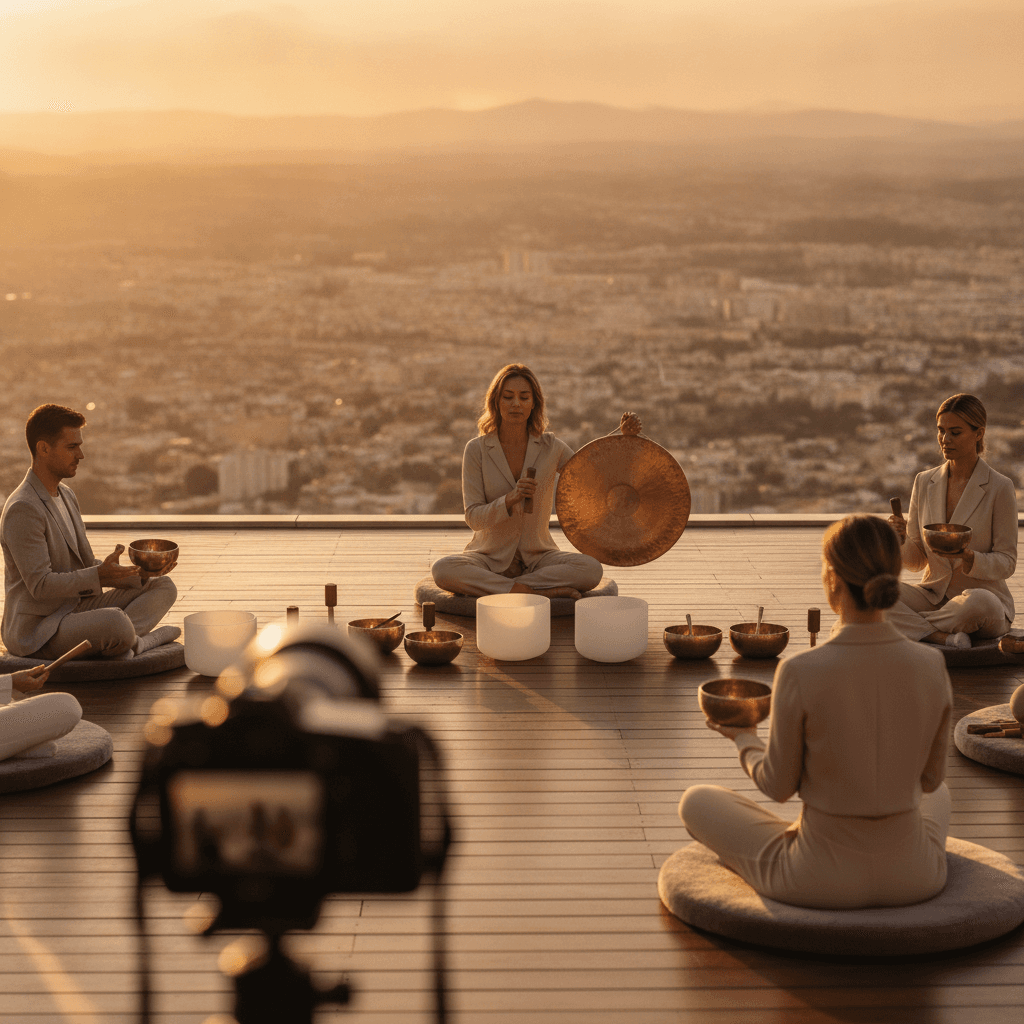
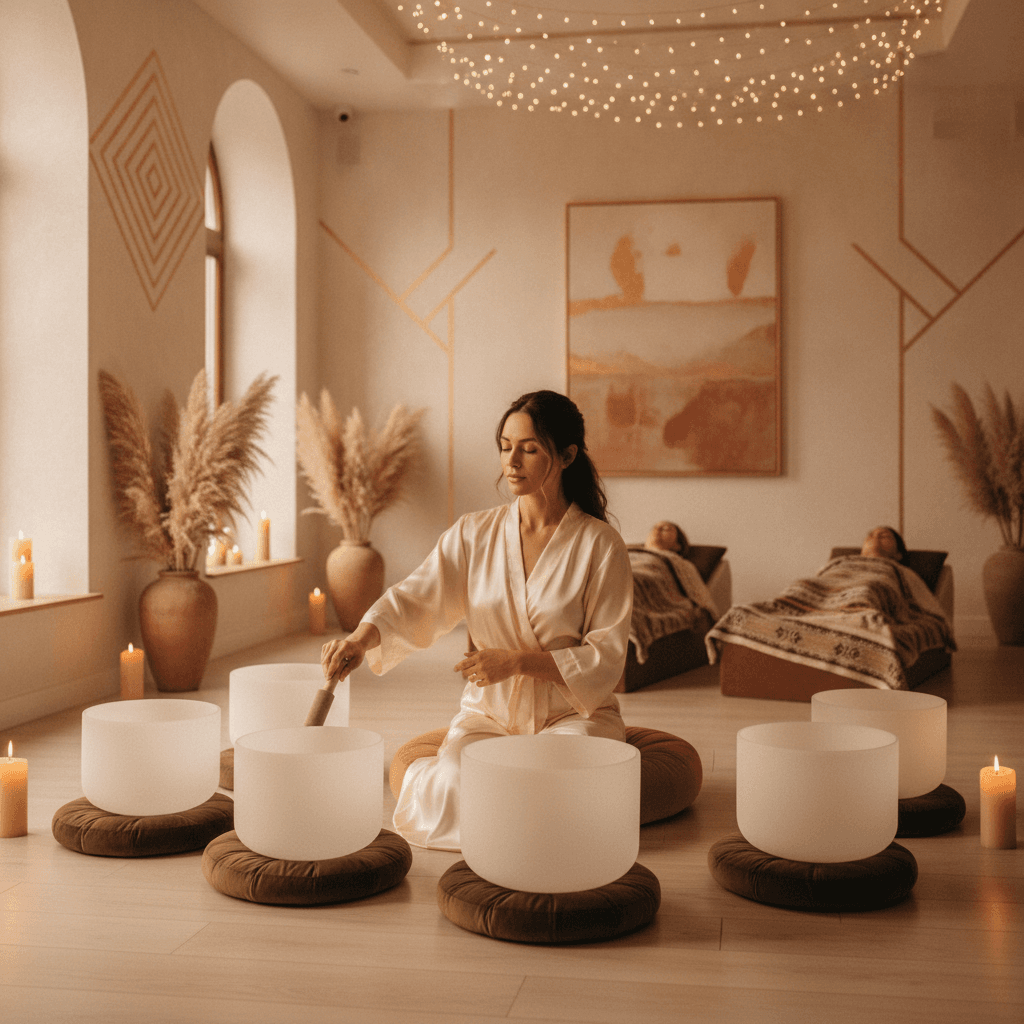
In practice, this means immersing yourself in deeply resonant, sustained soundscapes that feel expansive and grounding. Imagine the feeling of a heavy, rolling wave or a deep hum that vibrates through your chest, calming the inner chatter. Clients at Soul Art experience this through instruments like large gongs or deep-toned singing bowls, which produce powerful, sustained low frequencies that wash over the auditory system, helping to "cleanse" it of high-frequency overstimulation and restore a sense of spacious calm.
Shifting the Tempo with Breath-Led Soundtracks
Zoom calls often leave us in a heightened sympathetic state – fast breathing, tension held in the shoulders, and a shallow focus that makes sustained concentration challenging. One highly effective way to shift this is by pairing intentional breath work with tempo-matched music. Slow, rhythmically consistent music has the remarkable ability to entrain your breathing and heart rate, leading to measurable stress reduction (Bernardi et al., 2009). This means your physiological rhythms begin to synchronize with the external rhythm, slowing down and becoming more regular.
At Soul Art, we curate sound journeys designed to gently guide your breath into a deeper, more even rhythm. Consider a serene soundtrack featuring a steady, gentle beat, perhaps from a hand drum or a soft percussive instrument, accompanied by ambient melodies. As you consciously match your inhale and exhale to the music's tempo, you experience a natural deceleration of your physiological responses. This breath-led sonic immersion can feel like a gentle lullaby for your nervous system, allowing tension to melt away and focus to become clearer and more sustained. Many people report feeling a profound sense of peace and mental clarity, as if their internal rhythm has been restored.
Using Sound to Mark Transitions Between Work Modes
A significant contributor to Zoom fatigue is the lack of clear transitions. We often jump abruptly from one virtual meeting to another, or from a call directly into deep work, without any psychological buffer. This absence of clear boundaries leaves the brain struggling to switch cognitive modes effectively. Using sound as a ritual cue, however, provides a powerful mechanism to help your brain mark the end of one activity and the beginning of another, a concept well-supported by behavioral neuroscience (Graybiel, 2008).
Imagine ending a demanding video call and immediately engaging a specific, short sound ritual. This might involve a clear, resonant chime, a brief guided sound meditation, or even a specific piece of instrumental music played for just a minute or two. This sonic marker acts as a mental punctuation mark, signaling to your brain that the previous cognitive demands are concluding and a new state is beginning. It creates a subtle but potent psychological container for each activity. Clients often describe this practice as creating "mini-resets" throughout their day, preventing the accumulation of mental residue from one task to the next and enhancing overall focus and presence in each subsequent activity.
Combining Sound With Movement for Full-Body Reset
Finally, for a truly holistic recovery, pairing sound with light, intentional movement significantly amplifies its effect. Prolonged sitting, a major contributor to Zoom fatigue, leads to the buildup of physical tension and stagnant energy in the nervous system. Movement, even subtle, helps to discharge this accumulated energy, releasing physical and mental constraints. This multimodal approach ensures that recovery is not just mental but deeply embodied.
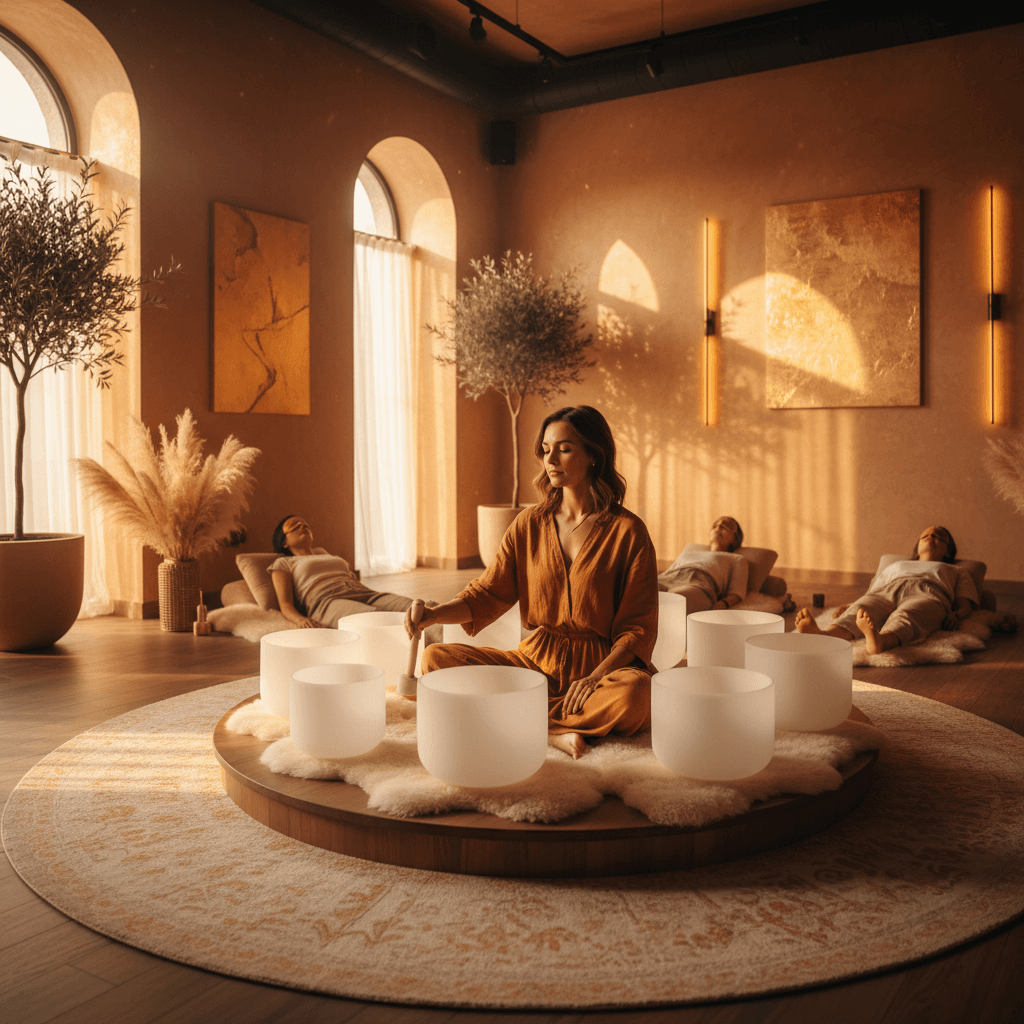
At Soul Art, a sound bath might be gently integrated with a short, mindful stretching sequence or gentle somatic movements. As soothing, ambient sounds wash over you, you might be guided to slowly roll your shoulders, stretch your spine, or gently sway your body. The combination allows the sounds to penetrate deeper, facilitating the release of tension stored in muscles and connective tissues. This integrated practice helps your entire system downshift, preventing you from carrying the energetic residue and physical discomfort of video calls into the rest of your day. It creates a full-body relaxation response, promoting a sense of ease and fluidity that extends far beyond the session itself.
The Soul Art Approach: Larissa Steinbach's Unique Vision
At Soul Art, Dubai, we believe that true well-being stems from a harmonious balance of mind, body, and spirit. This philosophy is deeply embedded in our approach to combating modern stressors like Zoom fatigue, guided by the profound expertise of our founder, Larissa Steinbach. Larissa has meticulously crafted a unique methodology that transcends simple relaxation, offering bespoke sound journeys designed for deep nervous system recalibration and cognitive renewal.
What makes the Soul Art method unique is its blend of ancient wisdom and contemporary scientific understanding. Larissa Steinbach designs each session with intention, curating frequencies and sonic textures that specifically target the physiological and psychological impacts of digital exhaustion. We don't just play sounds; we craft immersive soundscapes engineered to guide your brainwave states, synchronize your internal rhythms, and release accumulated tension. Our serene studio environment in Dubai is itself a sanctuary, carefully designed to enhance the sound experience and promote deep restoration.
We utilize a diverse array of sacred instruments, each chosen for its distinct resonant qualities and therapeutic potential. This includes the rich, earthy vibrations of Himalayan singing bowls, which create grounding low frequencies and complex overtones; the pure, expansive tones of crystal singing bowls, known for their ability to align with the body's energy centers; the profound, full-spectrum vibrations of gongs, which facilitate a complete sonic immersion; and the delicate, restorative frequencies of chimes and tuning forks. These instruments are not merely tools but channels for intentional vibration, delivered with precision and empathy.
Larissa's approach emphasizes the holistic nature of wellness. Clients engaging with Soul Art’s sound experiences often report not only reduced fatigue and improved focus but also enhanced emotional clarity, a stronger connection to their inner self, and a renewed sense of purpose. It is a complementary approach that supports the body's innate ability to heal and find equilibrium, offering a luxurious pathway to sustained well-being in a fast-paced world.
"In the symphony of modern life, our nervous systems are often pushed to their limits. Sound wellness offers a harmonious counterpoint, a gentle yet powerful reminder of our inherent capacity for calm and resilience." – Larissa Steinbach
Your Next Steps: Integrating Sound Rituals into Your Daily Routine
Recognizing the impact of Zoom fatigue is the first step; actively incorporating strategies to mitigate it is the next. While professional sound wellness sessions offer a deeply immersive experience, there are practical steps you can take today to begin your journey towards a more balanced and energized self. These sound-based rituals are simple yet powerful tools to support your nervous system and reclaim your focus amidst digital demands.
- Create a Sonic Sanctuary: Designate a quiet corner where you can retreat for short sound breaks. Even five minutes of intentional listening to calming ambient music, nature sounds (like ocean waves or gentle rain), or brown noise can make a significant difference. Use quality headphones to minimize external distractions and maximize immersion.
- Schedule Sound Breaks: Just as you schedule meetings, carve out dedicated "sound reset" times in your calendar. These short intervals, perhaps 2-5 minutes between calls, can involve listening to a specific frequency track or even gently ringing a chime to signal a shift in focus. This helps to prevent the cumulative effect of digital stress.
- Utilize Sound for Transitions: Implement a conscious sound cue to mark the end of your workday or a demanding task. This could be a short, calming piece of music, a resonant bell, or a few deep breaths accompanied by a specific tone. This ritual helps your brain transition out of "work mode" and into relaxation, preventing digital residues from spilling into your personal time.
- Explore Guided Sound Meditations: Many apps and online platforms offer guided sound meditations specifically designed for stress reduction and focus. These often incorporate binaural beats or specific frequencies to gently entrain your brainwaves, guiding you towards states of deep relaxation or enhanced concentration.
- Experience Professional Sound Wellness: For a truly transformative and deeply restorative experience, consider booking a session at Soul Art in Dubai. Under the expert guidance of Larissa Steinbach, you can explore personalized sound journeys that address your specific needs, offering a profound nervous system reset and a luxurious escape from the demands of the digital world.
In Summary: Reclaiming Your Vitality with Sound
Zoom fatigue is a prevalent challenge in our digitally driven lives, stemming from the unique cognitive and physiological demands of virtual interactions. Our brains and bodies are working overtime, leading to overstimulation, tension, and reduced cognitive function. The good news is that intentional sound, a powerful and ancient tool, offers a scientifically-backed pathway to rapid nervous system reset and holistic recovery.
By incorporating low-frequency sounds to counteract auditory fatigue, using breath-led soundtracks to entrain physiological rhythms, marking transitions with sonic cues, and combining sound with movement for a full-body reset, we can actively combat digital exhaustion. Soul Art, founded by Larissa Steinbach, stands at the forefront of this wellness revolution in Dubai, offering meticulously crafted sound experiences that blend scientific principles with profound relaxation. We invite you to explore the transformative power of sound and rediscover your innate calm, clarity, and vitality.
Bookings Coming Soon
Soul Art is still in preparation. Session details and booking will be published here after launch.
Coming Soon
Related Articles
Reclaim Your Focus: The Afternoon Slump Sound Ritual for Office Wellness with Soul Art
Corporate Sound Healing: Elevate Employee Well-being & Productivity
Conflict Decompression: Resetting Your Mind After Difficult Meetings with Sound Wellness