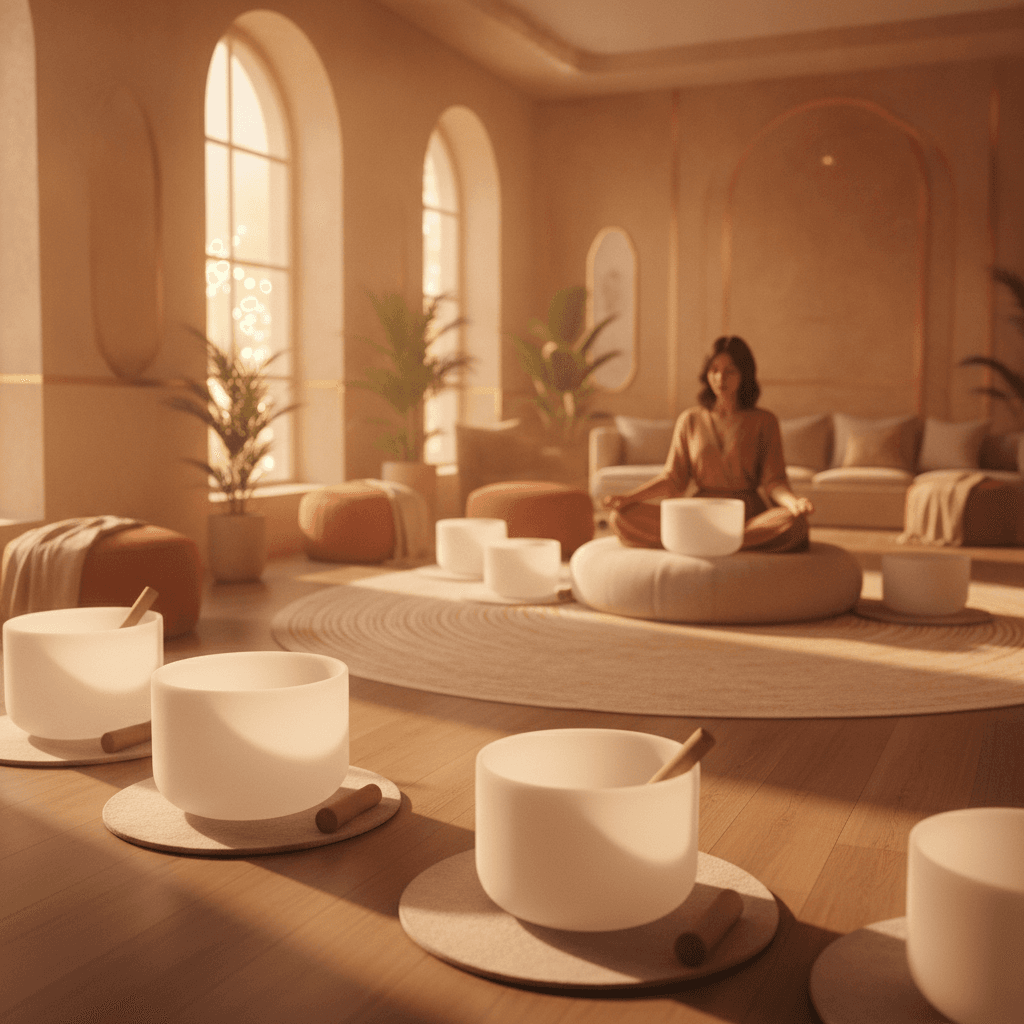
Conflict Decompression: Resetting Your Mind After Difficult Meetings with Sound Wellness
Key Insights
Unwind and re-center after high-tension meetings with sound wellness. Learn the science behind conflict decompression and enhance your focus and emotional resilience at Soul Art Dubai.
Have you ever left a challenging meeting feeling not just tired, but emotionally drained, with lingering tension that shadows the rest of your day? This phenomenon, aptly termed a "meeting hangover," is more common and impactful than many realize. Research from institutions like the University of North Carolina Charlotte indicates that over 90% of employees occasionally experience these post-meeting effects, with more than half reporting a negative impact on their overall workflow and productivity.
Workplace conflict, whether overt or subtle, is an unavoidable reality; studies show that 85% of employees encounter conflict to some degree, and for 29%, it's a frequent occurrence. While organizations increasingly focus on conflict resolution skills, the crucial step of decompression – intentionally processing and releasing the emotional and mental residue of these encounters – often remains overlooked. Yet, failing to address this aftermath can lead to prolonged stress, reduced focus, and a ripple effect of negativity throughout an organization.
This article delves into the profound impact of post-conflict stress and introduces a sophisticated, scientifically-grounded approach to "conflict decompression" through sound wellness. You will discover the physiological underpinnings of tension after difficult interactions, understand how specific sound frequencies can guide your brain and body back to a state of calm, and learn how Soul Art, under the expert guidance of Larissa Steinbach, provides a sanctuary for this vital restoration. Prepare to unlock a new pathway to sustained emotional resilience and heightened professional presence.
The Physiological Toll of Conflict and "Meeting Hangovers"
The aftermath of a difficult meeting extends far beyond the boardroom, permeating our mental and emotional landscape. Steven Rogelberg, a professor at UNC Charlotte and author of "The Surprising Science of Meetings," highlights the pervasive nature of "meeting hangovers," explaining that the negative energy and frustrations from unproductive or conflict-ridden discussions do not simply dissipate. Instead, they "stick with us and it negatively affects our productivity." This persistent mental echo can lead to "co-rumination," where employees vent about frustrations with colleagues, inadvertently spreading negative impacts throughout the organization.
The body’s response to conflict is deeply rooted in our primal survival mechanisms. When faced with perceived threats, such as interpersonal tension or confrontation during a meeting, our autonomic nervous system activates the "fight-or-flight" response. This cascade releases stress hormones like cortisol and adrenaline, leading to increased heart rate, elevated blood pressure, and heightened muscle tension. While beneficial in acute danger, prolonged activation due to unresolved post-meeting stress can contribute to chronic inflammation, weakened immune function, and impaired cognitive abilities.
Furthermore, studies have shown that conflict has stronger negative relations with team performance in highly complex tasks, such as decision-making or project management, compared to less complex tasks. This suggests that the mental fatigue and emotional dysregulation stemming from conflict directly undermine our capacity for critical thinking, problem-solving, and creative collaboration. Effective communication practices are crucial in mitigating these negative outcomes; improved communication has been linked to significant improvements in quality, productivity, and reduced costs in various professional settings. However, even with the best communication, the emotional residue of conflict often necessitates a dedicated decompression strategy.
The Brain's Response to Sound Frequencies
Sound, often underestimated, wields a profound influence over our brain states and physiological functions. The principle behind sound wellness and its ability to facilitate "decompression" lies in brainwave entrainment. Our brains naturally operate across different frequency bands, each associated with distinct states of consciousness:
- Beta waves (13-30 Hz) are characteristic of an alert, focused, and active mind, often associated with problem-solving and decision-making, but also stress.
- Alpha waves (8-12 Hz) signify a relaxed, reflective state, often experienced during light meditation or daydreaming.
- Theta waves (4-7 Hz) are linked to deep relaxation, creativity, and light sleep.
- Delta waves (less than 4 Hz) correspond to deep, restorative sleep and healing.
Sound wellness practices, utilizing instruments like Tibetan singing bowls, gongs, and crystal bowls, produce specific resonant frequencies and harmonic overtones. These sounds introduce rhythmic stimuli to the brain, encouraging it to synchronize its electrical activity with these external frequencies – a process known as entrainment. When the brain entrains to alpha or theta frequencies, it may support a shift from states of hyper-arousal and analytical thought (often dominant after conflict) to profound relaxation and inner calm. This shift helps to quiet the mind’s incessant chatter, reduce rumination, and restore a sense of emotional equilibrium.
Preliminary studies indicate that exposure to certain sound frequencies can influence nervous system regulation, potentially lowering heart rate, blood pressure, and respiratory rate. This physiological down-regulation is crucial for counteracting the lingering stress response initiated by difficult meetings. The vibrations from sound instruments also penetrate the body, creating a subtle cellular massage that many people report further enhances physical relaxation and the release of tension. By engaging both the auditory and somatic senses, sound wellness offers a holistic pathway to restore balance and soothe the nervous system after periods of mental and emotional strain.
The Decompression Metaphor: From Spine to Mind
The term "decompression" is often associated with physical healing, particularly in contexts like non-surgical spinal decompression. This medical procedure, utilizing specialized tables and evidence-based protocols, gently stretches the spine to alleviate pressure on spinal discs, allowing for healing and pain relief. The core principle is to create space, reduce constriction, and facilitate natural restoration within a complex system. This powerful metaphor can be eloquently extended to the realm of mental and emotional well-being, providing a valuable framework for understanding how sound wellness aids in post-conflict recovery.
Just as spinal decompression alleviates physical pressure and promotes a healing environment for discs, "conflict decompression" aims to alleviate mental and emotional pressure, creating space for psychological healing and clarity after difficult interactions. After a high-tension meeting, our minds can feel compressed by a weight of unresolved emotions, racing thoughts, and mental fatigue – akin to a compressed disc impinging on nerves. This psychological "compression" manifests as rumination, stress, and a lack of mental clarity, often leading to reduced productivity and emotional exhaustion.
Sound wellness, in this context, functions as a complementary approach to holistic wellbeing, acting as a gentle yet powerful catalyst for mental decompression. The immersive soundscapes and deep vibrations encourage the mind to release its grip on the conflict's residue. This intentional release creates psychological "space," allowing for clearer thought, emotional processing, and a return to a state of internal balance. By fostering deep relaxation and guiding brainwaves into restorative states, sound wellness helps to reduce the "pressure" of negative emotions and allows the nervous system to reset. This unique application of the decompression principle provides a potent wellness practice for managing post-conflict stress, moving individuals from a state of mental constriction to one of spaciousness and renewed cognitive function.
How It Works in Practice
Imagine stepping out of a meeting where tension was palpable, disagreements were sharp, or the conversation felt unproductive. The immediate aftermath often involves a cascade of unwanted sensations: a racing heart, a tightened jaw, shoulders hunched, and a mind replaying every word, every gesture. This is the "meeting hangover" in full effect, a state where unresolved emotional energy can fester, making it difficult to transition back to focused work or personal equilibrium. Without a deliberate decompression strategy, this emotional residue can accumulate, leading to chronic stress and diminished overall wellbeing.
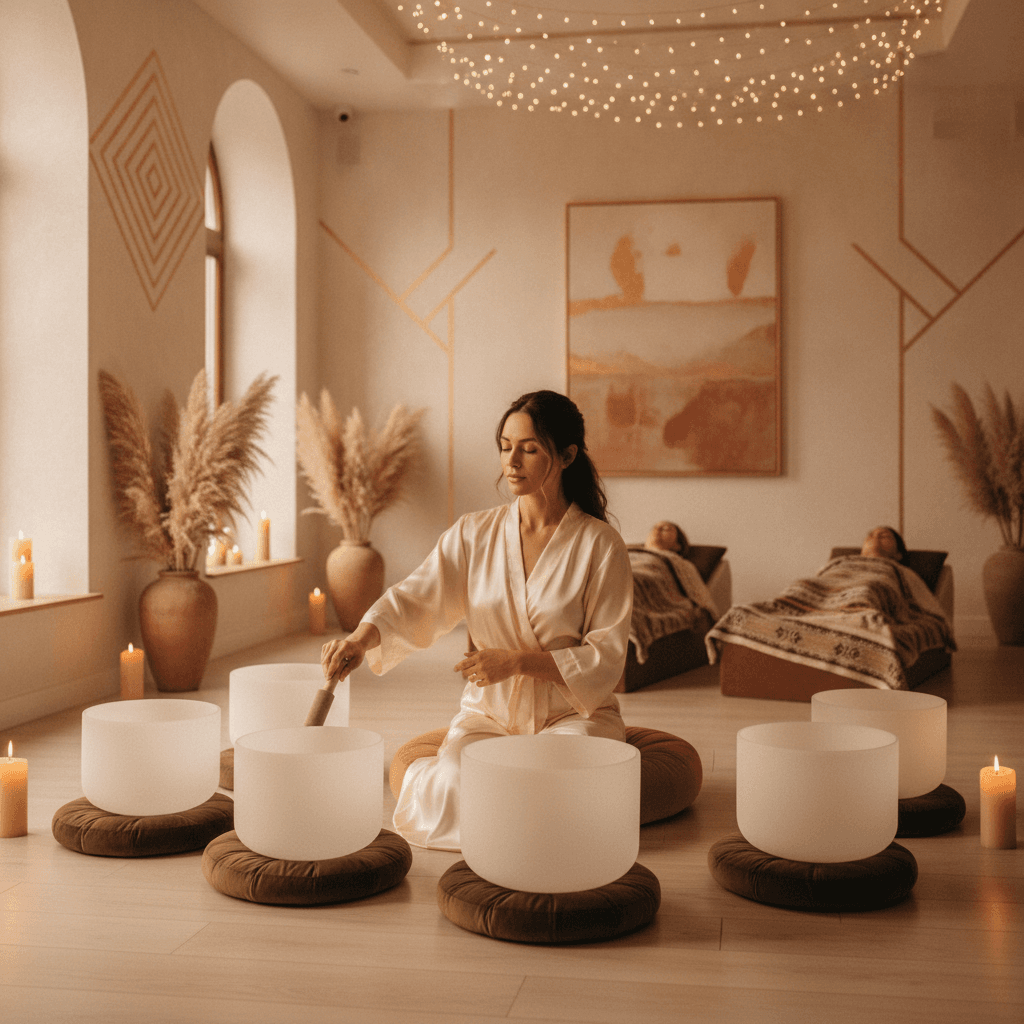
Entering a sound wellness session directly after such an experience offers a profound shift in environment and internal state. The serene ambiance, perhaps a gentle scent, and the welcoming presence immediately begin to signal safety to your nervous system. As you settle into a comfortable position, often lying down with eyes closed, the journey of sound begins. The soft initial chimes or the deep resonance of a gong acts as an invitation to let go, gently drawing your attention away from external stressors and inward.
The carefully selected instruments, each with its unique vibrational signature, create an immersive soundscape that washes over you. The deep, sustained tones and rich overtones bypass the analytical mind, engaging the brain at a more primal, subconscious level. This allows for a release of mental grip, making it easier to disengage from the loop of rumination that often follows conflict. Many people report a sensation of the sounds physically vibrating through their bodies, further aiding in the release of stored muscular tension and promoting a sense of physical ease.
Emotionally, the experience may support the processing and release of bottled-up frustrations, anxieties, or sadness. The non-judgmental space created by the sounds allows emotions to surface and dissipate naturally, rather than being suppressed. Cognitively, as the brain shifts into alpha and theta wave states, mental clarity often emerges. The clarity isn't about re-analyzing the conflict but about gaining perspective, fostering a sense of detachment, and resetting cognitive functions for improved focus and problem-solving abilities post-session. This profound relaxation technique transforms the post-conflict state from one of distress to one of renewed calm and mental acuity.
The Soul Art Approach
At Soul Art, Dubai's premier sound wellness studio, Larissa Steinbach has meticulously crafted an approach to "conflict decompression" that transcends simple relaxation. Her philosophy is deeply rooted in the belief that true wellbeing arises from creating intentional space for the body, mind, and spirit to realign and restore. Larissa, with her profound expertise and intuitive understanding of sound frequencies, guides individuals through experiences designed to not only alleviate stress but to foster sustained emotional resilience.
What makes the Soul Art method truly unique is Larissa Steinbach's thoughtful curation of the sound journey. She selects and plays an array of exquisite instruments, each chosen for its specific energetic and vibrational properties. These include the ancient wisdom of Tibetan singing bowls, known for their rich, complex harmonics and deep earth tones; the expansive, transformative resonance of gongs, capable of profound nervous system recalibration; and the pure, uplifting frequencies of crystal singing bowls, which resonate with the body's energy centers. Additionally, the delicate tinkling of chimes and the precise vibrations of tuning forks are often incorporated to refine and enhance the immersive experience.
Larissa's expertise lies in her ability to intuitively blend these instruments, creating a nuanced sound tapestry that gently guides participants into deeper states of relaxation and mental clarity. It's not merely a concert of sounds but a guided journey of self-discovery and internal recalibration. The specific sequences and rhythms she employs are designed to facilitate brainwave entrainment, moving participants from a state of heightened stress into the calming alpha and theta states conducive to profound emotional release and mental rejuvenation.
Through this carefully orchestrated sound environment, Larissa empowers individuals to shed the weight of challenging interactions. Soul Art provides a sanctuary, a haven where the noise of the outside world, and particularly the lingering echoes of difficult meetings, can be gently dissolved. The personalized or small-group settings ensure an intimate and supportive atmosphere, allowing for a deeper, more profound engagement with the restorative power of sound. This complementary approach offers a powerful pathway to reconnect with inner peace and foster a robust sense of personal wellbeing amidst professional pressures.
Your Next Steps
Effectively managing the aftermath of difficult meetings is a skill that can significantly enhance your professional life and personal wellbeing. While sound wellness offers a powerful method for decompression, integrating a few proactive strategies into your routine can further amplify its benefits. Normalizing conflict within your team is a crucial first step, as organizations that embrace healthy, productive disagreement are more likely to engage in tough conversations rather than avoid them. This foundational shift can mitigate the intensity of post-meeting hangovers.
Consider these actionable steps to better navigate and decompress from challenging workplace interactions:
- Prepare Proactively: Before a potentially difficult meeting, ensure the agenda allocates adequate time for complex discussions. Rushed agendas can exacerbate tension and lead to unresolved issues, contributing to "meeting hangovers."
- Vent Constructively: If you're experiencing a "meeting hangover," acknowledge the feeling. Instead of general complaints, engage in "problem-focused co-rumination" with a trusted colleague. Discussing how to deal with the situation in the future, sharing perspectives, and engaging in sense-making can increase your skills and resilience.
- Practice Immediate Mindfulness: Directly after a tough interaction, take a few minutes for deep breathing exercises. Inhale deeply, hold for a few seconds, and exhale slowly. This simple practice can activate the parasympathetic nervous system, initiating a calming response.
- Create a Decompression Ritual: Establish a personal ritual to transition out of high-tension work. This could be a short walk, listening to calming music, or engaging in a brief meditation. For deep, effective emotional and mental release, consider a sound wellness session as a potent stress management tool.
- Prioritize Sound Wellness: Make sound wellness a regular self-care practice. Experiencing the deep relaxation and nervous system regulation offered by Soul Art sessions, particularly under the guidance of Larissa Steinbach, can significantly enhance your capacity to handle future conflicts with greater calm and clarity.
By integrating these strategies, you can transform how you experience and recover from difficult meetings, fostering a more resilient and balanced professional life.
In Summary
Workplace conflict is an unavoidable aspect of professional life, and its lingering effects, often manifesting as "meeting hangovers," can significantly impede productivity and overall wellbeing. Unresolved tension and rumination following difficult interactions contribute to chronic stress, diminished focus, and a cascade of negative impacts on both individuals and organizations. While effective conflict resolution skills are essential, the critical phase of decompression—releasing the emotional and mental residue—is equally vital for sustained emotional resilience.
Sound wellness, as offered by Soul Art and expertly guided by Larissa Steinbach, presents a sophisticated and scientifically-informed complementary approach to address this challenge. By leveraging the principles of brainwave entrainment and resonant frequencies, sound sessions help shift the nervous system from a state of arousal to profound relaxation. This process supports emotional regulation, enhances mental clarity, and fosters a sense of inner calm, effectively "decompressing" the mind from post-conflict pressure. Embracing sound wellness as a self-care practice empowers you to navigate professional challenges with greater ease and maintain your wellbeing amidst the demands of a dynamic work environment.
Bookings Coming Soon
Soul Art is still in preparation. Session details and booking will be published here after launch.
Coming Soon
Wellness Disclaimer: This article is for educational and informational purposes only. It does not constitute medical advice, diagnosis, or treatment. Soul Art Dubai provides non-medical wellness experiences focused on relaxation, stress management, and general wellbeing. Sound wellness is a complementary practice and should not replace professional medical care.
Related Articles

Reclaim Your Focus: The Afternoon Slump Sound Ritual for Office Wellness with Soul Art

Corporate Sound Healing: Elevate Employee Well-being & Productivity
Nourishing Body & Mind: Corporate Ramadan Wellness with Sound