Sound for Youth: A Holistic Path to Recovery & Well-being

Key Insights
Explore how sound wellness, offered by Larissa Steinbach at Soul Art Dubai, supports young people in recovery from substance use disorders.
Sound for Youth: A Holistic Path to Recovery & Well-being
Navigating the journey of recovery can be particularly challenging for young people, whose developmental, emotional, and social landscapes are still rapidly forming. Adolescence and early adulthood represent critical periods for brain development, identity formation, and decision-making, stages that substance use can profoundly disrupt. While traditional therapeutic approaches are vital, an increasing body of research and anecdotal evidence suggests the profound benefits of complementary wellness practices.
Sound wellness, as offered by Larissa Steinbach at Soul Art Dubai, provides a gentle yet powerful avenue for support, offering moments of restoration and reprieve. This article delves into the unique needs of young people in recovery and explores how scientifically-grounded sound practices may support their holistic well-being. We will uncover the science behind sound’s impact on the developing brain and nervous system, connecting theory to practical, empathetic application.
At Soul Art, we understand that recovery is a multifaceted journey, requiring individualized and compassionate approaches that acknowledge these complexities. Our aim is to illuminate how sound can be integrated into a broader wellness strategy, fostering resilience and emotional regulation. This is not about treatment, but about cultivating inner harmony and a foundation for a healthier, brighter future.
The Science Explained: Understanding Sound's Impact on Young Minds
The path to recovery for young individuals is distinct, shaped by their evolving brains and heightened vulnerability to mental health challenges like depression, anxiety, and trauma. Effective programs acknowledge these complexities, integrating mental health support with recovery strategies. Research underscores that maintaining academic progress and engaging in meaningful activities may contribute significantly to successful long-term sobriety.
Previous studies, often utilizing qualitative methodologies like case studies and clinical ethnography, have highlighted the importance of understanding the individual experiences of young people in recovery. These approaches, ideal for exploring "how" and "why" questions when direct manipulation is not feasible, allow researchers to collect data from multiple sources to understand the nuanced relationship between phenomena and context. This rich understanding emphasizes the need for personalized, holistic support systems.
The Neurological Connection: How Sound Affects the Brain
Sound, at its core, is vibration, and these vibrations interact with our physical and neurological systems in profound ways. When we listen to specific frequencies and rhythmic patterns, our brain activity may shift, potentially guiding us from states of high stress into deeper relaxation. Preliminary studies indicate that music-evoked emotions involve specific brain correlates, influencing mood and cognitive functions.
The brain's ability to synchronize with external rhythms, known as "entrainment," is a key mechanism in sound wellness. For young people, whose brains are still developing, exposure to calming, coherent soundscapes may support the modulation of brainwave patterns associated with relaxation. This can be particularly beneficial for those struggling with anxiety or sleep disturbances often linked with substance use recovery.
Sound and Emotional Regulation in Recovery
Music-based interventions have garnered attention for their potential to improve treatment engagement and mental health outcomes for adolescents. A systematic review on music making for health, well-being, and behavior change in youth justice settings found positive associations. These findings suggest that engaging with sound can offer an expressive outlet and a tool for emotional processing.
For young people navigating recovery, who may be grappling with internalized or perceived stigma, activities that promote connection, acceptance, and understanding are crucial. Sound experiences provide a non-verbal, non-judgmental space for self-expression and emotional release. This can help in building positive social identities and fostering supportive relationships with peers and adults, key aspects of successful adolescent recovery.
Measuring Progress and Promoting Engagement
While direct quantitative measures of sound wellness impact on recovery are still emerging, research on adolescent recovery highlights the importance of engagement. Studies like those using the Substance Disorder screener (SDScr) and the GAIN-SS demonstrate reliable ways to measure changes in recovery success over time, emphasizing individual progress. Sound wellness sessions, with their focus on personal experience and comfort, may naturally enhance engagement in a supportive, non-clinical environment.
"For young people in recovery, the need is often simple: moments of restoration and reprieve, a safe space to relax and process without the pressures of their everyday world."
Engaging in "fun activities" with other individuals in recovery and establishing relationships with recovery role models are considered key aspects of the adolescent recovery process. Sound wellness experiences, when offered in a community setting, may foster these connections and provide a positive, shared activity that contributes to a robust recovery environment. This approach aligns with holistic programs that combine evidence-based methods with supportive community engagement.
How It Works in Practice: The Transformative Experience of Sound
Stepping into a sound wellness session at Soul Art is an invitation to pause, breathe, and surrender to carefully curated sonic landscapes. It’s an immersive experience designed to gently guide the body and mind into a state of profound relaxation and introspection. This practice is particularly potent for young people in recovery, offering a unique avenue for stress management and emotional integration.
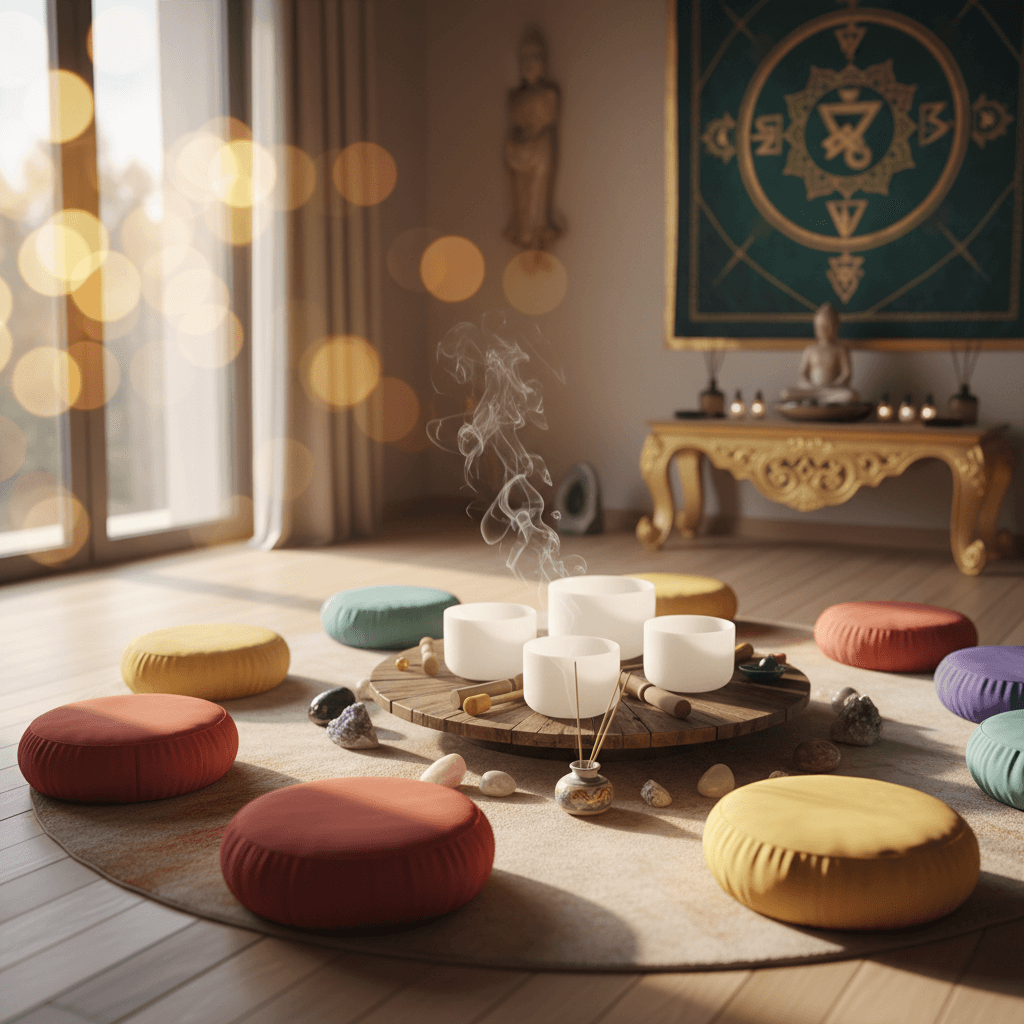
Upon entering our studio, clients are welcomed into a serene, dimly lit space, often adorned with natural elements to enhance the calming atmosphere. They recline comfortably on mats, perhaps with a soft blanket and eye mask, preparing to receive the vibrations. The session typically begins with guided breathing, gently bringing awareness to the present moment and quieting external distractions.
The Sensory Journey: Vibrations and Frequencies
As the session unfolds, Larissa Steinbach orchestrates a symphony of resonant instruments. Clients experience the deep, enveloping tones of gongs, the ethereal shimmer of crystal singing bowls, and the delicate tinkling of chimes. These sounds are not merely heard with the ears; they are felt as subtle vibrations throughout the body, creating a full-sensory experience.
These unique sonic textures may encourage a shift in brainwave activity, promoting states often associated with meditation and deep rest. Many people report a sensation of release, where mental chatter subsides, and physical tension eases. For young people in recovery, who often carry significant stress, anxiety, or trauma, this can provide much-needed relief and a sanctuary from internal and external pressures.
Cultivating Inner Peace and Emotional Resilience
The non-verbal nature of sound wellness makes it an accessible and often less intimidating complementary practice for young people. There is no expectation to speak or analyze; the focus is simply on being present with the sound. This can be particularly beneficial for those who find verbal therapy challenging or who are processing experiences that are difficult to articulate.
Through sustained exposure to these calming frequencies, clients may develop an enhanced capacity for self-regulation and emotional resilience. It's a practice that teaches the body and mind how to return to a state of equilibrium. The restoration and reprieve offered by these moments of deep relaxation can foster a sense of internal safety, promoting a healthier relationship with oneself and the recovery journey.
Fostering Connection and Reducing Stigma
While often a deeply personal experience, group sound wellness sessions can also foster a unique sense of shared connection among participants. Being in a shared space of vulnerability and relaxation, without the need for spoken interaction, may create a bond that transcends typical social anxieties. This informal, supportive setting can align with research indicating that engaging in "fun activities" with peers in recovery is a key aspect of the process.
This type of experience may also help to subtly challenge the stigma associated with recovery by providing an inclusive, non-judgmental environment. Young people can experience positive self-identification within a supportive community, which is crucial for building confidence and reducing feelings of isolation. The profound calm experienced during a session can serve as a positive reinforcement, linking well-being with proactive self-care.
The Soul Art Approach: Larissa Steinbach's Unique Method
At Soul Art Dubai, Larissa Steinbach brings a distinctive blend of expertise, empathy, and scientific understanding to her sound wellness practice, particularly in supporting young people in recovery. Her method is rooted in the belief that while recovery pathways are individual, the need for safe, nurturing spaces and effective self-regulation tools is universal. Larissa’s approach is not about clinical treatment, but about offering a powerful complementary practice that enhances overall well-being.
Larissa emphasizes creating an environment that feels both luxurious and genuinely supportive, where every individual feels seen and respected. The studio itself is designed to be a sanctuary, a calm oasis in the vibrant city of Dubai, allowing clients to fully disconnect from external stressors and reconnect with their inner selves. This curated atmosphere is integral to the Soul Art experience.
Tailored Soundscapes and Instrument Selection
Larissa Steinbach meticulously selects and plays a diverse array of instruments, each chosen for its specific vibrational qualities and therapeutic potential. Her collection includes:
- Himalayan and Crystal Singing Bowls: These create pure, resonant tones and sustained vibrations that may deeply penetrate the body, promoting cellular relaxation and energetic alignment. The precise frequencies produced are known to interact gently with the body's energy centers.
- Large Gongs: The powerful, complex overtones of gongs are renowned for their ability to induce deep meditative states and release emotional blockages. Their immersive sound washes over participants, often leading to profound mental stillness.
- Chimes and Percussion: Delicate chimes, rain sticks, and other gentle percussion instruments are used to weave intricate sonic textures, adding layers of serenity and grounding the experience. These sounds can evoke a sense of spaciousness and peace.
Larissa intuitively crafts soundscapes that respond to the collective energy of the group, or the individual needs during private sessions. This personalized approach ensures that the sound journey is always unique, offering precisely what is needed for restoration and emotional balance. Her focus is on creating frequencies that may help to calm the nervous system and promote a sense of inner harmony, supporting the body’s natural capacity for self-regulation.
Integrating Mindful Practices
Beyond the instruments, Larissa incorporates mindful guidance and intention-setting into her sessions. She helps clients focus their attention, guiding them gently into deeper states of relaxation and presence. This integration of mindfulness with sound provides a holistic experience, teaching young people valuable techniques they can carry beyond the studio.
The Soul Art method aligns with the holistic and evidence-based approaches emphasized in youth recovery literature. By addressing the unique needs of young people and offering a non-pharmacological tool for stress reduction and emotional processing, Larissa Steinbach helps build resilience. This provides a complementary pathway to healing, working in harmony with other supportive measures.
A Sanctuary for Growth and Self-Discovery
Larissa understands that young people in recovery need spaces where they can feel safe, accepted, and empowered. Soul Art provides just such a sanctuary. It’s a place where they can explore their inner landscape, process emotions, and cultivate self-awareness without pressure. This safe environment supports identity formation and helps to foster positive social interactions, free from stigma.
The gentle, consistent nature of sound wellness, guided by Larissa’s expertise, offers a reliable anchor for individuals navigating turbulent waters. It is a profound self-care practice that supports mental and emotional well-being, complementing any ongoing support systems and fostering a renewed sense of hope and capability.
Your Next Steps: Embracing Sound for Wellness
Integrating sound wellness into a holistic lifestyle can be a powerful step for young people in recovery, or for anyone seeking to enhance their emotional regulation and reduce stress. The benefits are often cumulative, meaning regular engagement can lead to more profound and lasting effects on overall well-being. Here are some practical steps you can take today:
- Explore Local Resources: Seek out sound wellness studios or practitioners in your area that offer group or individual sessions. Many community centers or wellness hubs now feature sound baths or similar experiences.
- Listen Mindfully: Even at home, explore calming music or nature sounds. Pay attention to how different sounds affect your mood and body. There are many apps and online resources offering guided sound meditations.
- Prioritize Relaxation: Make conscious efforts to incorporate moments of rest and calm into your daily routine. This could be a 10-minute meditation, deep breathing exercises, or simply sitting in silence.
- Build a Support Network: Remember that recovery and well-being are not solitary journeys. Connect with supportive peers, family members, or mentors who can encourage positive self-care practices.
- Consider a Session at Soul Art: If you are in Dubai, we invite you to experience the tranquil environment and expert guidance of Larissa Steinbach at Soul Art. A sound wellness session may provide the perfect complement to your existing wellness regimen, offering a unique path to peace and restoration.
In Summary: Harmonizing Recovery with Sound Wellness
The journey of recovery for young people is complex, requiring compassionate, individualized, and holistic support that addresses their distinct developmental and emotional needs. Sound wellness, championed by Larissa Steinbach at Soul Art Dubai, offers a scientifically-grounded and deeply empathetic complementary practice. It provides a unique avenue for stress reduction, emotional regulation, and fostering a sense of inner calm.
By gently guiding the nervous system into states of relaxation through expertly curated soundscapes, Soul Art helps young individuals cultivate resilience, process emotions, and build a stronger foundation for their well-being. This practice is not a replacement for medical or therapeutic interventions, but a powerful addition to a holistic approach to life. Discover the profound harmony that sound can bring to the recovery journey and embrace a path to enduring peace at Soul Art.
Bookings Coming Soon
Soul Art is still in preparation. Session details and booking will be published here after launch.
Coming Soon
Wellness Disclaimer: This article is for educational and informational purposes only. It does not constitute medical advice, diagnosis, or treatment. Soul Art Dubai provides non-medical wellness experiences focused on relaxation, stress management, and general wellbeing. Sound wellness is a complementary practice and should not replace professional medical care.
Related Articles

LGBTQ+ Recovery: Sound Wellness for Inclusive Healing & Regulation
Relationship Recovery: The Science of Sound for Intimacy
Soulful Connections: The Science of Shared Sound Practices and Well-being Sponsorship