LGBTQ+ Recovery: Sound Wellness for Inclusive Healing & Regulation

Key Insights
Explore how sound wellness, guided by Larissa Steinbach at Soul Art Dubai, offers inclusive healing and nervous system regulation for LGBTQ+ individuals on their recovery journey.
Does true healing require more than just addressing symptoms? For many in the LGBTQ+ community navigating recovery journeys, traditional pathways, while valuable, may not always fully resonate with their unique experiences and needs. Research indicates that LGBTQ+ individuals often encounter specific barriers in recovery, including tensions with religious messaging in some programs and discrimination targeting their identities.
These challenges highlight a critical need for inclusive, affirming, and holistic approaches that genuinely support emotional regulation and address the unique stressors faced by stigmatized groups. This is where the profound, non-invasive practice of sound wellness emerges as a powerful complementary tool. At Soul Art Dubai, guided by founder Larissa Steinbach, we offer a sanctuary where the transformative power of sound can foster deep healing and nervous system regulation.
This article delves into the science behind sound wellness, exploring how it can specifically support LGBTQ+ individuals in their recovery by creating a safe internal landscape for processing trauma and cultivating resilience. We will uncover how specific frequencies and vibrations can gently guide the body and mind towards a state of profound calm, offering a unique path to inclusive healing. Prepare to discover how this ancient yet scientifically-backed practice can illuminate a pathway to greater well-being and inner harmony.
The Science Explained
The human body is an intricate orchestra of vibrating cells, and sound, with its rhythmic frequencies, possesses a remarkable ability to influence this internal symphony. Modern science offers compelling insights into how sound wellness can profoundly impact our physiological and psychological states, particularly in the context of stress, trauma, and recovery. At its core, sound therapy helps the nervous system transition from a state of hyperarousal, often associated with chronic stress and trauma, into a calmer, more regulated state.
The Neurological Impact of Sound
Sound wellness works primarily through a phenomenon known as brainwave entrainment. Our brains produce electrical impulses that form patterns, or brainwaves, which correlate with different states of consciousness. High-alert, waking states are characterized by faster beta waves, while relaxation, meditation, and restorative sleep are associated with slower alpha and theta waves.
Specific sound frequencies, such as those produced by singing bowls or gongs, can gently guide the brain's electrical activity to synchronize with these slower, more calming wave patterns. This shift from beta to alpha or theta waves signals the body to relax. Preliminary research suggests that sound-based practices may reduce the production of cortisol, often called the stress hormone, and may simultaneously increase the release of endorphins, which are natural mood elevators.
Furthermore, sound helps activate the parasympathetic nervous system, the body’s "rest and digest" system, counteracting the "fight or flight" response of the sympathetic nervous system. This physiological shift is crucial for individuals experiencing chronic stress or post-traumatic stress disorder (PTSD), where the nervous system is often stuck in a state of high alert. Studies, including those published in the Journal of Traumatic Stress, have noted that participants undergoing sound therapy reported significant reductions in PTSD symptoms, highlighting its potential to reduce hyperarousal and anxiety, promote restorative sleep, and support emotional processing without overwhelm.
Resonating with the Body's Systems
Beyond brainwave entrainment, sound wellness operates on a deeper, vibrational level, affecting the body's cellular structure and energetic pathways. The theory behind this suggests that different parts of the body, much like musical instruments, resonate at particular frequencies. When these frequencies become disharmonious due to stress, illness, or trauma, introducing coherent sound vibrations may help restore balance.
Pioneer of sound healing, Dr. Peter Guy Manners, extensively explored the application of specific sound frequencies to the human body to promote healing processes. His work demonstrated benefits for individuals struggling with conditions exacerbated by stress and mental health challenges. Whether through the direct touch of a tuning fork or the immersive soundscapes of singing bowls, these vibrations are thought to penetrate the body, releasing tension and stimulating cellular regeneration.
This vibrational resonance can lighten one's mood and bring a profound sense of calm that may have been lacking. The impact is not just auditory; it's a full-body experience where sounds are felt as much as they are heard, supporting the natural rhythm and harmony of the body's various systems.
Addressing Unique Traumas: The LGBTQ+ Lens
The scientific mechanisms of sound wellness hold particular relevance for LGBTQ+ individuals, who often experience unique stressors that impact their mental and physical well-being. Chronic exposure to stigma, discrimination, and societal prejudice can lead to persistent nervous system dysregulation, often manifesting as heightened anxiety, depression, and difficulties with emotion regulation. Research by McGeough et al., examining LGBTQ+ individuals' experiences in SMART Recovery, highlighted the need to address these specific challenges and improve emotion regulation skills.
This continuous state of vigilance can make it difficult for LGBTQ+ individuals to engage fully in recovery or traditional therapeutic modalities. Sound wellness offers a gentle yet powerful pathway to address these deep-seated impacts. By facilitating the shift into a parasympathetic state, sound can help to release stored tension and trauma from the body, making space for emotional processing to occur safely and without overwhelm.
"Our positionalities frame how sounds can be traumatic, triggering, didactic, healing, or cherished." This insight from Dylan Robinson's work, cited in "Music, Sound, and Trauma," underscores the critical importance of a trauma-informed and culturally sensitive approach to sound, especially when working with marginalized communities.
An inclusive approach to sound wellness acknowledges that for LGBTQ+ individuals, sounds and spaces can evoke varied responses, potentially triggering past experiences of trauma or discrimination. Therefore, the practice must be delivered within a safe, affirming environment that recognizes the intersectional nature of their identities and experiences. Sound healing, in such a context, becomes a tool for empowerment, supporting individuals in finding internal harmony and building resilience against external stressors. It is a complementary approach that can deepen therapeutic outcomes by helping the body feel safe enough for emotional processing to begin.
How It Works in Practice
A sound wellness session is a deeply personal and immersive experience designed to bring the body and mind into a state of profound relaxation and harmony. It’s an invitation to simply be, to receive, and to allow the therapeutic vibrations to work their magic without judgment or expectation. For LGBTQ+ individuals, this non-verbal, non-judgmental space can be profoundly healing, offering a respite from a world that often demands explanation or defense of their identity.
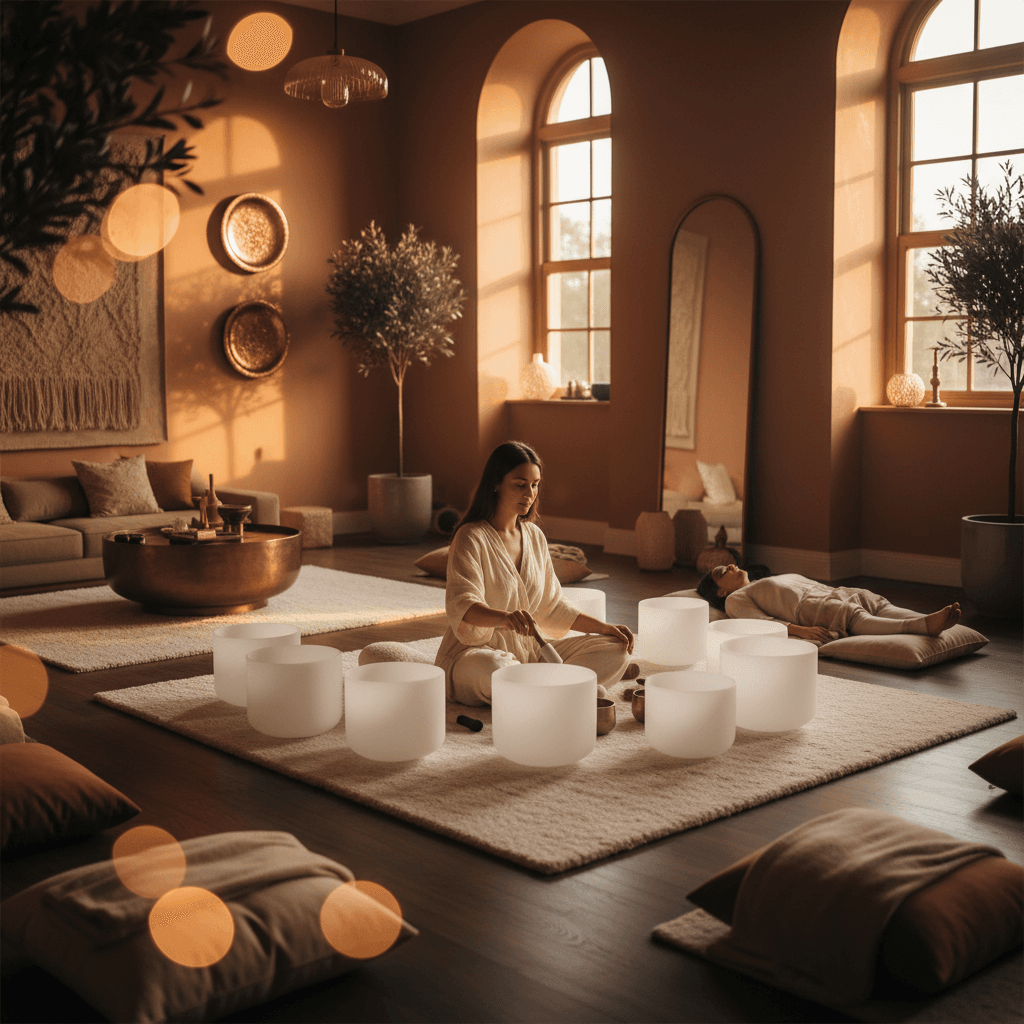
As you recline comfortably, perhaps on a mat or cushion, you are enveloped in a carefully curated soundscape. The practitioner, like Larissa Steinbach at Soul Art, uses a variety of instruments, each selected for its unique vibrational quality and therapeutic frequency. These may include Himalayan singing bowls, crystal singing bowls, gongs, chimes, and tuning forks.
The sounds begin subtly, gradually building in layers of resonant frequencies. You might first notice the gentle hum of a crystal bowl, followed by the deep, expansive vibration of a gong. These sounds are not merely heard with the ears; they are felt throughout the entire body. The vibrations can penetrate tissues, fluids, and even bones, creating a full-body sonic massage. Many people report feeling tingling sensations, warmth, or a sense of gentle movement within their physical form.
This sensory immersion helps to quiet the incessant chatter of the mind, allowing you to drop into a deeper state of awareness. For individuals grappling with chronic stress or trauma, this can be a rare opportunity to experience true mental stillness. The sustained and harmonious frequencies gently encourage brainwave patterns to slow down, transitioning from active beta waves to the more meditative alpha and theta states. This shift is crucial for fostering an environment where the nervous system can reset and self-regulate.
Within this state of deep relaxation, the body's natural healing mechanisms are activated. Tension held in muscles may begin to release, breathing deepens, and the heart rate slows. Many clients describe feeling a sense of weightlessness or a profound connection to their inner self. This can facilitate emotional processing, allowing suppressed feelings or memories to surface gently, often without the overwhelming intensity that might occur in traditional talk therapy alone. The supportive sonic environment ensures that this processing happens in a contained and safe manner, fostering a sense of catharsis without distress.
For LGBTQ+ individuals, connecting with their body in such a non-judgmental and affirming way can be a powerful experience of self-acceptance and liberation. It allows for a re-calibration of the internal compass, helping to rebuild a sense of safety and trust within one's own being. Regular engagement with sound wellness may support sustained nervous system regulation, enhancing emotional resilience and offering a consistent anchor of calm in daily life.
The Soul Art Approach
At Soul Art Dubai, Larissa Steinbach has meticulously crafted a unique sound wellness experience rooted in empathy, scientific understanding, and a deep commitment to inclusive healing. Her approach goes beyond simply playing instruments; it is about creating a sacred, affirming space where every individual feels seen, heard, and held, especially those from the LGBTQ+ community who may carry unique burdens.
Larissa's philosophy is informed by a trauma-sensitive lens, recognizing that sound, while profoundly healing, can also be a trigger if not approached with care. She integrates principles of "critical listening positionality" into her practice, understanding that each person's background, including their race, class, gender, and sexuality, influences how they perceive and respond to sound. This thoughtful awareness ensures that sessions are tailored to create maximum benefit and safety for diverse clients.
What makes the Soul Art method unique is its blend of ancient wisdom and contemporary understanding of neuroscience. Larissa utilizes a diverse array of instruments, including authentic Himalayan singing bowls, precisely tuned crystal singing bowls, majestic gongs, and delicate chimes. Each instrument is chosen for its specific frequency and harmonic qualities, designed to induce particular brainwave states and resonate with different energy centers within the body. Her expertise allows her to intuitively weave these sounds into a tapestry of vibrations that guides participants on a journey of deep relaxation and self-discovery.
Soul Art's environment in Dubai is intentionally designed to be a haven of tranquility and acceptance. It is a space where the unique challenges and experiences of LGBTQ+ individuals are acknowledged and respected. The gentle, yet powerful, vibrations of Larissa's soundscapes work to soothe a nervous system often overtaxed by external pressures, fostering a profound sense of internal safety. This allows for genuine emotional release and the restoration of inner balance.
Larissa Steinbach’s dedication to providing a truly inclusive healing space means that Soul Art offers more than just sound baths; it offers an experience of being truly affirmed and supported on one's wellness journey. The Soul Art approach serves as a powerful complementary practice, harmonizing with other recovery pathways by providing essential tools for nervous system regulation, stress reduction, and self-compassion.
Your Next Steps
Embarking on a journey of inclusive healing and recovery is a testament to your strength and commitment to well-being. Recognizing the unique challenges faced by the LGBTQ+ community, incorporating practices that foster nervous system regulation and emotional resilience is paramount. Sound wellness offers a profound avenue for this, providing a non-verbal and deeply nurturing experience.
Here are a few actionable steps you can take today to support your path to inclusive healing:
- Seek Affirming Support Systems: Prioritize connecting with therapists, support groups, or wellness practitioners who are explicitly LGBTQ+-affirming and trauma-informed. A safe space is fundamental to true healing.
- Explore Complementary Wellness Practices: Consider integrating practices like sound wellness, mindfulness, or gentle movement into your routine. These modalities may support nervous system regulation and help process emotions safely.
- Prioritize Nervous System Regulation: Consciously incorporate activities that help calm your "fight or flight" response. This could be deep breathing exercises, spending time in nature, or engaging in relaxing sound journeys.
- Cultivate Self-Compassion: Acknowledge the unique stressors you navigate as an LGBTQ+ individual. Treat yourself with kindness, patience, and understanding as you move through your healing process.
- Create a Mindful Routine: Even small, consistent practices like listening to calming music, engaging in short meditations, or simply taking a few moments of quiet reflection can accumulate significant benefits for your well-being.
Your healing journey is unique and deeply personal. Taking these steps, especially integrating supportive practices like sound wellness, can help cultivate a more peaceful and resilient internal landscape.
Bookings Coming Soon
Soul Art is still in preparation. Session details and booking will be published here after launch.
Coming Soon
In Summary
The path to recovery for LGBTQ+ individuals is often intertwined with unique challenges, including societal stigma, discrimination, and a need for affirming care that addresses complex emotional regulation and trauma. Traditional recovery methods, while beneficial, may sometimes present barriers that necessitate complementary, inclusive approaches. This is where the profound power of sound wellness shines as a beacon of inclusive healing.
Scientifically grounded, sound wellness practices gently guide the nervous system from states of stress to deep relaxation, reducing cortisol and fostering emotional processing. For the LGBTQ+ community, this offers a crucial tool for regulating a nervous system often taxed by chronic external pressures. At Soul Art Dubai, Larissa Steinbach expertly curates these transformative sound experiences, providing a safe, non-judgmental, and deeply affirming space. Through the resonance of carefully selected instruments, Soul Art helps individuals find inner harmony, build resilience, and move forward on their unique healing journeys with greater peace and self-compassion.
Wellness Disclaimer: This article is for educational and informational purposes only. It does not constitute medical advice, diagnosis, or treatment. Soul Art Dubai provides non-medical wellness experiences focused on relaxation, stress management, and general wellbeing. Sound wellness is a complementary practice and should not replace professional medical care.
Related Articles
Relationship Recovery: The Science of Sound for Intimacy
Soulful Connections: The Science of Shared Sound Practices and Well-being Sponsorship
Unlocking Sustainable Energy: Sound for Caffeine Reduction