Sound for Women's Recovery: Tailored Wellness Journeys
Key Insights
Explore how sound wellness supports women's unique recovery needs, addressing trauma, anxiety, and fostering empowerment at Soul Art, Dubai.
Have you ever considered that the path to recovery might not be a universal one, particularly for women? For decades, treatment models were predominantly designed by men, for men, inadvertently overlooking the distinct physiological, psychological, and social challenges women face on their healing journeys (Covington, 1990s). The journey of recovery, especially from substance use or profound stress, is deeply personal and often necessitates approaches that acknowledge these gender-specific intricacies.
At Soul Art, Dubai's premier sound wellness studio led by Larissa Steinbach, we understand that true recovery and well-being require a nuanced perspective. This article delves into the scientifically-backed reasons why sound wellness is emerging as a powerful, complementary tool, uniquely positioned to support women through their recovery, fostering resilience, emotional balance, and inner peace. You'll discover how carefully curated soundscapes can address deeply rooted challenges, providing a sanctuary for healing and self-discovery.
The Science Explained: Unlocking the Brain-Body Connection
The human body and mind are intricate systems, profoundly influenced by external stimuli, particularly sound. For women navigating recovery, understanding these biological and psychological underpinnings is crucial for effective support. Sound wellness is a holistic practice that leverages specific frequencies and vibrations to guide the body into states conducive to healing and deep relaxation.
Gender-Specific Vulnerabilities and Recovery Pathways
Research consistently highlights significant differences in how women experience substance use disorders and mental health challenges compared to men (Brady & Randall, 1999; Pelissier & Jones, 2005). Women often face unique biopsychosocial issues that necessitate gender-sensitive treatment (Greenfield & Grella, 2009; SAMHSA TIP 51). For instance, women in early recovery frequently exhibit symptoms of mood disorders, which can be temporary or pre-existing conditions (Institute of Medicine, 1990). The prevalence of co-occurring psychiatric disorders, such as anxiety, post-traumatic stress disorder (PTSD), postpartum depression, and eating disorders, is often higher among women in recovery than among men (SAMHSA TIP 51).
Many women entering recovery carry deep emotional wounds linked to trauma and violence. A substantial number of female offenders, for example, are also poor, undereducated, and unskilled, adding layers of socioeconomic vulnerability (Collins & Collins, 1996). Traditional recovery programs, initially based on male experiences like Alcoholics Anonymous, sometimes fall short in addressing these multifaceted needs (Covington, 1990s). Women’s treatment outcomes are significantly shaped by how well treatment aligns with their gender-specific needs and preferences, often benefiting from therapy that includes trauma processing and emotional support (The Nestled Recovery Center).
"Acknowledging the importance as well as the role of the socioeconomic issues and differences among women is a core principle for gender-responsive treatment." - SAMHSA TIP 51
The unique presentation of substance use in women has indeed led to the development of women-only treatment programs, which have shown utility in fostering autonomy, self-efficacy, and positive choices (Grella et al., 1999; Niv & Hser, 2007; LaFave, Desportes & McBride, 2009). These programs emphasize the importance of relationships, family influence, the role of substance use in sexuality, and addressing prevalent trauma (SAMHSA TIP 51). Sound wellness practices may serve as a powerful complementary approach within such gender-sensitive frameworks.
The Neurophysiology of Sound and Relaxation
Sound healing works by utilizing specific sound vibrations to influence the body’s energy frequencies, promoting balance and deep relaxation. When exposed to certain frequencies, the brain's electrical activity can shift from high-stress beta wave states to more relaxed alpha and theta states (Goldsby et al., 2017). This shift is crucial for individuals in recovery, as it can reduce mental tension and stabilize emotions, which are vital supports during any healing process (Olympic Behavioral Health).
Preliminary studies indicate that participants in sound healing sessions have experienced a noticeable decrease in systolic blood pressure, alongside significant reductions in anxiety and fatigue (Goldsby et al., 2017). These physiological changes are indicative of a profound calming effect on the body’s stress response, facilitating a state where the nervous system can reset and self-regulate. For women often grappling with heightened anxiety and emotional instability in recovery, these benefits are particularly impactful.
- Brainwave Entrainment: Specific sound frequencies can encourage the brain to produce alpha (relaxed alertness) and theta (deep relaxation, meditation) waves. This transition helps mitigate the hyper-vigilance and stress often associated with trauma and withdrawal.
- Nervous System Regulation: The gentle vibrations of sound instruments can directly influence the vagus nerve, which plays a central role in regulating the "rest and digest" parasympathetic nervous system. This activation promotes a sense of safety and calm.
- Reduced Stress Hormones: By fostering deep relaxation, sound wellness practices may help lower levels of cortisol and other stress hormones, contributing to overall physiological balance and well-being.
- Emotional Processing: Sound offers a non-verbal pathway for emotions, allowing individuals to process feelings that might be too overwhelming or buried for traditional talk therapy (Serenity Mountain Recovery Center). This creates a safe container for release and integration.
How Sound Wellness Works in Practice for Women
Connecting the scientific principles to practical application reveals how sound wellness sessions offer a unique, deeply supportive experience. For women in recovery, this can translate into tangible improvements in emotional regulation, stress reduction, and self-perception, all within a nurturing environment.
Creating a Safe Haven for Emotional Processing
Many women enter recovery with a history of trauma, anxiety, and low self-worth, making traditional verbal therapies challenging initially. Sound wellness provides a non-intrusive, non-verbal avenue for emotional release and processing. The resonant frequencies and gentle vibrations bypass the cognitive mind, allowing for a deeper, somatic experience of healing. In essence, it creates a safe space to simply feel without the pressure of finding words (Serenity Mountain Recovery Center).
During a sound bath or music therapy session, women may experience reduced anxiety, tension, and a profound sense of calm. This reduction in emotional distress helps maintain composure, lessen cravings, and build resilience — all critical elements for sustained recovery (Olympic Behavioral Health). The sounds of crystal bowls, gongs, and other instruments wash over the body, guiding participants into a meditative state where inner peace can be cultivated. It’s an opportunity to release stored tension, acknowledge emotions, and gently move through them.
Fostering Empowerment and Self-Efficacy
Empowerment is a cornerstone of women's recovery. Research suggests that women-only treatment environments can be particularly empowering, enabling participants to become more autonomous, enhance their self-efficacy, and make positive choices (LaFave, Desportes & McBride, 2009). Sound wellness practices complement this by fostering an internal locus of control and a deeper connection to one's inner strength.
Engaging in sound wellness practices, whether passively receiving a sound bath or actively participating in facilitated musical activities, allows women to reclaim a sense of agency over their emotional states. It supports the development of personal competence and autonomy, qualities promoted by models like Oxford House through shared responsibility (Oxford House, Inc., 2008). This enhanced self-perception and resource knowledge are integral components of a successful recovery process (Ashley et al., 2003; Greenfield et al., 2007). Moreover, group sound sessions can foster vital social support, which has a profound influence on successful recovery outcomes for women (Jason, Davis & Ferrari, 2007; Brown, Seraganian, Tremblay & Annis, 2002).
The Soul Art Approach: A Sanctuary for Women's Recovery
At Soul Art, Larissa Steinbach and her team are dedicated to offering a deeply compassionate and effective approach to wellness, specifically tailored to support women's unique needs in their recovery journey. Our philosophy is rooted in creating a sanctuary where every woman feels seen, heard, and held, fostering an environment of trust and non-judgment. We recognize that true healing unfolds in spaces of profound safety and understanding.
The Soul Art method integrates the latest scientific understanding of sound's therapeutic potential with a profound sensitivity to gender-specific challenges. We prioritize creating an environment that is trauma-informed, acknowledging the prevalence of trauma histories among women in recovery and ensuring all practices are delivered with utmost care. Our sessions are designed to cultivate internal resources, empowering women to access their innate capacity for self-regulation and healing.
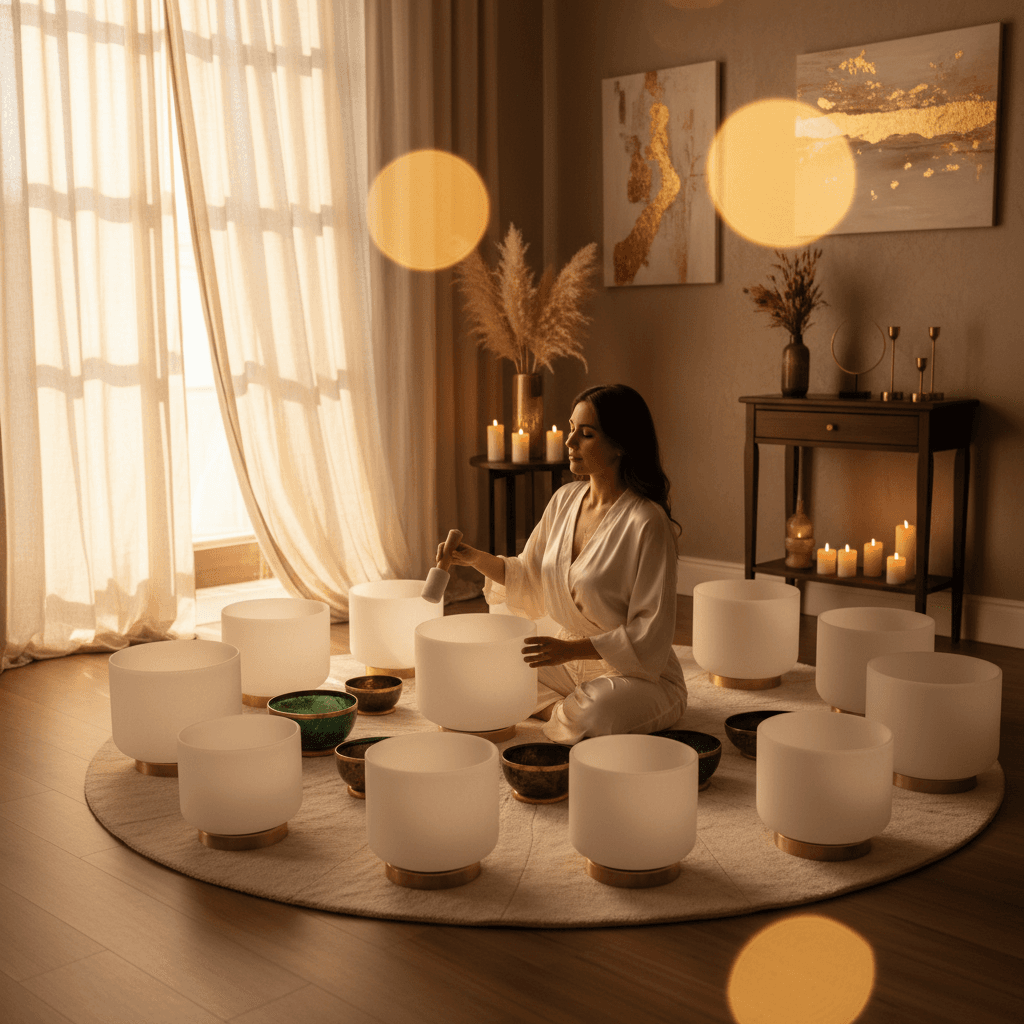
We utilize a diverse array of resonant instruments, including meticulously crafted Tibetan singing bowls, ethereal crystal bowls, and powerful gongs. Each instrument is chosen for its specific frequency and ability to induce deep meditative states. The gentle vibrations permeate the body, releasing physical and emotional blockages, and soothing the nervous system. Larissa Steinbach curates each sound journey with intention, guiding participants towards states of profound relaxation, emotional release, and energetic rebalancing. Our studios in Dubai offer a luxurious yet grounding atmosphere, where every detail is designed to enhance the restorative experience.
Your Next Steps Towards Holistic Well-being
Embracing sound wellness as a complementary practice can be a transformative step on any woman's recovery journey. Even small, consistent steps can yield significant benefits, helping to cultivate inner calm and resilience.
- Mindful Listening: Start by simply listening to calming music or nature sounds for 10-15 minutes each day. Pay attention to how the sounds make you feel and the subtle shifts in your mood and body.
- Explore Guided Meditations: Many apps and online platforms offer guided meditations that incorporate sound. These can help train your mind to enter relaxed states and process emotions more effectively.
- Research Local Sound Baths: Seek out introductory sound bath sessions in your area. Experiencing a group sound bath can be a powerful way to understand its benefits and connect with a supportive community.
- Prioritize Rest and Self-Care: Recognize that recovery is a marathon, not a sprint. Integrate sound wellness into a broader self-care routine that includes adequate sleep, nourishing food, and gentle movement.
- Consider a Personalized Experience: For deeper support, explore private sound wellness sessions. A tailored approach can specifically address your unique recovery goals and emotional needs.
Soul Art is still in preparation. Session details and booking will be published here after launch. Explore the profound benefits of sound wellness, tailored for your unique journey.
Bookings Coming Soon
Soul Art is still in preparation. Session details and booking will be published here after launch.
Coming Soon
In Summary: Reclaiming Serenity and Strength
The journey of recovery for women is uniquely nuanced, often interwoven with specific challenges such as trauma, mood disorders, and socioeconomic factors that traditional approaches may not fully address. Sound wellness offers a scientifically-grounded, compassionate, and highly effective complementary approach, fostering deep relaxation and emotional regulation by shifting brainwave states and calming the nervous system. It provides a safe, non-verbal space for processing, empowering women to cultivate autonomy and resilience. At Soul Art, Larissa Steinbach has meticulously crafted experiences designed to honor these gender-specific needs, offering a sanctuary for women to reclaim their inner peace and strength through the profound power of sound.
Related Articles

LGBTQ+ Recovery: Sound Wellness for Inclusive Healing & Regulation
Relationship Recovery: The Science of Sound for Intimacy
Soulful Connections: The Science of Shared Sound Practices and Well-being Sponsorship