Wind Chimes in Sound Therapy: Design, Use, and Deep Well-being
Key Insights
Uncover the scientific backing and therapeutic potential of wind chimes in sound therapy. Learn how design influences their calming effects, and how Soul Art Dubai integrates them for profound relaxation and holistic wellness.
Have you ever paused to truly listen to the gentle, unpredictable symphony of wind chimes on a breezy day? Beyond their aesthetic appeal and the simple joy they bring, these instruments hold a surprisingly profound therapeutic potential, rooted deeply in the principles of sound wellness. Often viewed merely as decorative elements, wind chimes are, in fact, powerful tools in the realm of sound therapy, capable of shifting our internal states and fostering deep relaxation.
This article delves into the intricate science behind the calming effects of wind chimes, exploring how their design and thoughtful use can enhance our physical and mental well-being. We will uncover the foundational principles of sound healing, understand how specific frequencies interact with our body and mind, and reveal how pioneering studios like Soul Art Dubai, under the guidance of Larissa Steinbach, integrate these subtle yet potent instruments into transformative wellness practices. Prepare to discover how these everyday melodies can become a pathway to a more harmonious self.
The Science Explained
The therapeutic effects of sound are far from mystical; they are firmly rooted in measurable scientific principles that influence our physiology and nervous system. Sound, as a form of energy, creates vibrations that can interact with the body at a cellular level, promoting a state of balance and ease. This understanding forms the bedrock of modern sound therapy.
The Physics of Vibration and Resonance
Our bodies are intricate vibrational systems. Every cell, organ, and system vibrates at its own unique frequency, and when these frequencies become disharmonious due to stress, illness, or environmental factors, our well-being can suffer. Sound therapy leverages the fundamental principles of physics to restore this natural equilibrium.
The human body is remarkably responsive to vibrational input, processing it through multiple pathways. Specialized mechanoreceptors, such as Pacinian corpuscles, can detect vibrations across a wide spectrum of frequencies, up to 1,000 Hz. These receptors translate external vibrations into internal signals, influencing everything from our muscle tension to our brainwave activity.
Scientific research highlights that exposure to specific frequencies and vibrations can have a profound impact. For instance, vibroacoustic therapy (VAT), which uses low-frequency sine wave vibrations typically between 30-120 Hz, has been extensively studied for its therapeutic interventions. Studies indicate that stimulation around 40 Hz can activate gamma brain waves, which are associated with cognitive processing, memory consolidation, and neural synchronization, potentially enhancing mental clarity and focus.
Entrainment: Synchronizing for Harmony
Beyond simply sensing vibrations, our bodies also possess an innate capacity for entrainment. This phenomenon refers to the synchronization of our biological rhythms, such as heart rate, breathing, and brainwave patterns, to an external, more dominant rhythm or frequency. In the context of sound therapy, this means that consistent, harmonious sounds can gently guide the body's internal rhythms towards states of relaxation and balance.
When a person is exposed to the carefully modulated frequencies of therapeutic sound, their physiological systems may gradually align with these optimal vibrations. This process can help to downregulate the sympathetic nervous system (our "fight or flight" response) and activate the parasympathetic nervous system (our "rest and digest" response). The result is often a reduction in stress, improved sleep quality, and an enhanced sense of overall well-being. Preliminary studies indicate that sound healing modalities using various vibrational instruments may support improvements in spiritual and emotional well-being, contributing to a more balanced and harmonious state of being.
Cellular and Neurological Impact
Recent research has begun to unravel the cellular and molecular mechanisms underlying sound therapy's therapeutic effects. Low-frequency vibration has been shown to enhance neuronal cell differentiation and proliferation through mechanical stimulation of cellular pathways. This exciting area suggests potential applications in regenerative medicine, although more research is needed.
From a neurological perspective, sound waves can produce vibrations that influence the body at a cellular level, encouraging cells to vibrate at optimal frequencies. Certain sound healing practices, including those using instruments like singing bowls and potentially, thoughtfully designed wind chimes, have been associated with inhibiting the function of the human prefrontal lobe. This inhibition is significant because the prefrontal lobe is involved in planning, decision-making, and often, overthinking, suggesting that sound can help quiet the mind and induce a state of deep relaxation. Sound therapy may support the reduction of tension, anger, fatigue, and depressed mood, and has been found to help manage stress, improve sleep, reduce anxiety, and enhance overall well-being.
"The subtle yet profound interaction between sound waves and our biological systems underscores the inherent wisdom of the body's capacity for self-regulation, guiding us towards harmony when exposed to resonant frequencies."
How It Works in Practice
While the science provides a robust framework, the practical application of wind chimes in sound therapy offers a unique, accessible, and deeply personal experience. Their gentle, ambient nature makes them distinct from more direct vibrational tools like singing bowls or gongs, offering a continuous, subtle therapeutic presence.
Wind chimes, unlike many other sound healing instruments, are often designed for passive engagement. Their melodies are dictated by the natural elements, creating an organic, ever-changing soundscape. This unpredictability is key; it prevents the mind from latching onto a fixed pattern, encouraging a state of present-moment awareness without demanding intense focus. The subtle shifts in tone and volume invite a gentle mindfulness, helping to anchor individuals in the here and now.
When strategically placed, the sound of wind chimes can transform an environment into a sanctuary of calm. Their cascading, ethereal tones are specifically tuned to create harmonious intervals, avoiding jarring dissonances. This deliberate design ensures that the auditory input is consistently soothing, fostering a sense of peace rather than stimulation. Many people report that the soft melodies of chimes help to quiet mental chatter, reducing the internal noise that often accompanies stress and anxiety.
The continuous, low-level auditory stimulation provided by wind chimes can act as a gentle reminder to pause and breathe, helping to regulate the nervous system throughout the day. This isn't about active meditation, but rather an ambient meditation, where the surrounding soundscape naturally encourages a more relaxed state of being. The gentle vibrations travel through the air and can be felt subtly, further engaging the body's mechanoreceptors and contributing to the overall vibrational bath.
Integrating wind chimes into daily life is a simple yet effective way to cultivate a sense of inner peace. Whether placed in a garden, on a balcony, or even near an open window indoors, their subtle presence can help to shift the vibrational quality of a space. This shift may support a more mindful lifestyle, where moments of quiet reflection are naturally woven into the fabric of the day. For those seeking a more immersive sound healing experience, the strategic placement of sound-based tools, such as wind chimes or small Tibetan singing bowls, can contribute to creating a calming and harmonious environment.
The Soul Art Approach
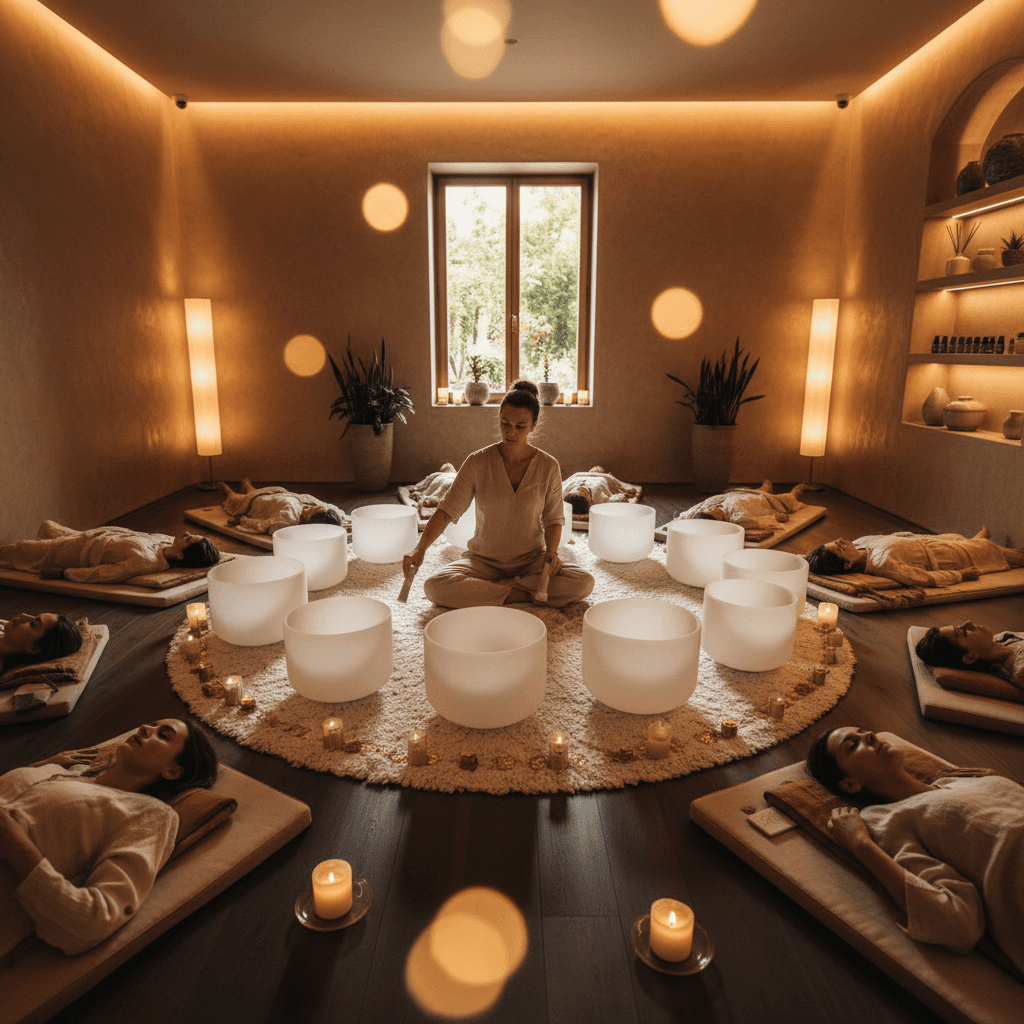
At Soul Art, Dubai's premier sound wellness studio, Larissa Steinbach and her team harness the profound power of sound to create deeply restorative and transformative experiences. While perhaps not the most prominent instrument in a full sound bath, wind chimes play a crucial role in creating the foundational soundscape and are integral to the holistic wellness journey offered.
Larissa Steinbach's philosophy centers on crafting harmonious environments that invite deep relaxation and self-discovery. Her approach integrates the scientific understanding of sound with an intuitive appreciation for vibrational aesthetics. For wind chimes specifically, this means a meticulous selection process that goes beyond mere decoration. At Soul Art, wind chimes are chosen for their specific tunings, materials, and tonal qualities, ensuring they resonate at frequencies that support therapeutic objectives.
Soul Art utilizes wind chimes that are precisely tuned to specific musical scales or even individual therapeutic frequencies. These might include chimes tuned to the Solfeggio frequencies, or those designed to resonate with specific chakras, aligning with Ayurvedic principles where different overtones can correspond to different energy centers. The materials themselves – from bamboo's earthy warmth to metal's sustained clarity or crystal's ethereal sparkle – are also carefully considered for their unique acoustic properties and the subtle vibrational nuances they impart.
In a Soul Art session, wind chimes are often used to introduce a session, signaling a gentle transition into a state of mindfulness, or to softly punctuate periods of deep rest. Their unpredictable, yet consistently harmonious, tones provide a natural, organic backdrop against which other instruments, such as large gongs, crystal singing bowls, or tuning forks, can perform their more direct vibrational work. They help to create an enveloping "sound cocoon" that supports the nervous system in shifting into a relaxed state.
The Soul Art method emphasizes personalization and intention. Larissa Steinbach designs each session to cater to the individual or group's needs, using wind chimes to subtly influence the energetic quality of the space and to encourage a continuous flow of gentle, healing vibrations. This thoughtful integration underscores how even the seemingly simple sound of chimes can contribute significantly to a profound, multi-layered sound healing experience, guiding participants towards balance, self-discovery, and overall well-being.
Your Next Steps
Embracing the therapeutic power of sound, particularly through instruments as accessible as wind chimes, is a beautiful step towards enhanced well-being. You don't need to attend an intensive workshop to begin integrating sound wellness into your daily routine. Here are some actionable steps you can take today:
- Mindful Listening Practice: Start by consciously tuning into the sounds around you. Whether it's the gentle hum of your home or the subtle movements of nature, practice listening without judgment. This simple act can heighten your auditory awareness and prepare you to appreciate intentional sound practices.
- Curate Your Chime Collection: If you're considering purchasing wind chimes, think about their tuning and materials. Research chimes tuned to specific scales (like pentatonic or major scales) known for their soothing qualities. Experiment with different materials—bamboo for earthy tones, metal for shimmering sustained notes—to find what resonates most with you.
- Design Your Sound Sanctuary: Identify a space in your home or garden where you can place a wind chime. Consider airflow, proximity to windows, and how the sound will travel. The goal is to create an environment where the chimes can offer their gentle melodies without being overwhelming, contributing to a calming backdrop.
- Explore Other Sound Tools: While wind chimes are a wonderful start, consider exploring other sound-based tools. Simple apps on your smartphone can offer soothing ambient soundscapes, or you might look into small Tibetan singing bowls for focused, personal sound meditations.
- Experience Professional Sound Wellness: For a truly immersive and guided experience, consider visiting a reputable sound wellness studio. A session with a trained practitioner, such as those at Soul Art Dubai, can provide a deeper understanding of sound's effects and introduce you to a wide array of instruments and techniques tailored for profound relaxation.
Bookings Coming Soon
Soul Art is still in preparation. Session details and booking will be published here after launch.
Coming Soon
In Summary
Wind chimes, far more than mere ornaments, are sophisticated instruments of sound therapy with a scientifically supported capacity to promote well-being. Their gentle, unpredictable melodies leverage the principles of resonance and entrainment, helping to synchronize our internal rhythms and soothe our nervous systems. From reducing stress and improving sleep to enhancing mindfulness, the thoughtful design and placement of these instruments can contribute significantly to a harmonious environment and a more balanced self.
At Soul Art, Larissa Steinbach meticulously integrates these nuanced sounds into curated wellness experiences, highlighting their role in creating deep relaxation. By understanding and intentionally incorporating the subtle power of wind chimes into your life, you can unlock a continuous pathway to inner peace. We invite you to explore this transformative potential and discover how the frequencies of well-being can resonate within you.
Wellness Disclaimer: This article is for educational and informational purposes only. It does not constitute medical advice, diagnosis, or treatment. Soul Art Dubai provides non-medical wellness experiences focused on relaxation, stress management, and general wellbeing. Sound wellness is a complementary practice and should not replace professional medical care.
Related Articles
AI-Generated Healing Music: The Future of Personalized Sound Wellness
Monochord: Unveiling The Transformative Power of Dubai's Sound Healing Bed
Native American Flute: Wind of the Spirit – Deep Healing with Soul Art