Predictability: A Sanctuary for Sensitive Nervous Systems
Key Insights
Discover how predictable rhythms foster well-being for sensitive nervous systems, enhancing allostasis and emotional regulation at Soul Art Dubai.
Have you ever noticed how a sudden, unexpected noise can jolt you, or how a chaotic schedule leaves you feeling utterly depleted? In our fast-paced world, unpredictability is often the norm, yet for many, especially those with sensitive nervous systems, this constant flux can be profoundly unsettling. It’s not simply a matter of preference; it's a deep biological imperative.
At Soul Art, Dubai’s premier sound wellness studio, we delve into the profound science behind this phenomenon. We explore how predictability isn't just comforting, but an essential input for building resilience and fostering a deep sense of safety within the body and mind. This article will unveil the neurological reasons why sensitive systems crave structure, how this impacts your well-being, and how our unique approach, guided by Larissa Steinbach, cultivates this vital sense of harmony.
Join us as we uncover why a predictable environment is not merely a luxury, but a cornerstone for flourishing, especially for the intricate wiring of a sensitive nervous system. Understanding this fundamental need may support a more profound sense of peace and balance in your daily life.
The Intricate Dance of the Nervous System
Our nervous system is an incredibly sophisticated network, constantly processing internal and external information to keep us safe and functioning. For some, this processing is exceptionally nuanced, leading to what science now recognizes as high sensitivity. Understanding this neurological blueprint is the first step towards embracing and optimizing its unique strengths.
Understanding the Sensitive Nervous System
Recent scientific advancements are illuminating what many have long intuitively known: high sensitivity has a tangible neurological basis. Studies indicate that individuals identified as Highly Sensitive People (HSPs) often exhibit distinct brain patterns. These patterns reflect deeper processing of information, a greater capacity for empathy, and more pronounced emotional responses to their surroundings. It's not "all in your head"; it is intricately woven into the very wiring of the brain and nervous system.
Research suggests that high sensitivity is not a choice, but rather an innate trait, often with a genetic predisposition. Family and twin studies indicate that approximately 40-50% of sensitivity traits may be inherited. Researchers have even identified specific genetic variations, such as those in the 5-HTTLPR gene affecting serotonin transport, that have been associated with heightened emotional sensitivity. This deep sensitivity acts as a finely tuned survival tool, enhancing the ability to notice subtle cues that others might overlook, such as nuanced changes in tone of voice or slight shifts in body language.
HSPs often show stronger activation in brain regions responsible for processing these finer details, granting them enhanced awareness and making them exceptionally insightful. Alongside this keen perception, there is also a tendency to feel more intensely; the nervous system is simply wired to respond more deeply to both positive and negative emotional cues. This unique configuration, while offering gifts like heightened intuition and creativity, also means that sensitive systems can be more easily overwhelmed by unpredictable or chaotic environments.
The Power of Predictability: Allostasis and Neuroception
Predictability serves as a fundamental input for installing the cognitive syntax necessary for structured, adaptive systems to emerge and execute complex transitions. When environments offer predictable content and interaction sequences, they may help individuals focus attention and learn more effectively. This structured engagement is not just about comfort; it underpins a critical physiological process known as allostasis. Allostasis refers to the proactive, anticipatory adjustments made by the body’s stress-response systems to meet anticipated future demands.
For instance, predictable daily rhythms and routines are vital for helping sensitive nervous systems manage transitions between states of high energy and calm focus. When these transitions are supported by predictability, the nervous system can prepare itself, rather than reacting in a state of alarm. Children, especially those with additional needs, may show over- or under-reactivity in their stress-response systems, which can impair their ability to navigate these changes. This principle extends to sensitive adults, for whom a lack of predictability can lead to a dysregulated autonomic state.
The Polyvagal Theory further emphasizes the body's biological need for predictability, co-regulation, and participation. It highlights neuroception, a process by which the nervous system evaluates risk in the environment without conscious awareness. Predictable elements, such as consistent soundscapes, stable relational dynamics, and rhythmic patterns, implicitly signal safety to the nervous system. This crucial signal allows the system to downregulate defensive strategies and instead foster states conducive to connection, healing, and growth. Environments that are designed with the nervous system's architecture in mind prioritize bottom-up regulation, recognizing that true well-being arises from the restoration of physiological safety, not from external demands.
The "Grammar of Cognition" and Structured-Adaptive Intelligence
The concept of a "grammar of cognition" provides a powerful metaphor for understanding how predictability shapes our mental and emotional landscape. Just as language relies on predictable rules to form coherent sentences, our cognitive and emotional systems thrive on predictable patterns to function optimally. Professor Sam Wass's insights suggest that predictability is the key input for installing the fundamental cognitive syntax required for structured, adaptive systems to emerge and execute complex transitions. This means that consistent, rhythmic engagement acts as the blueprint for our ability to process information, adapt to new situations, and manage our internal states effectively.
For sensitive nervous systems, this "cognitive syntax" is even more crucial. When the fundamental inputs are erratic or absent, the system struggles to build a stable framework for interpreting the world. This can lead to persistent states of alert, over-processing, and a decreased capacity for focused attention and learning. Conversely, when predictability is a consistent feature, the brain can dedicate its resources to higher-order functions like creativity, connection, and deep relaxation. It allows the nervous system to move beyond merely reacting to threats and into a proactive state of optimal function, where energy is preserved and resilience is built. This foundation allows for the graceful execution of complex life tasks, turning potential chaos into coherent, adaptive responses.
How It Works in Practice
Bringing these scientific principles into daily life can profoundly transform the experience of a sensitive nervous system. The theoretical understanding of allostasis and neuroception translates directly into tangible feelings of calm, centeredness, and increased capacity to navigate the world. When the nervous system is consistently met with predictability, it begins to shift from a state of vigilance to one of ease.
Imagine the difference between a daily schedule that constantly shifts, filled with unexpected demands, versus one with clear, consistent routines. For a sensitive individual, the former can trigger a persistent background hum of anxiety, depleting energy reserves and leading to overwhelm. The brain is constantly trying to anticipate threats, spending precious resources on guesswork rather than productive engagement. This heightened state can manifest as sensory overload, difficulty concentrating, or even physical tension.
In contrast, a predictable rhythm, even in small elements of the day, acts as a soothing balm. Knowing what to expect allows the nervous system to relax its guard. This reduces the need for constant "threat detection," freeing up energy. You might notice a decrease in auditory hypersensitivities, a greater ability to focus on tasks, and an overall sense of feeling more grounded and centered. The stress-response systems, accustomed to proactive allostatic adjustments, are less likely to overreact to minor disruptions. This enhanced regulation supports the capacity to transition smoothly between different activities and emotional states throughout the day.
Practical examples include incorporating stable daily rhythms, using visual timetables for tasks, or engaging in consistent patterns like rhythmic speech or chants. These seemingly simple practices offer structured inputs that reassure the nervous system. They create a reliable "container" within which sensitive individuals can feel safe enough to truly process, learn, and thrive, rather than merely survive. This allows for a significant reduction in the cumulative stress that unpredictability can impose, fostering an environment where deep relaxation and genuine engagement become possible.
The Soul Art Approach
At Soul Art, Larissa Steinbach and her team deeply understand the intricate needs of sensitive nervous systems. Our methodology is not merely about relaxation; it is a meticulously crafted experience designed to align with the body's biological requirements for predictability, co-regulation, and safety. We recognize that true healing and profound well-being begin when the nervous system feels truly secure.
Larissa Steinbach's approach to sound wellness is rooted in the principle of designing for the nervous system’s architecture, not just as an afterthought, but as a foundational constraint. We move beyond symptom reduction, aiming to unlock the full potential for regulation, reflection, creativity, and connection. Each session at Soul Art is a thoughtfully structured journey, providing predictable and rhythmic engagement that directly supports the sensitive individual. The entire soundscape, from the ambient lighting to the carefully chosen instruments and the flow of the session, is intentionally curated to promote a neuroception of safety.
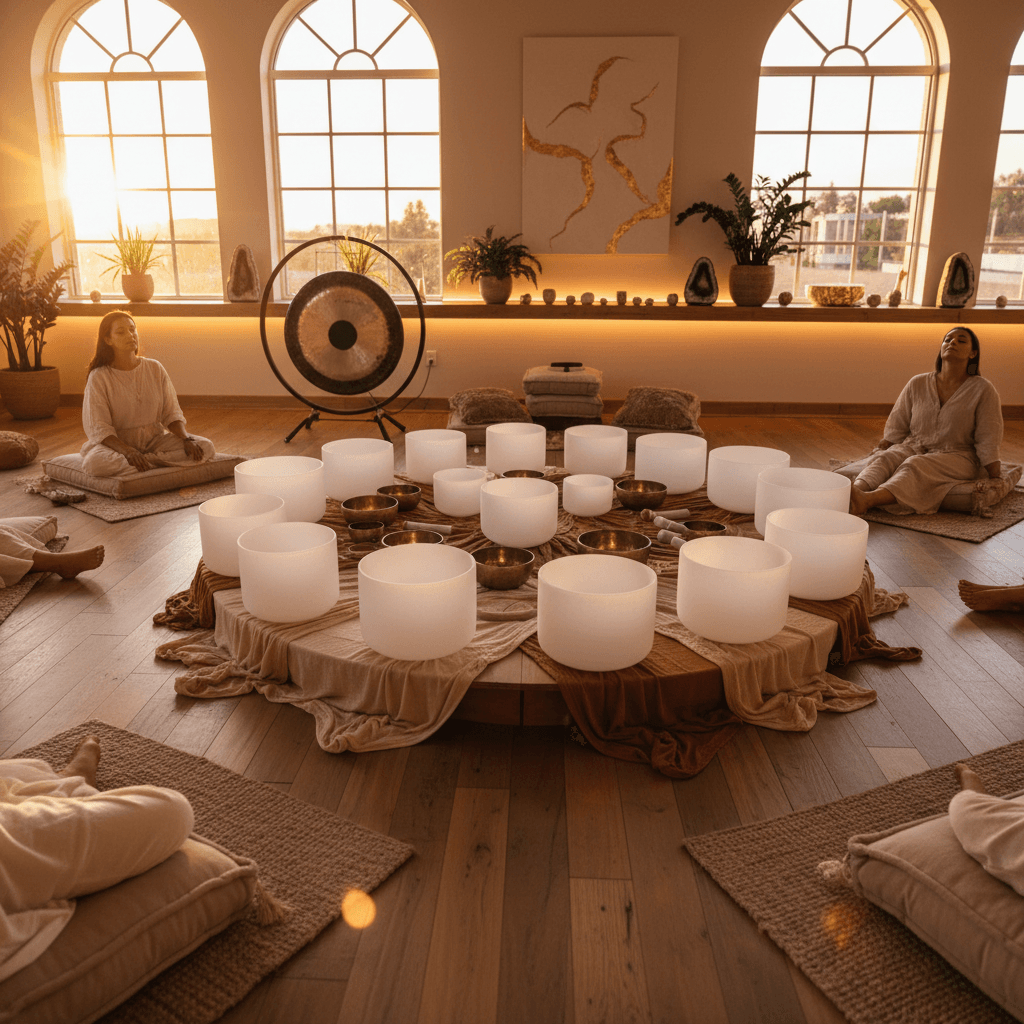
We utilize a diverse array of instruments, including resonant gongs, crystal singing bowls, and chimes, each chosen for its specific vibratory qualities and ability to create consistent, rhythmic patterns. The sounds are introduced and layered in a predictable sequence, offering a sense of order and gentle progression that the nervous system can anticipate and integrate. This structured, rhythmic input acts as a powerful antidote to the chaos of everyday life, helping to retune the autonomic nervous system away from defensive states. Many people report that the consistent sound patterns and rhythmic engagement help them to focus attention and learn to relax more effectively.
Soul Art’s sound journeys foster a unique environment for co-regulation, where the shared experience within a predictable sound environment helps individuals synchronize and calm their nervous systems. This intentional rhythmicity and relational presence cultivate an environment conducive to deep regulation and resilience. Through this sophisticated application of sound, Larissa Steinbach helps to install the very "cognitive syntax" that sensitive nervous systems require, facilitating profound transitions towards inner calm and structured-adaptive intelligence.
Your Next Steps
Embracing predictability is a powerful act of self-care for any nervous system, especially one that is highly sensitive. You have the power to consciously introduce more stability into your life, fostering an internal environment of calm and resilience. Begin today with small, consistent steps that can make a significant difference.
Here are 3-5 actionable steps you can implement to cultivate more predictability:
- Establish a Consistent Morning Routine: Start your day with predictable actions, such as quiet contemplation, gentle stretching, or a warm beverage. This sets a calm tone and offers your nervous system a gentle, reliable start.
- Create Predictable "Wind-Down" Rituals: Before bed, engage in a consistent series of calming activities. This could include reading, a warm bath, or listening to soothing music. This signals to your body that it's time to transition into rest.
- Incorporate Rhythmic Engagement: Consciously seek out rhythmic activities. This might be listening to music with a steady beat, taking a walk with a consistent pace, or engaging in rhythmic breathing exercises. Rhythmic input provides grounding.
- Utilize Visual Reminders: If your schedule feels overwhelming, create a simple visual timetable or checklist for your day. Seeing tasks laid out predictably can reduce mental load and anxiety around what’s next.
- Explore Structured Wellness Practices: Consider incorporating practices that inherently offer predictability and rhythmic patterns, such as sound wellness sessions. These environments are specifically designed to nurture your nervous system.
Ready to experience the profound benefits of predictable, rhythmic engagement in a sanctuary designed for your sensitive nervous system?
Bookings Coming Soon
Soul Art is still in preparation. Session details and booking will be published here after launch.
Coming Soon
In Summary
For sensitive nervous systems, predictability is far more than a preference; it is a biological necessity. It enables crucial processes like allostasis, allowing your body to proactively manage stress, and fosters neuroception, signaling safety and promoting regulation. Embracing predictable rhythms and structured engagements helps sensitive individuals to reduce overwhelm, enhance focus, and cultivate greater resilience in a world often characterized by chaos. This foundational understanding, central to Larissa Steinbach’s vision at Soul Art, empowers us to design environments and practices that truly nourish our inner landscape.
"When we design for the nervous system, we move beyond symptom reduction. We unlock the full potential of regulation, reflection, creativity, connection, and healing."
At Soul Art, we provide a haven where predictable soundscapes and expert guidance create a profound sense of security and well-being. We invite you to experience how this intentional approach to predictability can unlock a deeper, more harmonious state within you.
Related Articles
Beyond Hearing: Sound Waves & Your Body's Inner Boundaries at Soul Art
Breath Holding & Sound: Releasing Guarded Patterns at Soul Art Dubai

Reclaim Vitality: Soft Sound Practices for Fatigue & Collapse