Breath Holding & Sound: Releasing Guarded Patterns at Soul Art Dubai
Key Insights
Explore how intentional breath holding combined with sound wellness at Soul Art Dubai can help release stress and guarded patterns for profound relaxation.
Unlocking Inner Calm: The Transformative Power of Breath Holding and Sound
Have you ever noticed how your breath subtly shifts when you’re holding back, pausing before a difficult conversation, or simply trying to compose yourself? Our breath is far more than an automatic physiological function; it is an intricate mirror reflecting our deepest emotional states, unspoken intentions, and even our guarded patterns. At Soul Art, Dubai’s premier sound wellness studio, we explore the profound connection between breath, sound, and the release of these subtle, often unconscious, barriers.
This comprehensive guide delves into the science behind intentional breath holding, revealing how it interacts with our nervous system and emotional landscape. We will explore how sound can amplify these effects, creating a unique pathway to profound relaxation and emotional liberation. Prepare to discover how these ancient yet scientifically-backed practices, expertly curated by Larissa Steinbach at Soul Art, can support a deeper sense of well-being and presence in your life. Understand why embracing this powerful combination may be your next step towards a more open and unburdened existence.
The Physiological Symphony: Breath Holding and the Nervous System
Our breath, a seemingly involuntary act, is profoundly intertwined with our conscious mind and emotional responses. Intentional breath holding, a practice found in various wellness traditions, offers a unique gateway to influence our autonomic nervous system and release patterns of tension we might not even realize we are holding. Modern research is increasingly shedding light on the intricate mechanisms at play.
The Subtle Dance of Respiration and Communication
Even in everyday interactions, our breathing patterns reveal much about our internal state and intentions. Studies have shown systematic variations in breathing around turn-taking events in conversations, with a shortening of inhalation often signaling a desire to hold the floor. Conversely, breath holds can sometimes indicate an "abandoned intention" to speak, where a silent respiratory hold occurs in the top portion of the exhalatory phase, suggesting a thought or impulse that was ultimately suppressed.
These findings highlight how deeply our breath reflects not only our physiological needs but also our cognitive and emotional engagement with the world. The act of holding our breath, even briefly, can be a subconscious coping mechanism for emotional discomfort, a way to pause or guard oneself in the face of perceived vulnerability. Recognizing these subtle links is the first step toward consciously unwinding such ingrained patterns.
The Autonomic Nexus: Voluntary Holds and Involuntary Responses
Voluntary breath holding, while a conscious act, quickly engages our involuntary systems. Our body possesses a "break-point," an involuntary mechanism that overrides our will, forcing us to resume breathing before the point of unconsciousness. This inherent safety feature is managed by complex interactions within the autonomic nervous system, which regulates heart rate, blood pressure, and gas exchange.
Research into rhythmic breath-holding patterns, including deep inspiratory or deep expiratory breaths with a hold in between, has shown notable physiological effects. Inspiratory breath holds, where the lungs are full, tend to be significantly longer than expiratory holds. This difference is partly attributed to the activation of pulmonary stretch receptors during maximal inspiration, which send inhibitory signals to the brain, temporarily decreasing the drive to breathe. Conversely, expiratory holds reduce this stimulus, augmenting the urge to breathe sooner.
Furthermore, a larger lung volume during inspiratory breath holds helps dilute metabolically derived carbon dioxide (CO2) levels, which typically signal the body's need to breathe. The specific timing of a breath hold, particularly a brief post-exhalation hold, may enhance relaxation and further reduce sympathetic nervous system drive. This type of hold has been shown to increase end-tidal CO2, a mild physiological signal that activates central chemoreceptors, potentially fostering a sense of calm and well-being. This controlled elevation of CO2 can also lead to beneficial systemic effects, influencing blood flow and oxygen delivery.
The physiological response to breath holding also involves the spleen. Under conditions of sympathetic nervous system stimulation, such as during exercise or mild hypoxaemia (reduced oxygen) and hypercapnia (increased CO2) induced by breath holding, the spleen contracts. This contraction releases stored erythrocytes (red blood cells) into the systemic circulation, potentially enhancing oxygen-carrying capacity. This diving reflex, which also involves bradycardia (slowing of heart rate) and peripheral vasoconstriction, represents a complex adaptive response to temporary oxygen deprivation, preparing the body for resilience.
Brain-Body Connection: Neural Pathways of Breath
The brain plays a crucial role in controlling our breath, whether it's an automatic rhythm or a volitional hold. Voluntary respiratory tasks, such as intentional breath holding or deep breathing, activate a broad cortical network. This network includes the supplementary motor area, sensorimotor cortex, and premotor regions, alongside subcortical structures like the medulla. These areas are not only involved in motor control but also in sensory monitoring of our body's states.
This evidence underscores that respiration during speech, or any volitional breathing, is not an isolated motor event. It shares neural substrates with other forms of voluntary control and cognitive functions, supporting the engagement of both brainstem rhythm generators and suprapontine cortical regions. This intricate brain-body connection means that by consciously engaging with our breath, we are not just affecting our lungs, but also our brain's activity, our nervous system's balance, and our overall physiological state. This interaction provides a powerful mechanism for influencing our emotional regulation and releasing deeply held physical and emotional patterns.
"Our breath is the conductor of our inner orchestra. When we intentionally pause it, even for a moment, we shift the entire symphony of our being, offering a window into our deepest patterns and an opportunity for release."
From Theory to Tranquility: Experiencing Intentional Breathwork
Understanding the science behind breath holding is compelling, but experiencing its effects is truly transformative. In practice, intentional breath holding within a supportive environment is not about pushing limits or enduring discomfort. Instead, it is a refined wellness practice centered on conscious awareness, gentle exploration, and the subtle art of release. The integration of sound amplifies this experience, guiding the body and mind into deeper states of relaxation and openness.
When clients engage in guided breath-holding practices at Soul Art, they embark on an internal journey. The initial focus is often on controlling the breath, observing its natural rhythm before introducing gentle pauses. These pauses, particularly post-exhalation, are carefully calibrated to be brief and comfortable, allowing for a mild physiological signal of increased CO2 without undue stress. This slight shift in internal chemistry may signal to the body that it is safe to relax, reducing sympathetic activation and enhancing parasympathetic tone.
Many people report a sensation of stillness that deepens during these moments of suspended breath. This stillness is not merely an absence of movement; it is a profound internal quietude that allows underlying tensions, both physical and emotional, to surface gently. As the breath is held, the mind often quiets, and a greater awareness of bodily sensations emerges. Clients may notice areas of tightness, or a subtle sense of guarding within their chest or abdomen, which they might have been unconsciously carrying.
This is where the magic of sound wellness truly comes into its own. As the breath is held, the resonant vibrations from sound instruments wash over the body, creating a multi-sensory experience. These frequencies may act as a gentle anchor, helping to redirect the mind from internal chatter or anxiety related to the breath hold. The soothing tones can bypass the analytical mind, allowing a more intuitive response.
The sound encourages a feeling of safety and surrender. It’s as if the vibrations provide a soft embrace, encouraging the body to let go of its need to control or guard. With each sustained note, clients often describe a feeling of expansion, a melting away of constriction. This combined effect—the internal physiological shift from the breath hold and the external sensory input from sound—creates a powerful synergy that may facilitate the release of deeply ingrained stress and emotional patterns. It offers a gentle yet profound way to access and release the "guarded patterns" that our breath often unconsciously reflects, paving the way for a more open and peaceful state of being.
Larissa Steinbach's Vision: The Soul Art Method
At Soul Art, Larissa Steinbach has meticulously crafted a unique sound wellness experience that elevates the practice of intentional breathwork. Her method is not merely about combining two practices; it's about a synergistic integration that maximizes their potential for deep relaxation and emotional release. Larissa’s approach is rooted in both scientific understanding and a profound intuitive grasp of the human energetic system, making Soul Art Dubai’s premier destination for this specialized form of holistic well-being.
Larissa emphasizes creating an environment of absolute trust and safety. This foundation is paramount for clients to feel comfortable enough to explore intentional breath holding, especially when confronting guarded emotional patterns. She guides participants through gentle, rhythmic breathing exercises, carefully introducing short, comfortable breath holds at specific points in the respiratory cycle. These holds are designed to gently stimulate the vagus nerve and promote a cascade of physiological changes that foster relaxation, rather than stress.
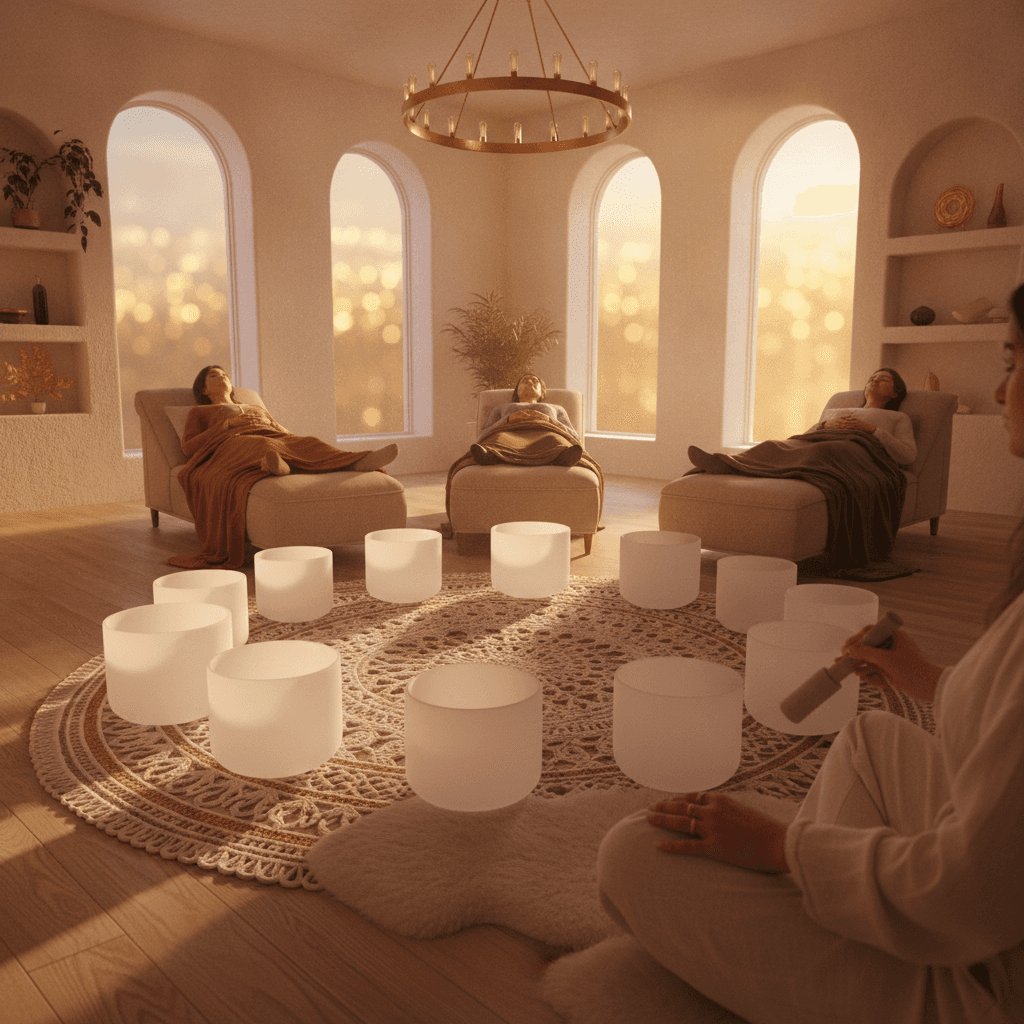
What makes the Soul Art method truly unique is the masterful integration of sound with these breathwork practices. As clients engage in breath holds, Larissa intuitively selects and plays a curated array of instruments. These include resonant crystal singing bowls, deep gongs, tinkling chimes, and precise tuning forks. The frequencies from these instruments are chosen to complement the internal state induced by the breath. For instance, a post-exhalation hold might be accompanied by grounding tones from a large gong, encouraging a deeper sense of stability and release into the void.
The sounds envelop the client, creating a vibrational field that may help to dissolve mental and physical barriers. The resonance can encourage the body's tissues to soften, promoting a release of muscular tension that often accompanies emotional guarding. Many clients report that the sound allows them to stay present with the sensation of the breath hold, transforming what might otherwise feel like a moment of challenge into an opportunity for surrender and profound rest. Larissa Steinbach’s expertise lies in facilitating this delicate dance between conscious control and complete surrender, allowing the body's innate wisdom to guide the release of what no longer serves. This holistic approach supports the nervous system in recalibrating itself, fostering a renewed sense of inner peace and freedom.
Cultivating Conscious Presence: Your Journey Forward
Integrating the principles of intentional breath holding and sound into your daily life can be a powerful step towards greater emotional freedom and sustained well-being. While a dedicated session at Soul Art offers a uniquely curated experience, there are simple, mindful practices you can begin to explore right away. Cultivating conscious presence through your breath is a fundamental self-care practice that yields profound benefits over time.
Begin with awareness, noticing how your breath changes throughout the day in response to different situations. This simple observation is a potent tool for self-understanding. As you become more attuned, you can gently introduce brief, comfortable breath holds to explore their calming potential. Remember, the goal is never to strain, but to gently extend moments of stillness within your breath.
Here are some actionable steps you can implement today to start your journey:
- Practice Mindful Exhalation with a Gentle Pause: Find a quiet moment to sit comfortably. Inhale slowly and deeply, then exhale completely, letting all the air out. Gently pause for one to two seconds before the next natural inhale. This short post-exhalation hold may activate the parasympathetic nervous system, promoting relaxation. Repeat this for a few cycles, focusing on comfort rather than duration.
- Integrate Sound with Gentle Breath Holds: Listen to calming music, nature sounds, or even the subtle hum of a tuning fork while practicing gentle breath holds. Allow the sound to wash over you, providing a focal point and encouraging deeper relaxation during the pause. The combination can amplify the sense of peace.
- Observe Your Breath in Moments of Stress: When you feel tension rising, consciously observe your breath. Is it shallow, rapid, or held? Simply noticing without judgment can be the first step towards consciously shifting your respiratory pattern and releasing the immediate "guarded patterns" that arise.
- Seek Guidance for Deeper Exploration: While self-practice is valuable, working with experienced facilitators like Larissa Steinbach at Soul Art can provide invaluable insights and tailored techniques. A guided session ensures proper form, safety, and a deeper, more intentional exploration of breath and sound to address specific patterns.
- Consistency is Key: Like any wellness practice, the benefits of conscious breathwork and sound integration grow with regular engagement. Even a few minutes daily can make a significant difference in enhancing your stress resilience and fostering a more serene state of mind.
Ready to restore your nervous system and discover the profound relaxation that intentional breath holding and sound can offer? Explore the curated experiences at Soul Art Dubai.
In Summary: Unlocking Your Innate Capacity for Calm
Our breath is a powerful, often underestimated, tool for navigating our inner world. Intentional breath holding, supported by scientific understanding, offers a unique pathway to influence our autonomic nervous system, promote physiological balance, and address the subtle "guarded patterns" we carry. By engaging specific neural networks and influencing blood gas levels, conscious breath holds can lead to states of deep relaxation and emotional release.
When harmonized with the therapeutic frequencies of sound, this practice is amplified, allowing the body and mind to surrender more fully. Larissa Steinbach’s expert guidance at Soul Art creates an unparalleled experience, blending ancient wisdom with modern science to foster profound well-being. This unique approach empowers individuals to release ingrained tension, cultivate inner stillness, and embrace a life free from unconscious emotional constraints. We invite you to experience this transformative journey and discover your innate capacity for calm at Soul Art.
Bookings Coming Soon
Soul Art is still in preparation. Session details and booking will be published here after launch.
Coming Soon
Wellness Disclaimer: This article is for educational and informational purposes only. It does not constitute medical advice, diagnosis, or treatment. Soul Art Dubai provides non-medical wellness experiences focused on relaxation, stress management, and general wellbeing. Sound wellness is a complementary practice and should not replace professional medical care.
Related Articles
Beyond Hearing: Sound Waves & Your Body's Inner Boundaries at Soul Art
Reclaim Vitality: Soft Sound Practices for Fatigue & Collapse
Unlock Deeper Relaxation: Humming Before Your Soul Art Sound Session