The Art of Vocal Intensity: Whisper, Hum, and Tone for Wellness
Key Insights
Explore the science behind vocal intensity—from soft whispers to resonant tones—and how mindful voice use enhances wellbeing at Soul Art, Dubai.
Have you ever considered that the intensity of your voice—from a soft whisper to a resonant hum—holds a profound key to your emotional expression, vocal health, and overall well-being? It's more than just volume; it's a nuanced interplay of physiology, psychology, and conscious control. The way we choose to vocalize, whether speaking, humming, or toning, can significantly impact our nervous system, stress levels, and even our connection to others.
At Soul Art, Dubai's premier sound wellness studio founded by Larissa Steinbach, we delve into the intricate relationship between sound, self, and serenity. This article explores the fascinating science behind vocal intensity, offering practical insights into how mastering your voice can become a powerful tool for holistic wellness. Discover how mindful vocal practices, guided by expert understanding, can unlock deeper relaxation and energetic balance within you.
The Science Explained: Unpacking Vocal Intensity
The human voice is an astonishing instrument, capable of producing a vast spectrum of sounds. Vocal intensity, often perceived simply as loudness, is a complex phenomenon governed by the intricate mechanics of our vocal cords, breath support, and resonance. It's how we convey everything from intimate secrets to urgent calls, deeply influencing how our messages are received and how our own bodies respond.
Modern scientific inquiry has made significant strides in understanding these vocal nuances. Researchers are now using advanced machine learning models to classify vocal intensity categories with remarkable accuracy, even without traditional sound pressure level (SPL) calibration. This means we can analyze the subtle characteristics of speech, distinguishing "soft," "normal," "loud," and "very loud" expressions, offering new insights into voice health and emotional states.
Decoding Vocal Categories with AI
Recent studies, such as the one by Kodali, Kadiri, and Alku (2023), published in Interspeech, highlight the impressive capabilities of pre-trained models like Wav2vec2 and Whisper. These models serve as feature embeddings to classify vocal intensity from speech signals. They investigate how different speaking tasks, such as reading sentences or paragraphs, manifest across various intensity levels.
The findings indicate that these advanced models outperform traditional acoustic features like spectrograms and Mel-frequency cepstral coefficients (MFCCs). This demonstrates a significant step forward in understanding the subtle cues embedded in our speech. The ability to automatically classify vocal intensity categories, regardless of calibration information, opens new avenues for monitoring vocal health and emotional well-being through non-invasive means.
The Physiology of Intensity: From Whisper to Shout
Producing sound involves the coordinated effort of your respiratory system, larynx (voice box), and vocal tract. When you change vocal intensity, you're adjusting several physiological parameters:
- Subglottal Pressure: This is the air pressure building up below your vocal cords. Higher intensity generally requires greater subglottal pressure.
- Vocal Fold Vibration: The vocal cords vibrate faster and often with greater amplitude for louder sounds. The way they come together also changes.
- Vocal Tract Shaping: Your tongue, lips, and jaw adjust to shape the sound, contributing to resonance and perceived loudness.
Consider the act of whispering. Historically, it was widely believed to be detrimental to vocal health, potentially straining the voice. Some early observations suggested that whispering involved the vocal folds pressing more tightly together, or, conversely, not touching at all, which might lead to fatigue. However, more nuanced research provides a clearer picture. A study investigating the effects of "forced whisper loading" found only small effects on general vocal function. While there was a noticeable increase in minimum intensity after the intervention, potentially linked to greater tension in the vocal folds, the overall impact was not substantial.
The Nuance of Whispering: A Deeper Look
The traditional understanding of whispering often focuses on a forced, strained production. However, there are different ways to whisper. An "oral whisper," for example, which involves greater articulation and less laryngeal effort, may be a gentler option for some individuals. The key lies in how one produces the sound, emphasizing breath control and minimal vocal cord engagement, rather than forcing air through constricted vocal folds.
Humming, on the other hand, is widely recognized as a beneficial vocal practice. It is often recommended as a gentle vocal warmup, promoting seamless up and down glides of pitch with a somewhat nasal tone. Humming encourages efficient breath support and vibrations that resonate through the sinuses and skull, which may support relaxation and clear pathways.
Intensity and Emotional Expression
Vocal intensity is a powerful carrier of emotion. A soft voice can convey intimacy, vulnerability, or calm, while a louder voice might express excitement, urgency, or passion. In speech communication, talkers naturally regulate vocal intensity to convey important information not just about the words themselves, but about their underlying emotional state and even their health.
The rise of "whisperpop" in music, featuring artists like Lana Del Rey and Selena Gomez, exemplifies this emotional power. As observed by The Guardian, these artists choose "breathy intensity over vocal paint-stripping" to convey deep emotion. Justin Tranter, a songwriter, notes that both belting out a song and apologizing "intimately" can be equally effective in making people hear every word. This underscores that emotional impact isn't solely tied to volume but to the purpose and control of vocal intensity.
How It Works in Practice: Embodied Vocal Exploration
Understanding the science of vocal intensity translates into practical applications for enhancing our well-being. By consciously exploring and manipulating the intensity of our own voices, we can tap into powerful tools for stress reduction, emotional regulation, and self-expression. This isn't about becoming a trained singer, but about developing a mindful relationship with your voice as a pathway to inner balance.
Clients at Soul Art often discover how their habitual vocal patterns might contribute to tension or blockages. Through guided practices, they learn to consciously shift these patterns, moving from a strained whisper to a gentle hum, or from an overly loud tone to a more grounded, centered vocalization. This journey is deeply personal and highly experiential, often revealing profound connections between voice and inner state.
Sensing the Subtle Shifts
Imagine starting with a whisper—not a forced, strained whisper, but one that feels effortless, almost like a gentle exhalation. As you soften your vocal output, you might notice a calming effect on your nervous system. This delicate vocalization may encourage slower breathing and a more introspective state. The sensation is often described as a soft breeze moving through the vocal folds, rather than a forceful push.
Conversely, exploring a gentle hum allows you to feel vibrations ripple through your chest, skull, and sinuses. This resonates deeply within the body, which many people report as soothing and centering. The hum requires sustained breath and a relaxed throat, encouraging a release of tension. The sensory experience is palpable, a quiet internal massage that can alleviate stress and promote a sense of inner quiet.
Exploring Vocal Range and Effort
During vocal exploration, clients at Soul Art are encouraged to become attuned to their "vocal effort." This patient-perceived symptom is crucial in voice health. Increased vocal effort, feeling like strain or exertion, often signals that the voice is being used improperly or under stress. By mindfully adjusting intensity, individuals can learn to reduce this effort, finding a vocal sweet spot that feels comfortable and resonant.
This practice also involves exploring the full range of one's voice, including pitch and loudness. Many individuals use a limited range in daily speech. Expanding this range, even subtly, can increase vocal flexibility and endurance. It's about finding freedom in vocal expression, without pushing or straining, but rather discovering what feels natural and expansive. The goal is not to achieve specific vocal registers (like M1 or M2, which relate to vocal cord vibration patterns often used by singers) but to explore one's own comfort and resonance.
The Soul Art Approach: Larissa Steinbach's Method
Larissa Steinbach, the visionary founder of Soul Art, integrates these scientific principles and practical applications into a unique, holistic sound wellness experience. Her approach recognizes that the voice is not just for communication, but a powerful instrument for self-healing and energetic alignment. She guides clients to understand their own vocal anatomy and the profound impact of conscious sound production.
At Soul Art, the focus is on creating a safe and nurturing space for vocal exploration. Larissa’s methodology encourages individuals to release inhibitions around their voice, guiding them through practices that cultivate mindful vocal intensity. This involves a blend of ancient wisdom and modern scientific understanding, tailored to each individual's journey.
Guided Vocal Toning and Breathwork
Larissa utilizes guided vocal toning exercises that encourage gentle, sustained sounds. Clients are led to explore various vowel sounds and simple melodic phrases at different intensities, often starting with soft, resonant hums. This technique helps to connect breath with voice, promoting deeper relaxation and vagal nerve activation, which is associated with the body’s rest and digest response.
These sessions often incorporate specific breathwork techniques that optimize vocal support without strain. By focusing on diaphragmatic breathing, clients learn to engage their core muscles to support their voice, rather than relying on tension in the throat or neck. This ensures that even when exploring louder tones, the vocal production remains grounded and effortless, minimizing vocal effort.
Integrating Instruments for Resonance
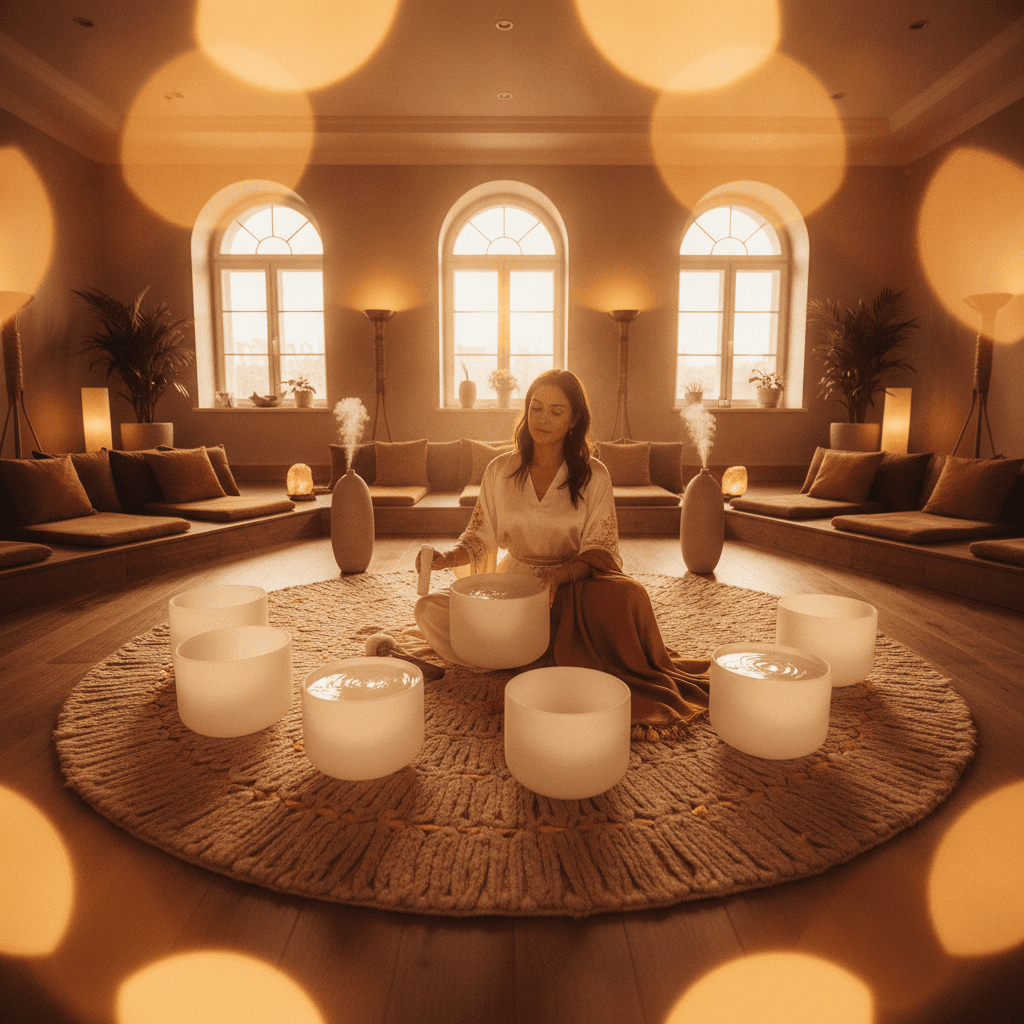
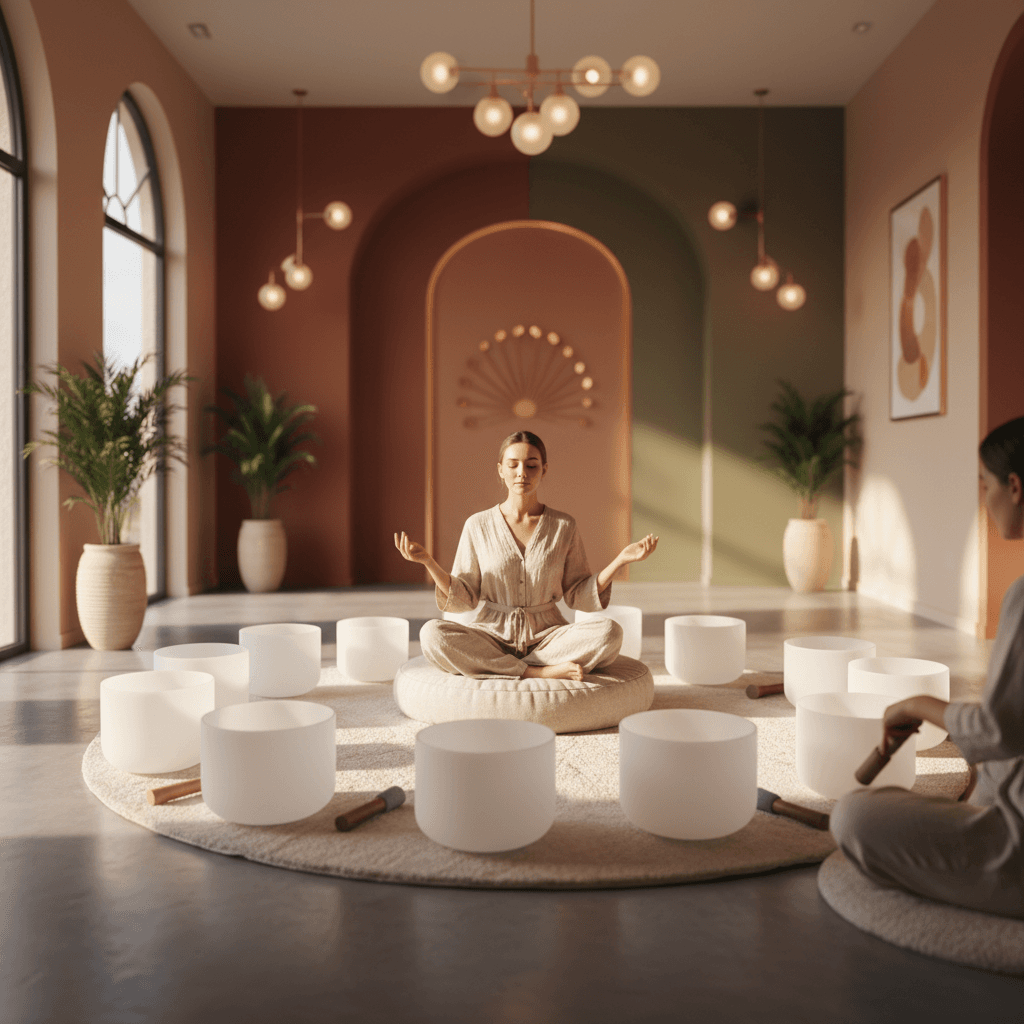
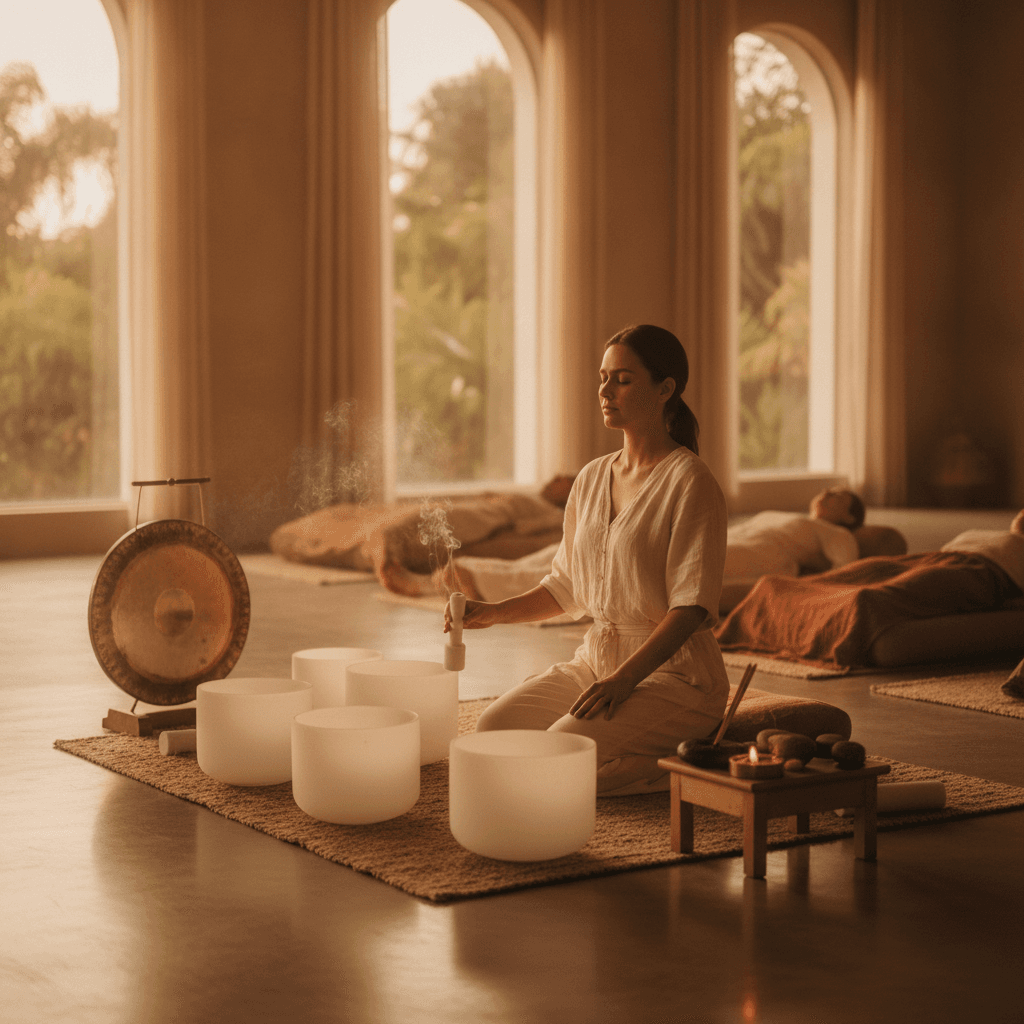
While the focus is on the human voice, Larissa frequently integrates other resonant instruments into her sessions. Crystal singing bowls, Tibetan bowls, and gongs are used to create a rich tapestry of sound that complements vocal exploration. As clients produce their own gentle vocalizations, the ambient soundscape amplifies the internal experience of vibration and resonance.
This multi-sensory approach deepens the understanding of how sound affects the body. The external vibrations from the instruments can help clients perceive and internalize the feeling of resonance, guiding them to replicate similar sensations with their own voice. It’s a powerful way to bridge the gap between hearing sound and feeling sound within their own energetic field.
Personalized Sound Journeys
Larissa's expertise lies in creating personalized journeys. She observes how clients intuitively use their voice and offers gentle adjustments and affirmations to encourage mindful choices in vocal intensity. For some, this might mean learning to speak more softly and intimately to reduce tension; for others, it might involve finding their authentic, resonant speaking voice to feel more empowered.
The ultimate goal at Soul Art is not about achieving perfect vocal technique, but about fostering a deeper connection to oneself through sound. It’s a journey of discovering the innate healing power of one’s own voice, guided by Larissa’s compassionate and knowledgeable approach. This self-care practice empowers individuals to use their voice intentionally, supporting emotional balance and overall vitality.
"Our voice is a direct reflection of our inner landscape. By consciously choosing its intensity and tone, we can orchestrate a symphony of well-being within ourselves." - Larissa Steinbach
Your Next Steps: Cultivating Mindful Vocal Intensity
Embracing mindful vocal intensity is a journey that begins with awareness and small, consistent practices. You don't need to be a singer or a public speaker to benefit from these insights. Your voice is always with you, a constant companion that can be consciously leveraged for greater well-being.
Here are some practical steps you can implement today to explore and enhance your own vocal intensity:
- Start with Gentle Humming: Incorporate 5-10 minutes of gentle humming into your daily routine. Focus on feeling the vibrations in your sinuses and chest, allowing your breath to flow freely. This may support relaxation and clear nasal passages.
- Practice Mindful Speaking: Pay attention to the intensity of your voice in different social situations. Notice when you tend to speak too loudly or too softly. Experiment with adjusting your volume to a comfortable, resonant level that feels authentic and requires minimal vocal effort.
- Explore Soft Toning: Find a quiet space and experiment with producing soft, sustained vowel sounds (e.g., "Ah," "Om"). Focus on the gentle release of sound rather than pushing. This can be a deeply calming and centering relaxation technique.
- Engage in Conscious Breathing: Before speaking or vocalizing, take a few deep, diaphragmatic breaths. Proper breath support is foundational to healthy vocal production and helps prevent strain, allowing for more controlled and effortless intensity changes.
- Seek Guided Exploration: Consider joining a sound wellness session or workshop focusing on voice. A skilled facilitator, like Larissa Steinbach at Soul Art, can provide personalized guidance and a supportive environment to explore your vocal potential in a safe and beneficial way.
In Summary: Your Voice, Your Wellness
The intensity of your voice is a profound and often overlooked aspect of your holistic well-being. From the intimate whisper to the resonant hum, each vocal choice carries physiological and emotional weight. Scientific research, including studies on advanced AI models, continues to unravel the complexities of vocal intensity, highlighting its role in health and emotional expression.
At Soul Art, Larissa Steinbach champions the mindful exploration of vocal intensity as a powerful self-care practice. Through guided toning, breathwork, and integrated sound experiences, you can learn to use your voice not just for communication, but as a tool for relaxation, stress management, and energetic alignment. Discover the transformative power of your own unique sound.
Bookings Coming Soon
Soul Art is still in preparation. Session details and booking will be published here after launch.
Coming Soon
Wellness Disclaimer: This article is for educational and informational purposes only. It does not constitute medical advice, diagnosis, or treatment. Soul Art Dubai provides non-medical wellness experiences focused on relaxation, stress management, and general wellbeing. Sound wellness is a complementary practice and should not replace professional medical care.
Related Articles
The Science of Connection: Call and Response Chanting for Wellness
Deepen Your Bond: Couples Breath & Tone Practice at Soul Art
Harmonize Your Voice: Humming for Public Speaking Nerves