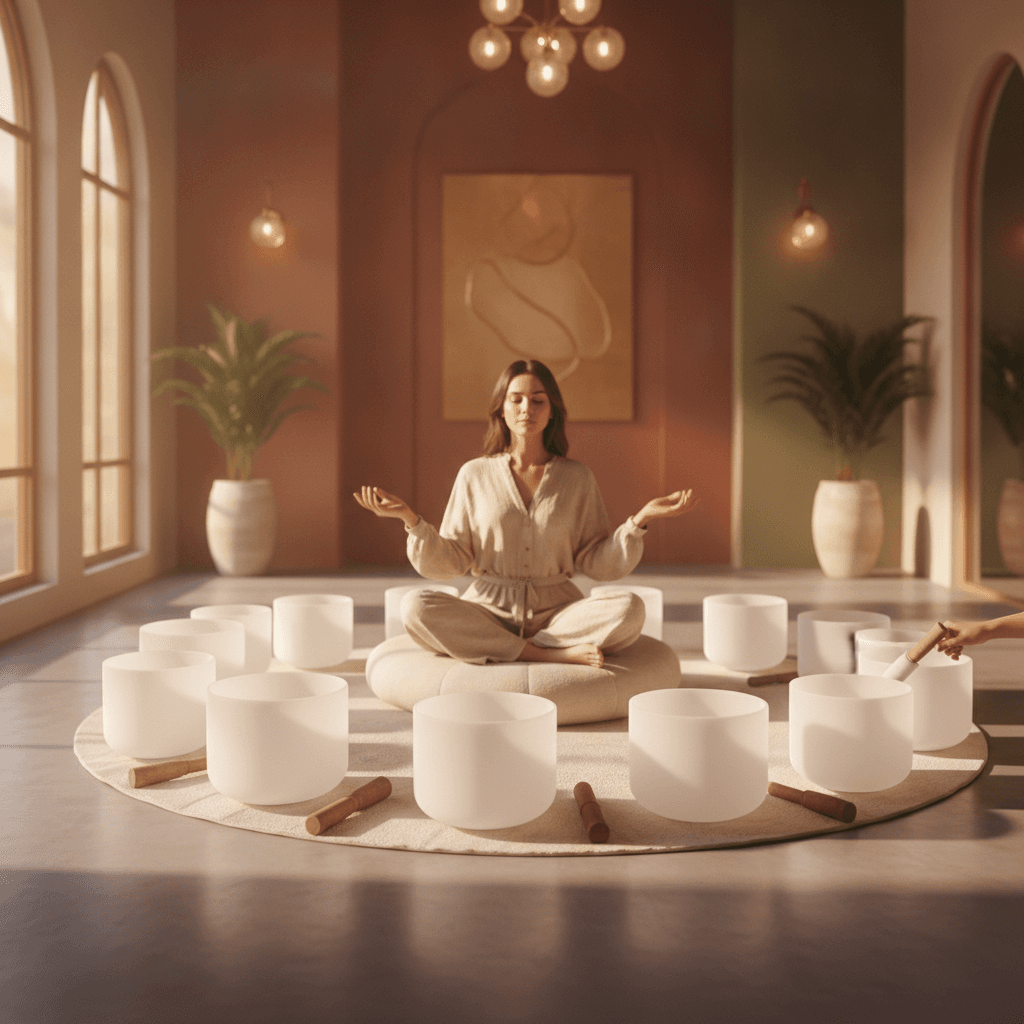
When Sound Overwhelms: Regulating Your Auditory Experience
Key Insights
Explore the science behind sound sensitivity, why some sounds feel intense, and how Soul Art with Larissa Steinbach offers gentle regulation for auditory wellness.
Have you ever found yourself flinching at a sound others barely notice, or feeling a sense of unease from everyday noises like bustling traffic or a humming refrigerator? This heightened sensitivity to sound, known as hyperacusis in its more pronounced forms, can transform a harmonious world into an overwhelming cacophony. It’s a profound experience, deeply personal and often isolating, that many individuals navigate daily.
At Soul Art, founded by Larissa Steinbach, we understand that your relationship with sound profoundly impacts your overall well-being. This article delves into the fascinating neuroscience behind why sound can sometimes feel too intense, exploring the brain's intricate mechanisms for auditory perception. We will uncover how certain wellness practices, including the unique methods employed at Soul Art, may support your journey toward re-establishing a more comfortable and harmonious auditory experience.
Understanding these complexities is the first step towards gentle regulation and reclaiming your peace. Join us as we explore the scientific insights and practical strategies that can help you navigate the soundscape of life with greater ease and resilience.
The Science Explained: Unpacking the Brain's Sound Sensitivities
Our experience of sound is far more complex than simple decibel levels reaching our ears; it's a sophisticated dance between sensory input and neural interpretation. The brain doesn't just "hear" sound; it actively constructs our perception of it, filtering, amplifying, and interpreting every vibration. When this intricate system encounters imbalances, even ordinary sounds can become intensely uncomfortable or even painful.
Recent decades have seen a significant increase in research into sound sensitivity, leading to a much better understanding of the underlying brain mechanisms. These scientific advancements are paving the way for more effective, holistic approaches to managing what can be a truly debilitating condition. Understanding these biological underpinnings is crucial for developing compassionate and effective wellness strategies.
The Brain's Volume Knob: PVNs and Perception
At the heart of our auditory experience lies a crucial distinction between sensation and perception. Sensation refers to how our nervous system converts physical sound energy into electrochemical messages, the fundamental language of the brain. Perception, on the other hand, describes how the brain's electrochemical activity gives rise to our conscious experience of the world around us. For individuals with hyperacusis, their perception of loudness is disproportionate to the actual sensory intensity of the sound.
Groundbreaking research, like that led by Daniel Polley, PhD, at Mass Eye and Ear, sheds light on this phenomenon. His team identified specific brain cells, parvalbumin-expressing interneurons (PVNs), that function much like a "volume knob" for loudness perception. When these PVNs are "turned down too low," as observed in mice with noise-induced cochlear damage, sounds are perceived as excessively loud. Conversely, activating these PVNs can significantly quiet sound perception. This discovery suggests that rebalancing the activity of these neural pathways may offer a pathway to restoring a normal relationship between sensation and perception, effectively addressing loudness hypersensitivity.
Beyond Decibels: Noise, Cognition, and Emotional Health
The impact of sound extends far beyond our immediate auditory experience, deeply influencing our cognitive functions and emotional well-being. Research highlights how noise, even at moderately loud levels, can significantly impair cognitive tasks. For instance, studies have shown that middle schoolers' comprehension of instructions dropped significantly when background noise reached 65 to 70 decibels, only slightly louder than normal talking. Similarly, reading comprehension can be affected, with students in noisy environments attempting fewer questions and making more errors. This illustrates how our brain's effort to process unwanted noise diverts resources from other vital cognitive tasks.
The brain's engagement with sound involves numerous regions, including those responsible for thinking, moving, feeling, and sensing. This broad involvement means that noise pollution can trigger widespread effects across our mental and physical landscape. Chronic noise exposure has been associated with an exaggerated stress response, potentially leading to neuroinflammation and changes in brain regions like the amygdala, which plays a critical role in fear processing. This can manifest as increased anxiety-like behaviors and even depression-like symptoms, underscoring the profound link between our auditory environment and mental health.
Moreover, it's not just the sheer loudness but also the variability of sound that can be detrimental. Research suggests that "noise intermittency"—those sudden, loud punctuations amid softer background noise—may be particularly impactful on health, with some studies associating it with cardiovascular issues like heart disease and stroke. This highlights the complexity of noise perception and its far-reaching consequences, emphasizing the need for a holistic approach to managing our auditory experiences.
The Paradox of Protection: Why Silence Can Worsen Sensitivity
It may seem counterintuitive, but a common mistake when dealing with sound sensitivity is overprotection. While the immediate urge might be to seek refuge in absolute silence or constantly wear earplugs, this approach can inadvertently worsen the condition over time. The brain is an incredibly adaptive organ, constantly recalibrating itself based on its sensory environment.
When consistently deprived of sound, the auditory system can become hypersensitive. It essentially "turns up its internal volume knob" to detect any minimal incoming sound, making everyday noises seem even louder and more jarring when encountered. This phenomenon, often termed "auditory deprivation," can create a vicious cycle, where avoiding sound makes the return to normal environments increasingly difficult and uncomfortable.
Excessive silence and constant earplug use in safe sound environments can increase brain sensitivity. Social isolation to avoid sound exposure and activity avoidance can also lead to a decreased quality of life. Therefore, striking a balance between protecting oneself from genuinely harmful noise and gradually re-exposing the auditory system to a healthy range of sounds is crucial for long-term regulation. Effective protection involves using earplugs only in genuinely harmful situations and engaging in gradual exposure increases in safe environments, ideally with professional guidance.
How It Works in Practice: Gently Re-engaging with Sound
The journey to regulating sound sensitivity is deeply personal and requires a gentle, patient approach. It primarily involves a process known as sound desensitization or gradual exposure, which aims to re-educate the brain and nervous system to perceive everyday sounds as less threatening and intense. This method is rooted in the understanding that the brain's perception of loudness can be recalibrated over time.
One widely recognized approach involves the use of specialized sound generators, often playing broadband noise like white noise, at very low, comfortable levels. The goal is not to mask the sensitivity but to introduce a gentle, consistent auditory stimulus that helps the brain "reset" its internal volume. Over weeks and months, the duration and intensity of these sounds are gradually increased, allowing the auditory system to slowly adapt and build tolerance.
Another practical application involves custom musician's earplugs, which come with interchangeable filters. These allow individuals to attenuate sound evenly across frequencies, starting with a higher decibel filter that reduces more sound, and then gradually transitioning to smaller filters as tolerance improves. This method provides controlled protection while still allowing for the processing of sound, preventing the complete auditory deprivation that can worsen sensitivity.
Beyond these tools, the overarching principle is to integrate sound therapy with comprehensive stress management. Since stress is consistently associated with worsening sound sensitivity, practices like mindfulness, meditation, and breathwork become foundational. These techniques help regulate the nervous system, reducing the "fight or flight" response often triggered by intense sounds and fostering a state of calm that supports auditory recalibration. The subjective nature of sound perception means that what works for one person may differ for another, emphasizing the importance of individualized approaches.
The Soul Art Approach: Larissa Steinbach's Philosophy of Harmonious Regulation
At Soul Art, Larissa Steinbach has meticulously crafted an approach that harmonizes scientific understanding with profound wellness practices to support those navigating sound sensitivity. Her philosophy centers on creating a sanctuary where the auditory system can gently re-learn comfort and find its natural equilibrium, guided by principles of intentional sound and nervous system regulation. This method is not about masking symptoms but about fostering intrinsic resilience and a healthier relationship with sound.
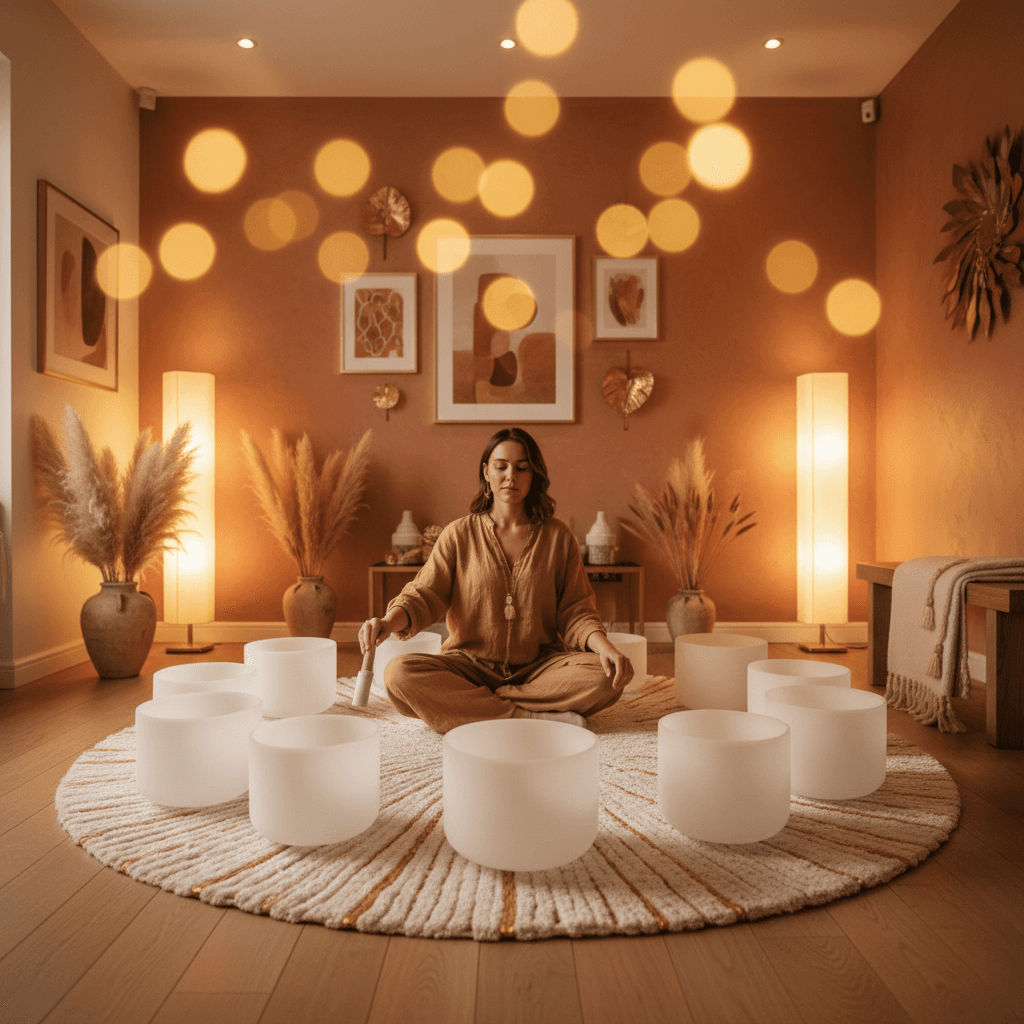
Larissa's unique methodology involves facilitating a safe, controlled sound environment that encourages the nervous system to relax and open to new auditory experiences. She carefully selects and utilizes specific instruments such as Himalayan singing bowls, gongs, chimes, and tuning forks, each chosen for their precise frequencies and resonant qualities. These instruments deliver gentle, therapeutic soundscapes that may support the brain in re-regulating its auditory processing without overwhelming it.
The Soul Art method emphasizes individual pacing and a gentle, progressive exposure to sound. Sessions are designed to be deeply restorative, integrating mindfulness and focused breathwork to calm the "fight or flight" response and engage the parasympathetic nervous system. This holistic view connects physical sensation with emotional and mental well-being, recognizing that an overactive nervous system can exacerbate sound sensitivity.
Larissa Steinbach guides participants through an experience that is both profoundly relaxing and subtly educative for the auditory system. By bathing the body in resonant frequencies, Soul Art aims to provide a complementary approach to stress management and nervous system regulation, which preliminary studies indicate can be beneficial for those with sound sensitivities. Many people report an enhanced sense of peace and a gradual improvement in their tolerance for everyday sounds through these gentle, immersive practices.
"The path to regulating sound sensitivity is less about battling the noise and more about befriending our nervous system, inviting it to soften its guard and re-discover the innate harmony within."
Your Next Steps: Cultivating a Healthier Relationship with Sound
Navigating sound sensitivity can feel overwhelming, but empowering yourself with knowledge and proactive strategies can make a significant difference. Taking intentional steps towards gentle regulation is a powerful act of self-care and an investment in your overall well-being. Here are some actionable steps you can implement today to begin cultivating a healthier relationship with sound:
- Seek Professional Guidance: If you suspect you have hyperacusis or significant sound sensitivity, the first step is to consult an ear, nose, and throat (ENT) specialist or an audiologist. They can provide an accurate diagnosis and rule out any underlying medical conditions, guiding you towards appropriate professional support.
- Prioritize Stress Management: Since stress consistently exacerbates sound sensitivity, integrating proven stress-reduction techniques into your daily routine is crucial. Practices such as meditation, deep breathing exercises, gentle yoga, and spending time in nature may support nervous system regulation and reduce the intensity of your reaction to sound.
- Practice Mindful Listening: In controlled and comfortable environments, engage in short, intentional periods of listening to very quiet, gentle sounds. Focus on the nuances without judgment, allowing your brain to process the sound naturally. Start with sounds like gentle rain or soft music, gradually increasing exposure as tolerance builds.
- Avoid Overprotection: While it's vital to protect your ears from genuinely harmful loud noises, resist the urge to constantly use earplugs or isolate yourself from all sounds in safe environments. Over-reliance on ear protection can heighten your brain's sensitivity. Instead, gradually reintroduce low-level, non-threatening sounds into your daily life.
- Explore Wellness Practices: Consider complementary approaches like the sound wellness sessions offered at Soul Art. Larissa Steinbach's curated sound baths provide a controlled, gentle introduction to resonant frequencies, which many people report as deeply calming and supportive for nervous system regulation. These experiences can serve as a gentle entry point for re-acclimatizing to sound in a supportive environment.
These steps, when approached with patience and consistency, may support your journey towards greater auditory comfort and overall well-being. Remember, small, consistent efforts can lead to significant shifts over time.
In Summary: Finding Your Auditory Equilibrium
Sound sensitivity, though challenging, is increasingly understood through the lens of modern neuroscience, revealing the brain's intricate "volume knob" controlled by PVNs. This understanding highlights that hyperacusis is often a perception issue, not merely a hearing problem, influenced by factors from cognitive load to emotional stress. While the immediate impulse might be to avoid sound, research consistently shows that overprotection can paradoxically worsen sensitivity by recalibrating the brain for silence.
The path to regulation lies in gentle, informed strategies: rebalancing the nervous system, gradually re-introducing sound, and cultivating resilience through practices like mindful listening and stress management. Soul Art, under the compassionate guidance of Larissa Steinbach, offers a unique and supportive sanctuary for this journey. Through carefully curated sound experiences, we aim to provide a complementary pathway to calm the nervous system and help individuals re-establish a more harmonious relationship with their auditory world. We invite you to explore these gentle methods and discover a renewed sense of peace with sound.
Bookings Coming Soon
Soul Art is still in preparation. Session details and booking will be published here after launch.
Coming Soon
Wellness Disclaimer: This article is for educational and informational purposes only. It does not constitute medical advice, diagnosis, or treatment. Soul Art Dubai provides non-medical wellness experiences focused on relaxation, stress management, and general wellbeing. Sound wellness is a complementary practice and should not replace professional medical care.
Related Articles
Beyond Hearing: Sound Waves & Your Body's Inner Boundaries at Soul Art
Breath Holding & Sound: Releasing Guarded Patterns at Soul Art Dubai

Reclaim Vitality: Soft Sound Practices for Fatigue & Collapse