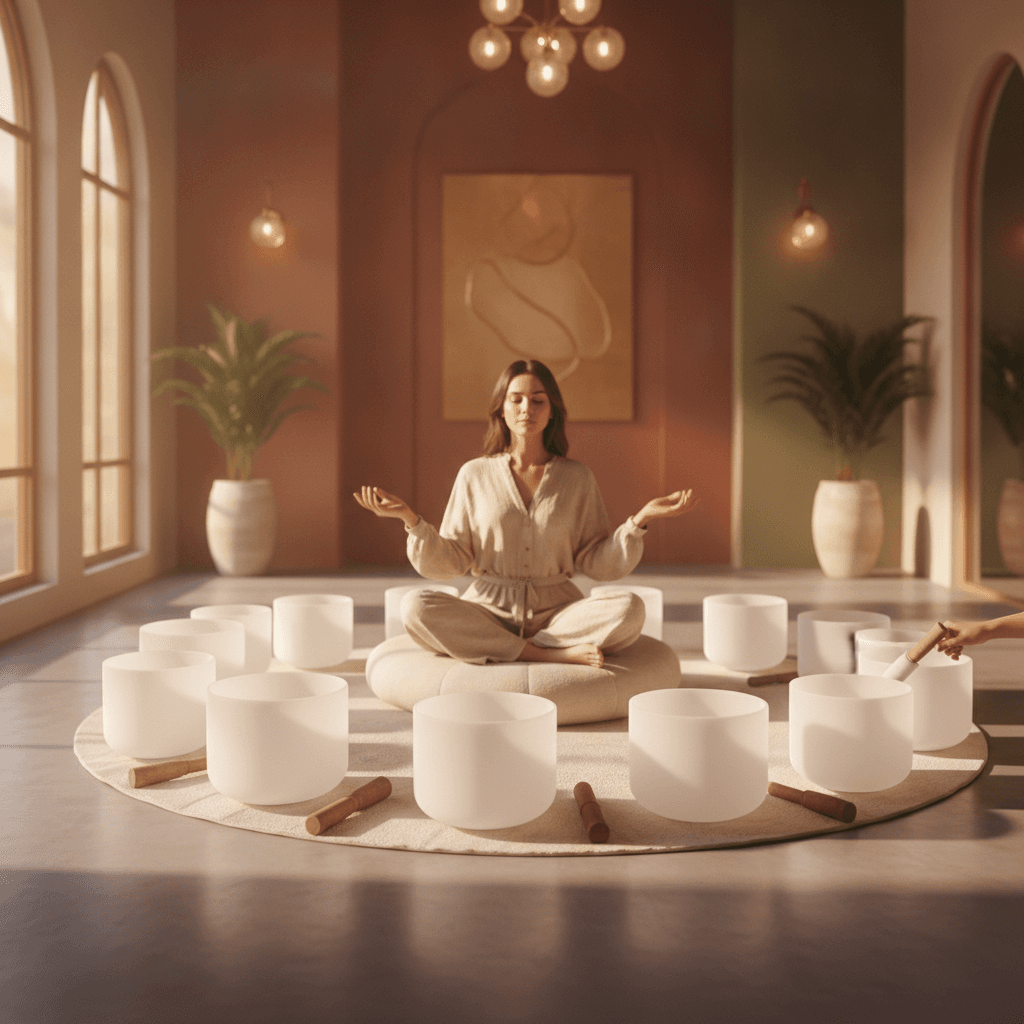
Tears During Sound Bath: Normalizing Deep Emotional Release
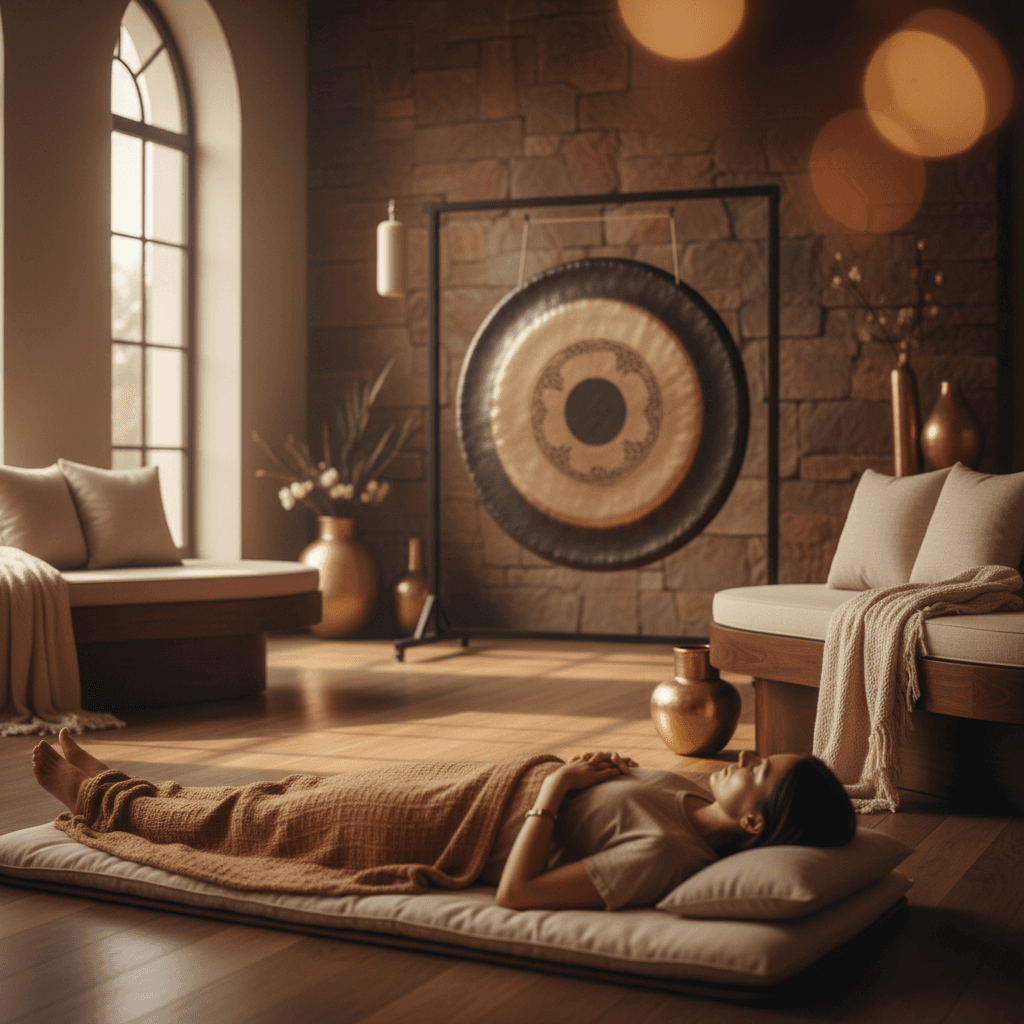
Key Insights
Unpacking why tears flow during a sound bath at Soul Art Dubai with Larissa Steinbach, and how this emotional release supports holistic well-being.
Have you ever found yourself lying in profound stillness during a sound bath, enveloped by resonant frequencies, only to feel an unexpected wellspring of tears? This profoundly moving experience, often surprising for newcomers, is a common and entirely normal reaction. Far from a sign of distress, these tears are often a powerful indicator that deep healing and release are taking place within your body and mind.
At Soul Art, Dubai’s premier sound wellness studio founded by Larissa Steinbach, we frequently observe and gently guide individuals through these cathartic moments. Understanding why this happens can transform the experience from potentially confusing to deeply reassuring and even celebrated. This article will delve into the scientific underpinnings of emotional release during sound baths, connect these theories to real-world experiences, and illuminate how Soul Art creates a nurturing space for such transformative moments.
We invite you to explore the fascinating interplay between sound, the nervous system, and emotional well-being. By normalizing this experience, we aim to empower you to embrace the full spectrum of sensations that may arise during your sound journey, recognizing them as integral steps on your path to holistic health. This deeper understanding may unlock new avenues for relaxation, stress reduction, and emotional regulation, enriching your self-care practice significantly.
The Science Explained
The profound emotional shifts experienced during a sound bath are rooted in sophisticated physiological and neurological responses. Sound frequencies, when introduced into the body, engage various systems, prompting a cascade of internal adjustments that facilitate deep relaxation and emotional processing. These mechanisms work together to create an environment where the body feels safe enough to let go of what it has been holding.
Understanding the Nervous System Response
Our bodies operate through two primary branches of the autonomic nervous system: the sympathetic, responsible for "fight-or-flight" responses, and the parasympathetic, which governs "rest-and-digest" functions. Modern life often keeps us in a heightened sympathetic state, leading to chronic stress, tension, and stored emotional patterns. Sound immersion acts as a powerful catalyst for shifting this balance.
When you engage in a sound bath, the sustained, resonant vibrations effectively signal safety to your nervous system. This signal allows the sympathetic system to quiet down, enabling the parasympathetic system to take over. Research supports this shift: a 2022 study published in Medicina observed significant decreases in brainwave activity associated with stress, alongside reductions in heart rate and respiration. Participants reported feeling more relaxed, integrated, and emotionally balanced after the sound experience, indicating a profound physiological shift.
This deep relaxation creates a fertile ground for the release of stored tension, trauma, and unprocessed emotions. As the body feels safe enough to switch off its protective mechanisms, patterns held in muscle tension or breathing can unwind, and the emotions tied to them can surface naturally. Tears, sighs, or even laughter are often described as the body's intrinsic "reset buttons," facilitating this important physiological and emotional release.
Brainwave Entrainment and Emotional Processing
Sound healing tools, particularly singing bowls and gongs, are adept at influencing our brainwave activity through a process known as brainwave entrainment. Our brains cycle through different electrical patterns associated with various states of consciousness:
- Beta: Alert, focused, and engaged in active thought.
- Alpha: Relaxed alertness, often associated with creativity and reduced stress.
- Theta: Deep meditation, dreaming, and heightened emotional processing.
- Delta: Deep, restorative sleep.
During a sound bath, the consistent rhythmic and harmonic frequencies can gently guide brainwaves from high-stress beta states into calmer alpha or even deeply meditative theta states. This shift is critical for emotional release. The theta state, in particular, allows for profound relaxation, heightened creativity, and easier access to subconscious material, including suppressed memories and emotions.
Vibrational sound strongly engages the limbic system, the brain's emotional center, which includes the amygdala and hippocampus. These areas are intrinsically linked to memory and feeling. When activated by sound vibrations in a relaxed state, old memories or feelings can rise into conscious awareness, often spontaneously and unexpectedly. This process, while sometimes intense, is frequently described as profoundly cathartic. Unlike traditional talk therapy, sound baths allow the subconscious to communicate directly through images, sensations, and emotions, bypassing the analytical mind and enabling emotions to move freely without intellectual suppression.
Hormonal Shifts and Cellular Vibrations
The physiological effects of a sound bath extend to our endocrine system, influencing hormone levels that regulate stress and mood. Multiple studies indicate a significant decrease in stress hormones like cortisol following sound therapy sessions. High cortisol levels are linked to anxiety, poor sleep, and inflammation, so their reduction is a key indicator of stress relief. Concurrently, levels of beneficial neurochemicals such as serotonin and oxytocin often increase. Serotonin contributes to feelings of well-being and happiness, while oxytocin fosters sensations of warmth, safety, and connection. This hormonal shift can trigger tears of relief or moments of spontaneous joy as the body "lets go" of accumulated stress.
Beyond brainwave and hormonal changes, sound also interacts with our physical body on a cellular level. Cymatics, the study of visible sound vibrations on matter, demonstrates how sound frequencies create distinct, often intricate, geometric patterns in water and other fluids. Considering that the human body is comprised of over 70% water, it is posited that these organized vibrational patterns may influence our tissues and cells. Pioneering work by Swiss scientist Dr. Hans Jenny visually illustrated this deep link between frequency and form. Neurologist Dr. Kulreet Chaudhary further explains that because our cells reside in a water-rich environment, sound waves can directly influence their function, potentially supporting the reduction of pain, easing inflammation, and promoting long-term healing. The physical vibrations from instruments like gongs and singing bowls permeate the body, resonating with our internal water content and possibly facilitating deeper energetic and emotional clearing, which can manifest as physical sensations or emotional release.
How It Works in Practice
Connecting the scientific understanding to the lived experience of a sound bath helps to demystify why tears and other strong emotions may surface. The environment of deep relaxation and sensory immersion creates a unique space for internal exploration and release. This isn't just theory; it's what participants consistently report feeling and experiencing.
As the therapeutic sounds wash over you, the deep relaxation achieved often leads to an unwinding of stress, trauma, and unprocessed emotions that have been "stored" in the body. These may manifest as muscle tension, restricted breathing patterns, or an overactive nervous system. When the body finally feels safe enough to enter a state of profound rest, these held patterns can begin to release, bringing their associated emotions to the surface. Tears, sighs, or even unexpected laughter are natural physiological responses indicating that the nervous system is resetting and recalibrating.
The strong engagement of the limbic system, as mentioned earlier, means that vibrational sound can bring old memories or feelings into conscious awareness. These can sometimes be surprising, even startling, but are frequently described as profoundly cathartic. Participants often report that these emotions rise without the need for intellectual analysis or verbal articulation, which is a key differentiator from traditional therapy. The subconscious communicates directly through sensations, spontaneous images, and pure emotion, allowing for a bypass of the critical mind and a more fluid, unimpeded emotional movement.
Deep relaxation also triggers the release of endorphins, oxytocin, and serotonin. These powerful neurochemicals flood the system, creating sensations of warmth, safety, and profound joy. It is not uncommon for tears to flow during these moments, not from sadness, but from overwhelming relief, gratitude, or a deep sense of peace as the body "lets go" of its burdens. Different sounds can also evoke distinct emotional responses. For instance, the deep, rumbling tones of gongs can create a mysterious, almost primal resonance that might trick the brain into trying to solve a puzzle, sometimes unsettling yet often leading to significant release.
Many participants also describe entering a theta state, a liminal space just before sleep or in deep meditation, where spontaneous images, lights, or colors may be perceived. These aren't pathological hallucinations but natural byproducts of the brain's altered activity, further deepening the immersive and often transformative experience. From a more holistic perspective, some believe that the sound bath "thins the veil" between the conscious mind and the deeper psyche, allowing for a connection to universal or archetypal experiences, echoing Jungian concepts of the collective unconscious and insights from modern psychedelic research into mystical states. This profound sense of connection and release can be incredibly powerful.
The Soul Art Approach
At Soul Art, Larissa Steinbach and her team are dedicated to creating a sanctuary where these transformative experiences can unfold safely and supportively. The Soul Art method is built upon a foundation of deep understanding, empathy, and expertly curated soundscapes designed to facilitate genuine emotional and physical release. Larissa Steinbach recognizes that allowing oneself to be vulnerable in this way requires trust, and every aspect of the studio is geared towards fostering that trust.
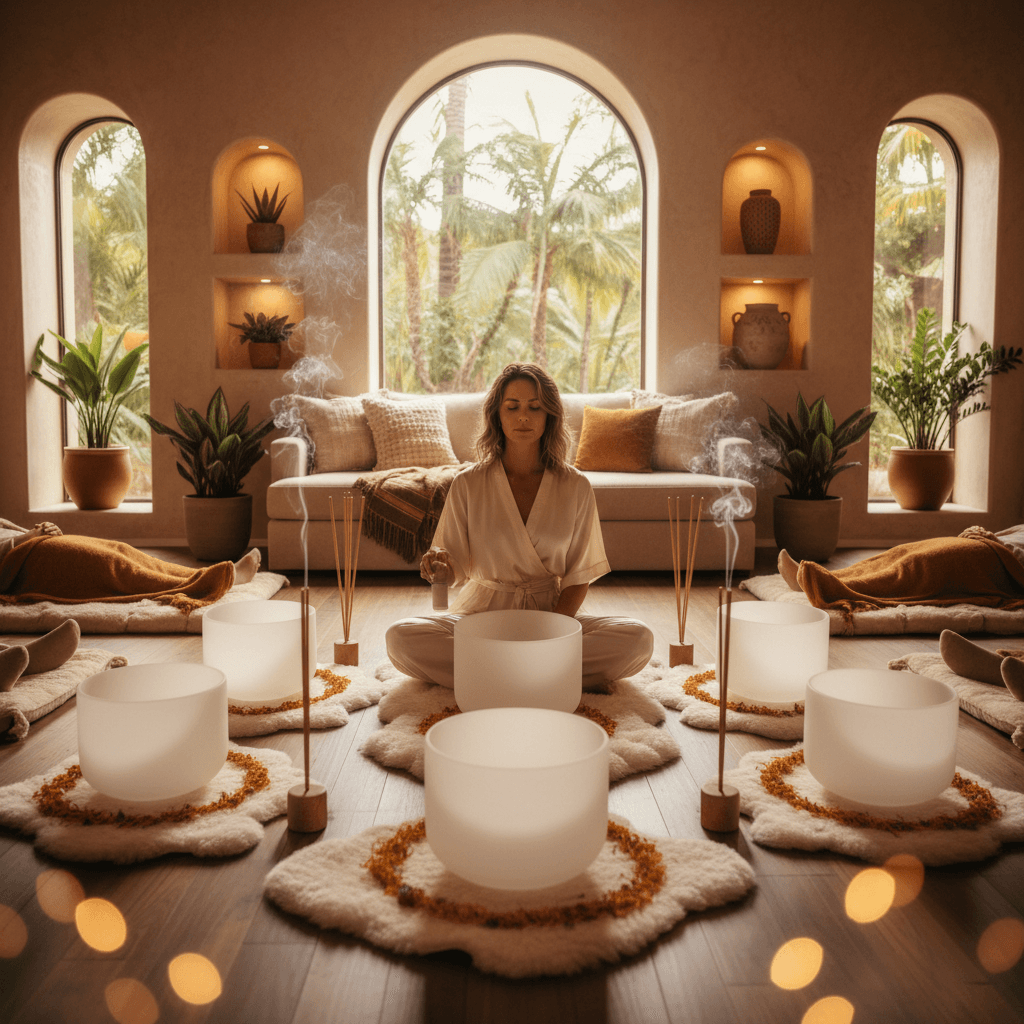
Larissa's approach emphasizes the intentional creation of a safe and grounded container for exploration. This involves selecting instruments that resonate harmonically and are played with mindful precision, such as crystal singing bowls, Himalayan singing bowls, and various gongs and chimes. These instruments are not merely played; their frequencies are intuitively guided to create specific vibrational fields that invite the body and mind into deeper states of relaxation and receptivity. The careful sequencing and pacing of the sound journey are crucial elements that contribute to the unique effectiveness of the Soul Art experience.
What makes the Soul Art method particularly unique is its emphasis on conscious facilitation. Larissa and her practitioners are trained to hold space for participants, understanding that emotional releases, including tears, are a natural part of the process. They normalize these reactions both before and after the session, reassuring participants that whatever arises is welcome and part of their individual healing journey. While active intervention is minimal during the sound bath itself, the subtle energetic presence of a grounded facilitator provides an unspoken assurance, allowing individuals the freedom to surrender to their experience.
The Soul Art approach also places importance on the integration phase. Participants are gently brought back into awareness, given time for quiet reflection, and encouraged to process any insights or emotions that arose. This holistic care ensures that the profound shifts experienced during the sound bath are not just fleeting moments but contribute to lasting well-being. Larissa Steinbach believes that true wellness involves honoring the body's innate capacity to heal and release, and sound serves as a gentle yet powerful guide in this process.
"The beauty of a sound bath lies in its permission to simply be. When tears flow, it's not a sign of weakness, but a profound act of strength and surrender, allowing the body to clear space for renewed peace." – Larissa Steinbach
Your Next Steps
Experiencing emotional release, including tears, during a sound bath is a deeply personal and often profoundly healing process. If you are new to sound baths or are contemplating your next session, preparing yourself and knowing how to navigate these moments can enhance your journey. Embrace these practical steps to deepen your experience and support your well-being.
- Cultivate an Open Mind: Approach your sound bath with an attitude of curiosity and non-judgment. Understand that your body and subconscious may have emotions or sensations to release, and trust the process. Being open helps you receive the full benefits.
- Prioritize Hydration and Comfort: Ensure you are well-hydrated before your session, as water helps conduct vibrations throughout the body. Wear comfortable clothing and make use of any provided blankets or eye masks to create a cozy and secure environment that supports deep relaxation.
- Feel Without Judgment During the Session: If tears, tingling, vivid images, or memories arise, simply allow them to be. There is no need to analyze or suppress them in the moment. Remember, these are natural "reset buttons" for your nervous system. Your body inherently knows how to process and release.
- Adjust if Needed: Should you feel physically uncomfortable at any point, quietly and gently adjust your position. You might place a hand over your heart or belly for grounding, or shift into a fetal position if that offers more comfort. Most facilitators are understanding of subtle movements.
- Integrate Afterward: After your sound bath, move slowly and allow yourself time and space for integration. Drink plenty of water to aid detoxification, take a few deep breaths, and consider journaling any thoughts, feelings, or insights that surfaced. Resting and avoiding overstimulation can help solidify the benefits of your session.
These practices can help you navigate the rich landscape of sensations and emotions that a sound bath may evoke, allowing for a truly transformative and deeply personal experience. Embracing these moments of release with compassion is key to unlocking profound healing.
In Summary
The experience of tears during a sound bath is not only normal but is often a profound indicator of deep emotional and physiological release. Scientific research confirms that sound frequencies can gently shift our nervous system from states of stress to deep relaxation, entrain brainwaves to meditative states, and initiate beneficial hormonal changes that facilitate the release of stored emotions and tension. These moments of catharsis, far from being unsettling, are powerful acts of self-healing, allowing the body and mind to reset and recalibrate.
At Soul Art, Larissa Steinbach and her dedicated team provide a meticulously crafted, safe, and nurturing environment where these transformative experiences are understood and honored. By embracing a holistic approach and conscious facilitation, Soul Art empowers individuals to connect with their inner landscape, release what no longer serves them, and step into a state of profound well-being. We invite you to surrender to the healing power of sound and discover the depth of peace that awaits.
Bookings Coming Soon
Soul Art is still in preparation. Session details and booking will be published here after launch.
Coming Soon
Wellness Disclaimer: This article is for educational and informational purposes only. It does not constitute medical advice, diagnosis, or treatment. Soul Art Dubai provides non-medical wellness experiences focused on relaxation, stress management, and general wellbeing. Sound wellness is a complementary practice and should not replace professional medical care.
Related Articles
Beyond Hearing: Sound Waves & Your Body's Inner Boundaries at Soul Art
Breath Holding & Sound: Releasing Guarded Patterns at Soul Art Dubai
Reclaim Vitality: Soft Sound Practices for Fatigue & Collapse