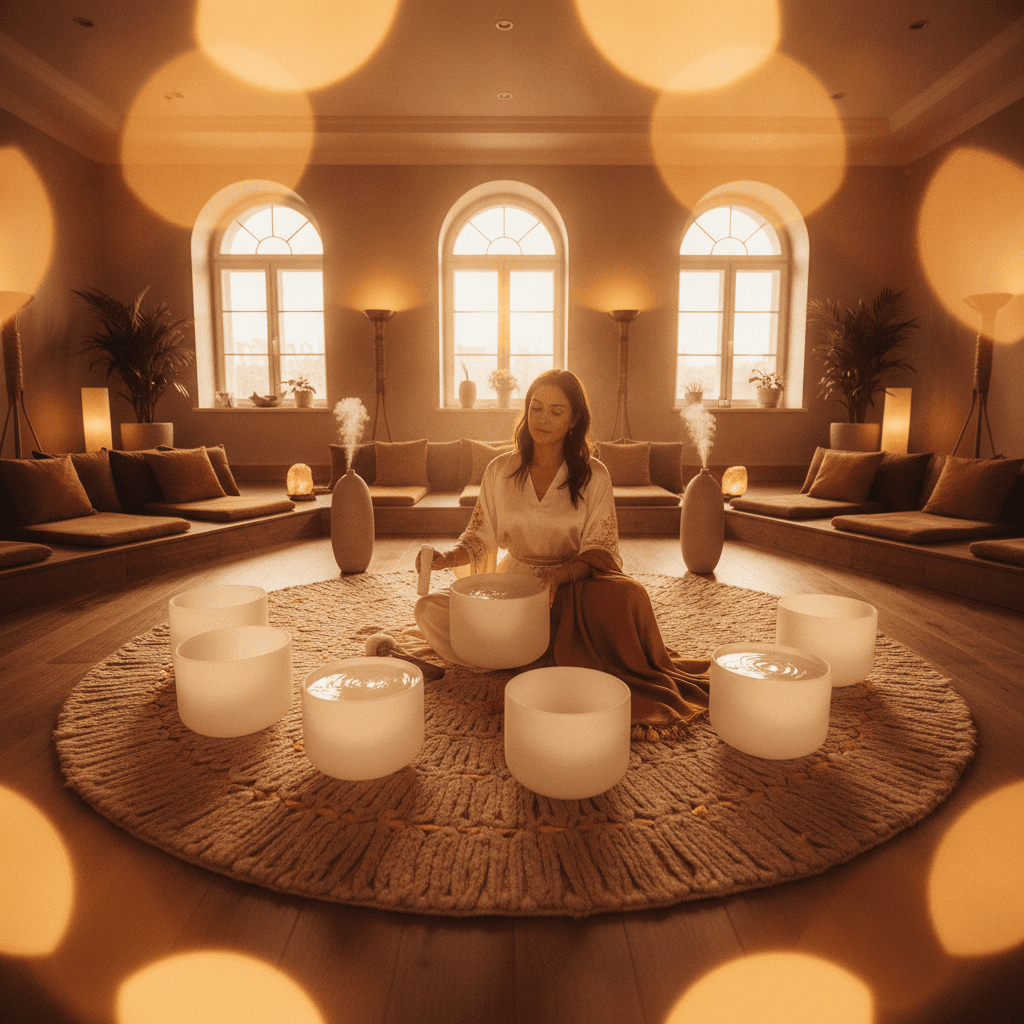
Optimizing Your Calm: When Breathwork Needs A Gentle Touch Before Sound
Key Insights
Discover why certain breathwork practices may be too activating before sound wellness sessions, and how Soul Art Dubai crafts the perfect journey to deep relaxation with Larissa Steinbach.
Have you ever left a wellness session feeling invigorated, yet strangely restless, when your intention was profound calm? In the intricate dance of modern wellness practices, the sequencing of modalities is often as crucial as the practices themselves. While both breathwork and sound healing are powerful tools for wellbeing, understanding their synergistic potential—and potential for misalignment—is key to unlocking their deepest benefits.
At Soul Art, Dubai's premier sound wellness studio founded by Larissa Steinbach, we often encounter a nuanced question from those seeking true inner peace: "Can breathwork ever be too activating before a sound bath?" The answer, surprisingly, is yes. This article will delve into the science behind our nervous system, exploring why certain breathwork techniques, while incredibly beneficial in their own right, may sometimes counteract the very state of deep relaxation and receptivity that sound healing aims to cultivate.
Join us as we uncover the delicate balance, the fascinating neuroscience, and the practical strategies for optimizing your journey towards sustained calm and emotional clarity. Understanding this dynamic ensures your path to wellness is not just effective, but truly transformative, aligning every step with your highest intentions for peace.
The Science Explained: Navigating Your Nervous System for Optimal Calm
Our body’s command center for stress, relaxation, and everything in between is the autonomic nervous system (ANS). This intricate system operates largely without our conscious input, yet it profoundly dictates our physical and mental state. It comprises two primary branches: the sympathetic nervous system (SNS) and the parasympathetic nervous system (PNS).
The Sympathetic and Parasympathetic Divide
The SNS is often dubbed the "fight-or-flight" system. When activated, it prepares us for action, increasing heart rate, dilating pupils, and releasing stress hormones like cortisol. Conversely, the PNS is our "rest-and-digest" system, promoting relaxation, slowing the heart rate, and facilitating healing and restoration. The goal for deep relaxation and sound healing is to gently guide the body into a predominant PNS state.
Conscious breath regulation is, quite literally, one of the most immediate and accessible ways to communicate with this nervous system. When we experience acute or chronic stress, our breathing naturally becomes shallow, fast, and often confined to the chest. This pattern mirrors the breathing of someone in danger, unfortunately reinforcing the sympathetic state and sending constant threat signals to the brain.
How Breathwork Influences Our State
By contrast, deep, slow, and intentional breathing sends a powerful message of safety to the brain, effectively halting the stress cycle and activating the PNS. Researchers like Guy Fincham, who leads a breathwork research lab at Brighton and Sussex Medical School, highlight strong evidence for the benefits of slowing down breathing to less than 10 breath cycles per minute, a rhythm often referred to as "coherent breathing." This specific rhythm is widely found in ancient traditions like yoga and qigong.
However, not all breathwork techniques are designed for immediate relaxation. Some practices, particularly those involving rapid, intense, or prolonged retention phases, can be highly activating. These techniques might temporarily elevate heart rate, increase oxygen intake dramatically, or even stimulate a controlled physiological stress response, which can be beneficial for energy, emotional release, or focus in other contexts. But preceding a sound bath, this activation can be counterproductive, making it harder for the body and mind to surrender into the deep meditative states associated with sound.
The Brainwave Symphony: Theta and Sound Healing
Sound healing is profoundly effective because it encourages specific brainwave states. A 2016 study from the Journal of Evidence-Based Integrative Medicine found that just 60 minutes of sound therapy with singing bowls significantly slashed stress and anxiety levels in participants, while boosting mood. The gentle, sustained vibrations help lower cortisol—the stress hormone—leaving individuals calmer. This study also suggested that sound meditation improved symptoms of depression and tension.
It is thought that the frequencies from sound instruments sync your brainwaves to a slower, theta state. Theta brainwaves, typically ranging from 4 to less than 8 Hz, are linked to deep relaxation, emotional clarity, meditation, and even heightened intuition. An overly activated nervous system, still humming from an intense breathwork session, might struggle to transition into this receptive theta state, remaining in more alert beta or alpha states instead. This is why the intentional transition is so vital.
Cortisol and Cellular Receptivity
Chronic stress is a pivotal driver of many age-related disorders and mental health conditions like anxiety and depression. High levels of stress hormones, such as cortisol, can worsen prognosis and accelerate disease progression, as highlighted by Professor David Spiegel of Stanford University in his work on breast cancer patients. Both breathwork and sound healing aim to reduce these harmful cortisol levels.
When the body is deeply relaxed and in a parasympathetic state, its cells are more receptive. A 2020 study in Frontiers in Psychology highlighted how sound waves ripple through your tissues, easing physical tension and even helping release stored trauma. Adding sound healing to the end of a preparatory breathwork session, rather than an activating one, can amplify its positive effects on the nervous system, creating a profound, synergistic pathway that bypasses the analytical mind and speaks directly to the body’s innate need for safety and peace.
How It Works in Practice: Crafting the Transition
The integration of breathwork and sound healing, when done thoughtfully, creates a powerful, holistic experience. The key lies in understanding the desired outcome and tailoring the breathwork component to facilitate that specific state, especially when deep relaxation is the goal. For sound healing, the journey begins with settling the mind and softening the body.
When a breathwork practice is too activating—for instance, involving rapid, strong inhalations or extended breath retentions designed to energize—it can prime the nervous system for alertness rather than deep surrender. Participants might experience a heightened sense of energy, tingling, or even a mild activation of the sympathetic nervous system. While these sensations can be valuable for certain intentions, they may create internal resistance to the gentle, calming frequencies of a sound bath.
"The true magic of combining breathwork and sound healing unfolds when the breath gently coaxes the nervous system into a state of profound receptivity, like preparing fertile ground for the seeds of tranquility to blossom."
Conversely, breathwork techniques specifically chosen for their calming effects, such as slow, deep diaphragmatic breathing or the "physiological sigh" (a double inhale followed by an extended exhale, as described by researchers like Andrew Huberman for its CO2-offloading, PNS-activating benefits), prepare the body beautifully. These methods gently downregulate the nervous system, signaling safety and promoting a "rest-and-digest" state. This creates an internal landscape where the body relaxes, the mind quiets, and the spirit opens to receive the full spectrum of therapeutic vibrations from the sound instruments.
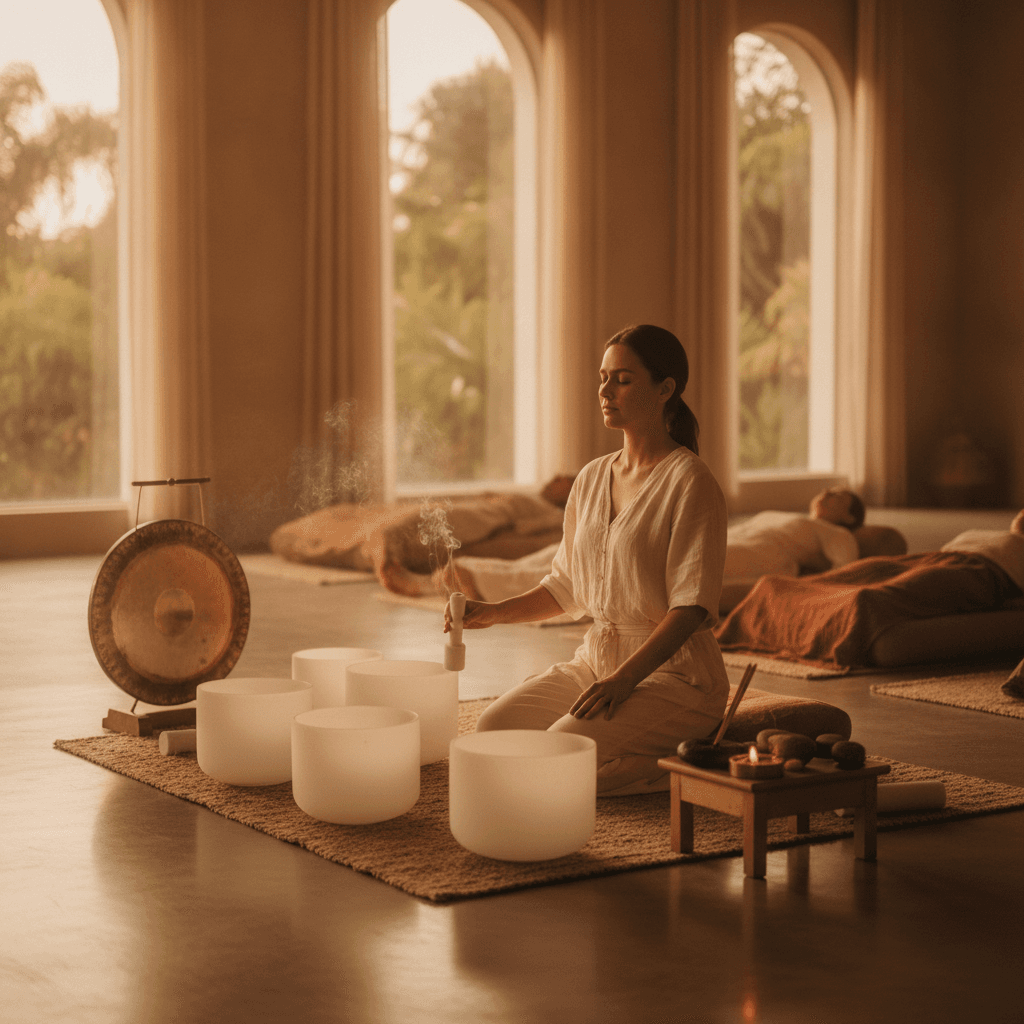
As the breath deepens and slows, the physical body becomes more receptive to sound. The sound waves, whether from crystal singing bowls, gongs, or tuning forks, can then ripple more freely through tissues, easing physical tension and potentially releasing emotional blockages. This synergistic pathway supports the brain's transition into theta and delta states, fostering a profound sense of peace and clarity. Many people report an enhanced feeling of "body buzz" as the vibrations resonate more deeply, leading to a richer, more immersive healing experience.
The Soul Art Approach: Larissa Steinbach's Philosophy of Harmonious Flow
At Soul Art, Larissa Steinbach, our founder, brings a deep understanding of this delicate balance to every session. Her philosophy centers on creating a seamless and harmonious flow, ensuring that each element of the wellness journey complements the next, guiding participants effortlessly into states of profound peace and self-discovery. The Soul Art method is meticulously crafted to honor the body’s innate wisdom and optimize the nervous system’s journey from activity to stillness.
Larissa emphasizes the importance of preparatory breathwork that aligns with the intention of deep relaxation. Rather than engaging in highly activating techniques, sessions at Soul Art typically begin with gentle, grounding breath practices. These might include coherent breathing, extended exhales, or variations of mindful diaphragmatic breathing designed to activate the parasympathetic nervous system and gently lower the heart rate. The focus is always on creating a soft landing, making the body and mind highly receptive to the incoming sonic frequencies.
The uniqueness of the Soul Art method also lies in its holistic integration of intention setting. Before any breathwork or sound healing begins, participants are guided to articulate their intentions in the present tense, such as "I feel calm and centered" or "I embrace inner peace." This focused mental preparation, combined with the calming breathwork, primes the subconscious for healing, enhancing the overall efficacy of the sound bath. This mindful approach creates a powerful energetic container for transformation.
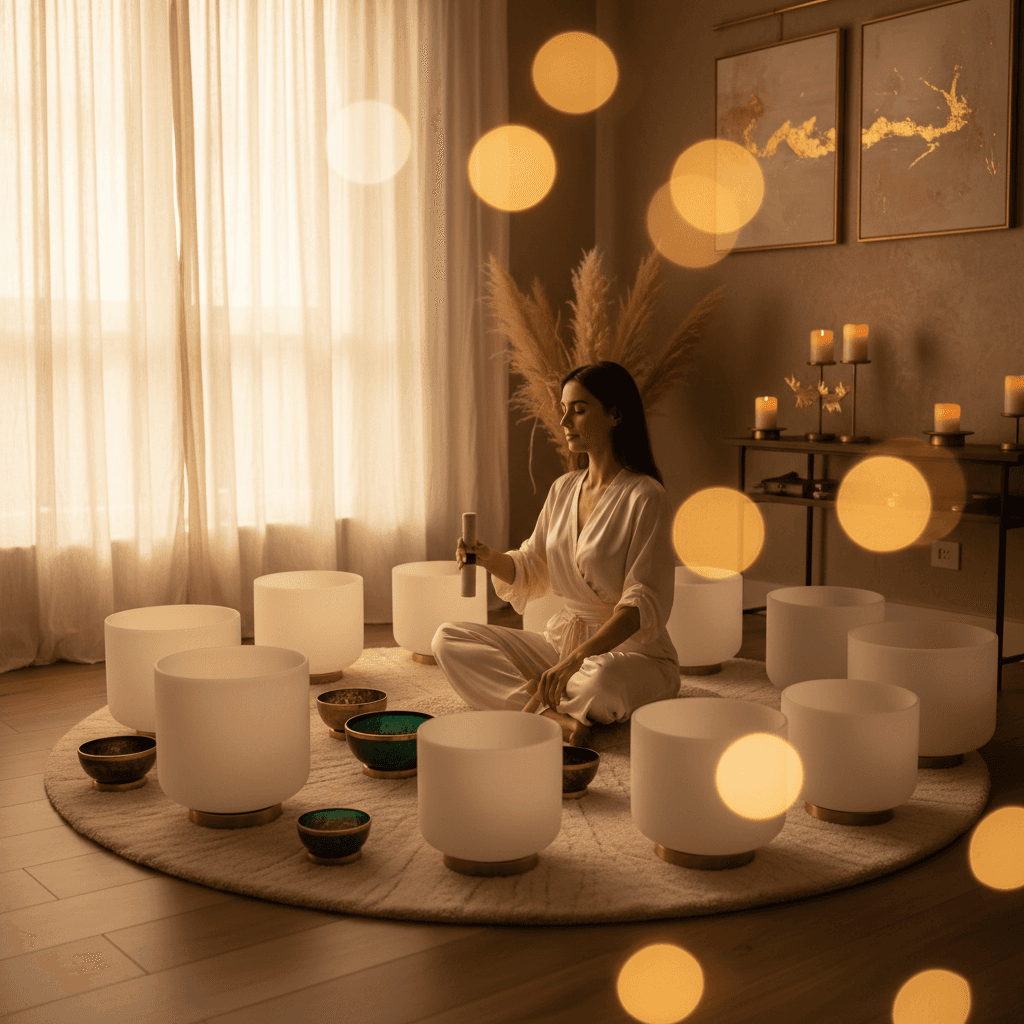
Larissa Steinbach carefully curates the sound journey with a rich array of instruments, including Himalayan singing bowls, crystal alchemy bowls, gongs, and chimes. These instruments are chosen not only for their exquisite tones but for their specific vibrational frequencies that support deep relaxation and brainwave entrainment to theta and delta states. The carefully constructed soundscapes facilitate the release of tension and emotional blockages, allowing the body to naturally restore its vibrational balance.
Your Next Steps: Cultivating Calm in Your Daily Life
Understanding the interplay between breathwork and sound healing empowers you to make more informed choices for your wellness journey. Even without a formal session, you can begin to integrate these principles into your daily routine, fostering a deeper connection with your nervous system and promoting sustained calm. Consistency, even for just 10 minutes daily, can begin to re-wire your nervous system’s default state from anxiety to calm.
Here are some practical steps you can implement today:
- Prioritize Gentle Breathwork Pre-Relaxation: Before any activity where deep calm is your goal (like meditation, sleep, or listening to calming music), practice 5-10 minutes of slow, deep diaphragmatic breathing. Focus on extending your exhale to be longer than your inhale, which naturally signals your body to relax.
- Observe Your Breath: Throughout your day, become aware of your breathing patterns. If you notice shallow, rapid chest breathing, pause and consciously shift to deeper, slower breaths, engaging your diaphragm. This simple act can instantly reduce cortisol levels and activate your PNS.
- Integrate Mindful Transitions: If you engage in energizing activities (physical exercise, intense work, or even activating breathwork), consciously schedule a transition period before shifting to rest or relaxation. This might involve a gentle cool-down, a brief meditation, or a few minutes of quiet, slow breathing.
- Set Clear Intentions: Before any self-care practice, take a moment to set a clear, positive intention in the present tense. For instance, "I am receptive to peace" or "I feel deeply nourished." This conscious focus enhances the power of your practice.
- Explore Sound Regularly: Incorporate calming sounds into your routine. This could be guided meditations with sound, nature sounds, or even specific music designed for relaxation. Allow yourself to simply listen and feel the vibrations, letting them wash over you without judgment.
By consciously navigating the powerful tools of breath and sound, you not only manage stress but actively cultivate a state of inner freedom and profound well-being.
In Summary: The Art of Harmonious Wellness
The journey to profound relaxation and healing is a nuanced one, requiring an understanding of our body's intricate systems. While breathwork is a powerful modulator of our nervous system, its application must be attuned to our desired outcome. When preparing for the deep surrender of a sound bath, intentionally choosing calming, preparatory breathwork is paramount to facilitating the transition into restorative theta brainwave states and optimizing the body's receptivity.
At Soul Art, Larissa Steinbach and her team expertly guide this journey, ensuring a harmonious synergy between breath and sound. Our scientifically informed approach focuses on gently activating the parasympathetic nervous system, allowing you to bypass the analytical mind and truly receive the transformative vibrations. We invite you to experience this exquisite balance, where every breath deepens your connection to peace and every tone resonates with your soul's desire for calm.
Bookings Coming Soon
Soul Art is still in preparation. Session details and booking will be published here after launch.
Coming Soon
Wellness Disclaimer: This article is for educational and informational purposes only. It does not constitute medical advice, diagnosis, or treatment. Soul Art Dubai provides non-medical wellness experiences focused on relaxation, stress management, and general wellbeing. Sound wellness is a complementary practice and should not replace professional medical care.
Related Articles
The Science of Connection: Call and Response Chanting for Wellness
Deepen Your Bond: Couples Breath & Tone Practice at Soul Art
Harmonize Your Voice: Humming for Public Speaking Nerves