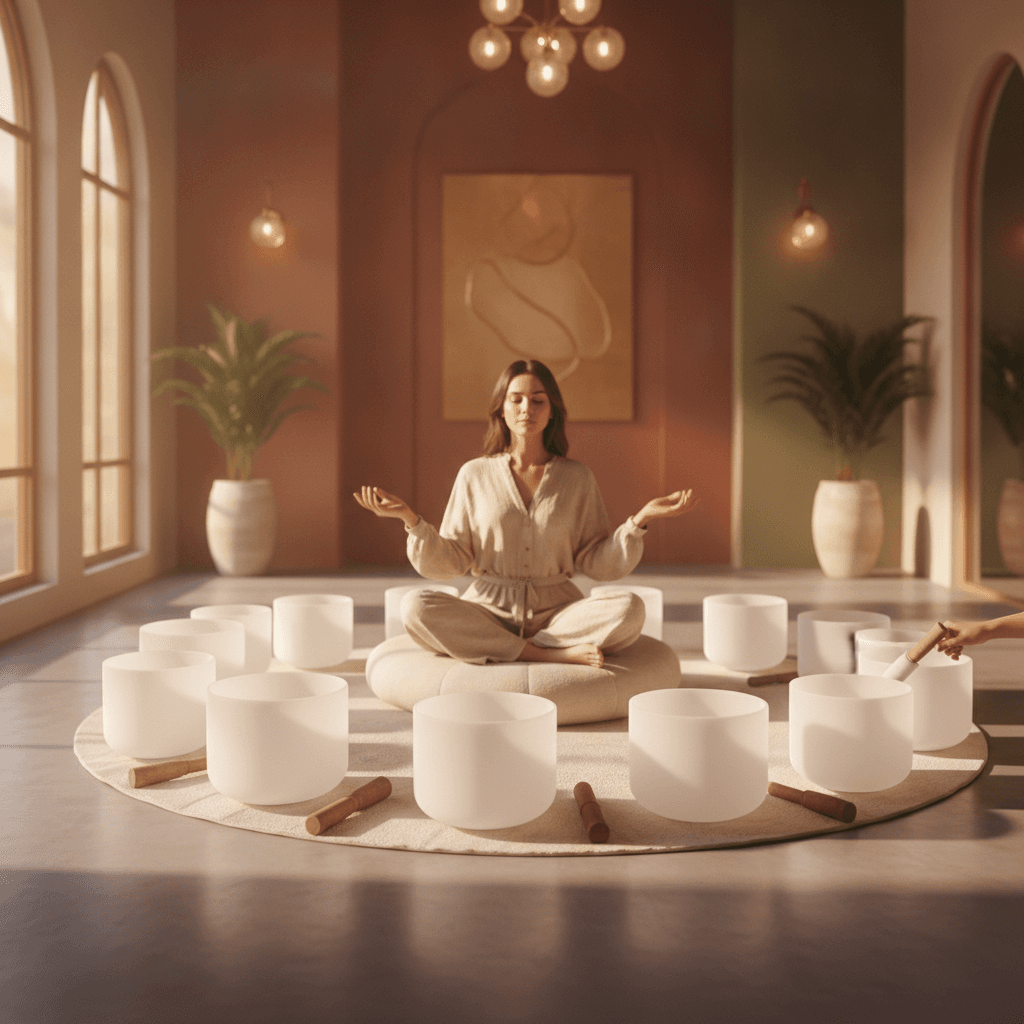
Walking After Sound Bath: Integrating Through Movement for Lasting Calm
Key Insights
Discover the science behind mindful walking after a sound bath. Larissa Steinbach and Soul Art guide you to integrate profound relaxation for sustained well-being.
Have you ever emerged from a deeply restorative sound bath feeling wonderfully serene, yet slightly unmoored, wondering how to carry that profound calm into your busy day? The transition from deep meditative states back to everyday activity can sometimes feel abrupt. What if there was a simple, scientifically-backed practice that could help you seamlessly integrate the benefits of your sound wellness journey?
At Soul Art, Dubai’s premier sound wellness studio, we believe in supporting your holistic well-being beyond the session itself. This article explores the powerful synergy between sound-induced relaxation and mindful movement, specifically walking, as a vital tool for sustained nervous system regulation. Under the visionary guidance of our founder, Larissa Steinbach, we delve into how a post-sound bath walk can amplify and extend your journey toward inner peace and improved bodily awareness.
Prepare to uncover the sophisticated science and practical wisdom behind transforming fleeting tranquility into enduring integration, enhancing your mind-body connection with every step.
The Neuroscience of Sound & Movement Integration
The profound effects of a sound bath are not merely anecdotal; they are increasingly substantiated by rigorous scientific research. Understanding these mechanisms helps us appreciate why mindful movement afterward is so beneficial.
The Deep Rest of Sound Baths
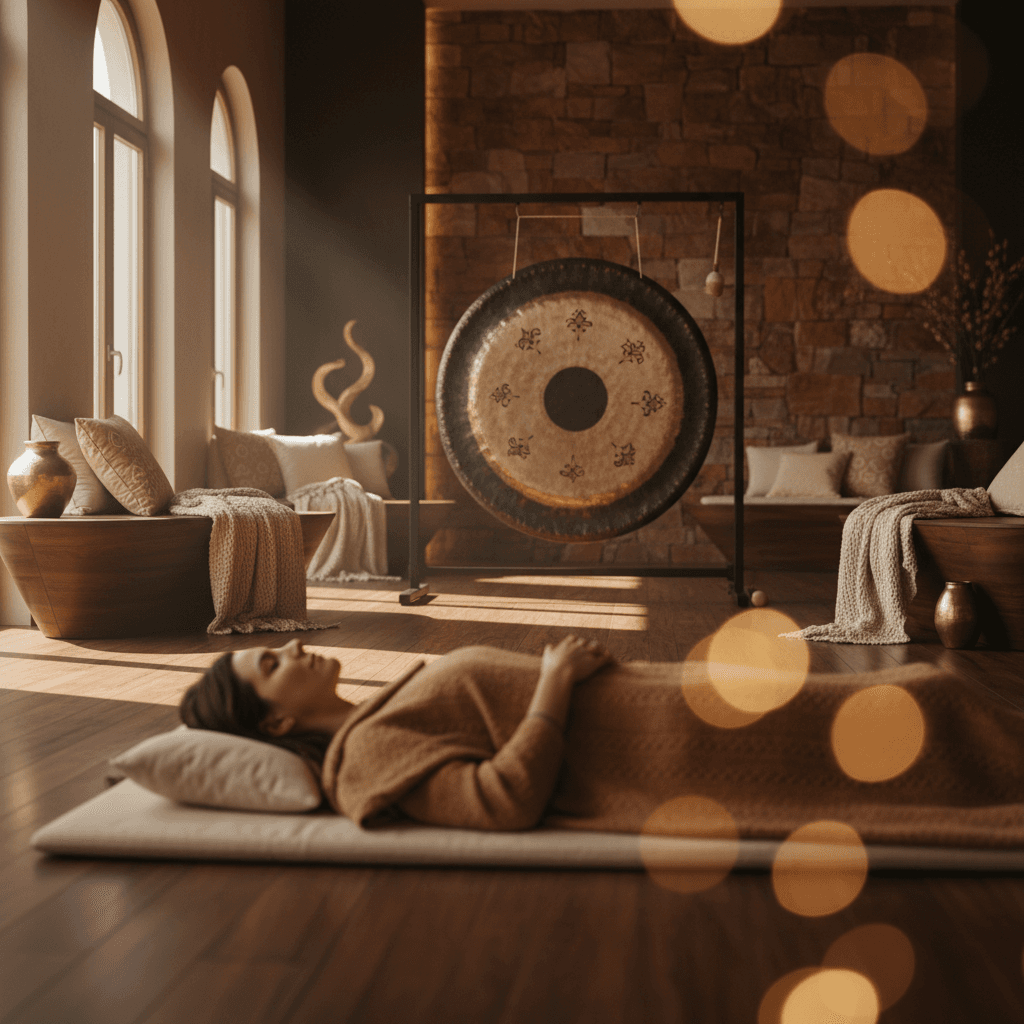
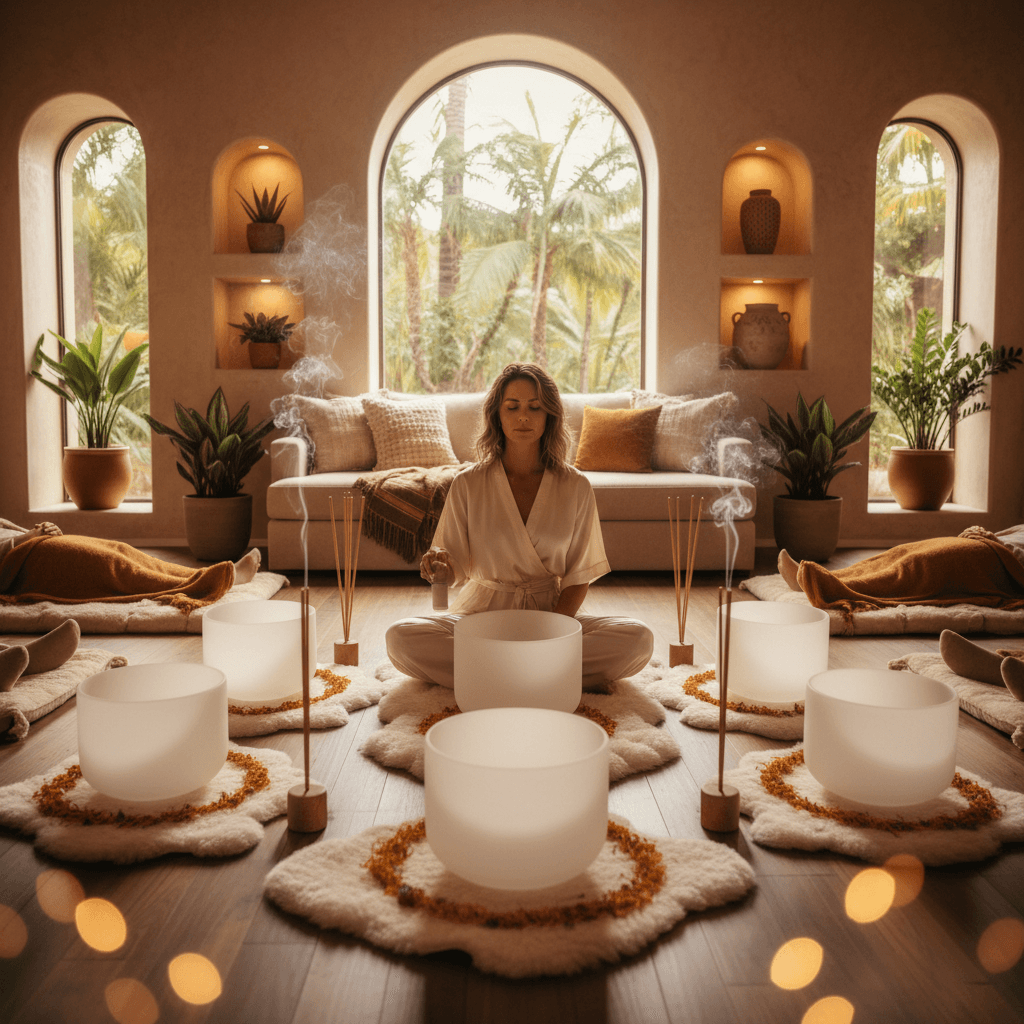
During a sound bath, instruments like crystal singing bowls and gongs produce resonant frequencies that envelop the body. This unique auditory experience may shift brainwave activity from the fast, busy beta state, often associated with stress and active thinking, into slower alpha and theta states. These slower brainwave frequencies are linked to deep relaxation, enhanced creativity, and even healing processes, as noted in various studies (Goldsby et al., 2016; Bartel, 2017).
Research indicates that sound-based meditation can support a reduction in tension, anxiety, and physical pain, sometimes after just a single session (Goldsby et al., 2016). Dr. Lee Bartel, a music and health researcher, highlights how sound frequencies may assist with sleep, alleviate pain, and aid in nervous system regulation (Bartel, 2017). Furthermore, studies using EEG technology show that the brain can transition from agitated wave patterns to exceptionally calm wave forms within minutes during sound healing (Madre, Inner Summits).
This shift activates the parasympathetic nervous system, responsible for "rest and digest" functions, and may increase vagal tone, a crucial marker for resilience and emotional regulation (Inner Summits). This physiological reset can lead to measurable improvements, including reduced cortisol levels, lower blood pressure, and enhanced heart rate variability (Inner Summits). Many participants often report emerging from a sound bath feeling not just relaxed, but lighter, clearer, and more balanced, experiencing what is sometimes described as a "liminal" or "dreamlike" state (AARP).
The Power of Rhythmic Auditory Stimulation (RAS)
While sound baths induce deep stillness, rhythmic auditory stimulation (RAS) offers a different, yet equally powerful, application of sound. A robust body of research, particularly in rehabilitation, demonstrates the effectiveness of RAS in improving movement and motor control. The Frontiers review highlights how rhythmic patterns of sound, such as those from a metronome or beat-enhanced music, can facilitate the rehabilitation of intrinsically rhythmical movements.
This research strongly indicates that RAS can have immediate and significant effects on various aspects of gait. This includes improvements in gait velocity, step cadence, and stride length (Thaut et al., 1996; McIntosh et al., 1997; Freedland et al., 2002). Furthermore, RAS has been shown to reduce gait variability and improve walking stability in conditions like Parkinson's disease (Miller et al., 1996; Thaut et al., 1999).
Studies have demonstrated that RAS can be effectively applied for timely motor control during gait training for stroke patients (Thaut et al., 1993, 1997). For instance, patients walking with RAS matched to their baseline gait cadence showed decreased stride time variability and more balanced muscular activation (Thaut et al., 1993). Beyond clinical applications, the principle remains: rhythmic sound can synchronize and refine bodily movement. This connection between sound and movement suggests that our brains are inherently wired to integrate auditory cues with motor function, promoting neural recovery and development of new adaptive capacities (Medbridge).
Bridging States: From Stillness to Active Integration
The magic of walking after a sound bath lies in its ability to bridge these two powerful states: the profound stillness cultivated by sound healing and the natural rhythmicity of human movement. When your brain shifts into alpha and theta states during a sound bath, it becomes highly receptive and malleable. This state of heightened awareness, coupled with a regulated nervous system, creates an optimal window for integrating subtle energetic and physiological shifts.
Mindful walking, post-sound bath, leverages the principles of RAS in a gentle, intuitive way. While the sound bath itself doesn't provide a direct rhythmic beat for walking, the body's newfound calm and heightened proprioception make it more attuned to its natural internal rhythm. The deliberate, repetitive motion of walking can act as a gentle anchor, helping to ground the expanded states of consciousness experienced during the sound bath.
This process aids in harmonizing the physiological changes induced by the sound with the physical act of moving through the world. It provides a gradual re-entry, allowing the brain to consolidate the relaxed state while engaging the motor system in a balanced, coordinated manner. The brain, now in a more coherent and receptive state, may more effectively translate the internal sense of calm into outwardly expressed, stable movement patterns.
"The true art of wellness lies not just in finding moments of profound peace, but in gracefully weaving those moments into the tapestry of our daily lives."
The Embodied Experience: Walking as a Bridge
Stepping out of a sound bath often feels akin to waking from a vivid, restorative dream. The world may appear sharper, colors more vibrant, and sounds clearer, yet there's a delicate spaciousness within. This "in-between" or liminal state, as described by participants (AARP), is an exquisite window for integration.
Immediately after a session, many people report feeling lighter, clearer, and profoundly balanced (Inner Summits). It's a sensation of inner quietude, a release from the mental chatter and physical tension that often accumulate. However, without a conscious transition, the hustle of daily life can quickly dissipate this precious calm.
This is where mindful walking becomes an invaluable tool. It acts as a gentle, yet powerful, bridge from the deep internal experience of the sound bath back to the external world. Unlike a sudden jolt, walking allows for a gradual re-engagement, respecting the delicate state of the nervous system.
The repetitive, rhythmic nature of walking naturally complements the regulated state achieved during the sound bath. It provides a grounding mechanism, reconnecting your body with the earth and your senses with the present moment. Each step can become a mindful affirmation of presence, drawing your awareness to the feel of your feet, the gentle swing of your arms, and the rhythm of your breath. This deliberate physical engagement helps to anchor the ethereal calm into your physical body, making it more robust and enduring.
Engaging in a mindful walk after a sound bath allows for an embodied processing of the experience. It gives your mind-body system the space to process insights, release lingering emotions, and consolidate the profound relaxation. The synergy is powerful: the sound bath prepares the internal landscape for peace, and the walk helps to integrate that peace into your functional, moving self. It’s an active way to carry the benefits forward, rather than letting them slip away.
The Soul Art Philosophy: Harmonizing Sound and Movement
At Soul Art, Larissa Steinbach’s vision extends beyond the immersive experience of the sound bath itself. Our philosophy emphasizes a holistic approach to wellness, recognizing that true well-being is cultivated through mindful practices that permeate daily life. We understand that the journey of integration is as crucial as the journey of relaxation.
Larissa Steinbach meticulously crafts each Soul Art session to optimize for both deep relaxation and effective post-session integration. Our studio is designed to be an oasis, providing the perfect environment for profound sonic immersion. We utilize a carefully curated selection of instruments, including resonant crystal bowls, powerful gongs, and delicate chimes, chosen for their specific frequencies and their capacity to entrain brainwaves into restorative states.
What makes the Soul Art method unique is its focus on conscious transition. While the sound bath provides the deep reset, we encourage practices that help clients solidify and carry this newfound calm into their everyday existence. This often includes gentle guidance on mindful re-entry, emphasizing practices like quiet reflection and, significantly, mindful movement.
Larissa guides participants not just through the sound journey, but also in understanding how to maintain the tranquil state long after the session concludes. We emphasize the importance of listening to your body, recognizing its heightened awareness, and channeling that sensitivity into gentle, intentional movement. This could involve a quiet walk in nature, allowing the rhythmic motion to further stabilize the nervous system and integrate the profound inner shifts.
Soul Art is dedicated to empowering individuals to harness the transformative power of sound and seamlessly integrate it into a balanced, vibrant life. Our approach ensures that the deep relaxation experienced is not fleeting, but becomes a foundational element of sustained well-being, supported by simple, yet profound, integration techniques.
Cultivating Sustained Serenity: Practical Integration Tips
Maximizing the benefits of your sound bath experience extends beyond the session itself. The moments immediately following are potent opportunities to consolidate your newfound peace and integrate it deeply into your being. Here are practical steps you can take to cultivate sustained serenity after your Soul Art session:
- Embrace Mindful Walking: After your sound bath, opt for a gentle, unhurried walk, ideally in nature or a quiet outdoor space. Focus on the sensation of your feet on the ground, the rhythm of your breath, and observe your surroundings without judgment. This grounding movement helps to integrate the energetic shifts and re-establish your connection to the physical world.
- Prioritize Hydration and Gentle Nourishment: Your body has just undergone a significant energetic reset. Drink plenty of water or herbal tea to aid detoxification and cellular function. Choose light, nourishing foods that support your delicate state, avoiding anything heavy or stimulating immediately afterward.
- Limit Digital Exposure: Resist the urge to immediately check your phone or dive into demanding tasks. Allow yourself a period of digital detox to protect your calm and prevent your nervous system from quickly reverting to a state of overstimulation.
- Journal Your Experience: If insights or emotions arose during your sound bath, dedicate a few minutes to journaling. Writing can help process these experiences, consolidate new perspectives, and deepen your understanding of your inner landscape.
- Maintain a Gentle Pace: For the rest of your day, try to maintain a slower, more deliberate pace in all your activities. This conscious choice reinforces the relaxed state, teaching your body and mind to operate from a place of calm efficiency rather than frantic haste.
By consciously incorporating these practices, you can extend the profound benefits of your sound bath, transforming a momentary escape into a lasting foundation for well-being. Soul Art is here to support you on this journey.
In Summary: Walk Your Way to Integrated Well-being
Sound baths offer a potent pathway to deep relaxation, shifting our brains into restorative alpha and theta states and calming the nervous system. This profound stillness, as championed by Larissa Steinbach and practiced at Soul Art, provides a vital reset from the demands of modern life. Yet, the journey doesn't end when the final gong fades.
Mindful walking after a sound bath serves as a powerful, scientifically supported tool for integration. Leveraging principles of rhythmic auditory stimulation, even a gentle stroll can help anchor the ethereal calm into your physical body, improving gait, stability, and overall body awareness. This conscious movement ensures that the serene state cultivated during your session is not fleeting, but becomes an enduring part of your daily well-being.
By combining the deep rest of sound with intentional movement, you can cultivate a more sustained sense of balance and peace. We invite you to experience this powerful synergy and discover how Soul Art can guide you towards a truly integrated sense of well-being.
Bookings Coming Soon
Soul Art is still in preparation. Session details and booking will be published here after launch.
Coming Soon
Wellness Disclaimer: This article is for educational and informational purposes only. It does not constitute medical advice, diagnosis, or treatment. Soul Art Dubai provides non-medical wellness experiences focused on relaxation, stress management, and general wellbeing. Sound wellness is a complementary practice and should not replace professional medical care.
Related Articles
Beyond Hearing: Sound Waves & Your Body's Inner Boundaries at Soul Art
Breath Holding & Sound: Releasing Guarded Patterns at Soul Art Dubai
Reclaim Vitality: Soft Sound Practices for Fatigue & Collapse