Vikruti and Sound: Harmonizing Your Imbalances in a Modern World
Key Insights
Explore how ancient Ayurvedic wisdom of Vikruti links to modern psychological states, and how Soul Art's sound wellness offers a path to balance.
Have you ever felt inexplicably "off" – a persistent sense of unease, heightened stress, or a subtle but pervasive anxiety that modern life seems to amplify? It's a common human experience, yet pinpointing the root cause can often feel elusive. Ancient wisdom, however, offers a profound framework for understanding these subtle shifts within our being: Ayurveda's concept of Vikruti. Far from being an outdated notion, recent scientific studies are now establishing compelling bridges between these traditional Ayurvedic diagnostics and contemporary Western measures of psychological states.
At Soul Art, Dubai's premier sound wellness studio founded by Larissa Steinbach, we explore these intricate connections, offering a unique path to restoring inner equilibrium. This article will delve into the scientific insights validating Vikruti, illustrate how these imbalances manifest in our daily lives, and illuminate how the carefully curated sound experiences at Soul Art may support you in addressing current imbalances and reclaiming a state of profound well-being. Prepare to discover how ancient wisdom, when amplified by the transformative power of sound, can offer a sophisticated and empathetic approach to navigating the complexities of modern existence.
The Science Explained
Ayurveda, the traditional medical system of India, offers a profound lens through which to understand the intricate dance of our physical and mental tendencies. Central to this understanding are the doshas, bioenergetic principles that govern all physiological and psychological functions. When these doshas fall out of their natural equilibrium, we experience Vikruti, a state of current imbalance that can manifest as various symptoms, often affecting our psychological well-being.
The Ayurvedic Blueprint: Prakruti and Vikruti
At the heart of Ayurvedic philosophy lies the concept of the three doshas: Vata, Pitta, and Kapha. These represent distinct physiologic processes and are derived from the five great elements of nature – Ether, Air, Fire, Water, and Earth.
- Vata (Ether + Air) embodies the principle of movement, governing all forms of motion in the body, from nerve impulses to blood circulation. When out of balance, it may lead to anxiety, restlessness, difficulty sleeping, or scattered thoughts.
- Pitta (Fire + Water) signifies the principle of transformation, overseeing digestion, metabolism, and intellectual processing. An imbalanced Pitta may manifest as irritability, anger, digestive issues, or excessive criticism.
- Kapha (Water + Earth) represents the principle of structure and cohesion, responsible for stability, lubrication, and immunity. When Kapha is in excess, it might contribute to lethargy, emotional attachment, weight gain, or feelings of dullness.
Every individual is born with a unique, innate proportion of these three doshas, known as Prakruti, which essentially describes our constitutional blueprint or nature. This is our balanced state. However, throughout life, dietary choices, lifestyle patterns, environmental factors, and emotional stressors can cause these doshas to fluctuate, leading to a state of Vikruti – the current condition of imbalance. Understanding your Vikruti is crucial, as it informs personalized approaches to restoring balance.
Bridging Ancient Wisdom with Modern Psychology
For centuries, Ayurvedic physicians have utilized an assessment of Vikruti to guide dietary, lifestyle, and herbal interventions. Now, contemporary scientific research is providing compelling evidence that validates these traditional diagnostic methods, establishing a significant bridge between Ayurvedic principles and modern psychological conditions.
A landmark exploratory study by Patel et al. (2018), published in the Journal of Ayurveda and Integrative Medicine, examined the relationships between self-reported Vikruti imbalances and various Western measures of psychological states. The study involved 101 participants who completed questionnaires to categorize their Vikruti type, alongside standardized psychological assessments.
The findings were remarkable:
- Significant Correlations: The study revealed that Vikruti imbalances have significant correlates with Western psychological measures. For instance, imbalances were associated with:
- Depressed Mood (CESD): Individuals exhibiting certain dosha imbalances reported higher levels of depressed mood.
- Anxiety (PROMIS): Vikruti types were differentially linked to anxiety symptoms.
- Rumination & Reflection (RRQ): Specific imbalances showed associations with patterns of ruminative thinking.
- Mindfulness (MAAS): The state of one's doshas was found to be inversely related to mindfulness levels, suggesting that imbalance might detract from present-moment awareness.
- Stress (PSS): Perceived stress levels correlated with particular Vikruti presentations.
- Quality of Life (Ryff): Overall quality of life was also shown to be affected by the degree of doshic imbalance.
This research underscores that symptoms of mind-body imbalances in Ayurveda are demonstrably associated with Western assessments of psychological states. It suggests that Ayurvedic dosha assessment tools, such as questionnaires, may be an effective way to assess both physical and emotional well-being in research and integrative clinical settings. This scientific validation highlights that when the doshas are out of balance in quality or quantity, wellbeing is adversely affected and symptoms—both physiological and psychological—manifest.
"Understanding the current Vikruti in an individual informs treatment to systematically restore the balanced state of Prakruti. Demonstrating correspondence between Vikruti and such Western markers may help inform biomedical research and personalized therapy by informing diagnostics."
The Dynamic Interplay: Vikruti, Agni, and Well-being
Ayurveda posits that our internal and external environments are in continuous dialogue, shaping our health. A change in one part of the body, or even in our daily habits, can cause a corresponding shift elsewhere. A key concept here is Agni, the body's "vital energy" or digestive fire, which governs metabolism and transformation. A balanced Agni is crucial for processing food, thoughts, and emotions, leading to good health.
When Vikruti sets in, it can directly affect Agni, leading to impaired digestion and assimilation, not just of food, but of life experiences. This creates a feedback loop: an imbalanced Agni can further aggravate doshas, and aggravated doshas can weaken Agni. For example, a high Vata Vikruti, characterized by excess movement and dryness, might lead to irregular digestion and heightened anxiety. Similarly, a high Pitta Vikruti, with its intense transformative energy, could cause inflammation, irritability, and burnout.
The goal in Ayurveda is not merely to treat symptoms but to systematically restore the balanced state of Prakruti by addressing the underlying Vikruti. This often involves a multi-modality approach encompassing diet, lifestyle, herbs, and most importantly, mind-body practices that bring the nervous system back into harmony.
How It Works in Practice
Recognizing the intricate connection between Vikruti and our psychological well-being, the practical application of this wisdom focuses on gentle yet powerful methods to guide the body-mind back towards its inherent balance. This is where sound wellness emerges as a profoundly effective, non-invasive complementary practice.
Re-harmonizing Your Inner Landscape: The Role of Sound
While traditional Ayurvedic interventions include diet and lifestyle, the immediate impact of external factors like sound on our internal state is increasingly recognized. Sound acts as a direct conduit to our nervous system, bypassing the analytical mind and gently inviting the body to shift from a state of stress (sympathetic nervous system dominance) to one of deep relaxation and repair (parasympathetic nervous system dominance).
When you immerse yourself in a sound wellness session, the carefully selected frequencies and vibrations work to:
- Regulate the Nervous System: The rhythmic, resonant tones of instruments like gongs, crystal bowls, and chimes create an auditory environment that encourages the brain to slow down. This process, known as brainwave entrainment, helps transition from faster beta brainwaves (associated with active, alert states and often linked to Vata and Pitta imbalances manifesting as anxiety or agitation) to slower alpha and theta brainwaves (associated with relaxation, meditation, and deep rest).
- Mitigate Stress and Anxiety: The study by Patel et al. highlighted the correlation between Vikruti imbalances and increased anxiety and stress. Sound wellness provides a powerful tool for stress management. Many people report that the immersive experience profoundly reduces feelings of anxiety and nervous tension, which are often exacerbated by imbalanced Vata. The soothing vibrations may help to calm the mind and body, promoting a sense of peace.
- Enhance Mindfulness and Emotional Regulation: By fostering a state of deep relaxation, sound wellness supports the development of mindfulness. As the mind settles, it becomes easier to observe thoughts and emotions without getting entangled in rumination – a common symptom associated with various Vikruti imbalances. This increased emotional awareness is a crucial step towards emotional balance and improved quality of life.
- Promote Deeper Sleep: Imbalanced doshas, particularly Vata, can disrupt sleep patterns. The profound relaxation induced by sound has been associated with improvements in sleep quality. A restful night's sleep is fundamental to restoring balance and allowing the body's natural healing processes to flourish.
- Facilitate Emotional Release: The deep vibrational resonance can sometimes act as a catalyst for releasing stored emotional tension or blockages. This can be a gentle, cathartic experience, leading to a sense of lightness and renewed emotional clarity, particularly beneficial for those experiencing feelings of heaviness or stagnation often linked to Kapha imbalances.
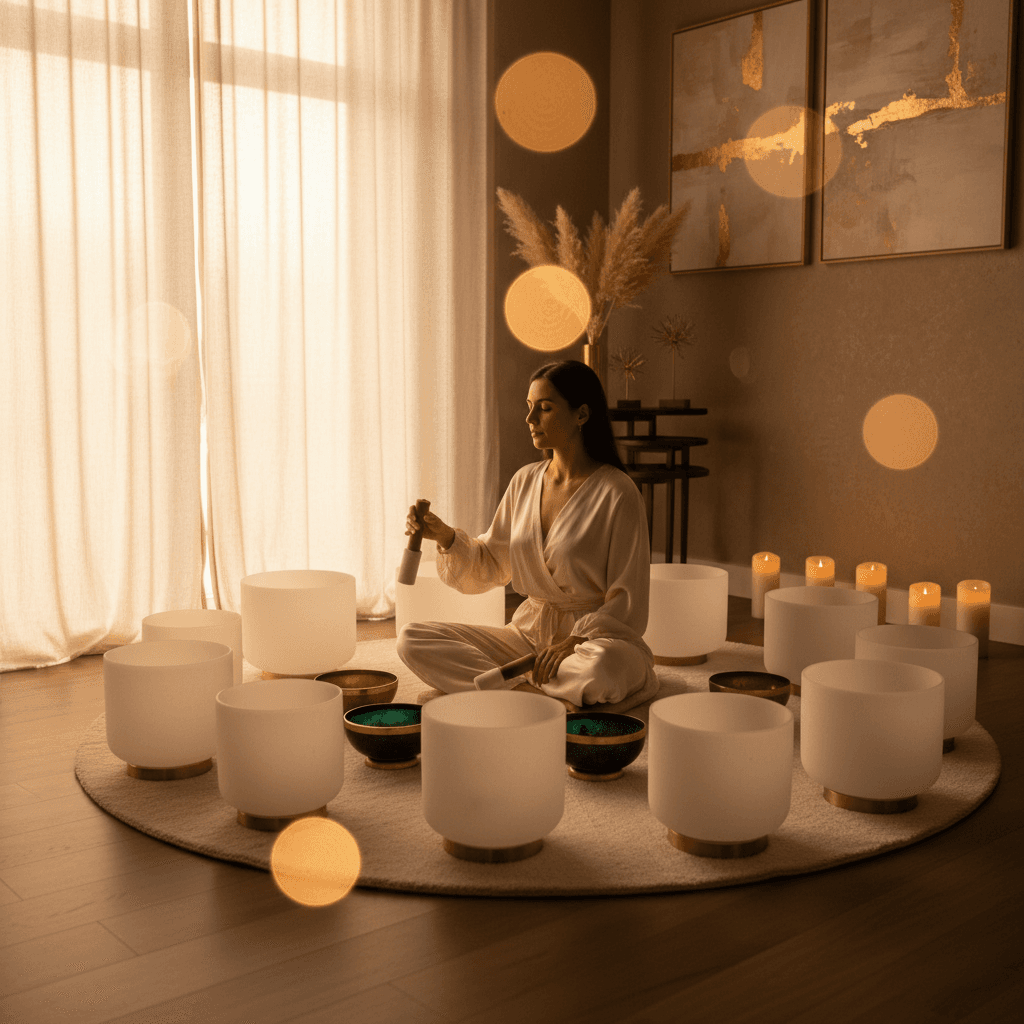
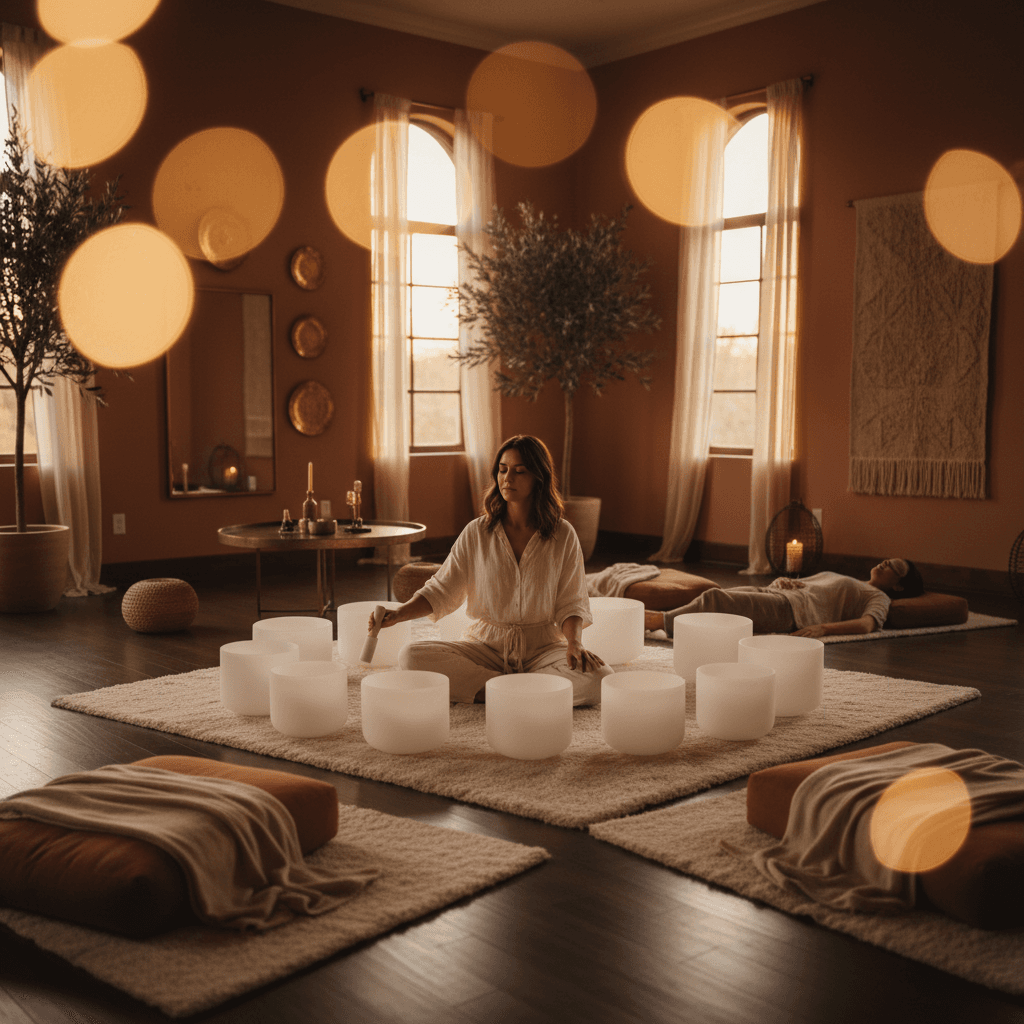
In practice, a sound wellness session at Soul Art is an immersive sensory journey. Clients recline comfortably, enveloped by a tapestry of harmonious vibrations. The sounds wash over them, through them, and around them, creating a profound resonance that can be felt physically as well as heard. The experience is deeply personal, guiding each individual towards their unique point of equilibrium and providing a respite from the constant demands of the external world. It is a complementary approach designed to bring profound relaxation and assist the body's innate capacity for self-regulation.
The Soul Art Approach
At Soul Art, Dubai, we believe that true well-being stems from a holistic understanding of oneself. Under the visionary guidance of our founder, Larissa Steinbach, we integrate the subtle wisdom of energetic principles, including those informed by an awareness of Ayurvedic Vikruti, with the transformative power of sound. Our method is designed to address the energetic and psychological ripples of modern living, helping clients navigate current imbalances with grace and profound inner harmony.
The Soul Art Signature: Larissa Steinbach's Harmonizing Method
Larissa Steinbach, with her deep expertise and intuitive understanding of sound and energy, has crafted a unique methodology that sets Soul Art apart. While we do not offer medical diagnoses or Ayurvedic consultations, our approach is deeply informed by the principles of balance and the subtle ways imbalances can manifest in our energy, mood, and overall well-being.
Our sessions are more than just a listening experience; they are carefully curated journeys designed to:
- Create a Sanctuary of Sound: Soul Art provides an environment where every detail, from the acoustics to the ambiance, is optimized for deep relaxation and introspection. This physical sanctuary helps clients detach from daily stressors and fully immerse themselves in the healing vibrations.
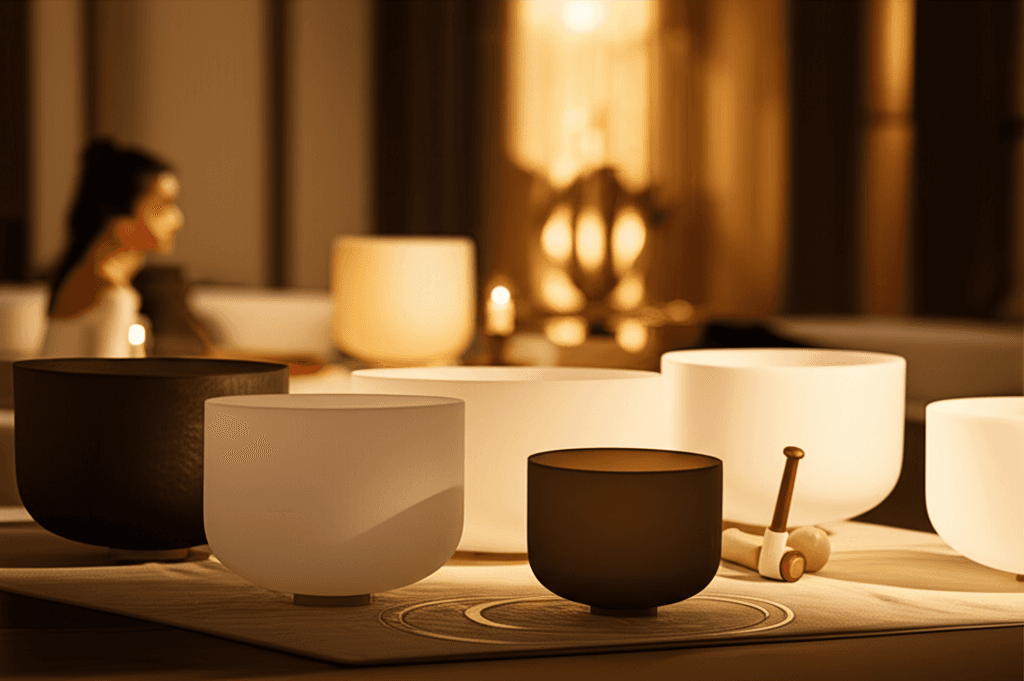
- Utilize a Curated Symphony of Instruments: Larissa Steinbach meticulously selects and plays a diverse array of instruments, each chosen for its unique vibrational quality and ability to evoke specific responses in the body and mind. This includes:
- Gongs: Known for their powerful, full-body resonance, gongs can facilitate deep meditative states and help release energetic blockages.
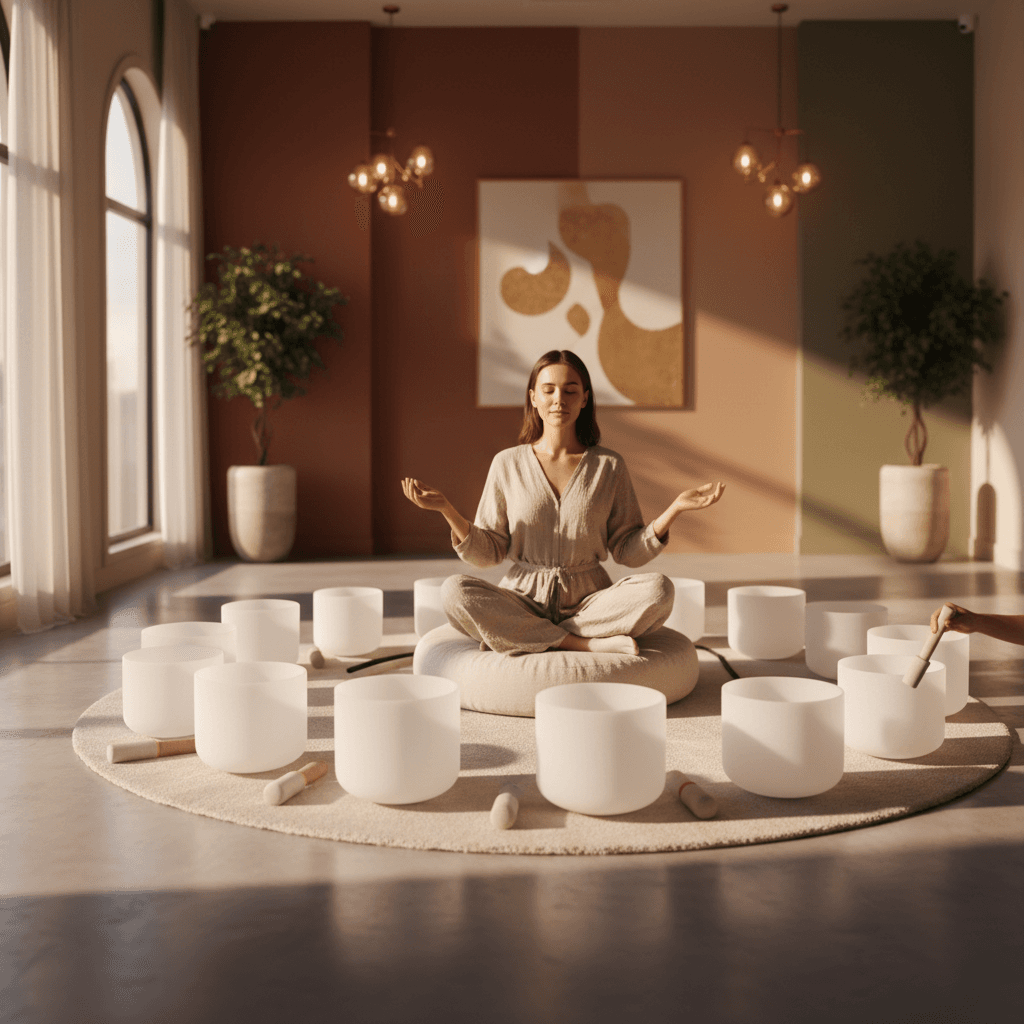
- Crystal Singing Bowls: These bowls produce pure, sustained tones that are believed to resonate with the body's energetic centers, promoting clarity and inner peace.
- Himalayan Singing Bowls: Offering rich, earthy overtones, these bowls create a grounding effect, supporting stability and calming.
- Chimes and Other Percussion: Delicate and shimmering sounds add texture, often promoting a sense of lightness and emotional uplift.
- Focus on Intention and Presence: Each session at Soul Art is imbued with a clear intention – to cultivate balance, release tension, or foster inner calm. Larissa Steinbach guides participants to set their own intentions, empowering them to actively engage in their well-being journey. This mindful presence enhances the efficacy of the sound vibrations.
- Address Subtle Energetic Imbalances: Without explicitly diagnosing Vikruti, our sessions are designed to gently recalibrate the nervous system and energetic field, addressing the very symptoms that often correlate with doshic imbalances: stress, anxiety, restlessness (Vata-like), agitation, mental overload (Pitta-like), or lethargy and stagnation (Kapha-like). The goal is always to help individuals return to a state of greater equilibrium, where their innate Prakruti can shine through.
Soul Art's method, under Larissa Steinbach's expert guidance, provides a sophisticated and empathetic space for self-discovery and restoration. It is a holistic wellness experience that honors the ancient wisdom of balance while embracing modern understanding of the power of frequency and vibration to support our well-being. By engaging with these carefully crafted soundscapes, clients may find themselves better equipped to navigate the external pressures of life, fostering resilience and a profound sense of inner peace.
Your Next Steps
Understanding Vikruti and its links to psychological well-being is the first step towards a more balanced life. While sound wellness offers a powerful complementary approach, cultivating harmony is an ongoing journey that benefits from mindful daily practices. Here are some actionable steps you can take today to support your well-being and move towards a more balanced state:
- Engage in Self-Observation: Pay attention to how you feel throughout the day – your energy levels, mood shifts, sleep patterns, and stress responses. Are you feeling agitated (Pitta-like), restless (Vata-like), or sluggish (Kapha-like)? This awareness, without judgment, is key to understanding your current imbalances.
- Prioritize Mindful Routines: Incorporate small, consistent acts of self-care. This might include a morning meditation, a walk in nature, or a relaxing evening ritual before sleep. Consistency in daily routines can be incredibly grounding, especially for Vata imbalances.
- Nourish Your Body and Mind: Consider warm, cooked, nourishing foods if you tend towards Vata or Kapha imbalances. For Pitta, focus on cooling, less spicy options. Equally important is nourishing your mind with uplifting content and engaging in activities that bring you joy and a sense of calm.
- Embrace Moments of Stillness: In our fast-paced world, finding moments of quiet can be profoundly restorative. Whether it's five minutes of deep breathing, listening to calming music, or simply sitting in silence, these pauses help reset the nervous system.
- Explore Sound Wellness: Consider experiencing the profound benefits of sound wellness firsthand. It is a powerful relaxation technique that may support stress management and promote a deeper sense of inner peace.
By integrating these practices into your daily life, you are actively choosing to support your body's innate capacity for balance. If you are ready to experience the deep restoration that sound can offer, we invite you to explore the unique experiences at Soul Art.
In Summary: Embracing Harmony with Soul Art
The ancient Ayurvedic concept of Vikruti provides a powerful framework for understanding our current state of imbalance, a wisdom now underscored by modern scientific research linking it to diverse psychological states like anxiety, stress, and mood fluctuations. Recognizing these imbalances is the first vital step towards reclaiming well-being.
At Soul Art, founded by Larissa Steinbach, we harness the profound, scientifically-supported principles of sound wellness as a sophisticated and empathetic path to restore inner equilibrium. Through meticulously crafted sound experiences featuring gongs, crystal bowls, and other resonant instruments, we offer a sanctuary where the nervous system can gently reset, stress may dissipate, and a deeper sense of mindfulness and calm can emerge. It's a journey back to your most harmonious self, guided by ancient wisdom and vibrational resonance. We invite you to experience this transformative journey and rediscover your inner balance with Soul Art.
Bookings Coming Soon
Soul Art is still in preparation. Session details and booking will be published here after launch.
Coming Soon
Wellness Disclaimer: This article is for educational and informational purposes only. It does not constitute medical advice, diagnosis, or treatment. Soul Art Dubai provides non-medical wellness experiences focused on relaxation, stress management, and general wellbeing. Sound wellness is a complementary practice and should not replace professional medical care.