Sound Healing for Veteran PTSD: A Path to Nervous System Regulation & Calm
Key Insights
Explore how sound healing programs offer military veterans a scientifically-grounded, complementary approach to manage PTSD hyperarousal and foster well-being at Soul Art Dubai.
Unveiling the Potential: Sound Healing for Veteran PTSD
Post-Traumatic Stress Disorder (PTSD) casts a long shadow, particularly over the lives of military veterans who have selflessly served their nations. The invisible wounds of trauma often manifest as debilitating hyperarousal, chronic anxiety, and persistent rumination, making daily life an uphill battle. But what if there was a gentle, yet powerful, complementary approach to support these brave individuals in finding solace and regulating their nervous systems?
This article delves into the burgeoning field of sound wellness, exploring its scientific underpinnings and practical applications in supporting veterans with PTSD. From groundbreaking Department of Defense grants to established mindfulness practices, we will uncover how carefully curated sound environments may offer a pathway to inner calm and enhanced well-being. Join us as we explore how Larissa Steinbach and Soul Art in Dubai are at the forefront of this holistic wellness movement.
The Science Explained: Resonating with Resilience
The profound impact of trauma on the human nervous system is undeniable, often leading to a state of chronic vigilance and dysregulation. Sound wellness, rooted in ancient traditions and increasingly validated by modern science, offers a sophisticated method to gently guide the body and mind back towards balance. Understanding the underlying mechanisms reveals why this practice holds such promise.
Understanding PTSD and the Nervous System
PTSD is characterized by a persistent feeling of being "on edge," known as hyperarousal, alongside intrusive memories, avoidance behaviors, and negative changes in mood and cognition. For veterans, these symptoms can be particularly pervasive, fueled by past traumas. A critical challenge associated with PTSD is rumination – a repetitive focus on negative thoughts and past events – and debilitating anxiety, which often keeps individuals trapped in a cycle of distress.
These symptoms are deeply intertwined with an overactive sympathetic nervous system, the body's "fight, flight, or freeze" response. When this system is constantly engaged, the body remains in a state of high alert, making relaxation and emotional regulation incredibly difficult. Finding ways to disengage from this heightened state is crucial for recovery and well-being.
The Vagus Nerve and Polyvagal Theory
At the heart of nervous system regulation lies the vagus nerve, the longest cranial nerve, which plays a pivotal role in the parasympathetic nervous system – responsible for our "rest and digest" functions. Pioneering neuroscientist Dr. Stephen Porges developed the Polyvagal Theory, which explains how our autonomic nervous system responds to safety and threat cues, influencing our emotional and social behaviors. Stimulating the vagus nerve is key to shifting the nervous system from a state of hyperarousal to one of calm and safety.
A groundbreaking study, backed by a $3.8 million Department of Defense grant, is currently investigating the potential of frequency-filtered music, specifically the Safe and Sound Protocol (SSP), to stimulate the vagus nerve and promote nervous system regulation. This non-invasive, evidence-based therapeutic tool, created by Dr. Porges, uses specially filtered music to help individuals manage hyperarousal symptoms often associated with PTSD. The research, spearheaded by Dr. Jacek Kolacz at The Ohio State University, aims to determine if SSP, as an adjunctive therapy, can significantly reduce these symptoms and enhance overall treatment outcomes in both civilian and military populations. This innovative research underscores the growing scientific interest in sound-based interventions for trauma recovery.
Frequency-Filtered Music and Brain-Body Connection
The mechanism behind frequency-filtered music interventions like SSP involves carefully crafted auditory input designed to train the middle ear muscles, which in turn influences the vagus nerve. By enhancing auditory processing of human voice frequencies and filtering out threat-related sounds, the SSP helps to retune the nervous system to perceive safety. This process fosters a state where the individual can engage more effectively with social cues and move out of defensive states.
The study aims to establish whether integrating sound and music-based interventions with established cognitive therapies, such as Cognitive Processing Therapy (CPT), can revolutionize PTSD treatment. Dr. Rebecca Knowles, Director of Research and Education at Unyte Health, Inc., emphasized the potential of this study to "support a growing body of evidence that highlights the therapeutic impact of listening therapies, but more importantly, holds promise for helping individuals manage and overcome the hyperarousal symptoms that so often accompany PTSD." The findings could lead to powerful new integrative treatment approaches, offering healthcare providers and therapists a valuable tool in supporting trauma recovery.
Mindfulness, Music Therapy, and Complementary Approaches
Beyond specific protocols like SSP, broader mindfulness-based interventions (MBIs) and music therapy have shown significant promise as complementary approaches for veterans with PTSD. Mindfulness-Based Stress Reduction (MBSR), an 8-week program, teaches intentional non-judgmental attention to the present moment. This practice directly addresses rumination by shifting focus away from past traumas or future anxieties, fostering a sense of curiosity and kindness towards one's experiences.
Research indicates that MBIs may have their greatest impact on emotional numbing, avoidance behaviors, and hyperarousal, offering tools to regard challenging memories without the repetitive focus on negative emotions. A VA study found that a 12-week course of loving kindness meditation, a mindfulness technique, was as effective as CPT for treating PTSD, by teaching skills to disengage from self-criticism and negative thoughts.
Music therapy, an evidence-based integrative approach, has also demonstrated its efficacy. A systematic review and meta-analysis of randomized controlled trials concluded that music therapy significantly reduced PTSD symptom scores compared to inactive control groups, and its effects were comparable to standard psychological therapies. Music experiences for veterans can profoundly improve emotional expression and regulation, decrease symptoms of anxiety and depression, boost mood, and create a vital sense of community. From active interventions like drumming and songwriting to receptive experiences like Guided Imagery and Music (GIM), music therapy supports stress reduction, trauma management, and improved functional outcomes. These diverse approaches collectively strengthen the evidence base for sound and music as potent allies in trauma recovery and holistic well-being.
How It Works in Practice: A Journey into Sonic Stillness
Transitioning from scientific understanding to practical application, sound wellness offers a tangible and deeply personal experience. For veterans navigating the complexities of PTSD, a sound healing session provides a sanctuary, a structured environment designed to facilitate nervous system regulation and inner peace. It's an immersive journey where the therapeutic power of vibration and frequency gently guides the body and mind.
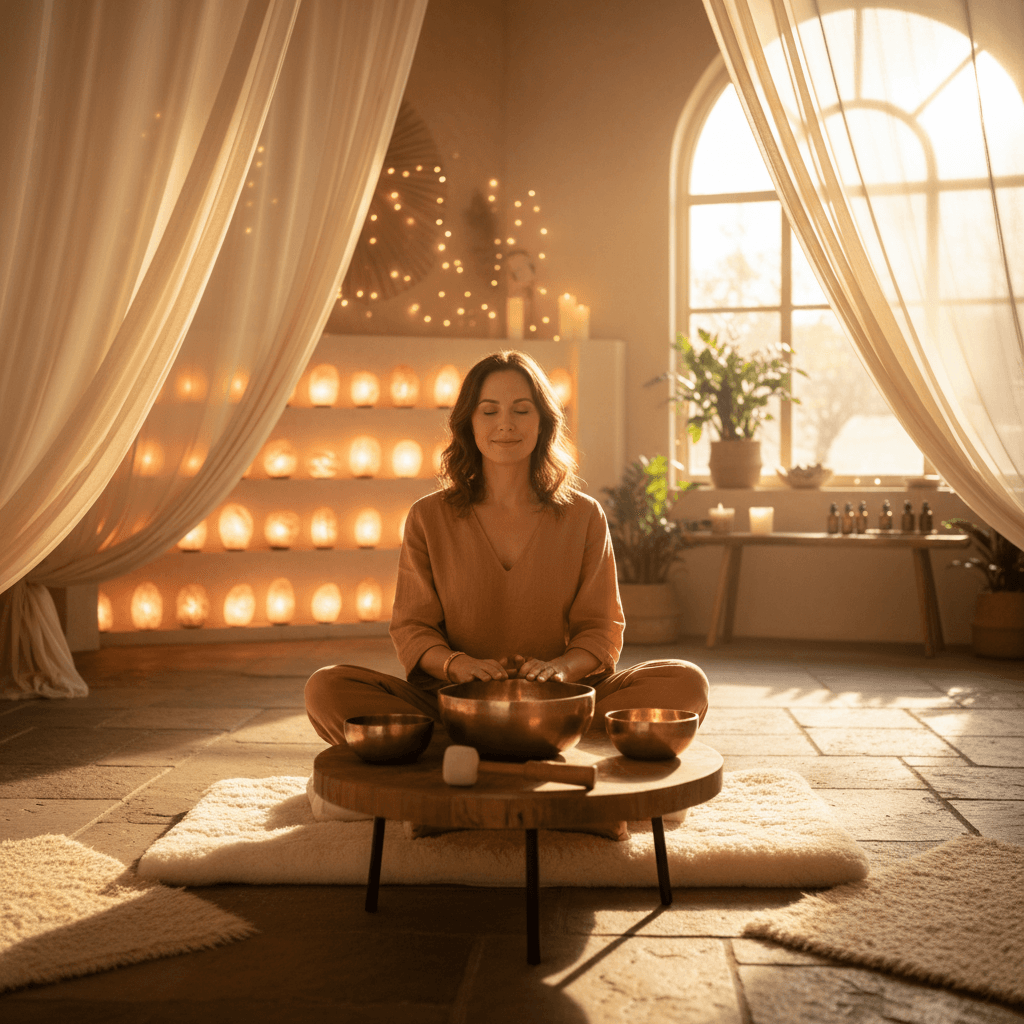
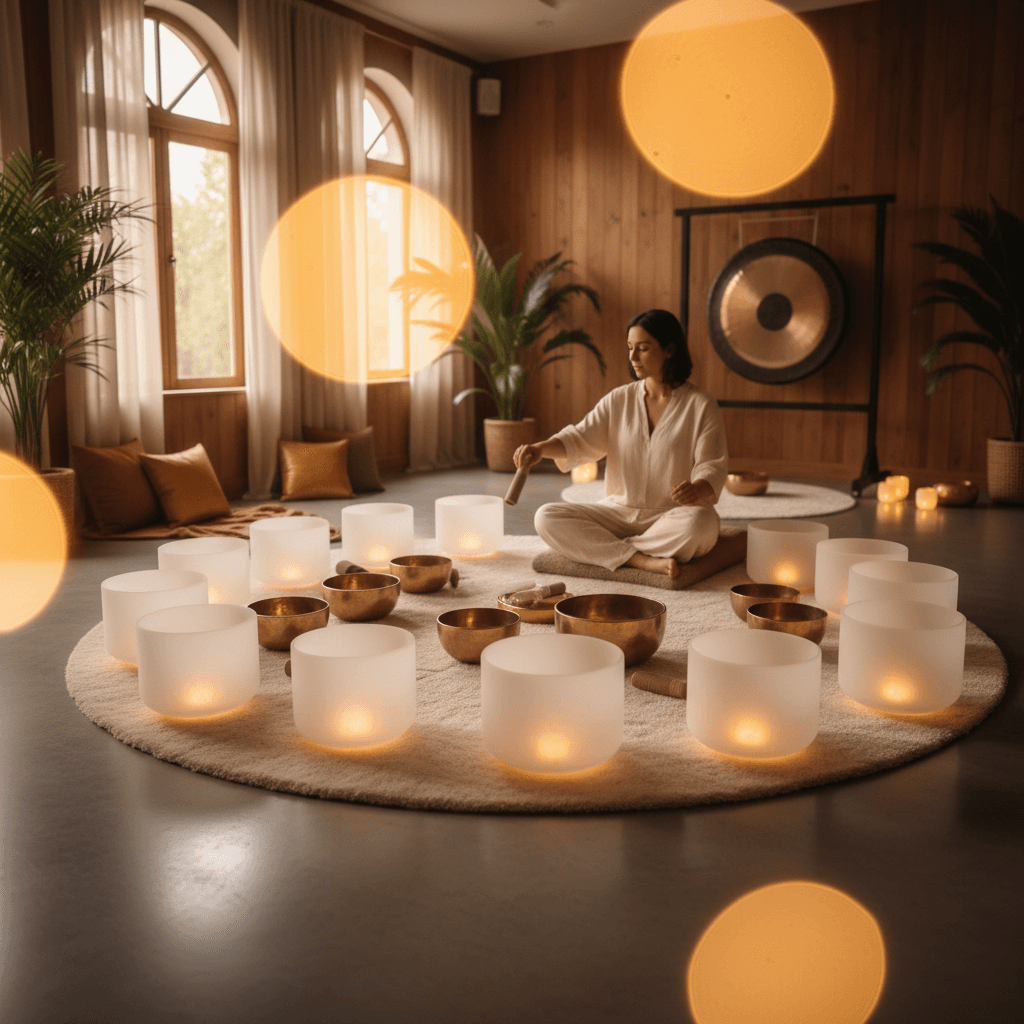
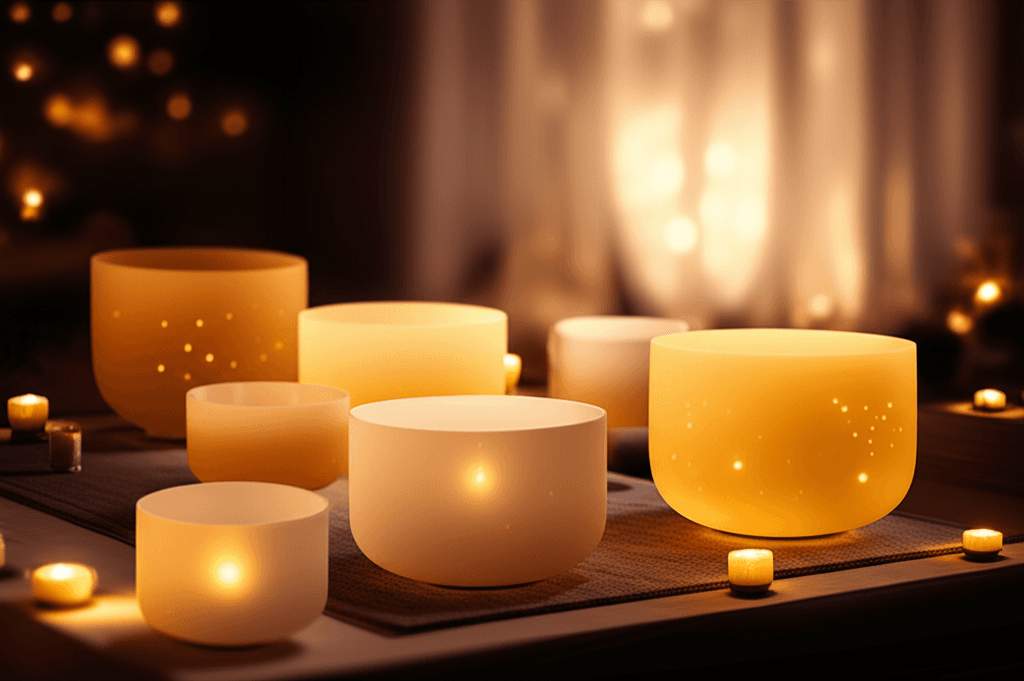
In a typical sound healing session, clients are invited to relax in a comfortable position, often lying down, allowing the body to be fully supported. The practitioner, like Larissa Steinbach at Soul Art, then introduces a curated symphony of sounds using a variety of instruments. These often include Himalayan singing bowls, crystal singing bowls, gongs, chimes, and tuning forks, each selected for its unique vibrational qualities. The sounds are not merely listened to, but deeply felt, as their resonant frequencies permeate the body's tissues and cells.
The experience is profoundly sensory. The deep, sustained tones of a gong can create a sense of all-encompassing vibration, gently shaking loose tension and promoting a feeling of release. The pure, clear notes of crystal bowls often induce a meditative state, slowing brainwave activity and fostering a calm mental landscape. Tuning forks, placed directly on the body or held near energy points, offer focused vibrational input, which may help to alleviate physical discomfort and bring localized relaxation.
This carefully orchestrated soundscape works on multiple levels. Acoustically, the rhythmic and harmonious frequencies may help to entrain brainwaves, shifting them from a heightened, anxious beta state to more relaxed alpha and theta states, conducive to deep relaxation and healing. Physiologically, the gentle vibrations and soothing auditory input can stimulate the vagus nerve, initiating a shift towards the parasympathetic nervous system's "rest and digest" mode. This helps to quiet the hyperarousal symptoms that veterans with PTSD frequently experience.
"The subtle yet powerful embrace of resonant sound offers a unique sanctuary, allowing the nervous system to remember its natural state of calm, even amidst the echoes of past challenges."
Furthermore, the immersive nature of sound healing encourages a form of effortless mindfulness. By focusing solely on the unfolding sounds and their bodily sensations, individuals are naturally drawn into the present moment, offering a respite from rumination and future-oriented anxiety. This non-judgmental awareness, cultivated in a safe and supportive environment, is a crucial step towards processing emotions and fostering emotional resilience. The experience is designed to be non-invasive and deeply nurturing, providing a complementary avenue for veterans to explore profound states of relaxation and self-regulation.
The Soul Art Approach: Larissa Steinbach's Vision for Well-being
At Soul Art, Dubai's premier sound wellness studio, Larissa Steinbach has cultivated a unique and deeply intentional approach to sound healing, particularly for those seeking profound nervous system regulation and emotional well-being, including military veterans. Her methodology is a thoughtful fusion of scientific understanding, ancient wisdom, and personalized care, all delivered within an environment of quiet luxury and profound tranquility.
Larissa Steinbach's expertise lies in her ability to interpret and apply the scientific principles of sound, frequency, and nervous system dynamics to create truly transformative experiences. She draws upon the understanding of the vagus nerve, polyvagal theory, and the brain-body connection, designing sessions that gently guide the participant's system back into coherence. Her approach is not merely about playing instruments; it's about crafting a sonic journey that addresses the specific needs of each individual, fostering a deep sense of safety and release.
What makes the Soul Art method unique is its emphasis on precision and presence. Larissa meticulously selects instruments – including rare Himalayan singing bowls, precision-tuned crystal alchemy bowls, and resonant gongs – understanding the specific frequencies and overtones each emits. These instruments are utilized not just for their beautiful sounds, but for their capacity to elicit specific physiological and psychological responses, such as promoting alpha and theta brainwave states that facilitate deep relaxation and restorative processes.
Soul Art sessions are designed to be a sanctuary from the external world, providing a space where veterans can feel truly supported and at ease. Whether through individual sessions tailored to specific challenges or group immersions fostering a sense of shared calm, the focus remains on creating an environment that encourages the body's natural capacity for self-regulation. Larissa often integrates breathwork and gentle guided mindfulness cues, enhancing the receptive state and deepening the therapeutic potential of the sound.
The studio itself is a testament to the "quiet luxury" philosophy, offering a serene and aesthetically pleasing space that complements the profound nature of the work. This holistic environment, combined with Larissa Steinbach's empathetic guidance and scientifically informed techniques, positions Soul Art as a leading destination for complementary wellness, especially for those seeking innovative pathways to manage stress, anxiety, and the hyperarousal symptoms associated with PTSD. Soul Art provides a vital resource for veterans looking to integrate sound healing into their overall wellness strategy.
Your Next Steps: Embracing a Path to Deeper Calm
For military veterans and their families exploring complementary approaches to managing PTSD symptoms, sound wellness offers a promising and gentle avenue. Taking proactive steps towards nervous system regulation and emotional well-being can significantly enhance quality of life. Here are some actionable steps you can consider to begin your journey.
- Consult with Your Healthcare Provider: Before integrating any new wellness practice, it is always advisable to speak with your doctor or mental health professional. Discuss your interest in sound wellness as a complementary approach to ensure it aligns with your overall health plan.
- Explore Reputable Sound Wellness Studios: Seek out studios, like Soul Art in Dubai, that emphasize scientifically-informed practices, experienced practitioners, and a safe, welcoming environment. Look for testimonials and information about their specific methodologies.
- Try an Introductory Sound Session: Experience the power of sound for yourself. Many studios offer introductory sessions that allow you to explore the benefits in a low-pressure setting. Pay attention to how your body and mind respond to the frequencies and vibrations.
- Incorporate Mindfulness and Gentle Relaxation at Home: Complement professional sound sessions with daily mindfulness practices. Simple techniques like focused breathing, body scans, or listening to calming music can reinforce nervous system regulation and stress reduction.
- Connect with Veteran Support Networks: Engage with organizations and communities dedicated to veteran well-being. Sharing experiences and resources with others who understand your journey can be incredibly supportive and provide additional avenues for complementary wellness.
Remember, sound wellness is a self-care practice designed to support relaxation, stress management, and general well-being. It is a powerful tool to complement existing medical and therapeutic approaches, offering a pathway to finding deeper calm and resilience.
Bookings Coming Soon
Soul Art is still in preparation. Session details and booking will be published here after launch.
Coming Soon
In Summary: A Harmonic Path to Healing
The journey for veterans navigating PTSD is undoubtedly challenging, marked by persistent hyperarousal, anxiety, and rumination. However, emerging scientific research and growing clinical interest highlight the significant potential of sound and music-based wellness practices as powerful complementary tools. From the vagus nerve stimulation offered by frequency-filtered music like SSP, backed by substantial DoD grants, to the profound calming effects of mindfulness and music therapy, these approaches offer tangible support for nervous system regulation.
By fostering a shift from a reactive state to one of deep relaxation and present-moment awareness, sound wellness may help veterans manage symptoms, enhance emotional expression, and ultimately improve their overall quality of life. Larissa Steinbach and Soul Art in Dubai are dedicated to providing these transformative experiences, offering a serene and expertly guided pathway to inner calm and renewed well-being. Embrace the potential of sound to support your journey towards greater peace and resilience.
Wellness Disclaimer: This article is for educational and informational purposes only. It does not constitute medical advice, diagnosis, or treatment. Soul Art Dubai provides non-medical wellness experiences focused on relaxation, stress management, and general wellbeing. Sound wellness is a complementary practice and should not replace professional medical care.