Finding Calm in Chaos: Sound Wellness for Acute Anxiety in the ED
Key Insights
Discover how purpose-designed sound compositions, a a core wellness practice at Soul Art by Larissa Steinbach, may offer profound relief from acute anxiety in emergency settings.
Compelling Introduction
Imagine a space synonymous with urgency and stress: the emergency department (ED). For countless individuals, an ED visit transforms into an ordeal of acute anxiety, amplified by overwhelming noise, uncertainty, and potential pain. What if a simple, non-invasive intervention could significantly alleviate this emotional burden?
Recent scientific inquiries are shedding light on the powerful role of sound as a complementary tool for managing distress in these high-stakes environments. From purpose-designed sound compositions to personalized music selections, emerging evidence suggests that carefully curated auditory experiences may support a tangible reduction in anxiety levels.
At Soul Art, founded by Larissa Steinbach, we explore and harness these profound connections between sound and human well-being. This article delves into how sound wellness, often associated with tranquil studio settings, is now proving its efficacy even in the most challenging of circumstances, offering a beacon of calm when it's needed most. Understanding these mechanisms can empower us to integrate supportive practices into daily life, fostering resilience and emotional balance.
The Science Explained
The emergency department, by its very nature, is a crucible of sensory overload. High noise levels, often exceeding 45 decibels for significant periods, are a constant backdrop, with peaks that can easily reach 65 decibels. This pervasive ambient noise is not just an inconvenience; it is a documented contributor to stress, sleep deprivation, and heightened anxiety among both patients and staff. In such an environment, the nervous system is perpetually on high alert.
The Impact of ED Noise on Anxiety
Patients arriving in the ED are frequently in a state of moderate to severe anxiety even before intervention. Studies have reported baseline anxiety scores in the moderate range, significantly above what is considered a normal state. This heightened state is a natural response to pain, uncertainty, potential diagnosis, and the chaotic surroundings. The relentless sensory input in an ED can exacerbate this, creating a challenging emotional landscape.
"The environment in ED waiting rooms can be challenging and stressful for both patients and staff. Distress may result from patients’ exposure to pain, injuries, discomfort, and possible diagnosis or medical treatments, which can increase their levels of anxiety and the feeling of uncertainty in the face of often prolonged waiting."
This underscores the critical need for effective, accessible interventions to mitigate such distress. Sound wellness practices offer a promising avenue.
The Power of Purpose-Designed Sound
A groundbreaking randomised controlled trial, published in The Medical Journal of Australia, provided compelling evidence for the anxiolytic effects of specific sound compositions. The study investigated adult ED patients experiencing moderate anxiety, categorised as category 3 on the Australasian Triage Scale. Participants were exposed to various purpose-designed sound interventions for 20 minutes, including electroacoustic music, audio field recordings, and audio field recordings with embedded binaural beats.
The results were remarkable. Patients who listened to these sound compositions experienced a significant reduction in anxiety. Their self-assessed anxiety scores dropped by 10% to 15%, moving from a moderate range to a level indicative of no or low anxiety. This reduction was statistically significant and also deemed clinically significant, demonstrating a tangible positive impact on patient well-being. In contrast, control groups listening to simulated ED ambient noise or headphones alone showed no such improvement.
Physiological Responses to Sound
The mechanisms behind sound's ability to reduce anxiety are multifaceted. Sound interventions can induce a relaxation response by influencing various physiological markers. For instance, studies have shown that listening to specific music frequencies, such as 432 Hz, may lead to reductions in respiratory rate and systolic blood pressure. This suggests a direct impact on the autonomic nervous system, shifting it from a state of sympathetic dominance (fight-or-flight) towards parasympathetic activation (rest-and-digest).
Furthermore, the introduction of calming sounds can act as a powerful distractor from the pervasive and often distressing ambient noise of an ED. By engaging the auditory system with harmonious or natural soundscapes, the brain may reduce its processing of noxious stimuli, thereby alleviating perceived stress and anxiety. The positive distraction provided by music or sound compositions can create a mental refuge, even if temporary, within a chaotic environment.
Nuance in Application: Binaural Beats and Personal Preference
While the aforementioned study on ED patients demonstrated the efficacy of sound compositions, it also offered interesting insights into specific techniques. The trial found that embedded binaural beats did not provide additional anxiety reduction over audio field recordings alone in the busy ED environment. This contrasts with findings in quieter settings, like preoperative areas, where binaural beats have shown greater effect. This suggests that the ambient noise levels and the intensity of the environment can influence the efficacy of certain subtle sound techniques.
Another crucial factor highlighted in related research is the role of personal preference. A pilot study involving ED patients with acute musculoskeletal back pain found that patient-selected music significantly reduced both pain and anxiety. This indicates that allowing individuals to choose their preferred artist or genre can enhance the therapeutic effect, suggesting a personalized approach may be more impactful than a generic one. This aspect of individual choice is a cornerstone of many holistic wellness practices.
How It Works in Practice
The scientific findings regarding sound's potential to alleviate acute anxiety translate into practical applications that extend beyond the traditional wellness studio. In high-stress environments like the emergency department, sound interventions offer a non-pharmacological, low-cost, and easily implementable complementary approach to patient care. The experience is designed to create an auditory 'bubble' of calm, even amidst the surrounding chaos.
When a patient in the ED is offered a sound intervention, they typically receive high-quality headphones. These headphones serve a dual purpose: they block out much of the harsh ambient noise of the hospital, creating a sense of immediate enclosure, and deliver the carefully curated sound compositions directly to the listener. The sounds themselves might range from soothing electroacoustic arrangements to tranquil audio field recordings, perhaps mimicking natural environments like forests or oceans.
For approximately 10 to 20 minutes, patients immerse themselves in this auditory sanctuary. The carefully chosen frequencies and rhythms of the sound compositions work to gently guide the brain into a more relaxed state. Many people report a noticeable shift in their internal state, feeling a release of tension and a reduction in the racing thoughts often associated with acute anxiety. This sensory experience helps to reorient their focus away from their immediate distress and towards a sense of peace.
The effect is often immediate and profound. Patients might describe feeling less agitated, their breathing becoming deeper and more regular, and a general sense of unease diminishing. This is not about 'curing' a medical condition, but rather about providing a vital self-care practice that supports emotional regulation and nervous system balance during a difficult time. It offers a moment of respite, empowering individuals to cope more effectively with their situation.
The beauty of this approach lies in its simplicity and accessibility. It requires minimal staff intervention, is easily scalable, and has no known adverse side effects. As a complementary therapy, it works alongside conventional medical treatments, enhancing patient comfort and potentially improving the overall experience of care. This holistic wellness strategy acknowledges the profound connection between mental and physical states, recognizing that reducing anxiety can positively influence the body's ability to heal and recover.
The Soul Art Approach
At Soul Art, Larissa Steinbach understands that true well-being encompasses the integration of mind, body, and spirit. Her approach to sound wellness is deeply informed by scientific research, yet delivered with an intuitive understanding of individual needs. Recognizing the profound impact sound has on our nervous system, Soul Art curates experiences that are both scientifically grounded and deeply transformative.
Larissa Steinbach's methodology is distinguished by its emphasis on creating bespoke sound journeys that resonate on a personal level. While clinical studies often employ standardized compositions, Soul Art champions the power of personalized auditory landscapes. This aligns with research suggesting that patient-selected music can yield even greater anxiolytic effects, demonstrating a deeper engagement and positive emotional response from the listener.
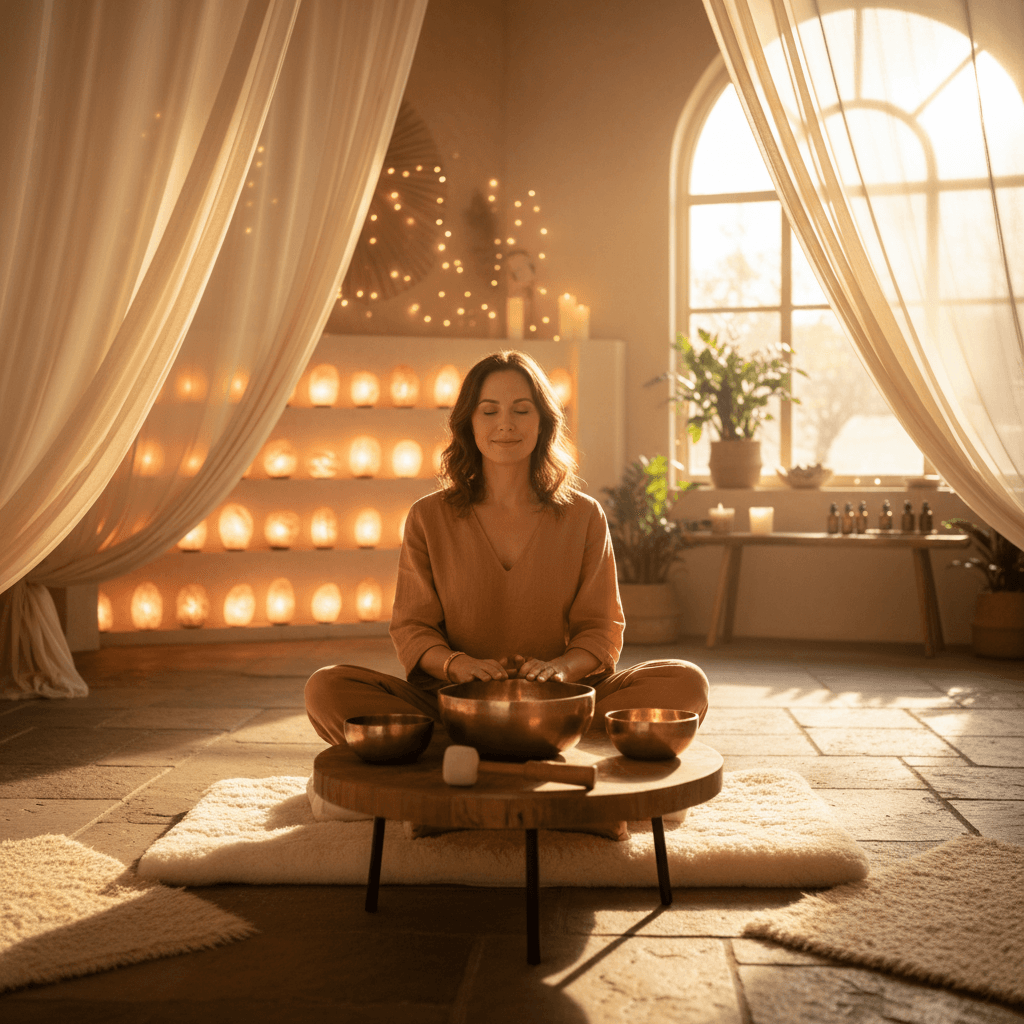
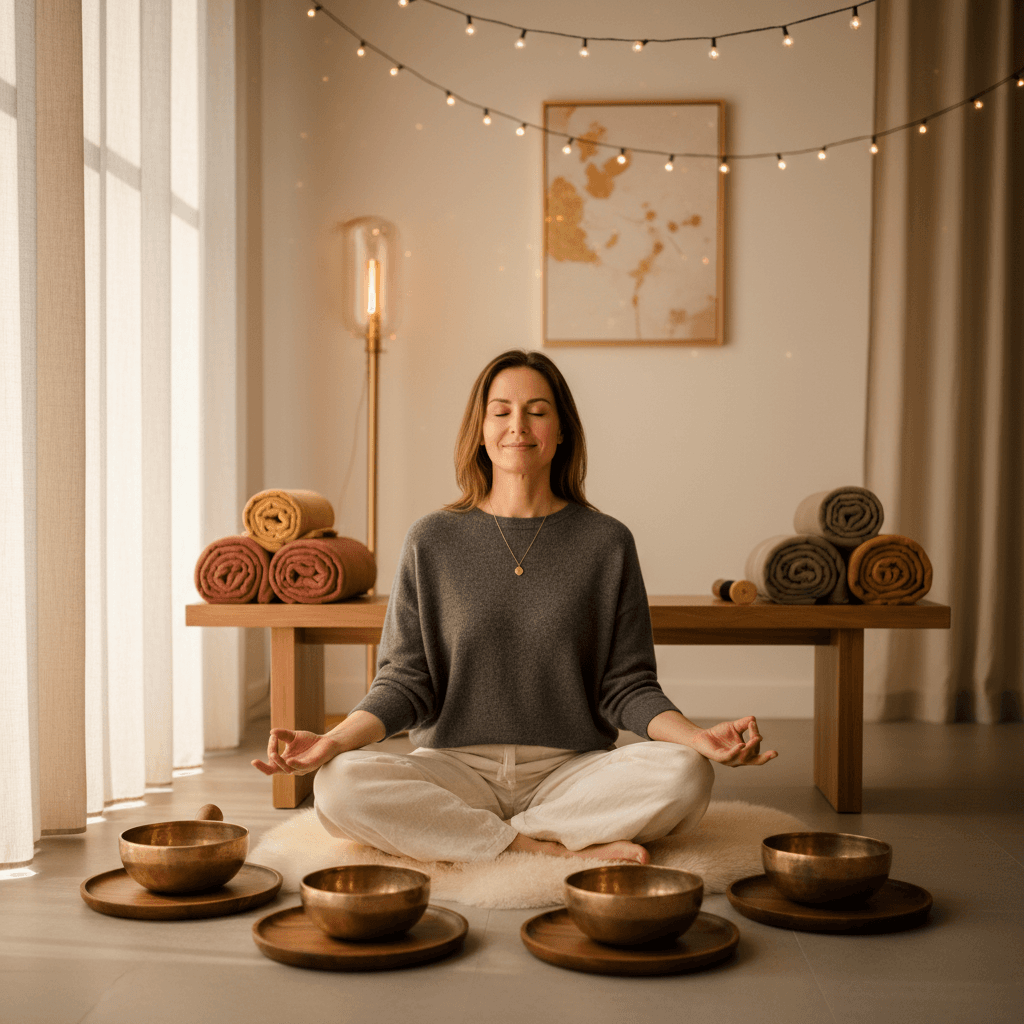
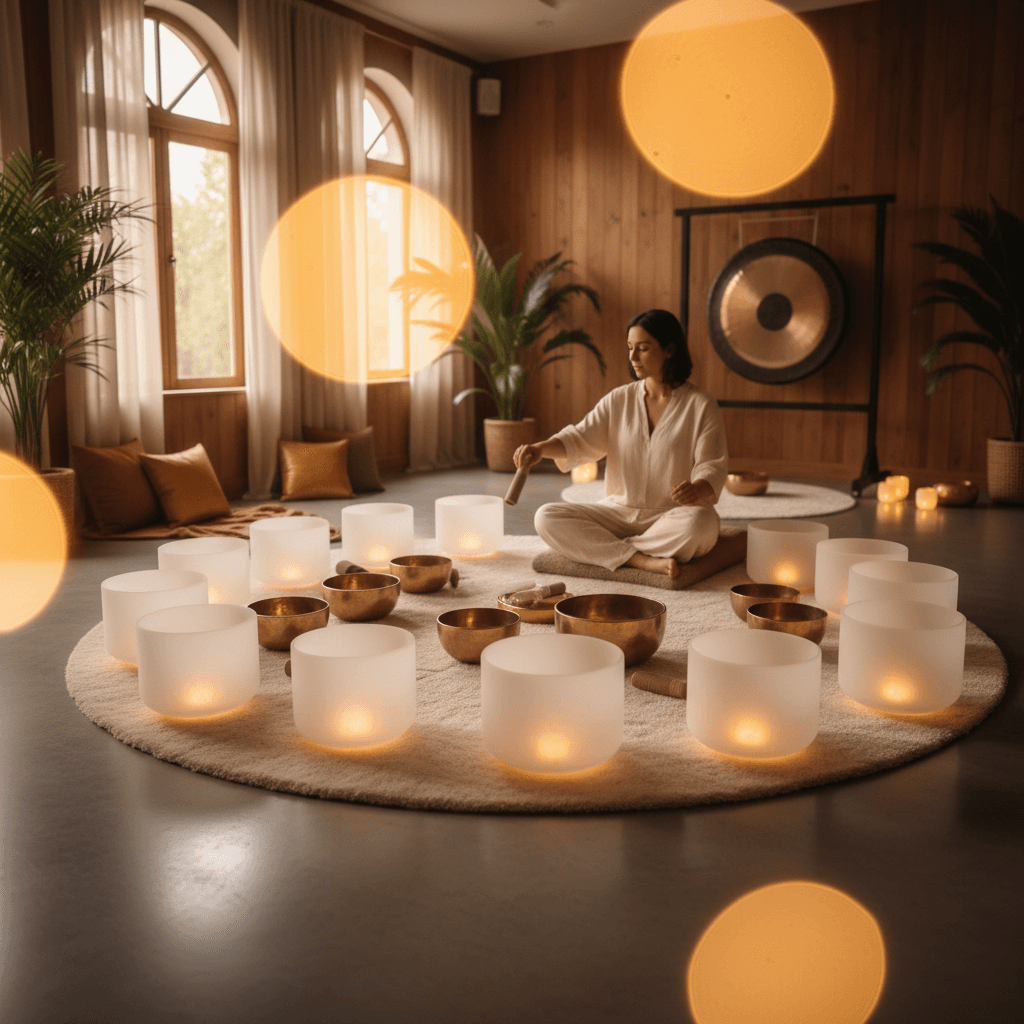
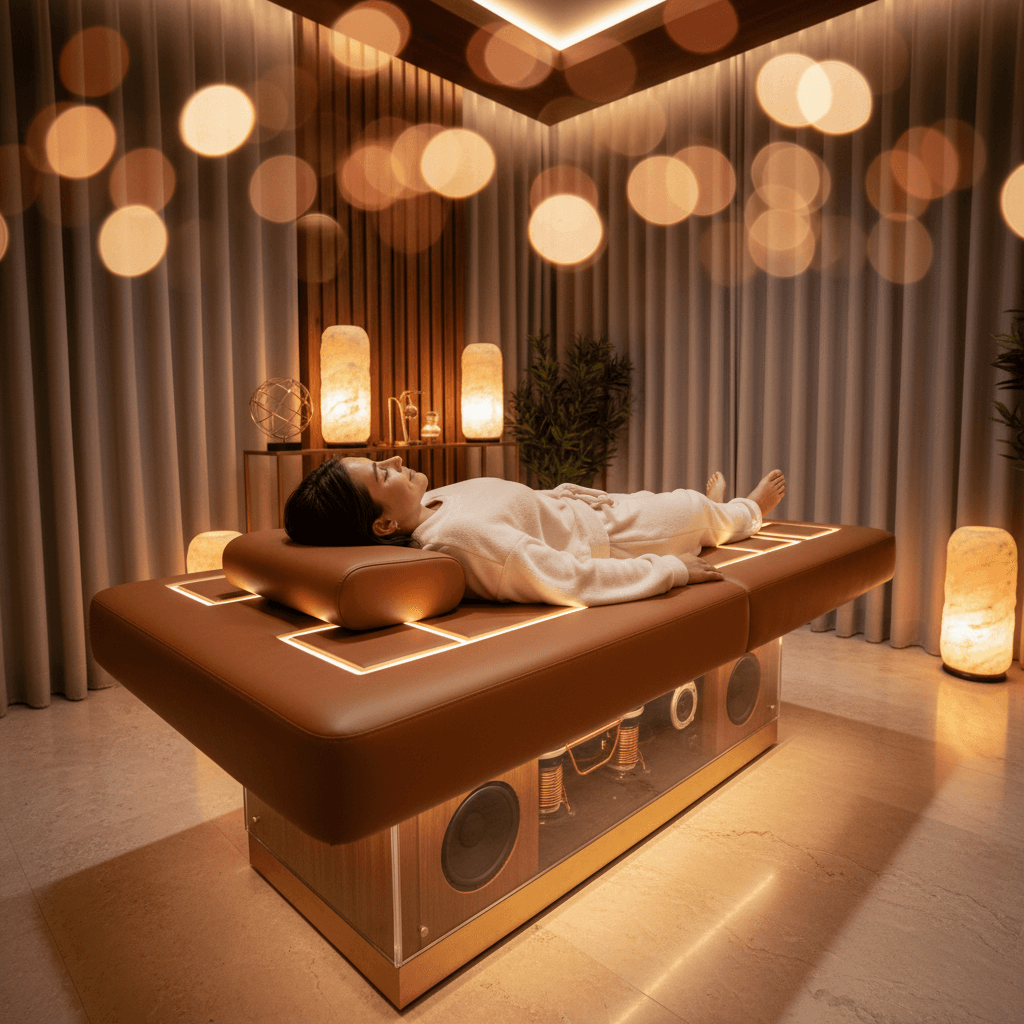
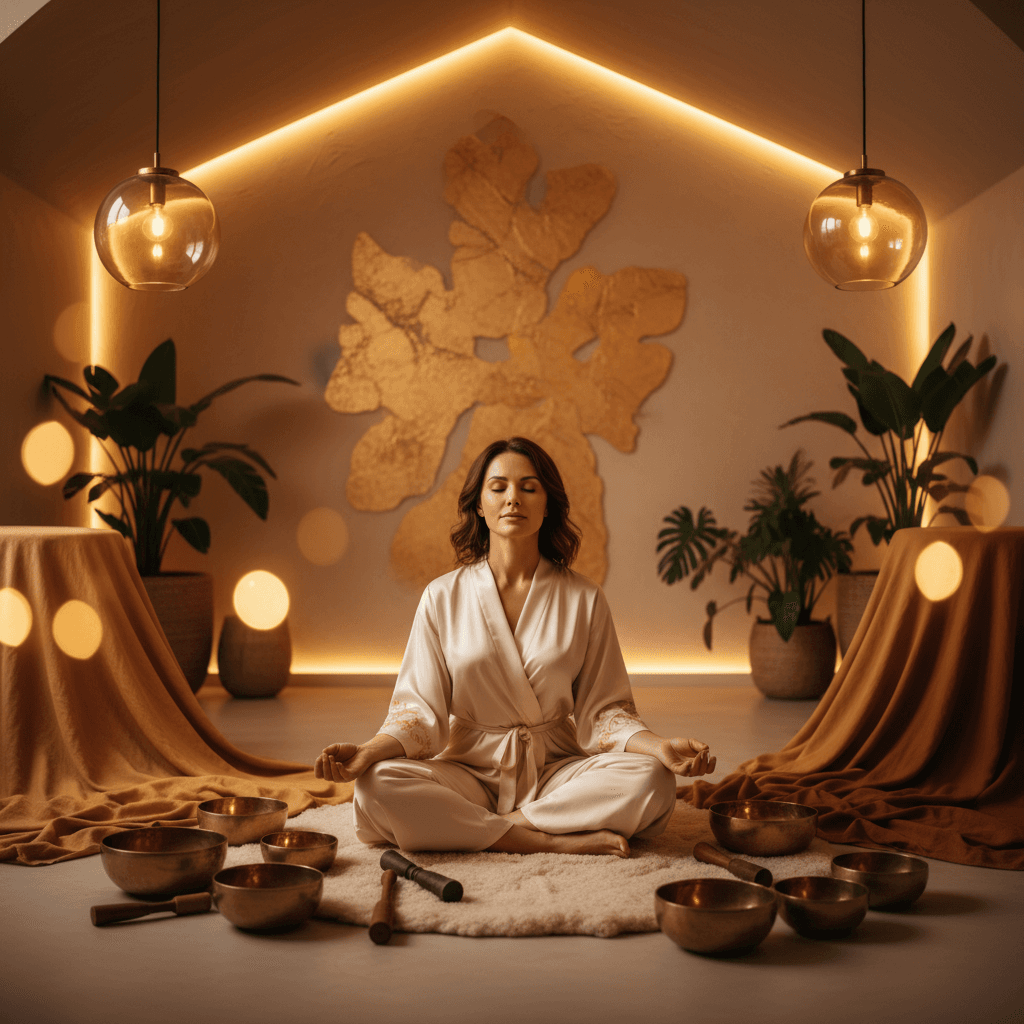
In Soul Art's sanctuary, whether through individual sessions or group immersions, clients are guided through experiences that leverage a diverse palette of sound. This may include the resonant frequencies of crystal singing bowls, the earthy tones of gongs, or the intricate layers of acoustic and electroacoustic compositions. Each instrument and soundscape is chosen for its specific vibrational qualities, designed to encourage brainwave entrainment and profound relaxation. The studio's commitment to "quiet luxury" ensures that every sensory detail contributes to an atmosphere of deep tranquility and restorative peace.
The unique Soul Art method focuses not just on distracting from stress, but on actively harmonizing the body's internal rhythms. Larissa Steinbach employs her expertise to combine various sound elements, often incorporating natural soundscapes and specific musical tunings, to create an environment where the nervous system can naturally downshift. This leads to a reduction in physiological markers of stress, such as elevated heart rate and shallow breathing, promoting a state of inner calm. It is a sophisticated application of sound as a powerful tool for holistic wellness.
By translating complex scientific understanding into accessible, transformative experiences, Soul Art offers a complementary approach to managing stress and anxiety in daily life. It is a testament to Larissa Steinbach’s vision: empowering individuals to find their internal equilibrium through the universal language of sound.
Your Next Steps
Understanding the powerful potential of sound for managing acute anxiety is just the beginning. While sound wellness is making its way into clinical settings, you don't have to wait for an emergency to harness its benefits. Integrating sound into your daily self-care practice can be a proactive step towards building emotional resilience and supporting overall well-being.
Here are some actionable steps you can take today:
- Explore Curated Soundscapes: Seek out purpose-designed sound compositions or nature sound recordings available on streaming platforms. Look for tracks specifically designed for relaxation, meditation, or stress reduction. Many people report significant benefits from these.
- Invest in Quality Headphones: Just as in the ED studies, using noise-cancelling or high-fidelity headphones can dramatically enhance the experience. They create a personal auditory bubble, allowing deeper immersion and blocking out environmental distractions.
- Create a Daily Sound Ritual: Dedicate 10-20 minutes each day to simply listen. This could be during your commute, before sleep, or as a mindful break during your workday. Consistency is key for establishing a new relaxation habit.
- Personalize Your Sound Palette: Experiment with different genres, instruments, and natural sounds. Remember, patient-selected music has shown greater efficacy in studies, so finding what truly resonates with you is crucial.
- Experience Professional Sound Wellness: For a deeper, guided experience, consider visiting Soul Art. Larissa Steinbach and her team offer expertly curated sound journeys designed to provide profound relaxation and support your nervous system.
By incorporating these simple yet effective practices, you can proactively engage with the power of sound to foster a calmer, more balanced state of being.
In Summary
The scientific evidence increasingly highlights the remarkable potential of sound compositions as a complementary tool for managing acute anxiety, even in high-stress environments like the emergency department. Studies show that purpose-designed sound interventions may significantly reduce anxiety levels by 10-15%, moving individuals from moderate to low anxiety. This effect is largely attributed to noise reduction, distraction, and the physiological impact on the nervous system.
While more research continues to unfold, these preliminary findings underscore sound wellness as a safe, low-cost, and effective self-care practice. At Soul Art, Larissa Steinbach applies these principles, crafting unique sound experiences that promote profound relaxation and nervous system balance. By integrating sound into your life, you can cultivate greater calm and resilience, transforming your well-being one frequency at a time.
Bookings Coming Soon
Soul Art is still in preparation. Session details and booking will be published here after launch.
Coming Soon
Wellness Disclaimer: This article is for educational and informational purposes only. It does not constitute medical advice, diagnosis, or treatment. Soul Art Dubai provides non-medical wellness experiences focused on relaxation, stress management, and general wellbeing. Sound wellness is a complementary practice and should not replace professional medical care.