Restore Balance: Sound Healing for Vata Dosha, The Air Element

Key Insights
Explore how sound healing at Soul Art Dubai calms the Vata dosha, addressing imbalances for enhanced well-being with Larissa Steinbach.
Compelling Introduction
Have you ever felt a restless energy buzzing within you, a whirlwind of thoughts that makes quietude elusive? In the ancient wisdom of Ayurveda, this sensation often points to an imbalance in the Vata dosha, the primary biological energy governing movement, communication, and creativity. Composed predominantly of the subtle elements of Ether and Air, Vata is regarded as the most significant of the three fundamental doshas – Vata, Pitta, and Kapha – influencing all bodily functions.
When Vata is out of sync, it may manifest as anxiety, digestive issues, or a pervasive sense of overwhelm. Modern life, with its constant stimulation and demands, frequently exacerbates these Vata qualities, leading to dryness, lightness, and excessive mobility within our systems. This article delves into the profound connection between the Vata dosha and the therapeutic power of sound healing, exploring how specific frequencies and vibrations can gently guide the energetic air element back into a state of harmonious equilibrium. Discover how Soul Art, under the discerning guidance of Larissa Steinbach, leverages this ancient wisdom for contemporary well-being.
The Science Explained
Ayurveda, an ancient Indian science, posits that the human body is a microcosm of the universe, composed of five basic elements: Ether (Akasha), Air (Vayu), Fire (Agni), Water (Jal), and Earth (Prithvi). These elements combine to form the three fundamental doshas, or biological energies, that dictate our individual constitution and physiological functioning. Vata dosha, specifically, is a powerful combination of the Ether and Air elements, embodying qualities such as dryness, lightness, mobility, and coldness. It is the kinetic energy that orchestrates all movement within the body.
Vata's Role in Physiological Function
Vata is the master regulator, governing everything from the macroscopic movements of muscles and joints to the microscopic flow of nutrients and waste products. It oversees respiration, circulation, the delicate transmission of neural impulses through the nervous system, and even the peristaltic motion of the digestive tract. Essentially, Vata embodies the principle of "biological air," responsible for communication and movement at every cellular level. Modern scientific understanding offers fascinating parallels; for instance, the small molecule nitric oxide (NO) is now recognized for its vital role in vasodilation, regulating blood flow and pressure, functions that align remarkably with the ancient Ayurvedic descriptions of Vata.
The Impact of Imbalanced Vata
An aggravated Vata dosha can disrupt the body's intricate network of channels, known as srotas, leading to a cascade of imbalances. For example, some research indicates that the disturbance of Vata may give rise to conditions like tinnitus, known in Ayurveda as 'Karnnada,' due to obstruction in the auditory pathways (shabdwahi srotas). This highlights Vata’s critical role in sensory perception and overall bodily harmony. Furthermore, contemporary studies illuminate how environmental factors, particularly air and noise pollution, can significantly exacerbate Vata dosha. Exposure to fine particulate matter and constant noise has been associated with an increase in Vata-provoking conditions, including neuroinflammation, oxidative stress, and respiratory illnesses.
"The subtle dance of Vata governs the very essence of motion and connection within us. When this dance becomes erratic, the resonance of sound can offer a path back to its inherent rhythm."
Such environmental stressors contribute to Vata's inherent qualities of dryness and mobility, which can then manifest as anxiety, restlessness, poor sleep, or even more profound neurocognitive challenges like those associated with memory and mood. Balancing Vata is not merely about comfort; it is foundational to supporting robust physiological processes and maintaining mental and emotional equilibrium. Sound healing, through its ability to influence brainwave states and physiological rhythms, provides a unique and potent method for addressing these Vata imbalances.
How It Works in Practice
Sound healing for Vata dosha works by introducing frequencies and vibrations that counteract Vata's light, mobile, and cold qualities, fostering grounding, stability, and warmth. The therapeutic application of sound may support the entrainment of brainwave states, shifting them from beta (alert and active) to alpha (relaxed) and even theta (deep meditative state). This physiological shift helps to calm the agitated nervous system, a common symptom of imbalanced Vata. The resonant frequencies help to slow down the internal chatter, bringing a sense of spaciousness and stillness that Vata often craves.
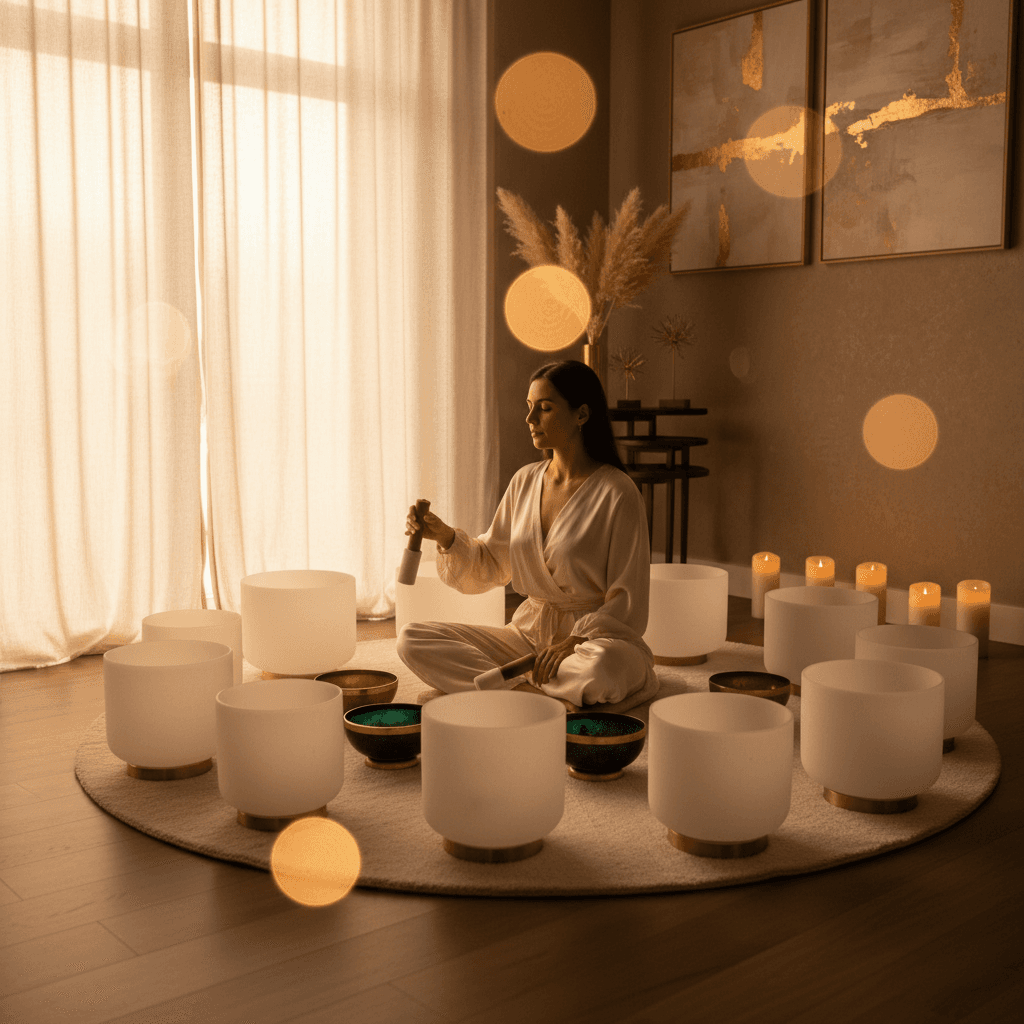
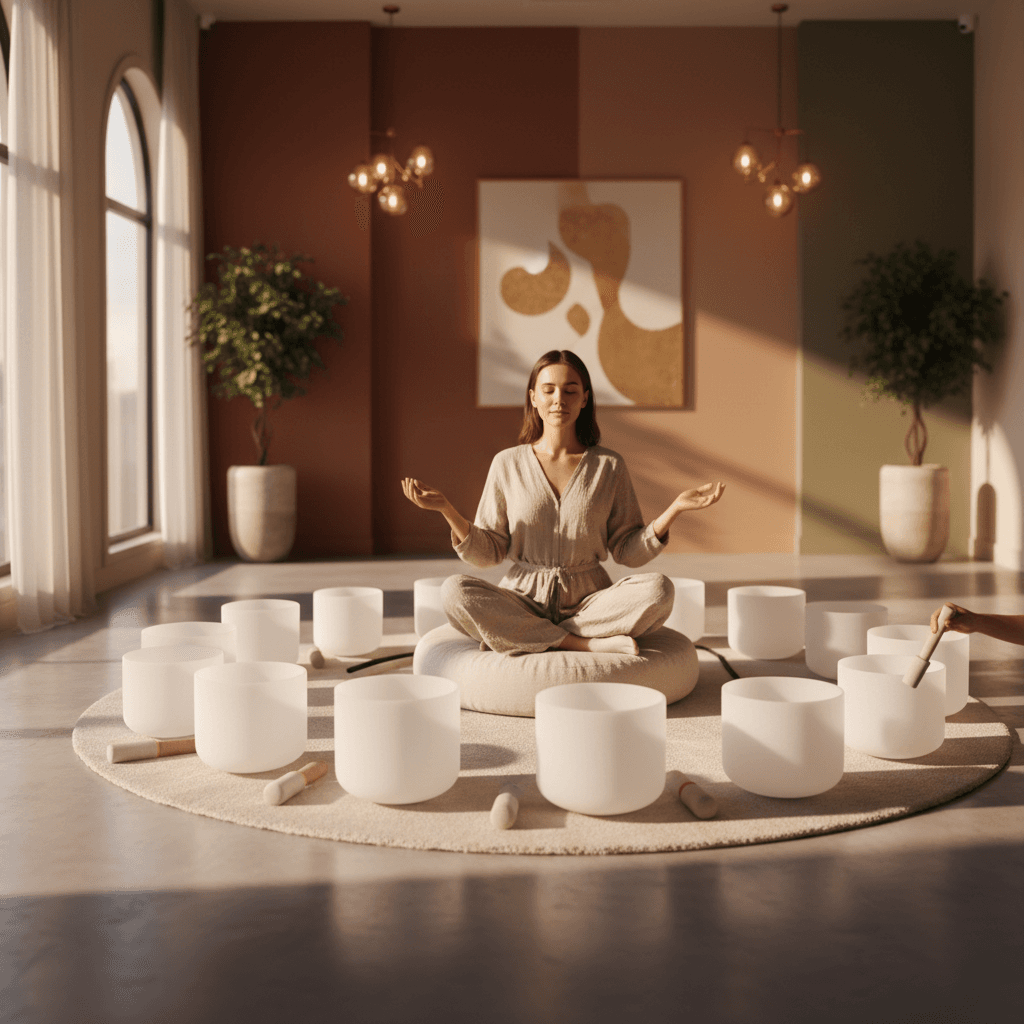
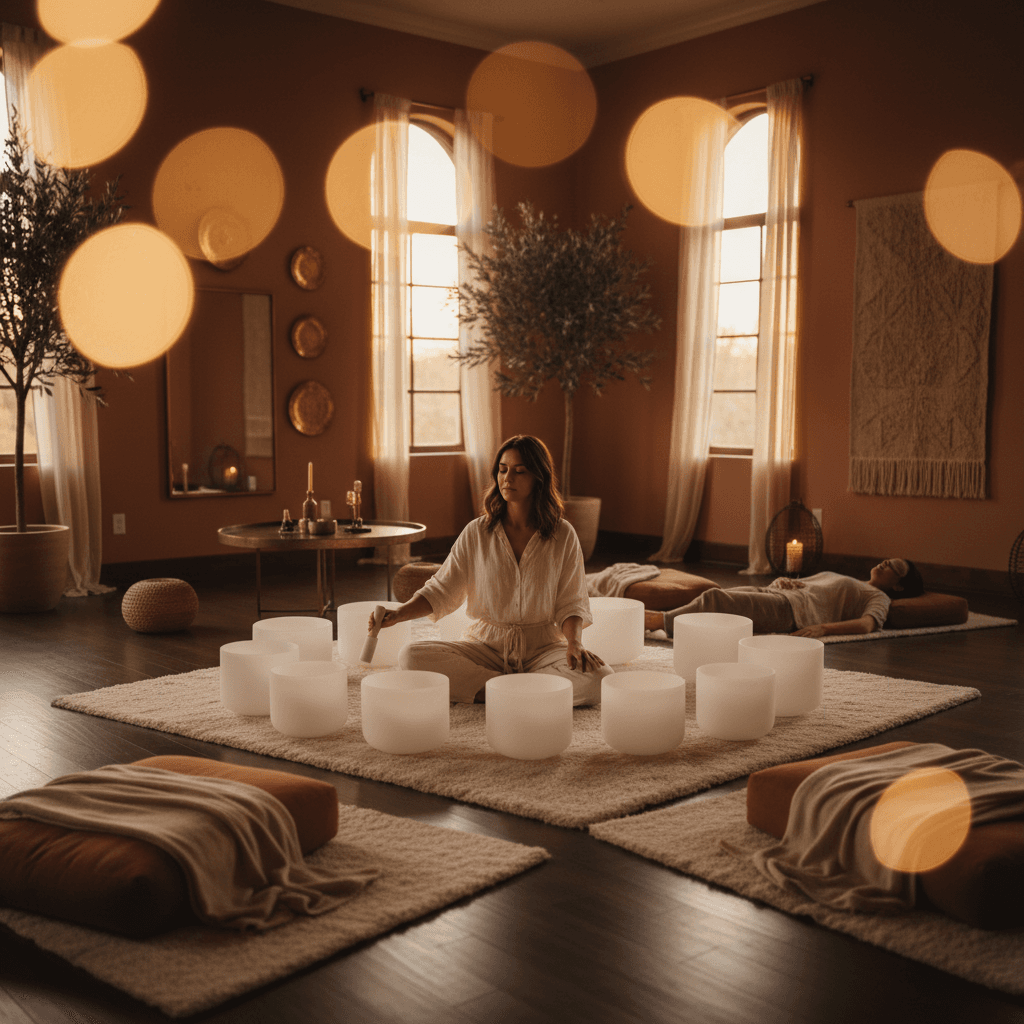
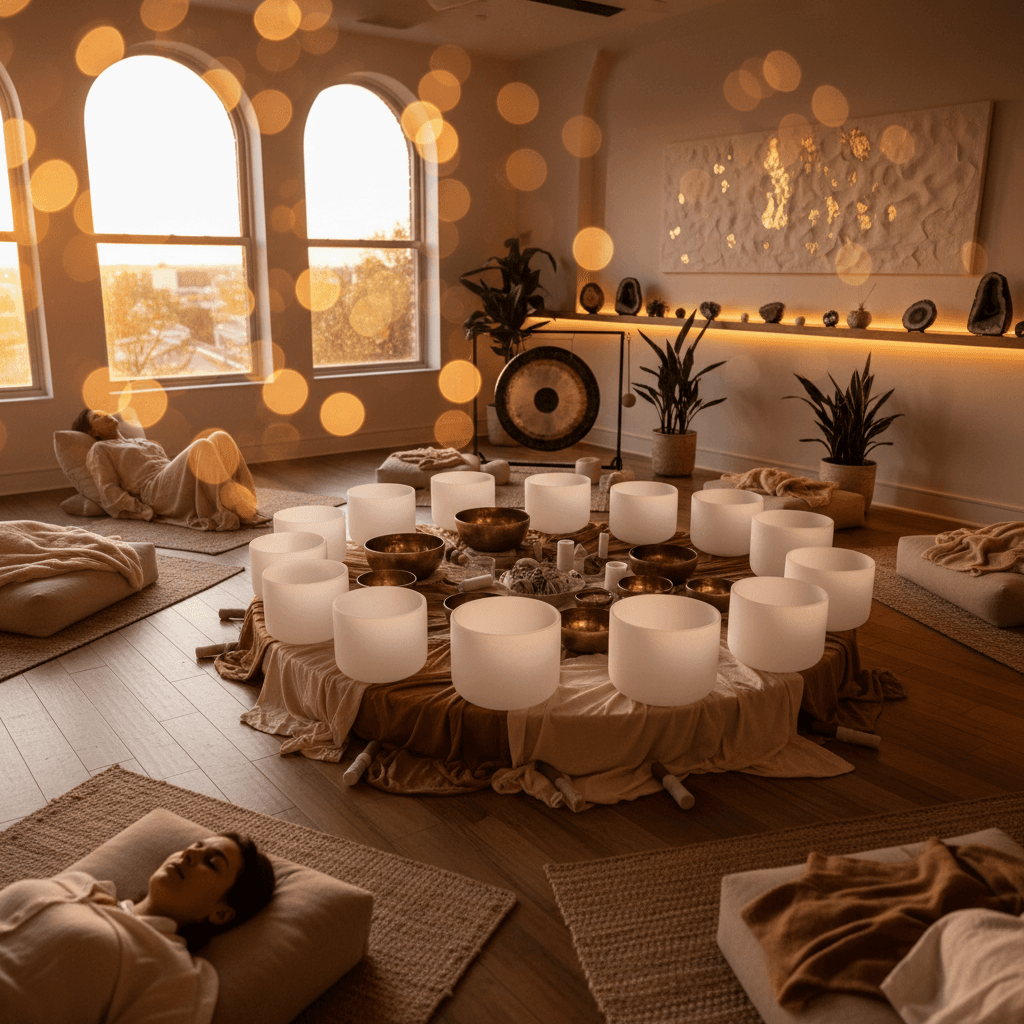
During a sound healing session, clients typically lie down in a comfortable position, enveloped by a carefully curated soundscape. Instruments such as crystal singing bowls, Tibetan bowls, gongs, chimes, and vocal toning are utilized to create a rich tapestry of vibrations. The deep, sustained tones of certain bowls, for example, produce binaural beats and sympathetic resonance that may penetrate the body at a cellular level. These vibrations are a wellness practice that may gently encourage relaxation and the release of physical tension often held in the body due to Vata imbalance, particularly in areas like the head and neck.
The experience is profoundly sensory and deeply personal. Clients often report a feeling of being deeply held and supported, as if the sounds are weaving a cocoon of peace around them. The sustained resonance helps to ground the energetic qualities of Vata, reducing mental scatteredness and fostering a sense of inner quiet. Many people report an immediate reduction in stress, improved clarity of thought, and a greater sense of emotional regulation after a session. This complementary approach helps to restore the body's natural energetic flow, recalibrating the internal rhythms that Vata governs. This restorative process may support enhanced circulation, improved digestion, and a more settled mind, directly addressing the core manifestations of Vata imbalance.
The Soul Art Approach
At Soul Art Dubai, Larissa Steinbach and her team are dedicated to providing a transformative sound wellness experience, meticulously designed to address individual doshic needs. Recognizing Vata's unique characteristics, the Soul Art approach integrates ancient Ayurvedic principles with modern scientific understanding of sound, creating a sanctuary where the air element can find its serene balance. Our method is steeped in the philosophy that true well-being stems from harmonizing the body's intrinsic energies.
Larissa Steinbach's expertise lies in her intuitive selection and masterful application of specific sonic tools. For Vata dosha, the emphasis is on grounding, calming, and nurturing frequencies. This often involves the resonant depth of large quartz crystal singing bowls, particularly those tuned to lower frequencies that create a profound sense of stability and earthiness. Hand-hammered Tibetan singing bowls are also employed for their rich, complex overtones, which may gently soothe the nervous system and promote deep relaxation. Additionally, the ethereal vibrations of gongs are utilized to create a powerful, immersive experience that helps to quiet mental agitation and reduce the sensation of "too much air" within the system.
The Soul Art method is distinctive in its holistic consideration of the client's current state. Each session is a personalized journey, beginning with a brief intake to understand any current Vata-related symptoms or experiences. This allows for a tailored soundscape that focuses on alleviating dryness, reducing excessive movement, and cultivating warmth and groundedness. We may also incorporate gentle vocal toning and specific breathwork techniques (Pranayama) to further anchor the Vata energy. By carefully curating sound journeys that promote stillness and inner spaciousness, Soul Art empowers individuals to re-establish their inherent equilibrium, fostering peace and stability in their lives. The intention is always to create a deeply restorative environment where the body's natural capacity for self-regulation is gently awakened.
Your Next Steps
Embracing the wisdom of Ayurveda and the power of sound can be a profound step towards managing Vata dosha and enhancing your overall well-being. Incorporating simple practices into your daily routine can significantly support your journey toward balance. Remember, consistency is key, especially when seeking to soothe the mobile and often erratic nature of Vata.
Here are some practical actions you can take to nurture your Vata dosha:
- Integrate Grounding Sounds: Listen to calming, low-frequency music or nature sounds (like slow waves or gentle rain) daily. This may help to counteract Vata's lightness and bring a sense of stability.
- Practice Mindful Breathing: Engage in slow, deep abdominal breathing for 5-10 minutes each day. This simple Pranayama technique is a relaxation tool that helps to regulate the movement of Prana, which is closely associated with Vata dosha, promoting calm and focus.
- Establish a Consistent Routine: Vata often benefits from routine. Try to eat, sleep, and work at similar times each day to provide the stability that balances Vata's inherent mobility.
- Consider Warmth and Nurturing: Favor warm, cooked foods and warm beverages. Incorporate self-oil massage (Abhyanga) with warm sesame oil to soothe dryness and provide a sense of grounding.
- Experience Professional Sound Wellness: Explore a sound healing session at Soul Art. Our expertly guided experiences are specifically designed to harmonize your doshas, providing a deeply relaxing and restorative escape from the demands of modern life.
Taking these steps can help to create a more grounded and peaceful existence, allowing the creative and intuitive aspects of Vata to flourish without the accompanying anxiety or restlessness.
In Summary
The Vata dosha, composed of Ether and Air, is the vital force governing movement and communication within our bodies, acting as the most significant of the three Ayurvedic doshas. When imbalanced, Vata can manifest as restlessness, anxiety, and various physical discomforts, often exacerbated by environmental stressors. Sound healing offers a scientifically-grounded and deeply effective complementary approach to restore Vata's natural equilibrium. By utilizing specific frequencies and instruments, sound therapy gently grounds the agitated air element, promoting deep relaxation, mental clarity, and physiological balance. At Soul Art, Larissa Steinbach curates personalized soundscapes designed to soothe and stabilize Vata, fostering profound well-being.
Bookings Coming Soon
Soul Art is still in preparation. Session details and booking will be published here after launch.
Coming Soon
Wellness Disclaimer: This article is for educational and informational purposes only. It does not constitute medical advice, diagnosis, or treatment. Soul Art Dubai provides non-medical wellness experiences focused on relaxation, stress management, and general wellbeing. Sound wellness is a complementary practice and should not replace professional medical care.