Harmonizing Recovery: Sound Wellness in Residential Care
Key Insights
Explore how sound wellness programs, a holistic approach by Soul Art's Larissa Steinbach, enhance the therapeutic milieu of residential care, supporting deep healing.
Have you ever noticed how certain sounds can instantly calm your mind, or conversely, evoke a sense of unease? Our auditory landscape profoundly shapes our internal state, influencing everything from stress levels to emotional resilience. This powerful connection is at the heart of integrating sound wellness programs into residential care settings, offering a complementary pathway to deeper healing and sustained recovery.
Residential care provides an immersive environment for individuals navigating complex health challenges, often requiring extended stays from a few weeks to several months. Beyond traditional counseling and medical interventions, the therapeutic milieu—the holistic environment influencing a patient’s well-being—plays a critical role in their journey. It's within this 'other 23 hours' of daily life that sound wellness, spearheaded by visionaries like Soul Art’s Larissa Steinbach, introduces a profound element of support and regulation. This article will delve into the scientific underpinnings and practical applications of sound programs, revealing how they can transform residential care into a more harmonious and effective healing space.
The Science Explained: Vibrations, Brainwaves, and Deep Restoration
The human body is an intricate orchestra of systems, each designed to operate within a specific rhythm and frequency. When stress, trauma, or substance use disorders disrupt this natural harmony, the nervous system can become dysregulated, leading to chronic anxiety, poor sleep, and difficulty in emotional processing. Sound wellness intervenes at a fundamental level, utilizing targeted frequencies and vibrations to guide the body and mind back towards equilibrium.
The Nervous System and Sound
Our autonomic nervous system comprises two main branches: the sympathetic ("fight or flight") and the parasympathetic ("rest and digest"). In states of chronic stress or withdrawal, the sympathetic nervous system often dominates, keeping individuals in a heightened state of alert. Sound programs, particularly those employing instruments like singing bowls, gongs, and chimes, are designed to stimulate the vagus nerve, a crucial component of the parasympathetic system. Activation of the vagus nerve may support a reduction in heart rate, blood pressure, and cortisol levels, fostering a state of deep relaxation. This physiological shift is foundational for emotional regulation and cognitive function.
Brainwave Entrainment
A key mechanism through which sound exerts its influence is brainwave entrainment. Our brains produce electrical activity that can be measured in cycles per second, or Hertz (Hz), categorizing them into different states:
- Beta waves (13-30 Hz): Associated with alert, waking consciousness, and active thinking.
- Alpha waves (8-12 Hz): Linked to relaxed awareness, meditation, and creativity.
- Theta waves (4-7 Hz): Often present during deep meditation, light sleep, and states of intuition.
- Delta waves (less than 4 Hz): Characterize deep, dreamless sleep and profound restoration.
Sound frequencies can act as an external rhythm, encouraging the brain to synchronize its electrical activity with these therapeutic frequencies. For instance, sustained, low-frequency sounds may gently guide the brain from beta to alpha or even theta states, which are more conducive to relaxation, introspection, and processing. Many people report enhanced meditative states and deeper sleep following sound immersion, underscoring its potential to support nervous system regulation.
Sound as a Foundation for Residential Care
The concept of a sound program as a "necessary foundation or umbrella for effective residential care practice" resonates deeply with the holistic approach of Soul Art. The research notes highlight that without a strong program model, "nothing else will likely matter," emphasizing the importance of the therapeutic milieu during 'the other 23 hours' of a resident’s day. Sound wellness, while not a standalone treatment, offers a consistent, non-intrusive element that enriches this milieu. It provides a structured yet adaptable framework for daily self-regulation, which can be particularly vital in environments addressing complex issues like substance use disorders, where consistency and emotional support are paramount.
The integration of sound within an overall treatment concept is an area ripe for further exploration, as it addresses not just the conscious mind, but also the body's innate capacity for self-healing and stress reduction. Preliminary studies indicate that complementary practices like sound wellness may enhance the receptivity of individuals to other evidence-based treatments, such as behavioral therapies and counseling. By creating an internal environment of calm, residents may be better able to engage with and benefit from the full spectrum of services offered in residential care programs, which include individual and group counseling, medications, and mutual support groups.
How It Works in Practice: Crafting a Harmonious Environment for Healing
In a residential care setting, where individuals are immersed in a structured environment for weeks or months, the consistent presence of supportive, complementary practices is crucial. Sound programs offer a unique blend of immediate relief and cumulative benefit, subtly reshaping the daily experience of residents. The application of sound wellness moves beyond a mere activity; it becomes an integral part of fostering a healing atmosphere.
Integrating Sound into the Daily Milieu
Sound sessions can be woven into various aspects of the residential care schedule. Morning sessions may help set a calm, focused tone for the day, preparing residents for group therapy or individual counseling. Afternoon or evening sessions can provide a much-needed release of tension, supporting relaxation before sleep. These dedicated periods for sound immersion offer a sacred space for residents to disconnect from external stressors and reconnect with their inner selves, a vital aspect of self-care and recovery.
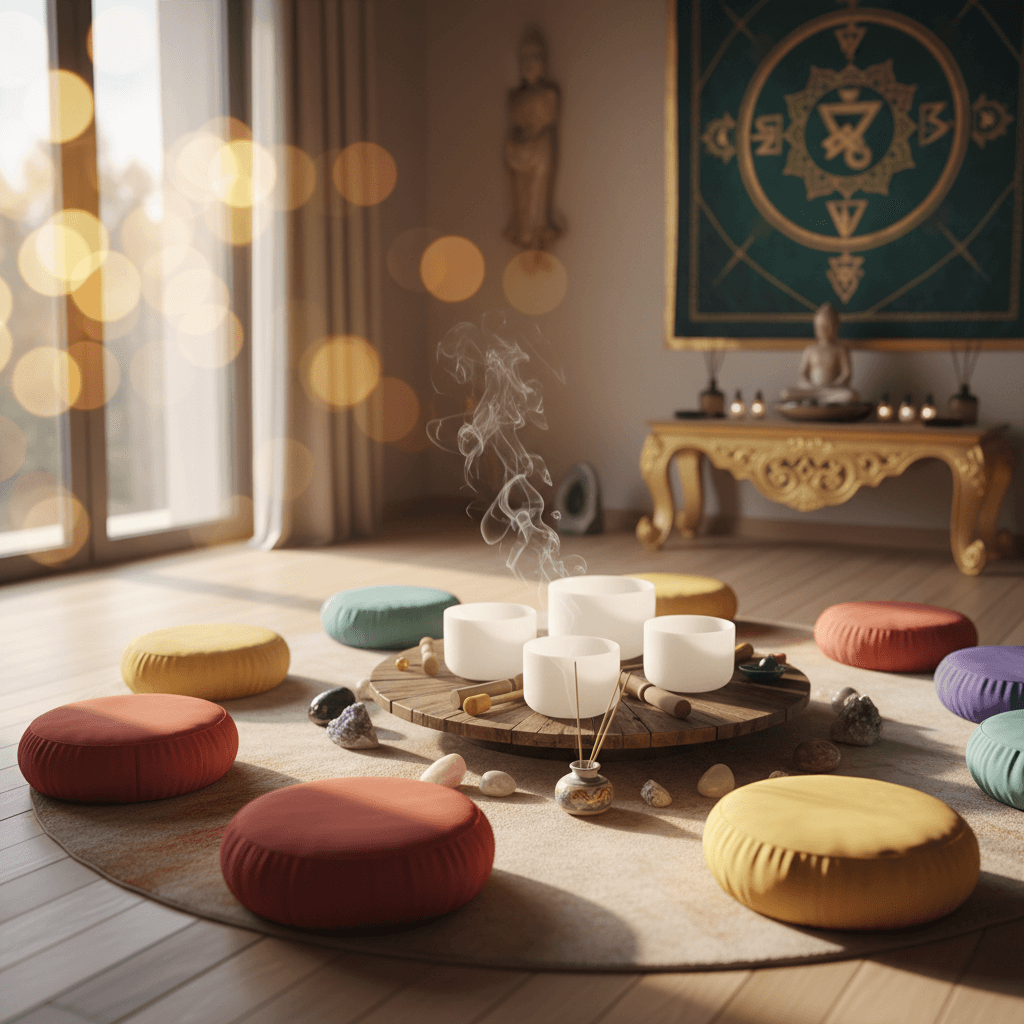
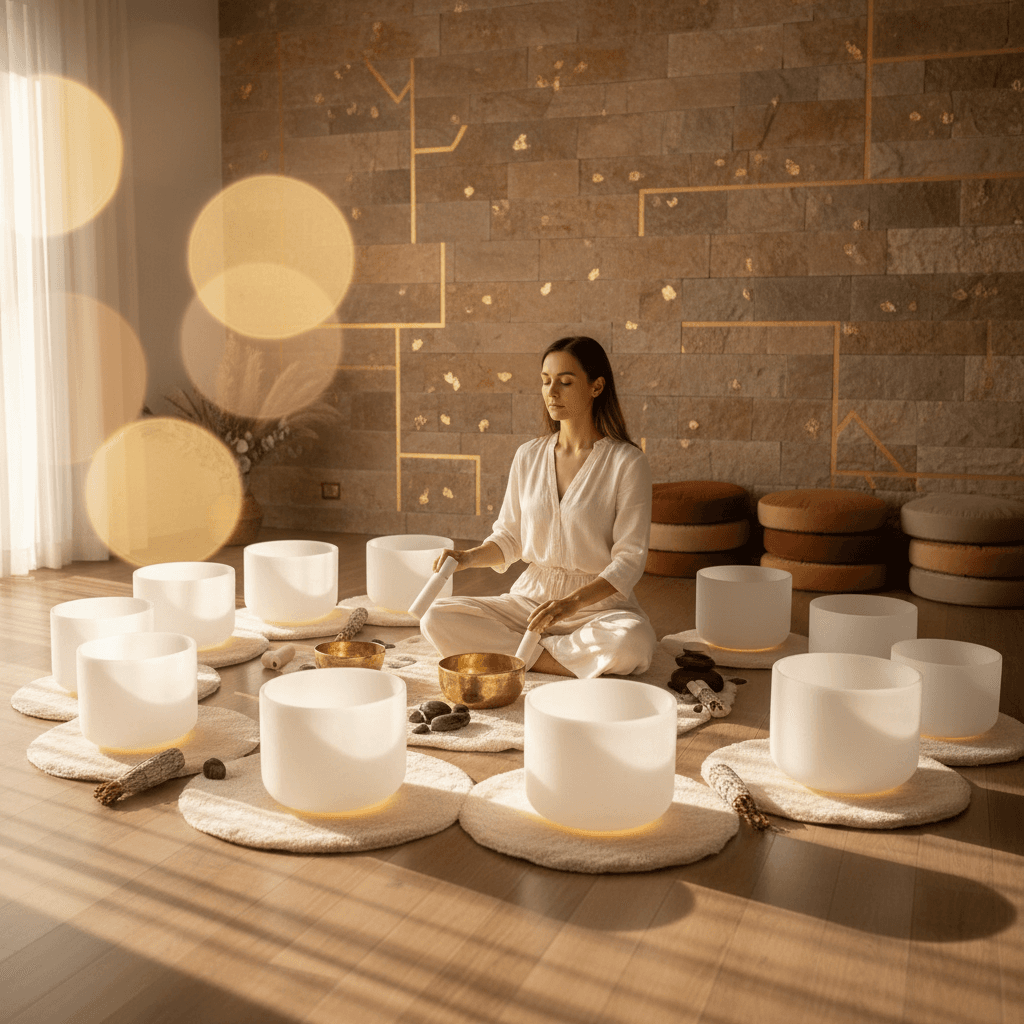
Clients experience sound programs in various formats, often in a group setting, which can also foster a sense of community and shared experience. Participants typically lie or sit comfortably, allowing the vibrational frequencies to wash over them. The sounds can range from deeply resonant gongs and crystal singing bowls to gentle chimes and rhythmic drumming. Each instrument and technique is chosen for its specific vibrational qualities and its potential to evoke different states of relaxation and emotional release.
A Multisensory Journey to Regulation
The experience is often described as a multisensory journey. While the auditory sense is primary, the physical vibrations of the sound waves are also felt within the body, creating a subtle internal massage. This somatic experience can be particularly beneficial for individuals holding tension or experiencing physical discomfort, common in conditions associated with substance withdrawal or chronic stress. The non-verbal nature of sound wellness means it is accessible to everyone, regardless of their ability to articulate feelings or engage in talk therapy, offering a different modality for processing emotions and finding inner peace.
"The profound silence that follows a deeply resonant sound bath is often where the real integration begins, allowing residents to process, reflect, and find a sense of quietude they may not have experienced in years."
For individuals in residential programs dealing with substance use disorders, who may be grappling with intense cravings, anxiety, or emotional volatility, sound sessions provide a potent tool for self-regulation. By gently guiding the nervous system towards a parasympathetic state, sound can help to diminish the intensity of difficult emotions and promote a sense of inner safety. This improved state of calm may then enhance their ability to engage with other elements of their treatment plan, such as medication management and participation in mutual support groups like 12-step programs, which research shows can be very effective in supporting long-term recovery. The benefits extend beyond the session itself, often contributing to improved sleep quality, reduced agitation, and a greater capacity for mindfulness throughout the day.
The Soul Art Approach: Larissa Steinbach's Vision for Vibrational Harmony
At Soul Art, Dubai's premier sound wellness studio, Larissa Steinbach has cultivated an approach that transcends simple sound therapy, elevating it to an art form dedicated to holistic well-being. Larissa's methodology is deeply rooted in the understanding that every individual possesses a unique energetic blueprint, and true healing involves recalibrating this internal frequency. Her work in residential care settings exemplifies how sophisticated sound programs can become a cornerstone of comprehensive wellness.
Tailored Vibrational Journeys
Larissa Steinbach's unique method at Soul Art focuses on creating tailored vibrational journeys. Recognizing that residential care serves diverse needs – from mental health support to recovery from substance use disorders – she crafts programs that are adaptable and responsive to the collective energy and individual requirements of the residents. This personalized touch ensures that each session is not merely a standardized offering, but a carefully curated experience designed to resonate deeply with the participants.
The Soul Art method utilizes a rich tapestry of instruments, each chosen for its distinct acoustic and vibrational properties. Key among these are:
- Himalayan Singing Bowls: Known for their deep, sustained tones that produce complex overtone harmonies, promoting relaxation and meditation.
- Crystal Singing Bowls: Emit pure, resonant tones often associated with specific chakras or energy centers, encouraging emotional release and energetic balance.
- Gongs: Their powerful, all-encompassing vibrations create a sound massage that can facilitate profound states of relaxation and shift stagnant energy.
- Chimes and Other Percussion: Used to introduce delicate textures and subtle shifts in the soundscape, enhancing the overall immersive experience.
Larissa's expertise lies not only in playing these instruments but also in understanding the intricate science of frequency and resonance. She intuitively guides participants through soundscapes designed to gently re-tune the body’s cellular structure, calm the mind, and restore the nervous system. The emphasis is always on creating a safe, nurturing space where individuals can surrender to the sounds and allow the vibrations to work their subtle yet profound magic.
Cultivating Inner Resilience
What makes the Soul Art method truly unique is its focus on fostering inner resilience and self-discovery. Larissa Steinbach believes that sound is a powerful catalyst for introspection and emotional release, offering a pathway to connect with one’s innate wisdom. In residential care, where individuals are often working through past traumas and developing new coping mechanisms, this aspect is invaluable. The sessions provide an opportunity for non-verbal processing, allowing residents to experience deep emotional shifts without the pressure of verbal articulation.
By integrating Soul Art's sound programs, residential care facilities can offer a powerful, complementary tool that supports the overarching program model. It helps to create a more integrated and holistic treatment concept, recognizing that healing is multifaceted and benefits from diverse, evidence-informed approaches. The peaceful environment cultivated by these sessions aids in reducing the risk of relapse by equipping individuals with powerful stress management and emotional regulation tools that they can carry forward into their lives beyond residential care.
Your Next Steps: Embracing Vibrational Well-being
Understanding the profound impact of sound wellness on residential care is the first step. For individuals, caregivers, or institutions looking to integrate these powerful practices, there are actionable ways to begin exploring the benefits of vibrational harmony. Embracing sound as a complementary approach can significantly enhance the journey towards holistic well-being and sustained recovery.
Here are some practical steps you can implement today to explore the potential of sound wellness:
- Explore Guided Sound Meditations: Many online platforms offer free or subscription-based guided sound meditations featuring singing bowls, gongs, or nature sounds. Start with short sessions (5-10 minutes) and gradually increase duration as you feel comfortable. This can be a great way to introduce yourself to the practice from the comfort of your home.
- Create a Personal Sound Sanctuary: Designate a quiet space in your home where you can listen to calming music, ambient soundscapes, or even gentle instrumental tracks. Consider investing in a small chime or a tuning fork to incorporate simple self-sound practices into your daily routine. The aim is to create an environment that supports relaxation and introspection.
- Attend a Local Sound Bath or Session: Seek out experienced practitioners in your community who offer group sound baths or individual sound wellness sessions. Experiencing the immersive vibrations in person can be a deeply transformative experience and provides an opportunity to learn from experts. Look for studios that prioritize a serene and professional environment, such as Soul Art in Dubai.
- Learn About Brainwave States: Educate yourself further on the different brainwave frequencies (Alpha, Theta, Delta) and how specific sounds are associated with them. This understanding can empower you to choose sound experiences that align with your desired state, whether it's for relaxation, focus, or deeper sleep.
- Consult with Wellness Professionals: If you are part of a residential care facility, consider reaching out to wellness experts, like Larissa Steinbach at Soul Art, to discuss how a tailored sound program could complement your existing treatment protocols. Integrating a theoretically grounded and defensible program model, which includes innovative elements like sound wellness, can significantly improve the overall therapeutic experience.
By taking these steps, you can begin to harness the power of sound to regulate your nervous system, reduce stress, and cultivate a deeper sense of peace and inner harmony. This self-care practice is not just about listening; it's about feeling, resonating, and allowing the vibrations to support your body's innate capacity for balance.
In Summary: The Resonant Path to Recovery
The journey through residential care is a profound one, requiring comprehensive support that addresses every dimension of an individual's well-being. As we’ve explored, integrating sound wellness programs provides a powerful, complementary layer to the therapeutic milieu, enhancing the 'other 23 hours' of care. By leveraging the science of brainwave entrainment and nervous system regulation, sound practices offer a unique pathway to deep relaxation, emotional processing, and stress reduction.
Visionaries like Larissa Steinbach and her work at Soul Art demonstrate how expertly crafted sound journeys can foster inner resilience and create a harmonious environment for healing within residential settings. This holistic approach supports traditional treatments by calming the mind and body, making individuals more receptive to therapy and equipping them with vital self-regulation tools for long-term recovery. Embrace the transformative power of sound to nurture a deeper sense of peace and well-being, both within residential care and beyond.
Bookings Coming Soon
Soul Art is still in preparation. Session details and booking will be published here after launch.
Coming Soon
Wellness Disclaimer: This article is for educational and informational purposes only. It does not constitute medical advice, diagnosis, or treatment. Soul Art Dubai provides non-medical wellness experiences focused on relaxation, stress management, and general wellbeing. Sound wellness is a complementary practice and should not replace professional medical care.
Related Articles
LGBTQ+ Recovery: Sound Wellness for Inclusive Healing & Regulation
Relationship Recovery: The Science of Sound for Intimacy
Soulful Connections: The Science of Shared Sound Practices and Well-being Sponsorship