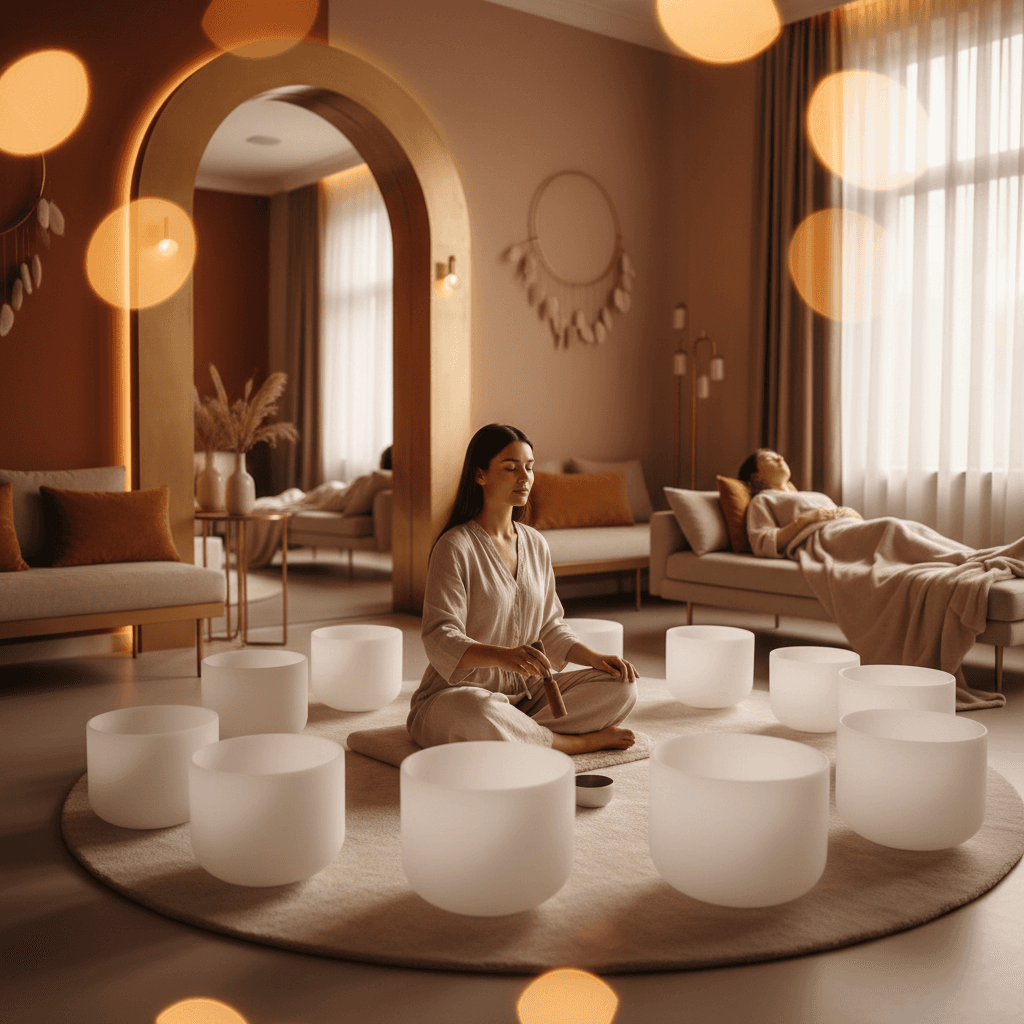
Mastering Travel & Competition: Sound for Jet Lag Recovery
Key Insights
Unlock peak performance and mitigate jet lag with sound wellness. Discover Soul Art's unique approach to circadian rhythm synchronization.
Have you ever arrived at a new destination, body clock wildly out of sync, feeling exhausted yet restless? For elite athletes and frequent global travelers, this disorienting experience, commonly known as jet lag, isn't just an inconvenience; it can be a significant barrier to peak performance and overall well-being. The constant demands of international competition or business travel across multiple time zones place immense strain on the body's natural rhythms, impacting everything from physical prowess to mental acuity.
At Soul Art, Dubai's premier sound wellness studio, founded by the visionary Larissa Steinbach, we understand these intricate challenges. We delve beyond conventional advice, exploring how the profound, non-invasive power of sound can become a cornerstone of your jet lag recovery strategy. This article will unpack the complex science behind jet lag, illuminate its far-reaching effects, and reveal how meticulously crafted sound experiences can harmonize your internal clock, paving the way for faster adaptation and enhanced resilience. Prepare to discover a sophisticated, yet profoundly effective, approach to reclaiming your rhythm.
The Science Explained: Unraveling the Circadian Code
Jet lag is a fundamental disruption of the body's internal biological clock, known as the circadian rhythm, which typically operates on an approximately 24-hour cycle. This intricate system, primarily regulated by the suprachiasmatic nucleus in the brain, governs numerous physiological processes, including sleep-wake cycles, hormone secretion, body temperature, and even cognitive function. When we rapidly traverse multiple time zones, our internal clock remains tethered to our departure location, creating a desynchrony with the local time cues of our destination. This misalignment manifests as the familiar, often debilitating, symptoms of jet lag.
Circadian Rhythms and Zeitgebers
The synchronization of our circadian rhythm with the external environment relies heavily on a collection of external cues known as zeitgebers (German for "time-givers"). Light is arguably the most potent zeitgeber, signaling to our brain whether it is day or night and influencing the production of melatonin, a hormone critical for sleep regulation. However, emerging scientific consensus highlights that effective re-synchronization of circadian rhythms requires the harmonization of multiple zeitgebers, not just light (Grabe et al., 2022; Shen et al., 2023).
Other vital zeitgebers include social interactions, meal timing, and physical activity. These cues act through specific neural and hormonal pathways, providing critical signals that help to reset our internal clock. For athletes traveling for World Cup competitions, where performance is paramount, timing-based interventions aimed at regulating the sleep-wake schedule become a reasonable and critical intervention in competitive contexts (Lewis et al., 2018).
The Nuances of Jet Lag Recovery
Recent large-scale, real-world studies, leveraging data from millions of nights of sleep, have provided unprecedented insights into how jet lag affects travelers. While sleep duration itself often recovers surprisingly quickly, typically within approximately two days, the more subtle yet profound changes in sleep timing and structure can persist for much longer, sometimes more than a week. This means that while you might feel like you're sleeping enough hours, your body's timing of sleep and its quality (e.g., fewer night-time awakenings) are still out of alignment.
Key findings underscore the complexities:
- Direction of Travel: Eastward travel, which requires "shortening" your day and going to bed earlier relative to your internal clock, is often associated with more severe jet lag symptoms, particularly for shorter trips. Westward travel, requiring a "lengthening" of the day, can sometimes be easier to adjust to due to the circadian system's natural tendency to delay sleep.
- Duration of Disruption: For longer journeys across many time zones, the disruption from habitual sleep patterns becomes significant regardless of direction, often shifting sleep by 60-70 minutes earlier or later than usual.
- Individual Differences: While minimal differences exist between men and women in travel-related sleep disruption, older travelers tend to experience slightly less impact than younger individuals. Previous travel experience can also mitigate symptoms, suggesting an adaptive capacity for those who frequently cross time zones.
Impact on Performance and Well-being
Beyond the immediate discomfort, jet lag has tangible consequences, particularly for athletes. While direct evidence demonstrating jet lag's impairment on physical athletic performance in competition remains inconsistent and methodologically challenging to prove, its impact on other critical areas is clearer. Studies consistently show that mood, alertness, motivation, and cognitive performance are adversely affected by jet lag (Lewis et al., 2018; PMC3435929). Reduced concentration, increased perceived stress and fatigue, and general malaise are common complaints, all of which can indirectly compromise an athlete's ability to perform at their peak or a business traveler's capacity to engage effectively. This profound disruption can create conflicts with social, behavioral, and physiological temporal cues, significantly hampering adaptation to a new time zone (Varesco et al., 2024).
The goal of any effective jet lag strategy is to quickly realign these desynchronized circadian rhythms to the new time zone. This requires careful management of zeitgebers, creating an environment that encourages the body to reset and embrace its new temporal reality.
"The true challenge of jet lag isn't just the hours of sleep lost, but the complete temporal disarray it inflicts on our finely tuned biological systems, demanding a holistic re-calibration."
How It Works in Practice: The Harmonizing Power of Sound
While light, melatonin, and carefully timed sleep are well-established tools for mitigating jet lag, a powerful, complementary approach lies in the ancient wisdom of sound wellness. Sound, as a subtle yet profound energy, has the ability to influence our physiological and psychological states, offering a unique pathway to re-synchronizing the body's internal rhythms and alleviating the distress of travel. The tranquil tones and gentle vibrations created during a sound experience can act as a powerful, non-invasive zeitgeber for the nervous system itself.
When clients at Soul Art immerse themselves in a sound session, they often report a deep sense of relaxation and inner calm. This is not merely subjective; the resonant frequencies and sustained tones of instruments like Himalayan singing bowls and gongs have been associated with measurable physiological responses. Preliminary studies and anecdotal evidence suggest that sound frequencies may help to shift brainwave states from the busy beta waves of daily activity to more relaxed alpha and theta states, which are conducive to deep relaxation and sleep. This shift can directly support the body in transitioning into sleep patterns aligned with a new time zone, even when the internal clock is resisting.
The deep, pervasive vibrations of sound bowls can gently stimulate the vagus nerve, which plays a crucial role in regulating the body's parasympathetic nervous system – our "rest and digest" mode. Activating this system helps to reduce the physiological markers of stress, such as elevated cortisol levels, which are often exacerbated by travel fatigue and circadian disruption. By inducing a profound state of relaxation, sound wellness may aid in synchronizing the body's internal clock with local time, potentially reducing the intensity and duration of jet lag symptoms.
Clients often describe an experience of being "bathed" in sound, feeling the gentle vibrations permeate their entire being. This sensory immersion can create a peaceful sanctuary, helping to ground the mind amidst the chaos of time zone changes. For travelers grappling with anxiety, irritability, and general malaise – common emotional difficulties associated with jet lag – sound therapy's tranquil tones can provide a soothing balm, fostering a sense of calm and well-being. By easing emotional tensions and fostering a state of mindful presence, sound wellness may help restore concentration and alertness, which are often compromised by disrupted sleep patterns and travel fatigue. It is a holistic approach, supporting the body's innate capacity for self-regulation and adaptation.
The Soul Art Approach: Larissa Steinbach's Unique Vision
At Soul Art, Larissa Steinbach has meticulously curated a sound wellness experience designed to address the specific challenges of modern life, including the pervasive issue of jet lag and travel fatigue. Her approach integrates scientific understanding with ancient wisdom, creating a sanctuary where the body and mind can find harmony. Larissa's method is unique in its emphasis on creating bespoke sound journeys, tailored to the individual's current state and specific needs.
Larissa understands that effective jet lag recovery isn't a one-size-fits-all solution. During an initial consultation, she takes into account factors such as direction of travel (eastward versus westward), the number of time zones crossed, and the individual's typical sleep patterns and stress levels. This personalized assessment allows her to select specific frequencies and instrument combinations that will best support the client's re-synchronization goals. For instance, deeper, grounding frequencies may be chosen for those struggling with restless sleep, while lighter, more uplifting tones might be used to gently awaken and energize during the new destination's daylight hours.
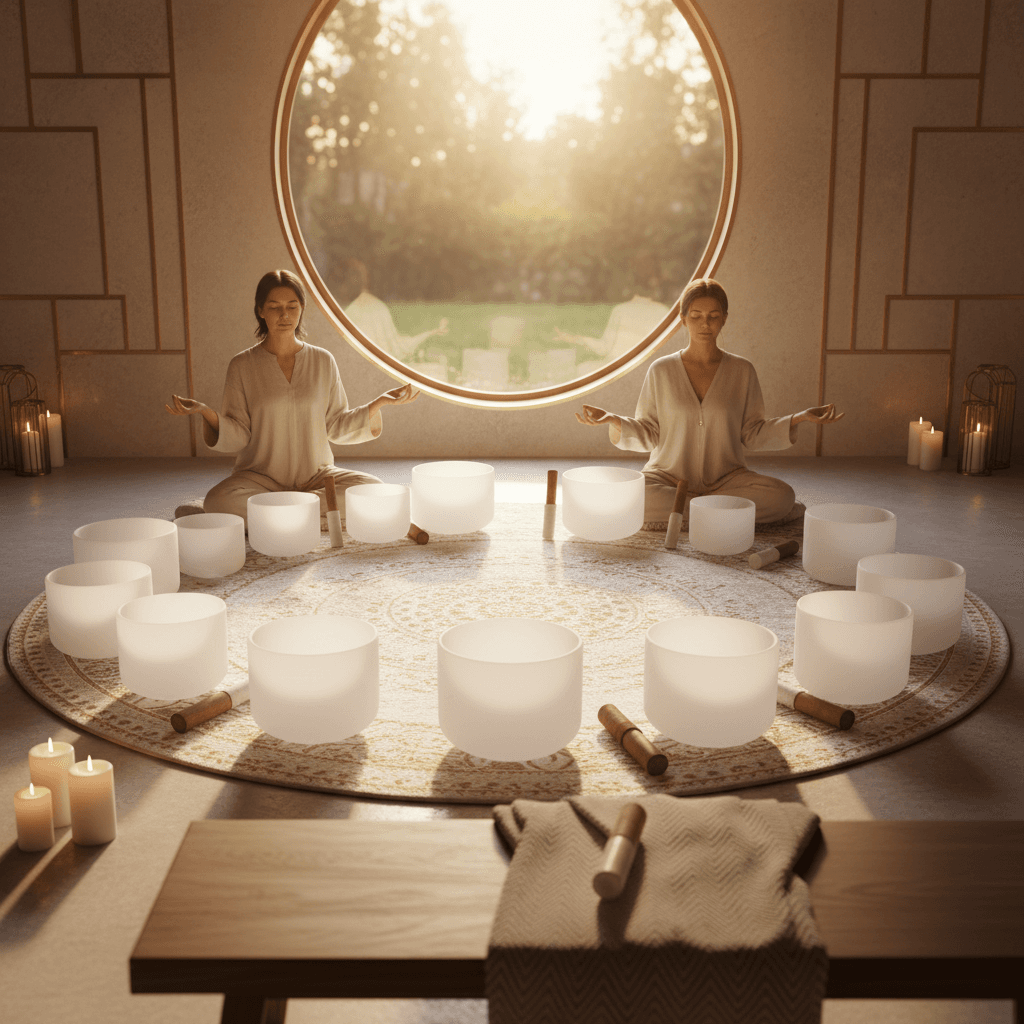
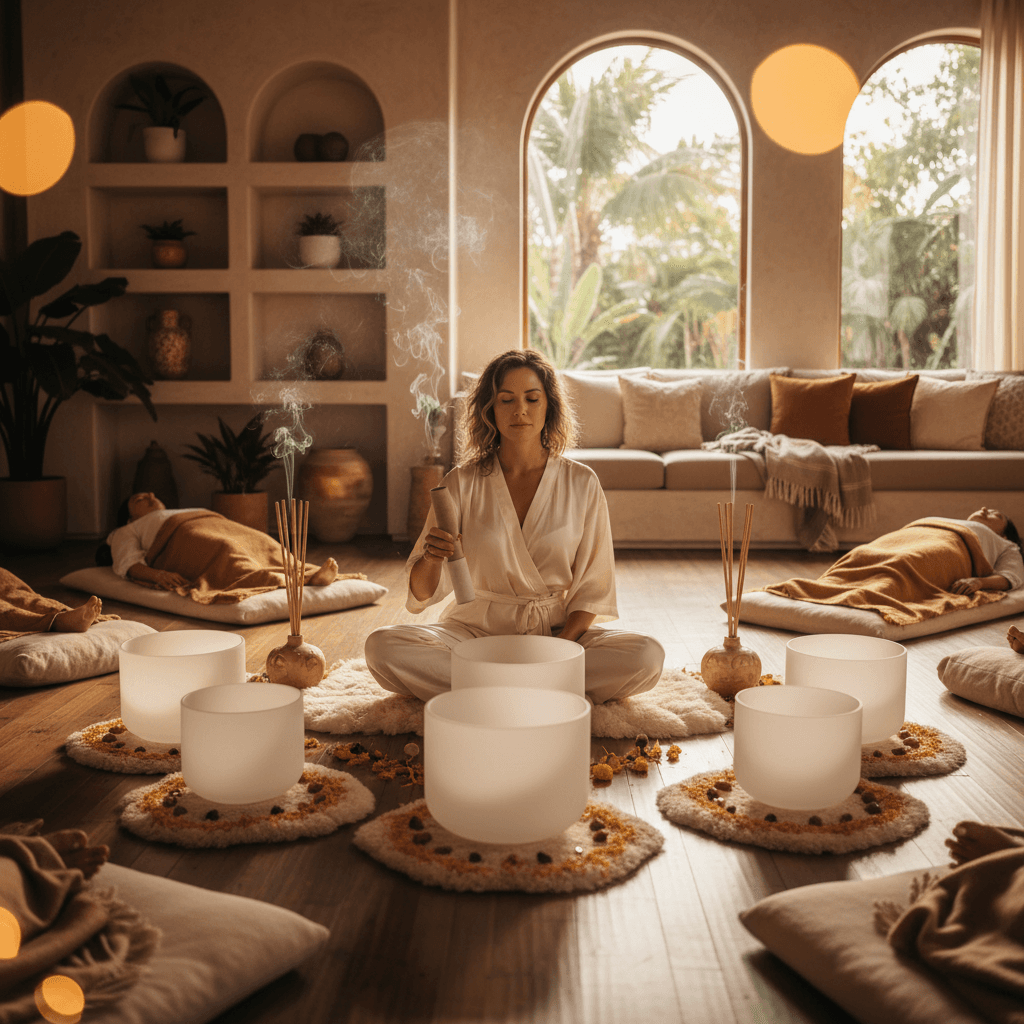
The Soul Art studio utilizes a carefully selected collection of world-class instruments, including authentic Himalayan singing bowls, precision-tuned crystal bowls, and powerful gongs. Each instrument possesses unique vibrational qualities. Himalayan singing bowls, with their rich, complex overtones, are exceptional for deep relaxation and subtle energy work. Crystal bowls, known for their pure, resonant tones, are often used to balance energy centers and promote mental clarity. Gongs, with their expansive soundscapes, can facilitate profound states of release and renewal. Larissa Steinbach masterfully orchestrates these instruments, creating immersive sound journeys that guide clients through states of deep rest and meditative awareness.
The Soul Art method extends beyond the session itself. Clients receive personalized guidance on integrating sound wellness into their travel routines. This includes practical advice on how to use specific sound frequencies (even through recordings) to prepare for travel, aid sleep during long flights, or support alertness upon arrival. Larissa's commitment to a holistic, empowering approach ensures that clients leave not only feeling restored but also equipped with tools to cultivate resilience and manage the physiological and emotional demands of travel more effectively. This unique blend of intuitive artistry and scientific grounding distinguishes Soul Art as a leader in complementary wellness practices for jet lag mitigation.
Your Next Steps: Integrating Sound for Seamless Travel
Mitigating jet lag is an act of self-care and a strategic move for anyone whose performance or well-being depends on being fully present and alert, regardless of time zone. While many factors contribute to successful adaptation, integrating sound wellness offers a powerful, non-invasive avenue to support your body's natural re-synchronization process. Here are some actionable steps you can implement today to enhance your travel experience:
- Pre-Travel Preparation: Consider a sound wellness session a few days before your departure. This can help to pre-emptively calm your nervous system, reduce baseline stress, and prepare your body for the upcoming shift. Many people report that starting from a state of deep relaxation makes the transition smoother.
- Strategic Sound Exposure: During long flights, utilize high-quality noise-canceling headphones to listen to calming ambient soundscapes or specialized meditation tracks. This can help to create a personal, tranquil environment, reduce travel anxiety, and encourage rest even when sleep is difficult.
- Post-Arrival Re-centering: Upon arrival, schedule a sound wellness session with Larissa Steinbach at Soul Art as soon as feasible. This direct experience in a supportive environment can significantly aid your body in anchoring to the new time zone, promoting deeper sleep during local night hours and enhancing alertness during the day.
- Mindful Movement & Nutrition: Complement sound wellness with other known jet lag strategies: timed exposure to natural light, gentle physical activity (such as walking), and conscious hydration. Aligning your meal times with the new locale also acts as a powerful zeitgeber.
- Embrace Consistency: Even small, consistent practices can make a difference. Incorporate short sound meditations or listening to soothing frequencies into your daily routine both before and after travel to cultivate mindfulness and maintain a balanced internal state.
Ready to reclaim control over your body's rhythms and enhance your travel resilience?
Bookings Coming Soon
Soul Art is still in preparation. Session details and booking will be published here after launch.
Coming Soon
In Summary: Reclaiming Your Rhythm with Soul Art
Jet lag, with its disruptive impact on circadian rhythms, mood, cognition, and overall well-being, presents a significant challenge for global travelers and competitive athletes alike. While conventional strategies focus on light and melatonin, the profound, non-invasive power of sound wellness offers a compelling complementary pathway to re-synchronization. By gently influencing brainwave states, reducing stress, and promoting deep relaxation, carefully crafted sound experiences may support the body in adapting more smoothly to new time zones. Larissa Steinbach's unique, personalized approach at Soul Art Dubai integrates scientific understanding with ancient wisdom, offering bespoke sound journeys designed to harmonize your internal clock and foster greater resilience. Discover how Soul Art can help you navigate the demands of travel and competition with renewed vitality and a profound sense of inner calm.
Wellness Disclaimer: This article is for educational and informational purposes only. It does not constitute medical advice, diagnosis, or treatment. Soul Art Dubai provides non-medical wellness experiences focused on relaxation, stress management, and general wellbeing. Sound wellness is a complementary practice and should not replace professional medical care.
Related Articles
Optimizing Athletic Performance: The Synergy of Sports Nutrition and Sound Wellness
Archery, Stillness, and Sound: Soul Art's Path to Focus
Swimming's Secret Weapon: Sound for Peak Aquatic Performance