Support for Athletes: Sound Wellness for Transition from Sport
Key Insights
Support for athletes retiring from sport: How sound wellness addresses identity shifts, mental health, and physical adjustments for a smoother transition. Discover Soul Art's holistic approach.
The roar of the crowd, the intensity of competition, the rhythm of training—for elite athletes, these are not just experiences, but the very fabric of their identity. So, what happens when the game ends, the uniform is hung up, and the familiar cadence of sport falls silent? The transition from professional sport to post-career life is often touted as a "retirement," but for many, it's a profound, multifaceted shift that can be as challenging as any championship match.
It’s a surprising reality that many successful athletes, despite their incredible discipline and achievements, face significant psychological, social, and even physical hurdles when their playing days conclude. This article delves into the complex landscape of athlete retirement and explores how the innovative practice of sound wellness, championed by Larissa Steinbach at Soul Art Dubai, may offer a unique and powerful complementary approach to navigating this critical life stage. We'll uncover the science behind sound's ability to support holistic wellbeing during such a transformative period.
The Science Explained: Navigating the Tides of Transition
The journey out of professional sports is far from a simple exit; it's a dynamic, often turbulent process requiring deep adaptation. Research consistently highlights several common themes that make this period particularly challenging for athletes, impacting their mental, physical, and social health. Understanding these challenges is key to appreciating how sound wellness can offer meaningful support.
Identity Crisis and Mental Wellbeing
One of the most significant hurdles for retiring athletes is the profound shift in identity. For years, their self-worth, social standing, and daily routine have been inextricably linked to their athletic persona. When this is removed, many experience what researchers call an "identity crisis," leading to decreased self-esteem and self-confidence (Opensportssciencesjournal.com). Studies indicate that a strong athletic identity may correlate with greater emotional adjustment required after retirement, particularly for those with unplanned career terminations due to injury or deselection (Olympics.com, Eprints.whiterose.ac.uk).
This identity disruption can trigger a range of mental health challenges, including emotional problems, anxiety, depression, and in some cases, substance abuse (Opensportssciencesjournal.com, Journals.kmanpub.com). Physiological markers correlated with psychological distress, with studies showing a slower normalization of cortisol levels in individuals without structured interventions (Journals.kmanpub.com). Sound wellness offers a unique avenue to address these deep-seated stressors by promoting a state of profound relaxation and supporting the nervous system's return to balance.
The Nervous System and Stress Response
At the core of many of these transitional difficulties is a dysregulated nervous system. The high-pressure environment of professional sports often keeps athletes in a state of heightened arousal, engaging the sympathetic "fight or flight" response. While beneficial for performance, prolonged activation without adequate recovery can lead to chronic stress. Upon retirement, this ingrained physiological state doesn't simply switch off, and the sudden lack of external structure can exacerbate feelings of anxiety and aimlessness.
Sound wellness practices work by engaging the parasympathetic "rest and digest" nervous system. Specific frequencies and resonant vibrations, such as those produced by gongs, crystal bowls, and tuning forks, may help to slow brainwave activity, shifting from a beta (waking, alert) state to alpha (relaxed, meditative) and even theta (deep relaxation, creativity) states. This shift may reduce the production of stress hormones like cortisol, lower heart rate, and promote a sense of inner calm, providing a physiological foundation for improved mental and emotional regulation (Journals.kmanpub.com). Preliminary studies indicate that structured interventions combining psychological support with physiological monitoring can effectively mitigate identity disruption and mental health challenges during early transition.
Social Reintegration and Relationship Dynamics
Beyond the individual, athletes also navigate complex social and relational changes. The camaraderie of a team, the built-in social network of fellow athletes, and the constant support system often diminish or disappear altogether post-retirement (Uni Global Union). This loss of social networks is a commonly reported difficulty, contributing to feelings of isolation and disconnection (Uni Global Union, Research.usc.edu.au). Furthermore, the demanding nature of professional sport can strain personal relationships, with some studies suggesting relationship breakdown is more prevalent in the first five years post-retirement (Uni Global Union).
Sound wellness practices, by fostering emotional resilience and a grounded sense of self, may indirectly support athletes in navigating these social shifts. By reducing internal stress and promoting emotional clarity, individuals may find it easier to communicate with family and friends, articulate their experiences, and consciously build new social connections. This internal stability can be a crucial resource when external support structures change.
Physical Adjustments and Embodiment
While often overlooked in mental health discussions, the physical aspect of retirement is also significant. Athletes may contend with chronic injuries, the psychological impact of "detraining" (adapting to a less active lifestyle), and a changing relationship with their body (Opensportssciencesjournal.com). The body, once a finely tuned instrument of performance, may now feel different or even unfamiliar.
Sound vibrations, when experienced through a sound bath, can create a palpable sense of resonance throughout the body. While not a medical treatment for injuries, this gentle, non-invasive experience may encourage a new form of body awareness—one focused on relaxation and internal sensation rather than external performance. Many people report that the vibrational qualities of sound can help release stored tension, promote muscle relaxation, and improve circulation, all of which may contribute to a more comfortable physical adjustment to a less rigorous routine. It serves as a wellness practice that honors the body's need for restoration.
"The transition from sport is not merely an endpoint, but a crucible for self-discovery. Sound wellness offers a unique frequency to attune to that deeper self."
How It Works in Practice: The Immersive Experience
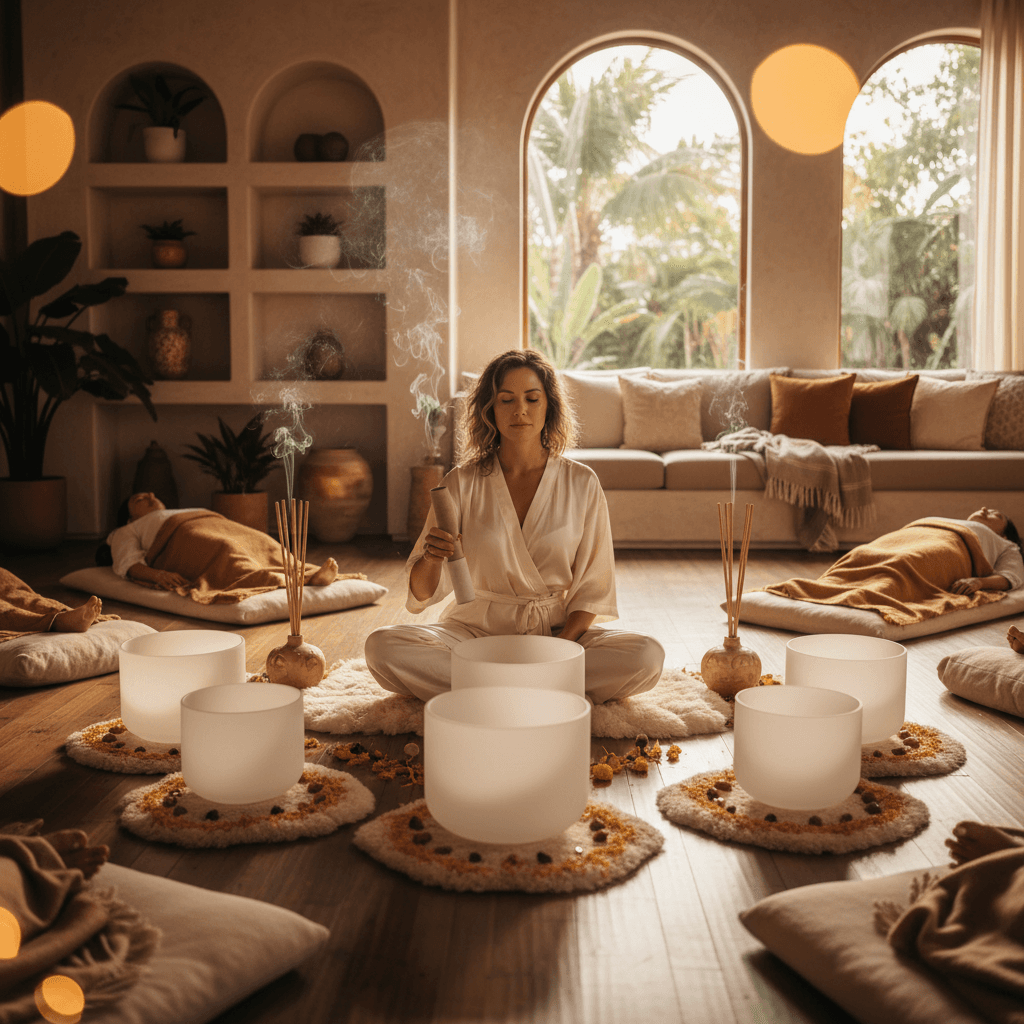
Stepping into a sound wellness session is an invitation to shed the external pressures of the world and reconnect with your inner landscape. For an athlete accustomed to a highly structured and physically demanding routine, this can be a profoundly different, yet remarkably beneficial, experience. The process is one of deep immersion, engaging multiple senses to facilitate a state of profound relaxation and introspection.
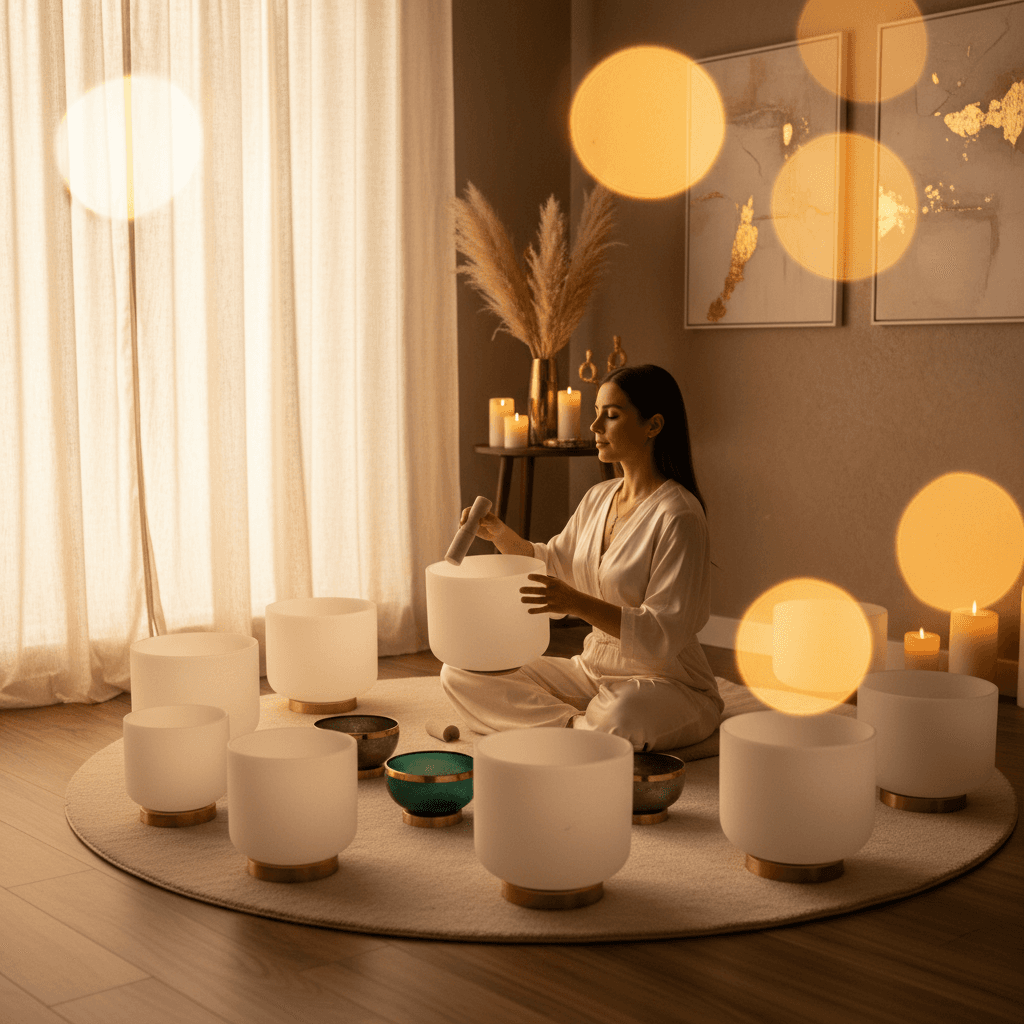
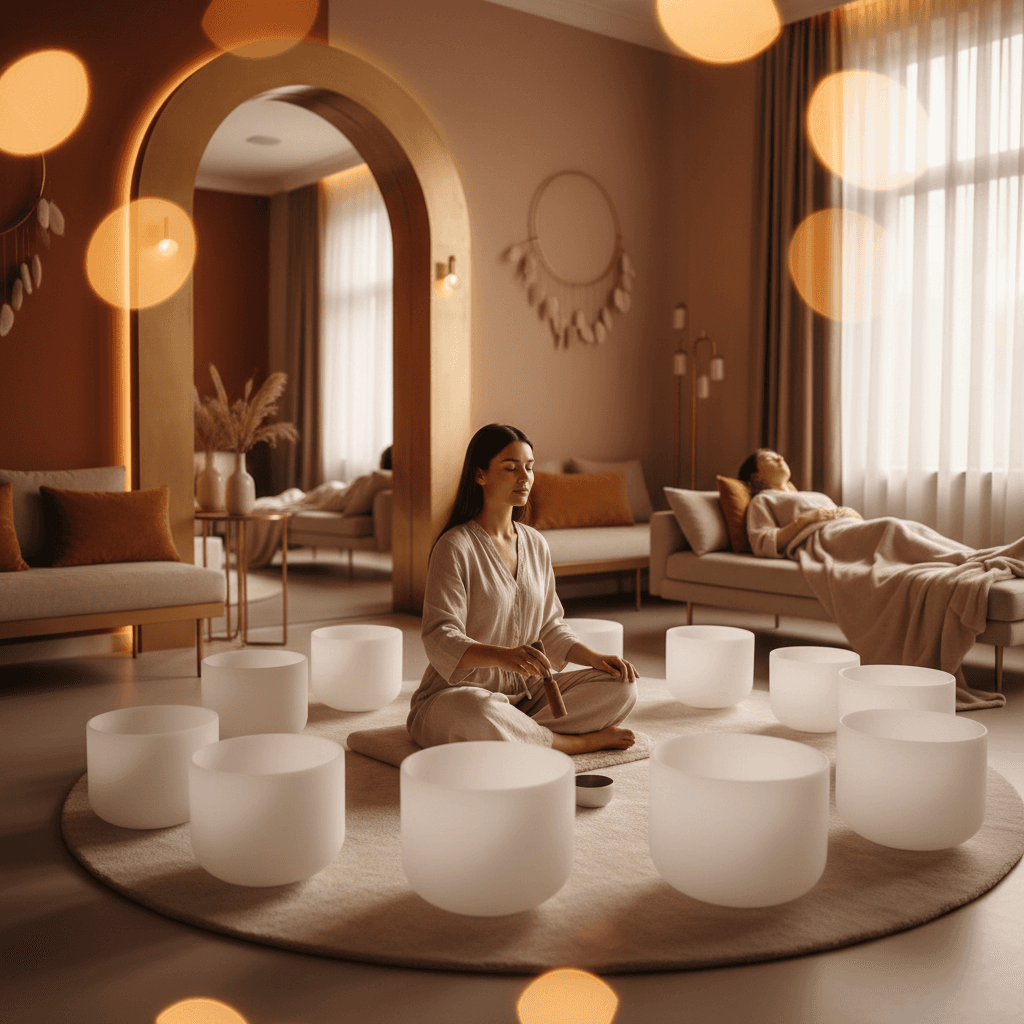
Imagine lying comfortably on a mat, perhaps a soft blanket draped over you, in a serene, dimly lit space. The air is still, perhaps infused with a subtle, calming aroma. Then, the sounds begin. It’s not music in the traditional sense, but a carefully curated tapestry of resonant frequencies. You might first hear the gentle, sustained hum of a large gong, its vibrations slowly building and then receding, washing over your entire being. This deep, rich tone resonates not just through your ears, but through the very cells of your body.
Crystal singing bowls, crafted from pure quartz, chime with pure, ethereal notes that seem to float in the air. Each bowl is tuned to specific frequencies associated with different energy centers or states of being. The sound waves intermingle, creating harmonic overtones that can feel both deeply soothing and subtly invigorating. As the session progresses, the soundscape may evolve, incorporating the delicate tinkling of chimes, the earthy pulse of a hand drum, or the focused resonance of tuning forks applied near the body.
Clients often describe a feeling of weightlessness or a sensation of gentle internal massage as the sound waves permeate their system. Thoughts, which might have been racing with post-career worries or lingering performance anxieties, gradually begin to slow and dissipate. The nervous system, accustomed to high alert, gradually downshifts, allowing the body and mind to enter a state of deep rest, akin to a meditative trance. This isn't about "doing" anything; it's about "receiving" and allowing the carefully crafted sound frequencies to guide you into a state of profound calm. It’s a powerful self-care practice for stress management.
The Soul Art Approach: Larissa Steinbach's Unique Harmony
At Soul Art Dubai, Larissa Steinbach has meticulously crafted a unique approach to sound wellness, specifically designed to meet the holistic needs of individuals, including those navigating significant life transitions like athlete retirement. Her methodology is rooted in a blend of ancient wisdom and contemporary understanding of sound's physiological effects, delivered with an unparalleled level of personal attention and sophistication.
Larissa's expertise lies in her intuitive ability to select and combine instruments to create bespoke sound journeys. She utilizes a diverse array of resonant tools, including large planetary gongs, singing bowls made from various materials (crystal, Himalayan metal), tuning forks, chimes, and other vibrational instruments. Each instrument is chosen not just for its acoustic properties, but for its specific energetic qualities, allowing Larissa to tailor the experience to the individual’s immediate needs – whether that’s deep emotional release, nervous system recalibration, or a sense of grounding and clarity.
What makes the Soul Art method unique is its emphasis on the intention behind the sound. Larissa believes that sound is a powerful carrier of intention, and she imbues each session with a focus on facilitating healing, transformation, and self-discovery. This intentionality, combined with the pure frequencies of the instruments, helps create an environment where athletes can safely explore their new identities, process complex emotions, and find renewed purpose beyond their sporting careers. She offers a compassionate space where the "in-between" social status many athletes experience—still perceived as an athlete yet trying to assume other identities (Opensportssciencesjournal.com)—can be gently explored and reconciled.
Under Larissa Steinbach's guidance, Soul Art provides more than just a sound bath; it offers a profound, immersive experience tailored to support the psychological, emotional, and energetic shifts inherent in career transition. It's a holistic wellness practice that recognizes the athlete as a whole person, beyond their achievements.
Your Next Steps: Embracing a Harmonious Transition
Navigating the transition from professional sport requires a proactive and holistic approach. While there is no single solution, integrating self-care practices can significantly ease the journey. Here are some actionable steps you can take today to support your own harmonious transition:
- Prioritize Mental Health: Acknowledge that the emotional and identity shifts are real and valid. Consider connecting with a mental wellness professional or coach who specializes in athlete transition. Sound wellness can be a valuable complementary practice to support emotional regulation.
- Cultivate New Interests and Identities: Actively explore passions and skills beyond your sport. Education and vocational planning are instrumental in gaining post-career employment and developing a new sense of purpose (Uni Global Union, Olympics.com). Engage in activities that bring joy and a sense of accomplishment outside of athletic performance.
- Nurture Your Support Network: Maintain contact with a mixed group of friends from both sport and non-sport related fields. Family and friends are often the major source of support during this transition (Uni Global Union). Open communication about your experiences can strengthen these vital relationships.
- Re-establish a Healthy Routine: While intense training may be over, establishing new routines for physical activity, mindful eating, and restorative sleep is crucial. Sound wellness can significantly aid in improving sleep quality and reducing overall stress, helping to anchor your new daily rhythm.
- Explore Complementary Wellness Practices: Consider incorporating practices like meditation, mindfulness, or sound wellness into your routine. These tools may support nervous system regulation, reduce anxiety, and foster greater self-awareness as you redefine your identity and navigate your next chapter.
Soul Art is still in preparation. Session details and booking will be published here after launch.
Bookings Coming Soon
Soul Art is still in preparation. Session details and booking will be published here after launch.
Coming Soon
In Summary
Retirement from sport marks a significant and often challenging life transition, impacting an athlete's identity, mental health, and social connections. The profound shift demands a holistic approach to wellbeing, extending beyond traditional support structures. Sound wellness, as offered by Larissa Steinbach at Soul Art Dubai, provides a powerful complementary practice. By gently guiding the nervous system into deep relaxation, it may support emotional regulation, stress reduction, and the cultivation of a new, grounded sense of self. This unique approach can be an invaluable ally for athletes seeking to navigate their post-career journey with greater peace, clarity, and renewed purpose.
Related Articles
Optimizing Athletic Performance: The Synergy of Sports Nutrition and Sound Wellness
Archery, Stillness, and Sound: Soul Art's Path to Focus
Swimming's Secret Weapon: Sound for Peak Aquatic Performance