Trauma-Informed Sound Therapy: Safety & Healing Protocols

Key Insights
Explore trauma-informed sound therapy's safety protocols at Soul Art Dubai, ensuring deep, gentle healing for nervous system regulation with Larissa Steinbach.
Have you ever considered that the very sounds we perceive could hold the key to gently unlocking deep-seated trauma and promoting profound healing? For many, the concept of engaging with sound after experiencing a psychologically overwhelming event might seem counterintuitive, perhaps even intimidating. Yet, for countless individuals, the right sound environment, carefully curated with trauma-informed principles, may support a transformative journey towards nervous system regulation and emotional well-being.
At Soul Art Dubai, founded by the visionary Larissa Steinbach, we understand that true healing begins with safety and trust. This article delves into the intricate science and compassionate practices that define trauma-informed sound therapy, exploring the vital safety protocols that ensure a restorative, empowering experience. You’ll learn how specific frequencies and intentional facilitation can support the body’s innate capacity for self-regulation, offering a complementary path to holistic wellness and stress management.
The Science Explained
Trauma, as defined by the American Psychological Association (APA), is any disturbing experience resulting in significant fear, helplessness, dissociation, or confusion, intense enough to have a long-lasting negative effect on a person's functioning. Such experiences can profoundly alter our physiology, reshaping the brain and nervous system in ways that impact how we feel, think, and behave. Understanding these underlying mechanisms is crucial for developing safe and effective wellness practices.
The Autonomic Nervous System and Trauma
The Autonomic Nervous System (ANS) is the master controller of our involuntary bodily functions, mediating everything from digestion and respiration to endocrine balance and neurochemical responses. It operates through two main branches: the sympathetic, responsible for "fight or flight" responses, and the parasympathetic, which governs "rest and digest" states. When an individual experiences trauma, their ANS can become dysregulated, often getting stuck in a chronic state of heightened alert or even a freeze response.
This persistent state of defense can manifest as anxiety, hypervigilance, difficulty with emotional control, and a reduced capacity for social engagement. The body’s physiological feedback loop of defense becomes ingrained, making it challenging for survivors to feel safe and relaxed, even when no immediate threat is present. Addressing this physiological dysregulation is a cornerstone of trauma-informed approaches, as treating symptoms without understanding their functional value does not fully address the problem.
The Vagus Nerve and Sound
Central to ANS regulation is the vagus nerve, the longest cranial nerve, which plays a critical role in connecting the brain to many vital organs, including the heart, lungs, and digestive system. Its influence on vagal tone, a measure of vagus nerve activity, directly impacts our ability to self-soothe, manage stress, and engage socially. Higher vagal tone is associated with greater resilience and emotional flexibility.
Preliminary studies suggest that specific auditory stimulation, particularly within the frequency range of the human voice, may support the activation and regulation of the vagus nerve. This is a key principle behind protocols like the Safe and Sound Protocol (SSP), which has demonstrated outcomes in promoting symptom reduction and treatment progress for various mental health conditions. By gently stimulating these neural networks, sound therapy may help to improve autonomic regulation and enhance vagal tone, fostering a greater sense of calm and safety within the body.
Neural Pathways and Auditory Processing
Our auditory system is intricately linked to emotional processing centers in the brain. The SSP, for example, is designed to interrupt the physiological feedback loop of defense by stimulating the neural networks associated with listening. It utilizes algorithmically filtered music focused on the frequency range of the human voice, which is evolutionarily linked to safety and social connection.
This specialized auditory input may promote improvements in hearing sensitivity, emotional control, and receptive language, ultimately fostering more positive social behaviors and spontaneous speech. Research involving adults with trauma, adolescents with conditions like Ehlers-Danlos Syndrome, and even older adults with Parkinson’s Disease has indicated a potential for such protocols to enhance various physiological and neurological functions. The brain, though impacted by trauma, remains flexible, and healing is indeed possible through targeted, gentle interventions.
The Role of Felt Safety
The concept of felt safety is paramount in trauma-informed care. It’s not just about objective safety, but the subjective experience of feeling secure and protected. For trauma survivors, a simple sound or sensation can act as a trigger, transporting them back to the traumatic event. These triggers can be subtle, auditory, visual, or kinesthetic, and their impact can be profound.
Therefore, any wellness practice engaging the senses, especially hearing, must be meticulously designed to cultivate felt safety. This involves a deep understanding of individual sensitivities, a commitment to client empowerment, and a meticulous environment where every element, from lighting to the practitioner’s presence, contributes to a sense of calm and predictability. This foundational principle ensures that sound therapy becomes a resource for resilience, rather than a source of distress.
How It Works in Practice
Translating the scientific understanding of trauma and sound into a practical wellness experience requires a meticulous approach, particularly when focusing on safety protocols. At Soul Art, we bridge this gap by designing immersive sound journeys that prioritize the client's well-being above all else. This involves creating a meticulously crafted environment and implementing specific techniques that empower individuals and promote self-regulation.
Creating the Sanctuary
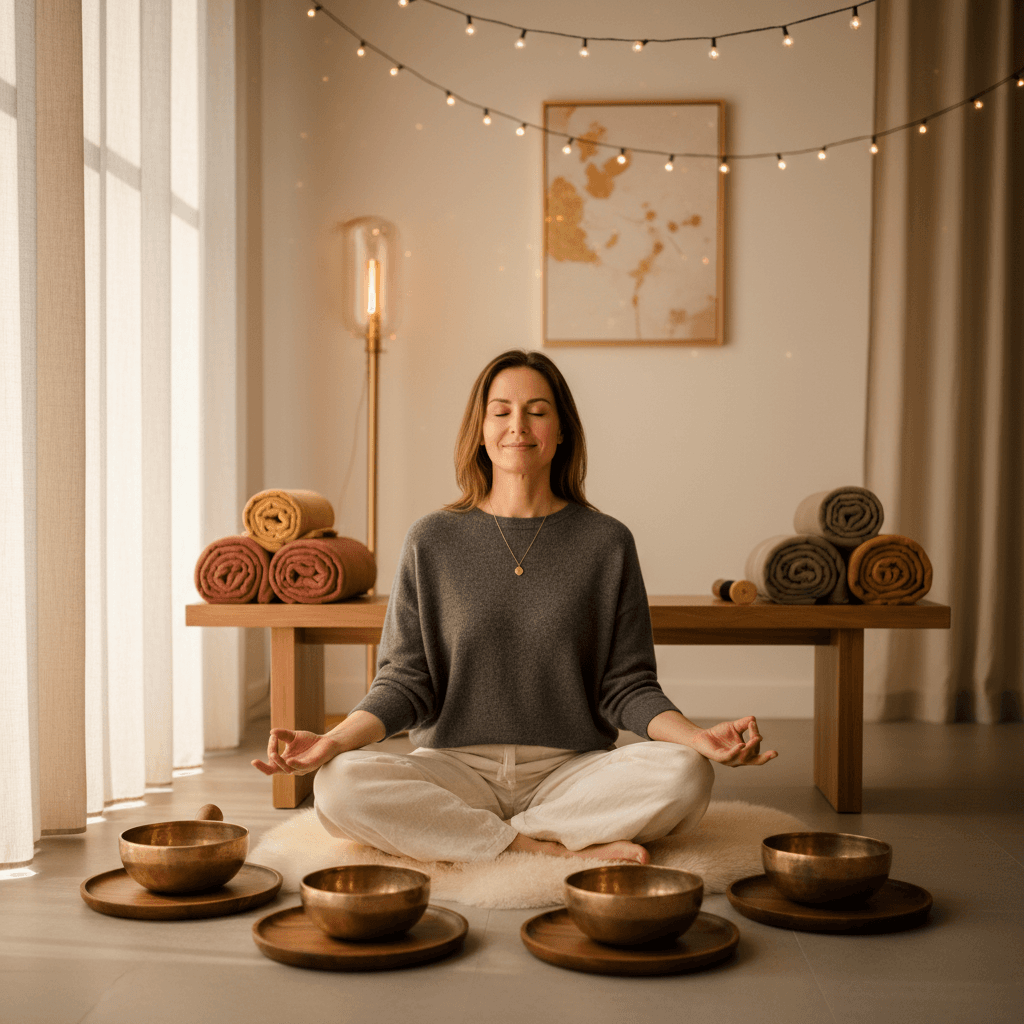
The physical space itself serves as the first layer of safety. At Soul Art, our studio is designed to be a true sanctuary – a tranquil oasis away from the bustling energy of Dubai. We pay careful attention to ambient lighting, temperature, and overall aesthetics, ensuring a calming and inviting atmosphere. Every cushion, every blanket, every scent is chosen to evoke comfort and serenity, minimizing potential external triggers.
Crucially, the energetic integrity of the space is also maintained through intentional practices. This helps to establish a sense of psychological safety even before the sound journey begins. Validating a client's past experiences and establishing trust and safety are consistently the first steps in any trauma-informed approach.
The Power of Gentle Facilitation
The practitioner’s role is central to a trauma-informed sound experience. Larissa Steinbach and her team at Soul Art are trained not just in sound mastery, but in the nuanced art of empathetic, trauma-sensitive facilitation. This means asking "what happened to you?" rather than "what's wrong with you?", fostering a non-judgmental space where clients feel seen, heard, and understood.
Our facilitators practice active listening and attunement, continuously observing for subtle cues of discomfort or overwhelm. They guide sessions with a gentle, invitational approach, always offering choices and never imposing an experience. This collaborative stance ensures that clients remain in control, which is vital for those who may have experienced situations where their autonomy was compromised.
Personalized Sound Journeys and Pacing
No two trauma journeys are alike, and therefore, no two sound therapy sessions should be identical. At Soul Art, we emphasize personalized sound journeys. This begins with a thorough intake process where client histories, sensitivities, and intentions are carefully discussed. Based on this understanding, the soundscape is thoughtfully curated, selecting specific instruments, frequencies, and intensities.
Pacing is a non-negotiable safety protocol. Sound is introduced gradually and gently, allowing the client's nervous system ample time to adjust and integrate the experience. Sessions are never rushed, and there are always built-in opportunities for breaks, grounding exercises, or silent reflection. Clients are empowered to signal if they need an adjustment at any point, reinforcing their agency and control over the experience.
"True healing isn't about rushing to 'fix' what's broken; it's about creating a safe, spacious container where the body and mind can remember their innate capacity for wholeness."
The Sensory Experience
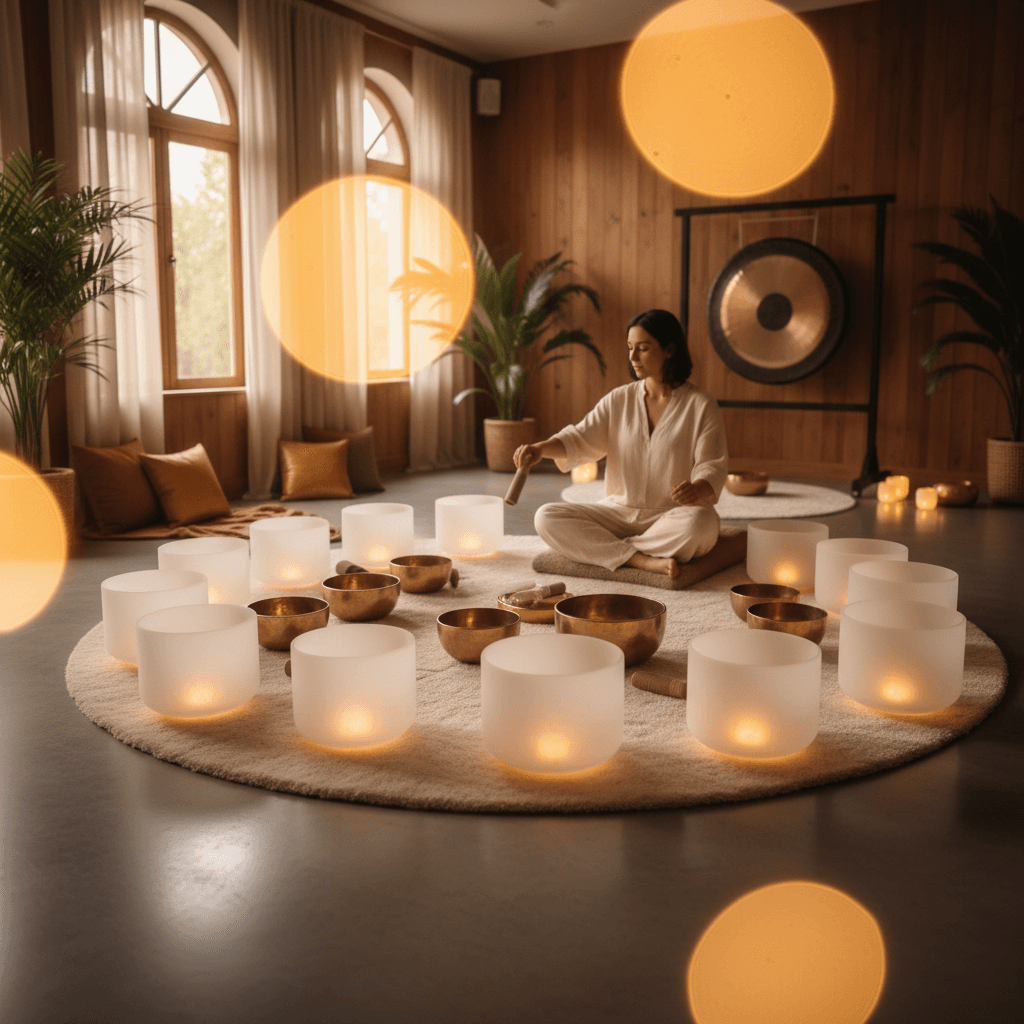
The actual sound experience is a multi-sensory immersion, carefully designed to be both profound and profoundly safe. Clients typically lie down comfortably, enveloped in soft blankets. Sounds from various instruments – crystal singing bowls, Himalayan singing bowls, gongs, chimes, and sometimes the human voice – are introduced. These sounds are not just heard but felt, as vibrations gently ripple through the body, promoting deep relaxation.
The frequencies are chosen for their calming properties and their potential to encourage the brain into states conducive to rest and repair. For instance, lower frequencies may support grounding, while specific higher tones might facilitate release. The overall composition is always designed to be harmonious and non-jarring, creating a sonic landscape that encourages the nervous system to shift from a state of defense to one of ease and openness, without forcing or overwhelming the system.
The Soul Art Approach
Larissa Steinbach founded Soul Art with a deep commitment to holistic wellness, particularly for those seeking profound restoration in a world often marked by stress and trauma. Her vision for Soul Art extends beyond mere relaxation; it's about creating a unique space in Dubai where individuals can safely explore the transformative power of sound, guided by expertise and compassion.
Larissa Steinbach's Vision and Philosophy
Larissa's philosophy is rooted in the belief that the body holds an incredible capacity for self-healing, and that sound can act as a gentle yet powerful catalyst for this process. She understands that while trauma can alter the brain and nervous system, the brain remains flexible, and healing is indeed possible. This perspective informs every aspect of Soul Art’s offerings, focusing on empowering clients to connect with their inner resources for well-being.
Her approach integrates scientific understanding with intuitive wisdom, recognizing that both objective protocols and subjective experience are vital for a truly trauma-informed practice. Larissa emphasizes the importance of presence, attunement, and respect for individual journeys, ensuring that each client feels genuinely supported and honored.
Tailoring for Trauma-Informed Care
What makes the Soul Art method truly unique in the realm of sound wellness is its unwavering dedication to trauma-informed care principles. We go beyond simply playing beautiful sounds; we create a structured yet flexible framework that prioritizes safety, trust, choice, collaboration, and empowerment.
Our intake process is comprehensive, designed to gather essential information about a client's history and sensitivities without being intrusive. During sessions, facilitators employ techniques like "checking in" frequently, offering options for adjustments, and teaching simple grounding exercises. We emphasize that clients are always in charge of their experience, fostering a sense of agency that is often critical for trauma survivors. This deliberate approach ensures that sound therapy remains a resource for gentle self-discovery and nervous system regulation.
Instruments, Frequencies, and Intent
At Soul Art, a carefully curated collection of instruments forms the foundation of our sound journeys. This includes:
- Crystal Singing Bowls: Known for their pure, resonant tones that can entrain brainwaves into meditative states.
- Himalayan Singing Bowls: Offering earthy, grounding vibrations that are deeply felt within the body.
- Gongs: Used strategically for their powerful, immersive vibrations, always introduced with extreme care and sensitivity to avoid overwhelm.
- Chimes and Other Percussion: Providing delicate, ethereal accents that can uplift and soothe.
- The Human Voice: Larissa and her team sometimes use gentle vocal toning and chanting, focusing on frequencies that may resonate with the vagus nerve and promote a sense of secure attachment.
Every sound, every frequency, is chosen with deliberate intent – to create a coherent, harmonious soundscape that promotes relaxation, balances energy, and supports the body’s natural healing processes. The focus is always on creating a safe and inviting sonic environment, ensuring that the profound vibrational experience serves as a gentle guide, never a force. This intentionality, combined with the stringent safety protocols, underpins the effectiveness and unique quality of Soul Art's offerings.
Your Next Steps
Embarking on a journey of trauma-informed sound wellness is a powerful act of self-care. It's a testament to your resilience and commitment to a more peaceful, regulated existence. Here are some practical steps you can consider to integrate these principles into your life and explore their benefits:
- Practice Mindful Listening: Start by simply noticing the sounds around you. Can you discern specific frequencies or textures? Observe how different sounds impact your mood or body without judgment. This builds auditory awareness.
- Seek Informed Practitioners: When considering any sound wellness experience, ensure the practitioner explicitly articulates their trauma-informed approach and safety protocols. Ask questions about their training and how they create a safe environment.
- Prioritize Choice and Agency: Remember that you are always in control. If a sound experience feels overwhelming or uncomfortable, it's perfectly okay to ask for it to stop or adjust. Your comfort and safety are paramount.
- Explore Gentle Soundscapes: Begin with gentle, calming sounds. This could be soft nature sounds, classical music, or ambient tracks specifically designed for relaxation. Notice how your nervous system responds.
- Integrate Grounding Techniques: Combine sound listening with simple grounding practices, such as deep breathing or focusing on physical sensations. This can help anchor you if any intense emotions arise during a sound experience.
By taking these steps, you empower yourself to explore the immense potential of sound as a complementary approach to stress management and holistic wellness. At Soul Art, we are here to guide you with compassion and expertise, offering a sanctuary where you can safely rediscover your inner harmony.
In Summary
Trauma-informed sound therapy at Soul Art offers a uniquely gentle yet profound path to well-being, prioritizing safety, trust, and empowerment above all else. By understanding how trauma impacts the autonomic nervous system and utilizing specific sound frequencies, particularly those that may support vagal nerve regulation, we create an environment where healing and nervous system balance are encouraged. Larissa Steinbach and the Soul Art team meticulously design each session, ensuring personalized experiences, gradual pacing, and a space where clients feel seen and respected. It’s a complementary approach to holistic wellness, inviting you to connect with your innate capacity for peace and self-regulation.
Bookings Coming Soon
Soul Art is still in preparation. Session details and booking will be published here after launch.
Coming Soon
Wellness Disclaimer: This article is for educational and informational purposes only. It does not constitute medical advice, diagnosis, or treatment. Soul Art Dubai provides non-medical wellness experiences focused on relaxation, stress management, and general wellbeing. Sound wellness is a complementary practice and should not replace professional medical care.