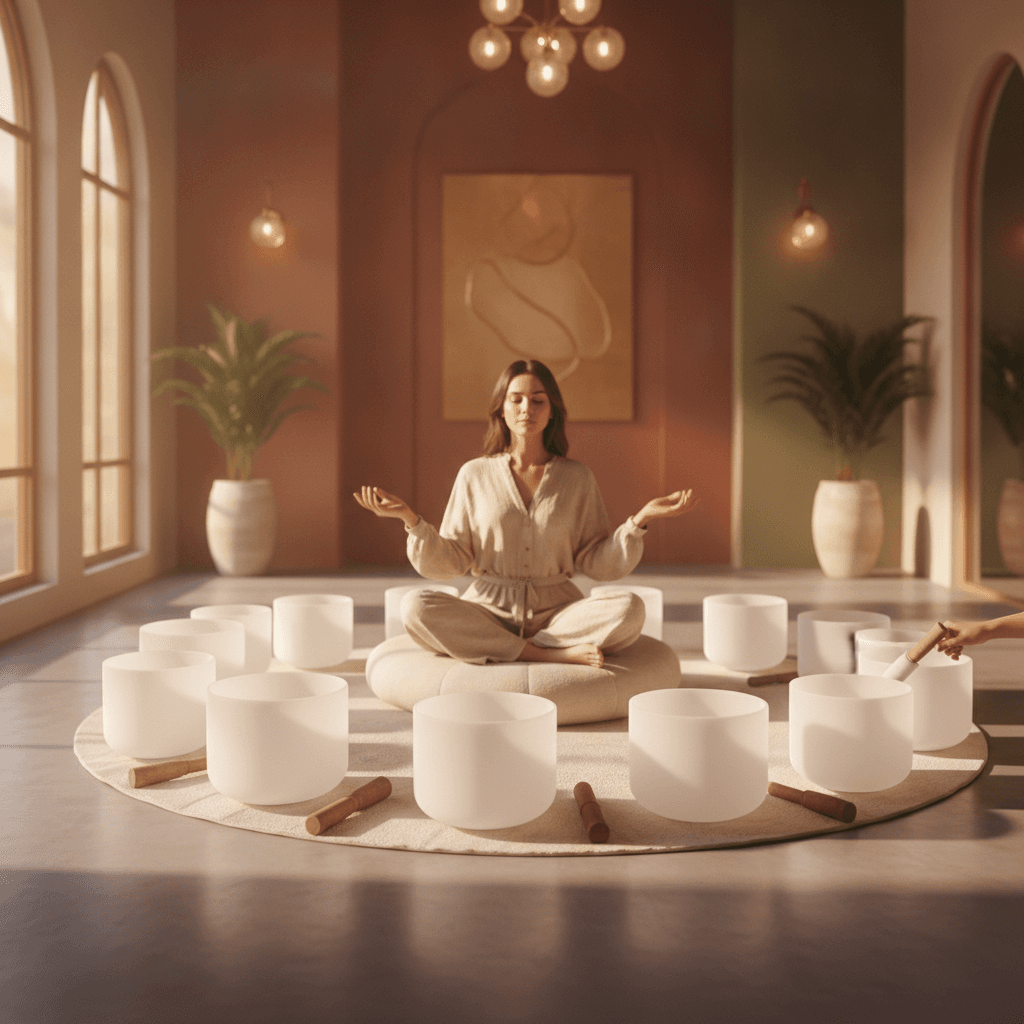
Trauma-Informed Sound Bath Design: A Path to Nervous System Nurturing at Soul Art
Key Insights
Explore how Soul Art, led by Larissa Steinbach, pioneers trauma-informed sound bath design for profound nervous system regulation, offering a safe path to well-being in Dubai.
Unlocking Inner Peace: The Power of Trauma-Informed Sound Baths
Have you ever considered that the gentle resonance of a singing bowl could offer a profound pathway to healing, especially for a nervous system navigating the aftermath of stress or trauma? In our fast-paced world, the subtle yet powerful influence of sound on our physiological and psychological states is gaining significant scientific recognition. This growing understanding forms the bedrock of an innovative approach to wellness: trauma-informed sound bath design.
At Soul Art, Dubai's premier sound wellness studio, we believe that true relaxation and nervous system regulation emerge from an environment of utmost safety and respect. Under the visionary guidance of founder Larissa Steinbach, we delve into the intricate science behind sound healing, meticulously crafting experiences that not only soothe the senses but also gently support the body's innate capacity for self-regulation, particularly for those who have experienced heightened stress or trauma. This article will unveil the compelling science, practical application, and unique philosophy behind Soul Art's commitment to trauma-informed sound wellness.
Understanding this specialized approach can revolutionize your perception of self-care. It offers a gentle, non-verbal method to reconnect with your body, foster emotional balance, and cultivate a deeper sense of internal steadiness. Join us as we explore how intentional soundscapes, when mindfully designed, can become a sanctuary for your nervous system.
The Science Explained: Resonating with Resilience
The burgeoning field of sound wellness is no longer just an ancient practice; it is increasingly validated by modern neuroscience and physiological research. Studies from esteemed institutions such as UCLA, Stanford University, and the University of California San Diego are shedding light on precisely how vibrations from instruments like singing bowls and gongs create measurable changes in our brains and bodies. This understanding forms the core of trauma-informed sound bath design, ensuring that every session is not just relaxing but also deeply supportive and safe for the nervous system.
The Neuroscience of Resonance: Brainwave Entrainment
Our brains are constantly producing electrical activity, which can be measured in wave patterns corresponding to different states of consciousness. These brainwave states, ranging from rapid beta waves during alertness to slow delta waves during deep sleep, dictate our experience of the world. High-stress beta waves are often associated with anxiety and an agitated mind.
Sound healing tools, particularly binaural beats and the complex overtone frequencies of singing bowls, have been shown to influence brain activity. Using EEG technology, researchers have observed that exposure to specific frequencies can shift brainwaves from these high-stress beta states into calmer alpha or theta states. This process, known as brainwave entrainment, is associated with profound relaxation, enhanced creativity, and a significant reduction in anxiety. A recent review highlighted several underlying mechanisms, including the impact of binaural beats from multiple singing bowl frequencies influencing brainwaves.
This shift creates an internal environment conducive to healing and rest, allowing the brain to move away from vigilant, survival-oriented patterns. For individuals with trauma, this gentle guidance towards calmer brainwave states is crucial, offering a non-pharmacological pathway to nervous system regulation without requiring conscious effort or verbal processing.
The Symphony Within: Hormonal & Physiological Harmony
The impact of sound vibrations extends far beyond the brain, influencing the body's entire physiological landscape. When we experience stress, our bodies release cortisol, often referred to as the "stress hormone." Elevated cortisol levels are linked to anxiety, poor sleep, and chronic inflammation, perpetuating a cycle of unease.
Multiple studies indicate that sound therapy can lead to a significant decrease in cortisol levels, often within a single session. Simultaneously, research suggests an increase in beneficial neurochemicals like serotonin, which contributes to improved mood, and oxytocin, known for its role in fostering feelings of connection and safety. This hormonal rebalancing supports the body in shifting from a "fight-or-flight" response to a "rest-and-digest" state.
Furthermore, the subtle vibrations from sound healing instruments, particularly Tibetan singing bowls, have been shown to impact heart rate variability (HRV). HRV is a key indicator of nervous system resilience; higher variability often suggests a healthier, more adaptable nervous system. A strong relaxation effect has been discovered when these vibrational instruments are played, indicating a positive influence on HRV and promoting deep physiological calm. The body's biofield, a subtle energy field surrounding us, is also thought to change due to the impact of these gentle, resonant vibrations.
Gentle Release: Sound and the Nervous System
For individuals who have experienced trauma, the nervous system can become stuck in a state of hyperarousal or hypoarousal, making it difficult to feel safe or regulated. Sound offers a gentle, non-verbal, and non-invasive way to approach this delicate terrain. The calming effect of specific frequencies helps the brain settle, fostering a sense of safety and trust that is paramount for trauma recovery.
Preliminary studies indicate that low-frequency sound is being explored in somatic therapies to help reconnect body awareness, supporting trauma release without requiring direct verbal processing, which can sometimes be re-traumatizing. The physical vibrations of instruments can influence how the brain perceives pain, offering a form of vibrational analgesia. This occurs through several mechanisms, including the gate control theory of pain, muscle relaxation, and a decrease in inflammation. A trial in the Journal of Evidence-Based Integrative Medicine reported a reduction in physical tension and pain following Tibetan bowl sound meditation, further highlighting its potential.
This ability of sound to gently coax the nervous system into a state of regulation makes it an invaluable complementary approach. It allows individuals to gradually re-pattern their stress responses, build resilience, and move towards a greater sense of internal peace.
How It Works in Practice: The Embodied Experience of Safety
Translating the intricate science of sound healing into a practical, supportive experience is where trauma-informed design truly shines. A sound bath is far more than just listening to beautiful music; it is an immersive, somatic experience where sound becomes a medium for internal exploration and nervous system regulation. When designed with an understanding of trauma, it transforms into a profound container of safety and empowerment.
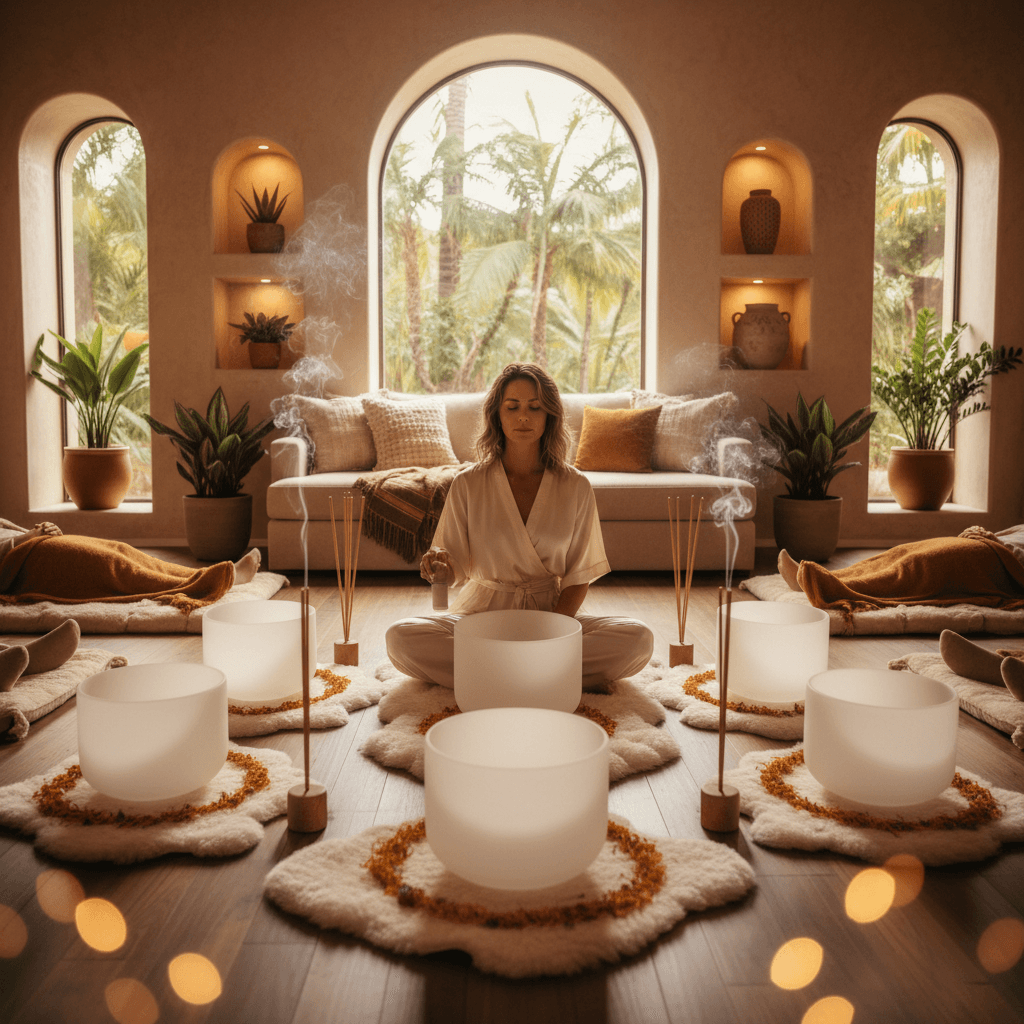
Clients entering a trauma-informed sound bath at Soul Art are met with an atmosphere deliberately curated to evoke a sense of calm and control. The environment is warm, inviting, and free from sudden surprises or overwhelming stimuli. Before any sounds begin, a clear explanation of the process is provided, emphasizing that participation is always invitational and choice-based. This foundational principle of consent is critical, ensuring that individuals feel agency over their experience, which is particularly important for those who have felt a lack of control in the past.
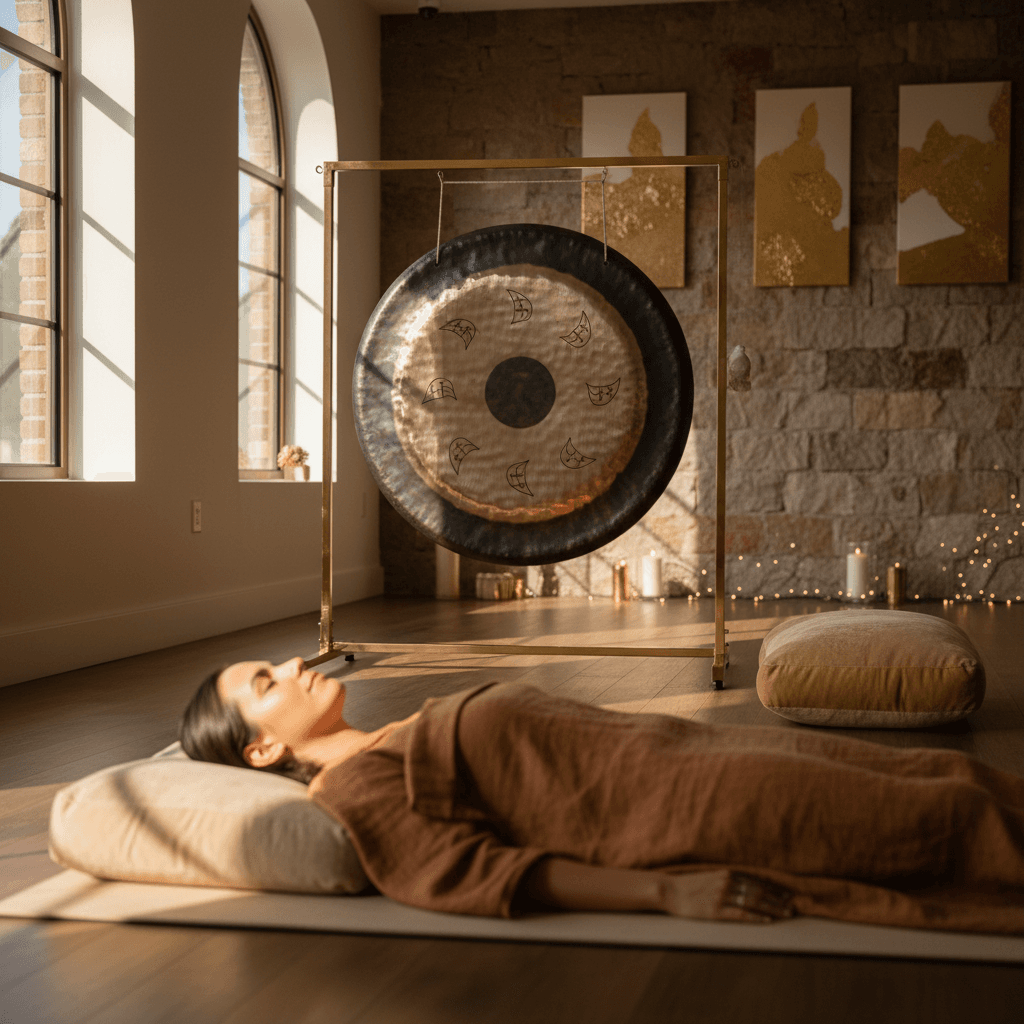
As the sound bath commences, the practitioner skillfully orchestrates vibrations from various instruments—singing bowls, gongs, chimes, and other harmonic tools. The experience is not about a performance, but about creating a resonant field. These sounds wash over and through the body, not just the ears. Clients often describe feeling gentle internal vibrations, a profound sense of grounding, and a gradual release of physical tension. The frequencies are intentionally varied and introduced with care, allowing the nervous system ample time to adjust and integrate the sensations.
"In a truly trauma-informed sound bath, the absence of expectation becomes as healing as the presence of sound itself. It is a space where simply being is enough, allowing the nervous system to gently unfurl at its own pace."
This non-verbal interaction bypasses the cognitive defenses that can sometimes hinder traditional talk-based therapies. Instead, the body is invited to respond directly to the calming frequencies. The brain's shift into alpha or theta states facilitates a deep meditative experience, where self-reported stress levels may significantly decrease, as suggested by quasi-experimental studies. Many people report an improved mood, a reduction in anxiety, and a feeling of being more connected and alive in their body, fostering a deeper sense of internal steadiness and presence.
The Soul Art Approach: Larissa Steinbach's Vision for Nurturing Resonance
At Soul Art, Larissa Steinbach has meticulously developed a distinctive approach to sound wellness that places trauma-informed principles at its very core. Her vision extends beyond mere relaxation, aiming to create profound and lasting shifts in nervous system regulation and overall well-being. This commitment to safety, intentionality, and individualized care defines the Soul Art experience.
Larissa's method is founded on the understanding that each individual's journey is unique, especially when navigating stress and past experiences. Therefore, every sound bath is approached with a deep sense of empathy and responsiveness. The design of the session is never rigid; instead, it is fluid and adaptive, attuned to the subtle cues and needs of the participants. This bespoke quality ensures that the sounds and vibrations introduced are supportive and nurturing, rather than potentially overwhelming.
Key to the Soul Art method is the careful selection and masterful playing of instruments. Larissa utilizes a curated collection of high-quality instruments, including authentic Himalayan singing bowls, crystal singing bowls, resonant gongs, therapeutic chimes, and tuning forks. Each instrument is chosen for its specific vibrational qualities and its potential to facilitate gentle brainwave entrainment and physiological harmony. The way these instruments are played is just as crucial, with a focus on creating a cohesive and deeply resonant soundscape that encourages deep relaxation and nervous system release.
Furthermore, Soul Art emphasizes creating a truly safe container. This means not only a physically comfortable space but also a psychological one, where trust and empowerment are paramount. Larissa ensures that clear invitations are given, never demands, and that clients always have the freedom to adjust their position, open their eyes, or simply observe, without judgment. This choice-based participation is a cornerstone of trauma-informed practice, allowing individuals to reconnect with their body's inherent wisdom and capacity for self-regulation. By integrating somatic awareness into the experience, Larissa Steinbach guides clients to gently observe sensations, promoting a deeper connection to their internal landscape and fostering greater resilience.
Your Next Steps: Embracing Sound for Your Well-being
Integrating trauma-informed sound wellness into your life can be a transformative journey towards greater peace and resilience. Whether you're seeking to manage chronic stress, gently process emotional wounds, or simply find a deeper state of relaxation, there are actionable steps you can take today. Remember, the goal is to create a supportive environment for your nervous system to rest and regulate.
Here are a few practical insights to guide your exploration:
- Prioritize Safety and Consent: When seeking a sound bath practitioner, look for those who explicitly state a trauma-informed approach. Inquire about their methodology, emphasizing choice, consent, and a focus on nervous system regulation. Your comfort and sense of agency are paramount.
- Start Gently and Observe: If you're new to sound baths, begin with shorter sessions or listen to introductory sound meditations at home. Pay attention to how your body and mind respond, allowing yourself to slowly acclimate to the experience. Many people report initial shifts in mood and reduced physical tension.
- Create Your Own Sound Sanctuary: Even simple acts like listening to calming music, humming, or gentle toning can influence your brainwaves and promote relaxation. Explore different frequencies and rhythms that resonate with you, creating a personal oasis of auditory comfort.
- Combine with Other Practices: Sound wellness can be beautifully integrated with other self-care practices. Consider combining it with gentle movement, mindful breathing, or restorative yoga to enhance its grounding and regulatory effects on your nervous system.
- Listen to Your Body's Wisdom: Remember that your body is your best guide. If a sound or vibration feels overwhelming, it is always your right to adjust or step away. A trauma-informed approach honors this innate self-preservation instinct, encouraging you to tune into your own needs above all else.
Ready to explore the profound potential of trauma-informed sound wellness in a supportive, expert-led environment? Discover how Larissa Steinbach and the team at Soul Art are setting the standard for nervous system nurturing in Dubai.
Bookings Coming Soon
Soul Art is still in preparation. Session details and booking will be published here after launch.
Coming Soon
In Summary: A Path to Embodied Resilience
The integration of scientific understanding with empathetic, trauma-informed principles offers a powerful new frontier in wellness. Sound bath design, when approached with meticulous care, provides a gentle yet profound pathway to nervous system regulation, stress reduction, and emotional balance. By influencing brainwave states, harmonizing physiological responses, and fostering a deep sense of safety, sound becomes a catalyst for embodied resilience.
Larissa Steinbach's pioneering work at Soul Art exemplifies this commitment, creating a sanctuary where every sound bath is an invitation to profound healing and self-discovery. Through intentional design, carefully selected instruments, and a foundational emphasis on choice and consent, Soul Art guides individuals towards a deeper connection with their inner steadiness. Embrace the frequency of well-being and allow the resonant power of sound to nurture your nervous system back to harmony.
Wellness Disclaimer: This article is for educational and informational purposes only. It does not constitute medical advice, diagnosis, or treatment. Soul Art Dubai provides non-medical wellness experiences focused on relaxation, stress management, and general wellbeing. Sound wellness is a complementary practice and should not replace professional medical care.
Related Articles
Beyond Hearing: Sound Waves & Your Body's Inner Boundaries at Soul Art
Breath Holding & Sound: Releasing Guarded Patterns at Soul Art Dubai
Reclaim Vitality: Soft Sound Practices for Fatigue & Collapse