Trauma-Informed Screening: Enhancing Sound Wellness Safety
Key Insights
Discover how trauma-informed screening at Soul Art Dubai ensures safe, effective, and deeply transformative sound wellness experiences.
A Deeper Harmony: Trauma-Informed Screening Before Sound Therapy Sessions
In our fast-paced world, many of us carry unseen burdens, silent echoes of past experiences that subtly shape our present. These experiences, often described as trauma, can profoundly impact our nervous system, making true relaxation and healing elusive. When seeking solace in practices like sound wellness, it's crucial that the approach is not only effective but also deeply compassionate and safe.
This is precisely why trauma-informed screening is not merely an optional step but a foundational pillar of ethical and impactful sound wellness. It ensures that the very act of seeking support doesn't inadvertently trigger past distress, but instead fosters an environment of trust, empowerment, and genuine restoration. At Soul Art, Dubai's premier sound wellness studio, founded by Larissa Steinbach, this commitment to trauma-informed care is at the heart of every session.
This article delves into the scientific rationale behind trauma-informed approaches and explains why a thoughtful, empathetic screening process is paramount before embarking on a sound wellness journey. We will explore how this mindful approach minimizes the risk of re-traumatization, enhances engagement, and ultimately paves the way for a more profound and lasting sense of well-being. Understanding these principles empowers you to make informed choices for your holistic health.
The Science Explained: Why a Trauma-Informed Lens Matters
Trauma, in its many forms, fundamentally alters how individuals perceive safety, relate to others, and regulate their emotions. These deep-seated impacts mean that conventional wellness approaches, even those intended to be supportive, can inadvertently become sources of distress if not delivered with sensitivity. A trauma-informed approach acknowledges this reality, shifting the focus from "what's wrong with you?" to "what happened to you?".
Understanding Trauma's Imprint on the Nervous System
Trauma frequently diminishes a person's sense of self-worth and self-belief, often eroding their faith in others and in authority figures. The body’s innate protective mechanisms, honed by distressing experiences, can remain on high alert, making true relaxation difficult to access. This heightened state means that new experiences, particularly those involving vulnerability or unfamiliar sensations, can easily activate a fear response.
Traditional therapeutic or wellness approaches that require individuals to recount distressing experiences from the outset can inadvertently reactivate this fear. This often leads to people feeling overwhelmed or withdrawing from care altogether. Research underscores that healthcare services are significantly less likely to cause re-traumatisation when they adopt trauma-informed approaches compared with standard care. This critical distinction highlights the importance of creating a safe container for all wellness practices.
Core Principles of Trauma-Informed Care
Trauma-informed care is built upon a framework designed to counteract the isolating and disempowering effects of trauma. A key tenet is that people are given real choices and control over their treatment. This autonomy is vital, especially for individuals who may have experienced situations where their control was stripped away. Active efforts are made to lessen any cues that could trigger the pain of past trauma, fostering an environment where individuals can engage without constant apprehension.
Studies have shown that reducing these triggers leads to measurable drops in trauma symptoms and distress during treatment. Furthermore, there is evidence of improved retention in therapy, alongside symptom improvement, because people are more engaged in their therapeutic process when they feel safe and respected. Trauma-informed clinicians understand that it is counterproductive to begin with detailed exposure to difficult experiences if someone cannot regulate distress yet. Instead, they prioritize introducing grounding and stabilisation skills to build internal tolerance and capacity.
Effective trauma-informed contexts also emphasize building trust, avoiding pathologizing language, demonstrating authentic empathy, and maintaining a lack of judgment. Honesty, transparency, collaboration, and active listening are also paramount. These elements are especially critical for trauma survivors who may have experienced being objectified or treated inhumanly, where a clinician appearing "cold" or an "administrative gatekeeper" can deeply compound trauma, leaving people feeling like "a case" rather than a valued individual.
The Therapeutic Power of Sound for Nervous System Regulation
Sound wellness, particularly through practices like sound baths, works by influencing the brain and body at a fundamental level. Different sound frequencies and vibrations can gently guide the nervous system away from its overactive "fight or flight" response and into a more relaxed parasympathetic state. This shift is crucial for fostering deep rest and self-repair.
Research suggests that sound vibration may increase brainwave coherence and support emotional processing, potentially contributing to improved mood and emotional stabilization. Gongs, bowls, and harmonic drones are known to induce deep relaxation, which can help interrupt rumination and negative thought loops that often accompany trauma. Several studies indicate that sound therapy can lead to significant hormonal shifts, including a decrease in cortisol levels (the "stress hormone") and an increase in serotonin and oxytocin (neurotransmitters associated with well-being and bonding).
Crucially, low-frequency sound is being utilized in somatic therapies to help reconnect body awareness and support trauma release without requiring direct verbal processing of difficult experiences. This aspect is particularly beneficial for individuals who may find verbal recounting overwhelming. Sound wellness offers a complementary pathway to engage the body’s innate capacity for self-regulation, building tolerance and emotional flexibility in a gentle, non-intrusive manner.
How It Works in Practice: Bridging Science with Experience
Integrating trauma-informed principles into the practice of sound wellness transforms a simple relaxation technique into a deeply supportive and safe journey. It recognizes that each individual arrives with a unique history and sensitivities, which must be honoured to create a truly beneficial experience.
The Screening Process: More Than Just Questions
At its core, trauma screening involves a process of compassionate evaluation to determine whether an individual has experienced trauma and if they display symptoms related to that exposure. It is not about proving that actual maltreatment occurred, but rather understanding an individual’s potential sensitivities and needs. This initial step helps practitioners determine the necessity of conducting a more in-depth, comprehensive assessment to tailor the experience.
The most successful initial consultations are those where the practitioner communicates their humanity, building trust from the very first interaction. This includes prioritising building rapport, using non-pathologizing language, and demonstrating genuine empathy and a lack of judgment. When individuals feel that someone has the power to decide whether or not help is received, initial assessments can feel like a pivotal, "make or break" moment, making the practitioner’s approach incredibly impactful. For trauma survivors, a cold or administrative approach can echo past experiences of being objectified or disregarded.
Creating a Sanctuary: The Client Experience
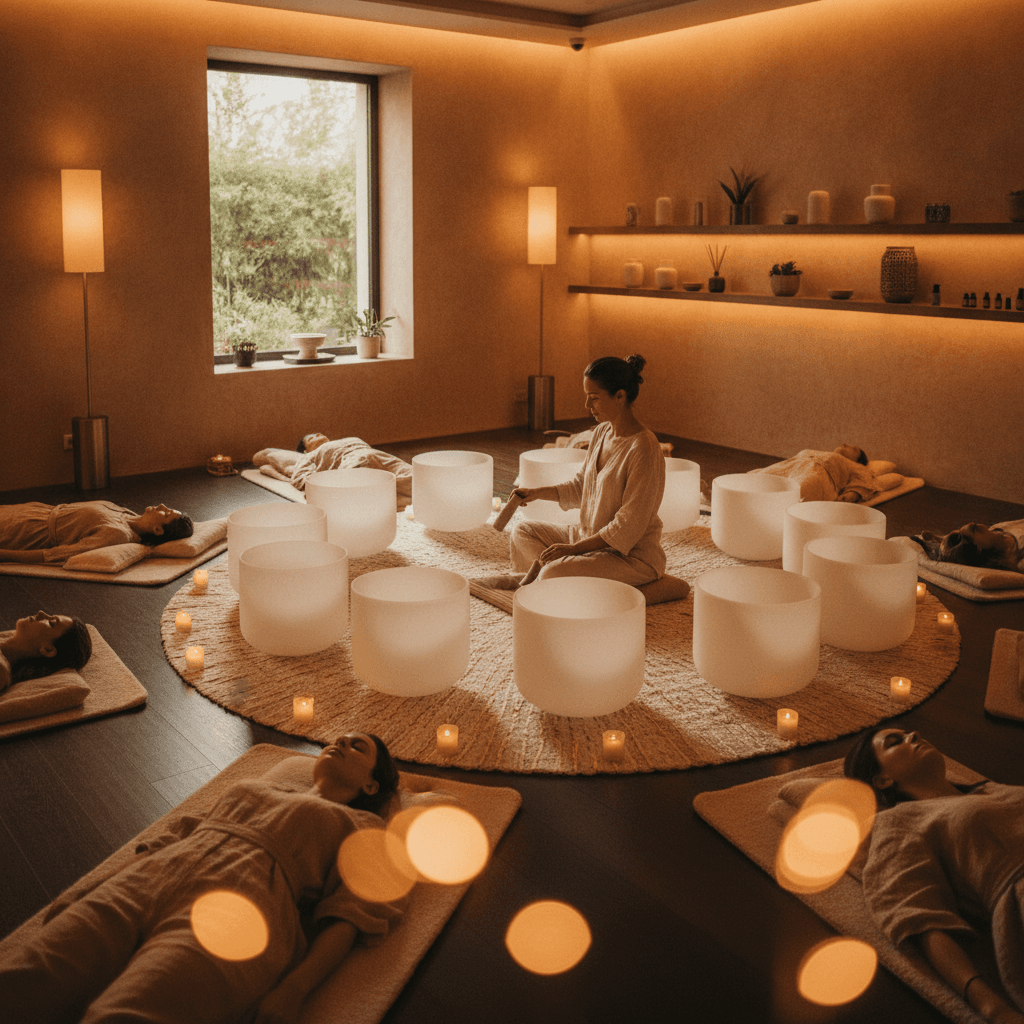
Once the initial screening is complete, the focus shifts to creating an environment where individuals feel completely safe, supported, and in control. This means an intentional design of the physical space, soundscape, and facilitation style. The studio environment is crafted to be calming, predictable, and free from potential triggers. Gentle lighting, comfortable seating, and clear communication about what to expect contribute to a sense of ease.
During the session, the practitioner’s role is to facilitate, not to dictate. Sounds are introduced gradually, allowing individuals ample time to acclimate to the vibrations and self-regulate as needed. Clients are empowered with choices: whether to lie down or sit, adjust their proximity to instruments, or even pause the session at any point. This emphasis on autonomy and control directly counteracts the disempowering experiences often associated with trauma.
Sensory details are carefully managed; the volume and intensity of sounds are adjusted based on individual responses and preferences, ensuring the experience feels nurturing rather than overwhelming. The practitioner maintains an empathetic and transparent presence, consistently demonstrating non-judgment and active listening. This holistic approach ensures that the sound wellness session becomes a sanctuary—a space where the nervous system can gently release tension, find grounding, and rediscover its natural rhythm, all within a framework of profound safety and respect.
The Soul Art Approach: Larissa Steinbach's Vision for Conscious Sound Wellness
At Soul Art, Larissa Steinbach has meticulously cultivated an environment where the power of sound meets the profound wisdom of trauma-informed care. Her approach is rooted in a deep understanding of the human condition and the intricate workings of the nervous system, ensuring that every sound journey is not only beautiful but also deeply supportive and safe.
Larissa's philosophy is centred on building authentic trust and empowering each individual. Before any sound session, Soul Art implements a thoughtful and sensitive intake process that serves as our trauma-informed screening. This isn't an interrogation, but a compassionate conversation designed to understand your unique history, comfort levels, and any potential sensitivities. We inquire about past experiences in a gentle manner, without pressure to disclose explicit trauma details, focusing instead on how you best experience relaxation and what makes you feel safe.
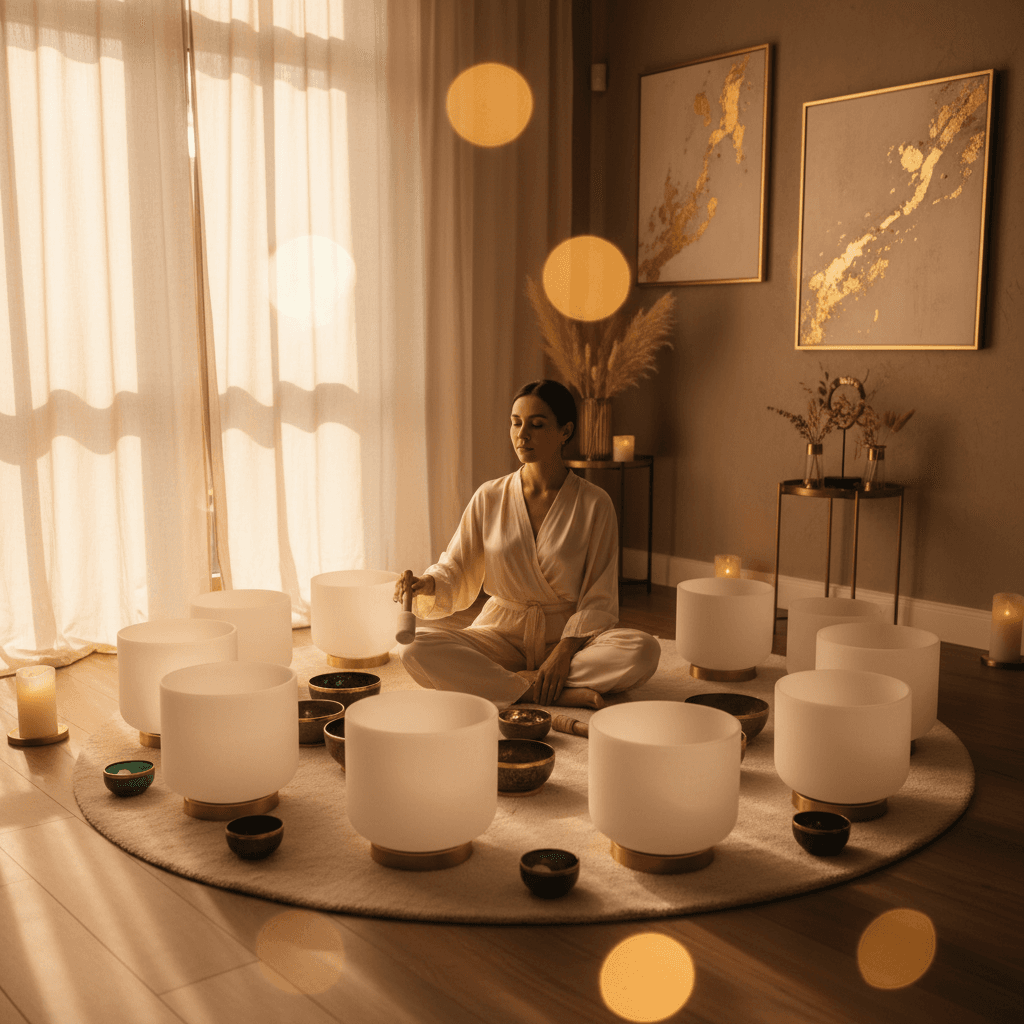
This initial assessment allows us to create truly tailored treatment plans. Larissa and her team carefully select specific instruments—be it the grounding vibrations of gongs, the soothing tones of crystal singing bowls, or the rhythmic pulses of drums—and adjust the intensity, duration, and arrangement of sounds to resonate with your individual needs. This personalized evaluation aligns with research-supported methodologies, ensuring the most effective interventions for each person. For instance, if someone indicates a sensitivity to loud or sudden sounds, the session is meticulously crafted to be gentle and gradual, prioritizing comfort and fostering a sense of predictable calm.
What truly makes the Soul Art method unique is its unwavering commitment to empowerment and choice. Throughout your session, you are consistently invited to listen to your body and communicate your comfort levels. You have the autonomy to adjust your position, request a pause, or even modify the soundscape if something feels uncomfortable. This constant emphasis on collaboration and client agency reinforces a sense of control, which is incredibly therapeutic for anyone, particularly those with a history of trauma.
The studio environment itself at Soul Art is meticulously designed to be a haven of tranquility and safety, free from potential triggers. Every detail, from the ambient lighting to the carefully curated aroma, contributes to a space where you can surrender to the sounds with confidence and ease. Larissa Steinbach and her practitioners also prioritize introducing grounding and stabilization skills as foundational elements, helping to build tolerance and foster internal resilience so you can fully engage with the transformative potential of sound.
"True healing begins when we feel truly seen, heard, and safe enough to simply be. At Soul Art, we believe sound wellness must first create this sacred container of trust." - Larissa Steinbach
This comprehensive, client-centred approach ensures that your journey at Soul Art is not just a session but a profound experience of self-discovery, nervous system regulation, and deep, unburdened relaxation.
Your Next Steps: Embarking on Your Journey with Conscious Care
Choosing a sound wellness studio that prioritizes a trauma-informed approach is a powerful step towards ensuring your well-being. This mindful selection can make a significant difference in how deeply you can relax, integrate your experiences, and ultimately benefit from the practice. Here are some actionable steps to guide you:
- Seek Out Trauma-Informed Practitioners: Look for studios and practitioners, like Soul Art with Larissa Steinbach, who explicitly state their commitment to trauma-informed care and can articulate how they integrate these principles into their practice. Don't hesitate to ask questions about their screening process and approach to client safety.
- Communicate Openly and Honestly: Before your session, share any concerns or sensitivities you might have with your practitioner. You don't need to delve into explicit details of past trauma unless you feel comfortable, but simply stating your need for a gentle approach or sensitivity to certain stimuli is incredibly helpful.
- Prioritize Your Comfort and Autonomy: During a session, remember that you are always in control. If a sound feels too intense, or if you need a moment, communicate this to your practitioner. A truly trauma-informed environment will always honour your boundaries and choices.
- Start with Gentle Beginnings: If you're new to sound wellness or have concerns, consider beginning with a shorter, more intimate session or a private consultation. This allows you to slowly acclimate to the sounds and build trust with your practitioner at your own pace.
- Integrate Grounding Practices: Learn and utilize simple grounding techniques, such as focused breathing or sensing your feet on the floor, both before and after your sound wellness sessions. These practices can help anchor you and integrate the profound experiences sound can offer.
By taking these conscious steps, you empower yourself to engage with sound wellness in a way that truly supports your nervous system, fosters deep relaxation, and prevents re-traumatization. We invite you to experience the difference a truly trauma-informed approach makes at Soul Art.
In Summary: Cultivating Deep Well-being Through Conscious Care
The journey to profound well-being is deeply personal, and for many, it involves navigating the subtle imprints of past experiences. As we have explored, integrating trauma-informed screening into sound wellness practices is not just a best practice; it is an essential component of creating truly safe, effective, and deeply transformative experiences. This approach minimizes the likelihood of re-traumatization, fosters enhanced client engagement, and promotes deeper nervous system regulation.
By prioritizing principles of safety, choice, collaboration, and trust, studios like Soul Art, under the discerning leadership of Larissa Steinbach, offer a sanctuary where the ancient art of sound can truly harmonize with modern understanding of mental and emotional health. When sound wellness is delivered with this level of conscious care, it becomes a powerful complementary approach for stress management, relaxation, and holistic self-care. We invite you to experience the frequency of well-being, enveloped in an environment designed for your utmost comfort and profound restoration.
Bookings Coming Soon
Soul Art is still in preparation. Session details and booking will be published here after launch.
Coming Soon
Wellness Disclaimer: This article is for educational and informational purposes only. It does not constitute medical advice, diagnosis, or treatment. Soul Art Dubai provides non-medical wellness experiences focused on relaxation, stress management, and general wellbeing. Sound wellness is a complementary practice and should not replace professional medical care.
Related Articles
Navigating Sound Wellness: Evidence-Based Questions for Practitioners

Soul Art: Integrating Science, Ritual, and Safety for Well-being
Sound Baths: Accessible Comfort for Older Adults at Soul Art