Navigating Sound Wellness with Epilepsy: A Soul Art Guide to Safe Practices
Key Insights
Explore sound wellness for epilepsy with Soul Art's Larissa Steinbach. Learn precautions, scientific insights, and safe practices for holistic well-being.
A Harmonious Path: Sound Wellness and Epilepsy – Precautions and Boundaries
Imagine a sanctuary where stress melts away, replaced by profound calm, achieved through the gentle embrace of sound. For many, sound wellness offers this transformative experience, fostering deep relaxation and supporting overall well-being. However, for individuals living with epilepsy, the journey into complementary practices like sound wellness requires a thoughtful, informed, and cautious approach.
Epilepsy is far more than just seizures; it often brings with it significant psychological distress, impacting an individual's physical, social, and mental health (Alabi et al., 2023). While sound wellness is not a medical treatment, it serves as a powerful tool for stress management and fostering a sense of peace, which can be invaluable in navigating the multifaceted challenges associated with the condition (Pandey et al., 2020).
At Soul Art, founded by Larissa Steinbach, our mission is to provide an exquisite and safe haven for well-being. This article delves into the potential complementary role of sound wellness for individuals with epilepsy, emphasizing essential precautions, scientific underpinnings, and the responsible boundaries that ensure a nurturing experience. We aim to empower you with knowledge, ensuring that any engagement with sound wellness is a positive and informed step towards holistic self-care.
The Science of Sound and Neurological Well-being
Sound is an ancient and profound force, capable of eliciting powerful responses within the human body and mind. Our neurological system is exquisitely tuned to vibrations, and various sound frequencies can have distinct effects on our brainwave patterns, influencing our states of consciousness and physiological responses. Understanding this intricate relationship is key to appreciating the potential benefits and necessary precautions of sound wellness for everyone, especially those with specific health considerations.
The Brain's Response to Sound
The journey of sound begins as vibrations enter the ear, transforming into electrical signals that travel to the auditory cortex in the brain. From there, these signals spread to other crucial areas, including the limbic system, which governs emotions, memory, and arousal. This widespread neurological engagement explains why sound can evoke such a rich tapestry of feelings and physical sensations.
Specific sound frequencies and rhythms have been associated with changes in brainwave activity, a phenomenon known as brainwave entrainment. For example, soothing, repetitive sounds, often found in sound wellness practices, may encourage the brain to shift from beta waves (associated with alertness and problem-solving) to alpha waves (linked to relaxed awareness) and even theta waves (associated with deep meditation and restorative sleep). This shift can promote a profound state of relaxation.
The vagus nerve, a crucial component of the parasympathetic nervous system, also plays a significant role. Gentle vibrations and resonant tones may stimulate the vagus nerve, initiating the body's "rest and digest" response. This can lead to a reduction in heart rate, blood pressure, and the release of stress hormones like cortisol, fostering an environment conducive to healing and deep rest.
Epilepsy and its Multifaceted Impact
Epilepsy is a chronic neurological disorder characterized by recurrent, unprovoked seizures, affecting millions worldwide. While the physical manifestations of seizures are often the most visible aspect, the condition’s impact extends far beyond these episodes. Individuals with epilepsy frequently experience higher levels of psychological distress, including anxiety and depression, which significantly affect their overall quality of life (Alabi et al., 2023).
The unpredictable nature of seizures can lead to feelings of uncertainty, social stigma, and challenges in employment and daily activities (Pandey et al., 2020). It is crucial to remember that epilepsy is only one aspect of a person’s identity and should not define them, fostering a positive and matter-of-fact approach to discussing the condition can empower individuals and those around them (Wellness and Epilepsy Toolkit, 2019). Given these complex challenges, wellness practices that support emotional regulation and stress reduction become particularly valuable.
Complementary Approaches and Emerging Research
While medical treatment remains paramount for managing epilepsy, there is growing interest in complementary lifestyle interventions that may support overall well-being. Research suggests that certain lifestyle changes, such as yoga, mindfulness, exercise, music therapy, and dietary adjustments, could positively influence the lives of people with epilepsy (Proceedings of the 2022 “Lifestyle Intervention for Epilepsy (LIFE..." conference). These practices often aim to reduce stress, improve sleep, and enhance mood, all factors that can indirectly support seizure management and quality of life.
Music therapy, a structured intervention, has specifically been explored for its therapeutic potential in various neurological conditions. The brain's inherent ability to process and respond to music, even in individuals with epilepsy, highlights a natural connection. Preliminary studies indicate that the brains of people with epilepsy "feel the music," suggesting a capacity for therapeutic engagement through auditory means (Integrated Listening Systems). This underscores the potential for sound-based practices to positively impact neurological and emotional states.
It is vital to distinguish between general sound wellness practices and cutting-edge medical research involving sound. For instance, innovative research is exploring the use of specialized sound waves—specifically, ultrasound frequencies above the range of human hearing—to deliver medication to targeted areas of the brain to stop seizure activity (CURE Epilepsy, 2022). This involves a device connected to the patient's head and drug-containing liposomes injected into the bloodstream, which are activated by these high-frequency sound waves. This groundbreaking approach represents a future medical treatment for seizures and is entirely distinct from the sound baths and vibrational therapy offered in a wellness studio setting. Our focus at Soul Art remains on promoting relaxation and well-being through ambient, audible sound, not medical intervention.
The Neurological Basis of Relaxation
The primary goal of sound wellness is to induce a state of deep relaxation, and this has tangible neurological benefits. When the body enters a relaxed state, the parasympathetic nervous system becomes dominant, counteracting the "fight or flight" response of the sympathetic nervous system. This shift reduces physiological arousal, lessening muscle tension, slowing respiration, and promoting a sense of calm.
Regular engagement in relaxation techniques, including sound wellness, may help to modulate the stress response over time. This can be particularly beneficial for individuals with epilepsy, as stress is a known trigger for seizures in some people. By fostering consistent states of calm, sound wellness may indirectly support an individual's broader self-management strategies and improve coping mechanisms for daily stressors.
It's important to frame these benefits within the context of wellness and complementary practices. Sound wellness is a tool for stress reduction and personal well-being, not a substitute for medical treatment or a direct intervention for epilepsy. However, by helping to manage psychological distress and promoting relaxation, it may support a better quality of life for those living with the condition.
Experiencing Sound Wellness: A Practical Insight
A sound wellness session at Soul Art is designed to be an immersive and deeply relaxing experience, a journey into tranquility guided by resonant frequencies. For clients, it offers a respite from the external world, allowing them to reconnect with their inner landscape. Understanding the practical application of sound for well-being helps clarify what to expect and how to approach it safely, especially for individuals with epilepsy.
The Atmosphere and Sensory Journey
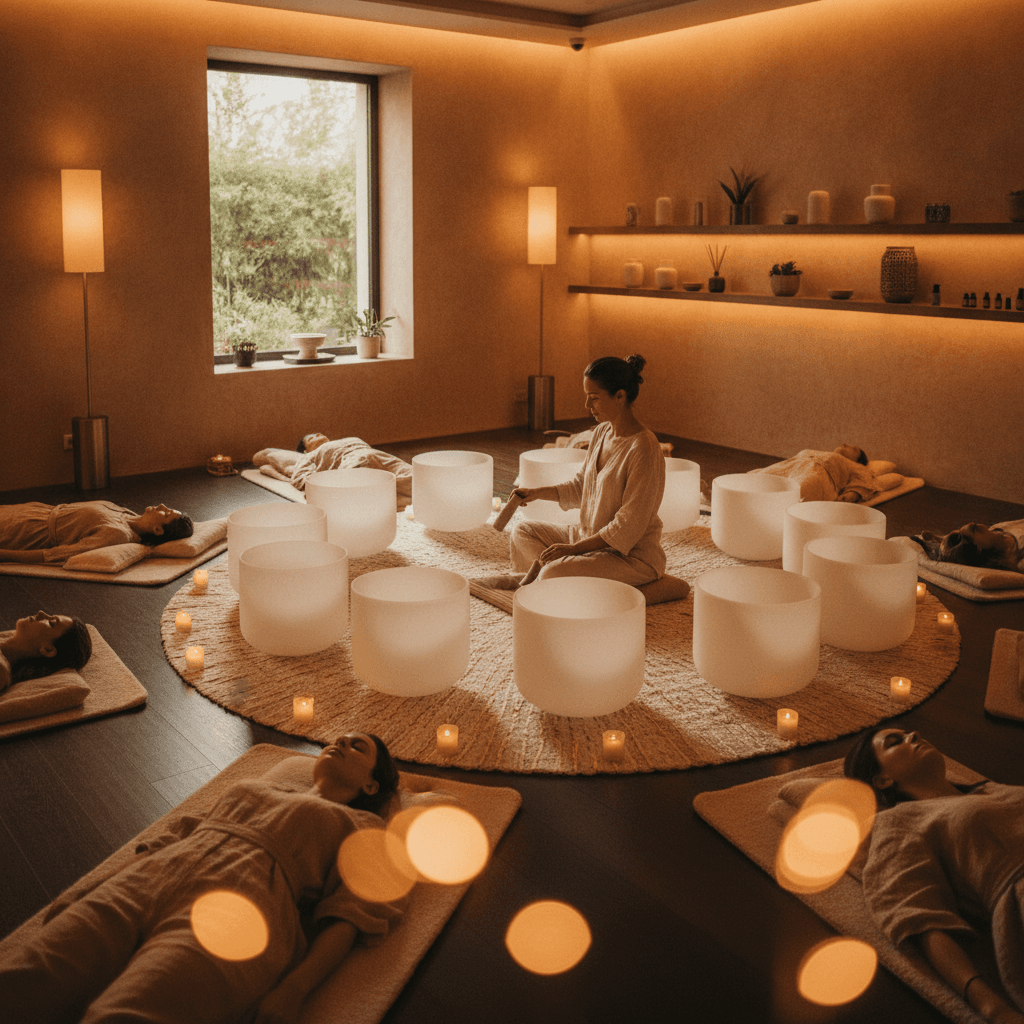
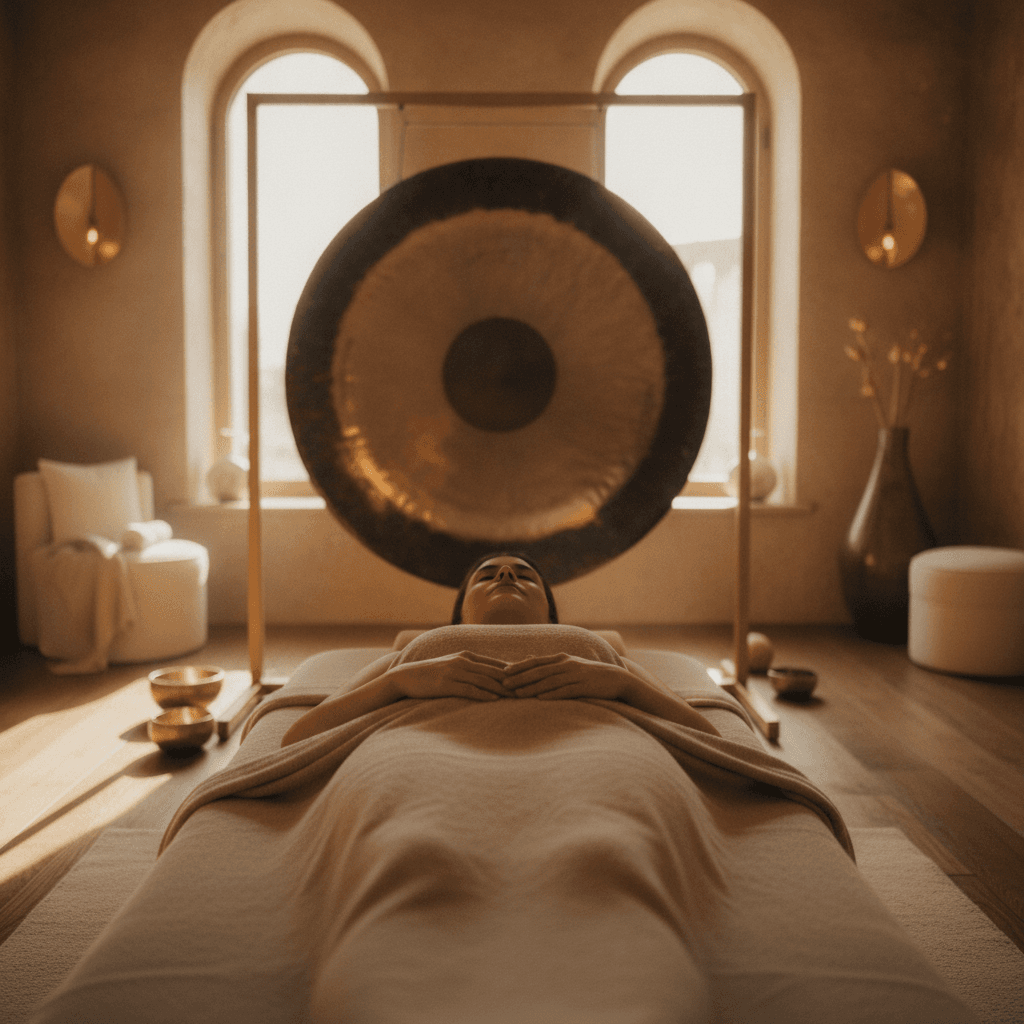
Upon entering a Soul Art sound wellness session, clients step into a carefully curated environment designed for comfort and sensory harmony. The space is often dimly lit, adorned with soft textures, and prepared to create a serene, womb-like atmosphere. Participants typically recline comfortably on mats, covered with blankets, allowing their bodies to fully relax and receive the vibrational experience.
The core of the experience lies in the live orchestration of various resonant instruments. Crystal singing bowls, made of pure quartz, produce ethereal, sustained tones that resonate deeply within the body. Himalayan singing bowls offer rich, earthy overtones, while gongs create powerful, sweeping soundscapes that can be both profoundly stimulating and deeply calming. Chimes, rain sticks, and other percussive instruments add layers of texture and subtle intricacies to the sonic tapestry.
As the sounds unfold, clients experience a profound sensory journey. The vibrations are not just heard; they are felt throughout the body, creating a subtle internal massage. Many people report a sense of tension melting away, a quietening of the mind, and a feeling of being enveloped in a comforting cocoon of sound. The rich, harmonic frequencies invite the brain into a meditative state, promoting mental clarity and emotional release.
Fostering a State of Relaxation
The primary objective of a sound wellness session is to facilitate profound relaxation and stress reduction. Through sustained tones and carefully chosen harmonies, the practitioner guides participants into a state where the nervous system can decompress and rebalance. This can be particularly beneficial for managing the chronic stress often associated with living with epilepsy.
"True well-being blossoms in spaces of intentional calm, where the mind can quiet, and the body can remember its innate capacity for peace."
Integrating gentle breathwork and guided meditation further enhances the experience, helping individuals to anchor themselves in the present moment. This focused attention diverts the mind from anxious thoughts and external distractions, allowing for deeper engagement with the healing vibrations. The uninterrupted, safe environment provided within a sound session is paramount, offering a sanctuary where individuals can feel secure and supported (Wellness and Epilepsy Toolkit, 2019).
For those with epilepsy, this fostered state of relaxation may indirectly help in managing psychological distress, a significant concern as highlighted by research (Alabi et al., 2023). By reducing overall stress and anxiety levels, sound wellness acts as a valuable complementary practice to support holistic well-being, working alongside medical management and other self-management programs.
Personalizing the Experience
A crucial aspect of responsible sound wellness, especially for individuals with specific health needs, is the personalization of the experience. Sound is potent, and its effects can vary greatly from person to person. At Soul Art, we believe in tailoring our approach to meet the unique requirements of each client.
This personalization begins with open communication before the session. For clients with epilepsy, it is vital to discuss their condition, seizure history, potential triggers, and any specific concerns they might have. The practitioner can then make informed adjustments to the session's dynamics, such as:
- Volume Control: Maintaining a moderate volume, avoiding sudden loud sounds or jarring crescendos that could be startling.
- Instrument Selection: Choosing instruments known for their gentle, sustained tones rather than intensely percussive or erratic sounds.
- Vibrational Intensity: Adjusting how close instruments are played to the body to manage direct vibrational impact.
- Duration and Pace: Modifying the length of the session or introducing more breaks to ensure comfort and prevent overstimulation.
The goal is always to create an environment that feels safe, nurturing, and conducive to deep relaxation, prioritizing the client's comfort and well-being above all else. This adaptable approach ensures that sound wellness remains a supportive and beneficial self-care practice for a diverse range of individuals.
The Soul Art Difference: Intentional Sound Wellness with Larissa Steinbach
At Soul Art, Dubai's premier sound wellness studio, our philosophy is deeply rooted in creating experiences that are not only deeply relaxing but also profoundly intentional and safe. Founded by Larissa Steinbach, our approach to sound wellness is distinguished by a blend of empathy, expertise, and a meticulous attention to individual client needs.
A Foundation of Empathy and Expertise
Larissa Steinbach, the visionary behind Soul Art, brings a wealth of knowledge and a compassionate heart to every session. Her philosophy centers on the understanding that true well-being is a holistic endeavor, encompassing mental, emotional, and physical harmony. Larissa's dedication to continuous learning in sound healing modalities, combined with her intuitive guidance, allows her to craft journeys that resonate deeply with each individual.
Her expertise extends beyond just playing instruments; it involves a deep understanding of resonance, frequency, and their subtle effects on the human nervous system. This allows Larissa to curate soundscapes that are not only beautiful but also therapeutically effective in promoting states of calm, restoration, and internal balance. Soul Art is more than a studio; it is a sanctuary built on the principles of conscious healing and empathetic support.
Crafting a Safe and Nurturing Environment
The paramount concern at Soul Art is the safety and comfort of every client. This is particularly crucial when working with individuals who have specific health conditions such as epilepsy. Larissa Steinbach emphasizes that sound wellness is a complementary wellness practice, not a medical treatment, and she is committed to upholding the highest standards of care and ethical practice.
Before any session, a thorough pre-session consultation is conducted. This detailed discussion allows Larissa to gather essential information about the client's medical history, current health status, and any specific concerns or sensitivities. For individuals with epilepsy, this consultation is an absolute requirement. It provides an opportunity to discuss their specific type of epilepsy, seizure triggers, and any advice or recommendations from their healthcare team.
This open dialogue ensures that Soul Art can adapt its offerings to create the most nurturing and appropriate experience possible. We prioritize informed consent, ensuring clients understand the nature of the sound wellness experience and the precautions taken. Our commitment is to foster an environment where clients feel heard, understood, and absolutely secure in their journey towards well-being.
Tailored Sound Journeys
Larissa Steinbach's method at Soul Art is characterized by its adaptability and personalization. Recognizing that each individual's journey is unique, she eschews a one-size-fits-all approach, especially when considering the nuances of conditions like epilepsy. Larissa carefully selects and orchestrates a diverse array of instruments, each chosen for its unique vibrational qualities and its ability to promote deep relaxation.
Our studio utilizes exquisite crystal singing bowls for their pure, resonant frequencies, Himalayan singing bowls for their rich, grounding tones, and gongs for their immersive, transformative soundscapes. Larissa expertly blends these instruments, creating harmonious compositions designed to guide the listener into profound states of tranquility. She can precisely control the volume, intensity, and tempo of the sound baths, ensuring that the experience is always gentle and supportive.
For clients with epilepsy, Larissa meticulously tailors the session to minimize potential triggers while maximizing the calming benefits. This might involve:
- Utilizing gentler instruments and avoiding highly percussive or sudden sounds.
- Maintaining a consistent, soothing flow rather than abrupt changes in volume or rhythm.
- Keeping sound levels moderate to prevent overstimulation.
- Ensuring a quiet and stable environment throughout the session.
This careful, adaptive approach underscores Soul Art's dedication to providing a mindful and beneficial self-care practice for all, always prioritizing the individual's safety and well-being. Larissa Steinbach believes that everyone deserves access to profound relaxation, and she strives to make that possible through thoughtful, expert guidance.
Empowering Your Wellness Journey: Next Steps for Individuals with Epilepsy
Embarking on any new wellness practice requires careful consideration, especially when managing a chronic condition like epilepsy. While sound wellness offers a beautiful pathway to relaxation and stress reduction, responsible engagement is paramount. At Soul Art, we empower our clients with the knowledge to make informed decisions for their well-being.
Prioritizing Your Safety and Well-being
Your health and safety are always the top priority. The journey towards holistic well-being is a partnership between you, your healthcare team, and your wellness practitioners. Making informed choices and taking necessary precautions are critical steps in this journey.
Here are essential next steps and considerations for individuals with epilepsy considering sound wellness:
- Consult Your Healthcare Team First: This is the most crucial step. Before participating in any sound wellness session, discuss it thoroughly with your neurologist or primary care physician. They can advise you on your specific safety risks, potential triggers, and whether sound wellness is a suitable complementary approach for you given your individual condition and seizure control (Wellness and Epilepsy Toolkit, 2019).
- Develop a Safety Plan: In collaboration with your healthcare provider, create a personal safety plan. This should include what activities you can safely engage in, any modifications needed, and what precautions you should take during wellness activities (Wellness and Epilepsy Toolkit, 2019).
- Communicate Openly with Your Practitioner: Inform your sound wellness practitioner, such as Larissa Steinbach at Soul Art, about your epilepsy, your medical advice, and any specific concerns before your session. This allows them to tailor the experience, adjust instruments, volume, and pacing to ensure your comfort and safety.
- Carry Medical Alert Information: Always keep your medical alert information with you. This should include details about your epilepsy, medications, and what to do if you have a seizure. This ensures that you are prepared for any unforeseen circumstances (Wellness and Epilepsy Toolkit, 2019).
- Start Slowly and Observe: If you decide to try sound wellness, begin with shorter sessions and pay close attention to how your body and mind respond. Everyone's experience is unique, and gradual exposure allows you to assess compatibility.
- Explore Self-Management Programs: Consider enrolling in evidence-based self-management programs designed for people with epilepsy. The Managing Epilepsy Well (MEW) Network offers programs like Project UPLIFT, which uses cognitive behavioral therapy and mindfulness to help with low mood or depression, and PACES in Epilepsy, focusing on self-management and emotional coping strategies (AESnet.org). These can provide robust support for living well with epilepsy.
Remember, this information is intended to provide general guidance about wellness practices and is not medical advice. Changes to your treatment or activities should only be made in consultation with your healthcare provider (Wellness and Epilepsy Toolkit, 2019). Soul Art is here to support your well-being journey within these responsible boundaries.
Bookings Coming Soon
Soul Art is still in preparation. Session details and booking will be published here after launch.
Coming Soon
In Summary: A Harmonious Path to Well-being
Sound wellness offers a profound complementary approach to stress reduction and overall well-being, providing a sanctuary of calm amidst life's demands. For individuals living with epilepsy, embracing such practices requires careful consideration, open communication with healthcare providers, and a commitment to personal safety. It is a wellness practice designed to support psychological well-being and foster relaxation, never a substitute for medical treatment.
At Soul Art, Larissa Steinbach and her team are dedicated to providing meticulously curated sound journeys within a safe, empathetic, and informed environment. By prioritizing client well-being, offering personalized sessions, and adhering to strict precautions, we ensure that the transformative power of sound can be accessed responsibly. We invite you to explore the potential of sound to enhance your quality of life, always in mindful partnership with your health journey.
Wellness Disclaimer: This article is for educational and informational purposes only. It does not constitute medical advice, diagnosis, or treatment. Soul Art Dubai provides non-medical wellness experiences focused on relaxation, stress management, and general wellbeing. Sound wellness is a complementary practice and should not replace professional medical care.
Related Articles
Navigating Sound Wellness: Evidence-Based Questions for Practitioners
Soul Art: Integrating Science, Ritual, and Safety for Well-being
Sound Baths: Accessible Comfort for Older Adults at Soul Art