Healing Deep Wounds: Sound for Trauma & Addiction's Root Causes

Key Insights
Explore how sound wellness at Soul Art, founded by Larissa Steinbach, offers a complementary path to address trauma's impact on addiction.
What if the path to breaking free from the cycles of addiction wasn't solely about willpower, but about healing a deeper, often unseen wound? For many, the insidious grip of addiction is inextricably linked to unresolved trauma, a profound emotional response to deeply distressing events. Understanding this intricate connection is the first step towards a more holistic and sustainable approach to well-being.
At Soul Art, Dubai's premier sound wellness studio, we believe in exploring complementary pathways that address the root causes of distress, fostering genuine healing from within. This article delves into the powerful relationship between trauma and addiction, and how the ancient yet scientifically validated practice of sound wellness, championed by our founder Larissa Steinbach, may support the journey towards profound nervous system regulation and inner peace. Discover how vibrational frequencies can offer a unique sanctuary, guiding the body and mind back to a state of balance and resilience.
The Intricate Dance: Trauma, the Brain, and Addiction
Trauma leaves an indelible mark, not just on our memories, but on the very architecture and functioning of our brains and bodies. It is an emotional response to a terrible event—such as an accident, violence, or prolonged abuse—that overwhelms an individual's psychological capacity to cope. This can lead to a cascade of biological and psychological changes that profoundly impact well-being.
The Echo of Trauma in the Body and Mind
When an individual experiences trauma, especially during formative years, it can alter the body’s stress response mechanisms and affect developing brain structures. Emerging research documents a significant relationship among traumatic events, impaired brain function, and altered immune system responses. The limbic system, which governs emotions, memory, and arousal, along with the hypothalamic-pituitary-adrenal (HPA) axis—our central stress response system—can become dysregulated. This can lead to variable cortisol levels and neurotransmitter imbalances.
Unresolved trauma often manifests as a constant state of alert, known as hyperarousal, making it difficult to sleep or relax. Individuals may experience pervasive feelings of powerlessness, fear, hopelessness, and isolation, alongside intense emotions like shame, guilt, and rage. These profound internal shifts are directly linked to various mental health challenges, including anxiety disorders, panic attacks, intrusive memories (flashbacks), and post-traumatic stress disorder (PTSD).
The Vicious Cycle: Trauma and Substance Use Disorders
The connection between trauma and substance use disorders (SUDs) is well-documented and alarmingly prevalent. Many individuals turn to substances as a desperate coping mechanism to numb the pain, quiet the intrusive thoughts, or escape the hyperarousal that trauma induces. Studies have found that substance use often develops following trauma exposure or the onset of PTSD in a high proportion of teens with substance abuse disorders. For example, following the September 11th, 2001 attacks, significant numbers of New York City residents increased their consumption of cigarettes, alcohol, and marijuana, with increases persisting months later.
This relationship is often bidirectional, creating a complex and challenging cycle. While trauma can lead to substance use, substance use disorders can also precede and increase the risk of experiencing trauma. For many adolescents, substance use disorders precede the onset of trauma exposure, as alcohol and drug use can lead to engagement in risky behaviors. These risky behaviors may result in harm to oneself or witnessing harm to others, perpetuating the cycle.
Furthermore, traumatic stress or PTSD may make it more difficult for individuals to cease substance use. Exposure to reminders of a traumatic event has been shown to increase drug cravings in people with co-occurring trauma and substance abuse. This suggests that without addressing the underlying trauma, the path to sustained recovery from addiction can be significantly more arduous. The extensive psychosocial impairments found in adolescents with substance abuse disorders often stem from a lack of skills necessary to cope with trauma exposure, highlighting the urgent need for trauma-informed approaches.
"True healing from addiction often begins not with a fight against the substance, but with a compassionate exploration and gentle resolution of the underlying trauma that fuels it."
The Sonic Sanctuary: How Sound Facilitates Healing
While sound healing has ancient roots, modern science is increasingly validating its profound benefits for stress reduction, nervous system regulation, and emotional balance. For individuals grappling with the complex interplay of trauma and addiction, sound wellness offers a unique, non-invasive, and deeply restorative pathway. It provides a sanctuary where the body and mind can find respite and begin to recalibrate.
Shifting from Fight-or-Flight to Rest-and-Digest
One of the most immediate and impactful benefits of sound wellness is its ability to trigger the body's natural relaxation response. Trauma often locks the nervous system into a chronic "fight-or-flight" state, maintaining hyperarousal and high levels of stress hormones like cortisol. This persistent activation depletes resources and inhibits the body's ability to heal and restore itself.
During a sound wellness session, the gentle, resonant frequencies created by instruments like singing bowls and gongs encourage a physiological shift. This process lowers blood pressure, slows the heart rate, and significantly reduces cortisol levels. By calming the nervous system, sound wellness helps individuals transition into the "rest-and-digest" state, allowing for deep relaxation and the release of accumulated tension. A 2016 study published in the Journal of Evidence-Based Complementary & Alternative Medicine confirmed that participants engaging in Tibetan singing bowl meditation reported significant reductions in stress and tension after just one session.
Cultivating Emotional Regulation and Inner Peace
Beyond physiological calming, sound wellness offers a powerful, yet gentle, avenue for emotional processing and regulation. The immersive soundscapes create a non-verbal environment where individuals can safely explore and release suppressed emotions without the pressure of verbalization. This can be particularly beneficial for trauma survivors who may find traditional talk therapy overwhelming initially.
The resonant vibrations help to quiet the analytical mind, fostering a state of mindful awareness and presence. This allows for a gentle engagement with internal experiences, reducing feelings of anxiety, anger, and fatigue, while increasing overall well-being. The 2016 study further noted that participants experienced significant reductions in these negative emotions, along with an increase in overall well-being. Many people report that a sound wellness session feels like taking a "mini-vacation for the mind," offering a much-needed respite from mental chatter and emotional overwhelm.
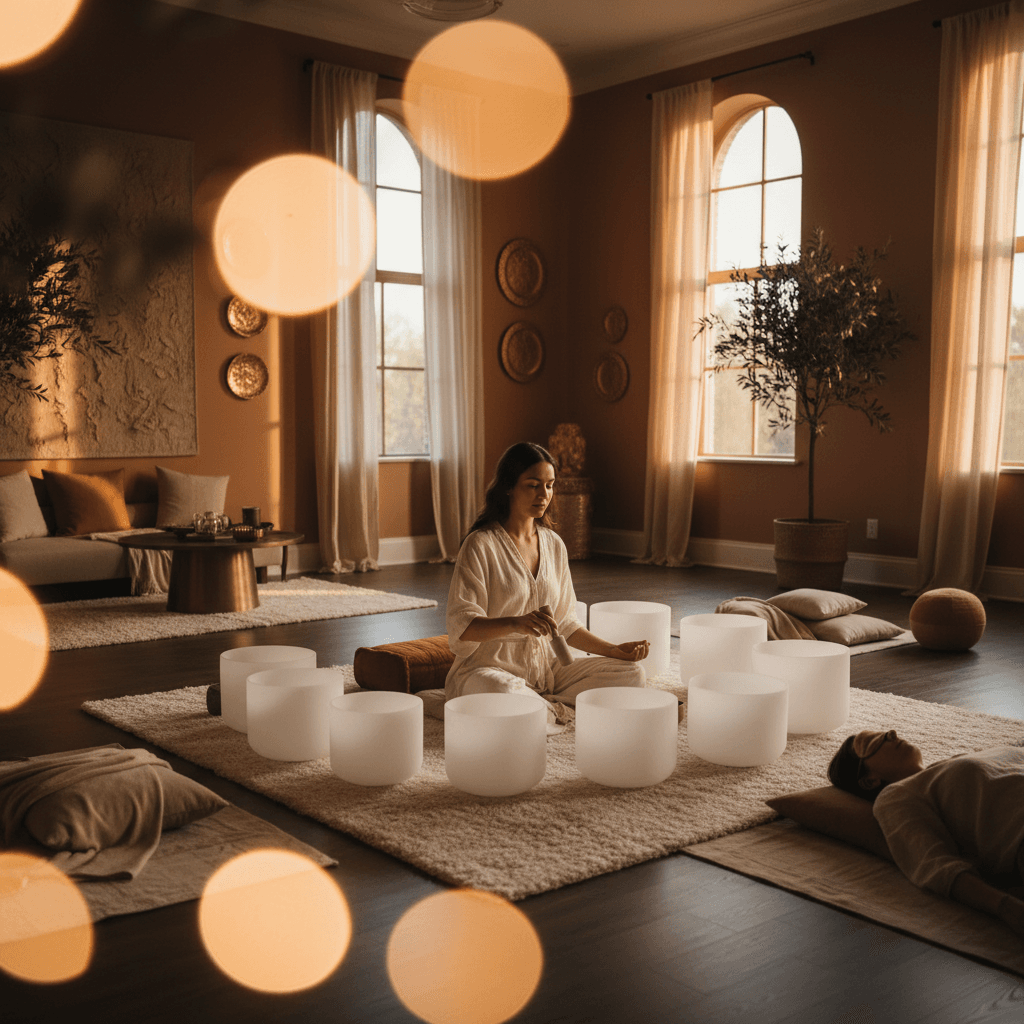
What to expect during a session is a deeply personal, yet universally soothing experience. Imagine stepping into a peaceful, softly lit room, where you can lie down on a comfortable mat and simply let go. As the session begins, you’ll hear the gentle hum of singing bowls, gongs, and chimes, creating a soothing wave of sound that washes over you. This profound immersion can facilitate a reconnection with one's inner self, supporting the cultivation of emotional balance and a sense of inner peace essential for addiction recovery.
Soul Art: A Symphony of Healing with Larissa Steinbach
At Soul Art, Dubai, we understand that healing is a deeply personal and often complex journey. Our founder, Larissa Steinbach, has meticulously crafted an approach that integrates the ancient wisdom of sound healing with a contemporary understanding of trauma-informed care. The Soul Art method is designed to provide a safe, nurturing, and non-judgmental space where individuals can explore the profound restorative power of sound.
Larissa's vision for Soul Art is to offer a unique pathway for nervous system recalibration and emotional release, particularly for those navigating the aftermath of trauma and the challenges of addiction recovery. She believes that by gently guiding the body back to a state of equilibrium, we can unlock an individual's innate capacity for self-healing and resilience. Her bespoke sound journeys are not merely relaxation sessions; they are meticulously curated experiences designed to address deep-seated patterns of stress and dysregulation.
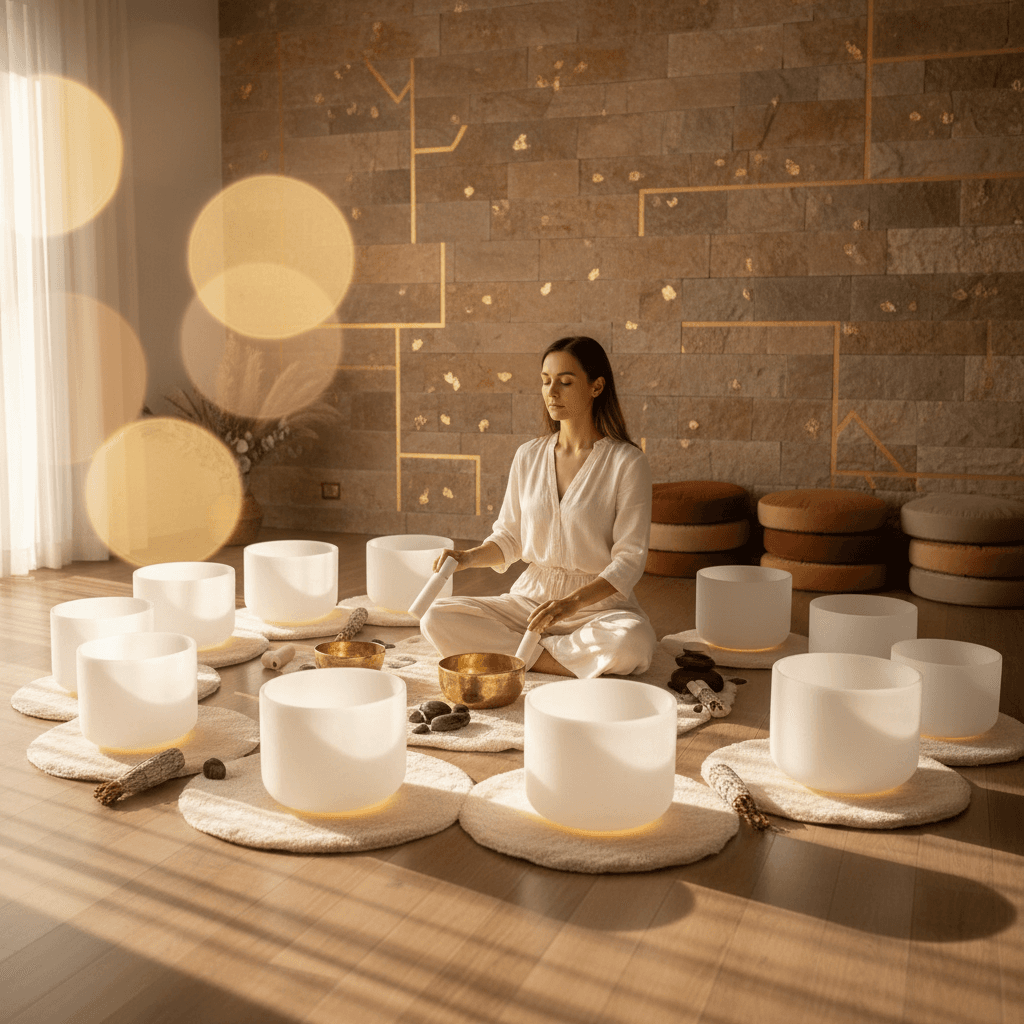
At Soul Art, Larissa Steinbach utilizes a diverse array of sacred instruments, each chosen for its unique vibrational qualities. This includes the resonant depths of Nepalese and Tibetan singing bowls, the expansive embrace of gongs, the clear, crystalline purity of crystal bowls, and the delicate melodies of chimes and other percussive instruments. Larissa masterfully weaves these sounds together to create intricate soundscapes that gently guide participants into profound states of relaxation, supporting the release of tension and fostering emotional coherence.
The "quiet luxury" ethos of Soul Art extends beyond the tranquil aesthetics of our studio; it embodies a commitment to sophisticated, empathetic care. Larissa's approach is rooted in providing a professional yet warm environment, ensuring every client feels seen, understood, and supported. This intentional setting, combined with the therapeutic frequencies, makes Soul Art a sanctuary for those seeking complementary methods to support their journey towards recovery and well-being.
Empowering Your Path: Practical Steps for Root Cause Healing
Embarking on a healing journey from trauma and addiction is a testament to immense courage and resilience. While the path may be complex, there are tangible steps you can take to foster a deeper sense of well-being and support your nervous system. Embracing complementary practices can provide powerful tools for self-care and long-term recovery.
Here are some actionable steps you can integrate into your life today:
- Prioritize Nervous System Regulation: Engage in simple, daily practices that signal safety to your body. This could include deep diaphragmatic breathing exercises for a few minutes each day, mindful pauses throughout your routine, or gentle stretching. These actions may support the activation of your parasympathetic nervous system, helping to calm an overactive stress response.
- Explore Complementary Wellness Practices: Consider incorporating holistic modalities like sound wellness, gentle yoga, or meditation into your self-care regimen. These practices are renowned for their ability to reduce stress, improve emotional balance, and foster a deeper connection to oneself, acting as valuable complementary tools alongside traditional support systems.
- Cultivate Self-Compassion: Recognize that healing is a non-linear journey, and there will be ups and downs. Treat yourself with the same kindness and understanding you would offer a dear friend. Practice affirmations of self-worth and acknowledge your progress, no matter how small.
- Seek Supportive Environments: Surround yourself with individuals and communities that uplift and understand your journey. This might involve peer support groups, trusted friends, family, or professional counselors. A strong support system is invaluable in navigating the complexities of trauma and addiction.
- Consider a Sound Wellness Session: If you are seeking a profound relaxation technique and a unique way to support your emotional well-being, exploring a sound bath may be a beneficial next step. Many people report significant reductions in stress and an enhanced sense of calm after experiencing the immersive frequencies.
In Summary: Resonant Paths to Wholeness
The profound connection between trauma and addiction illuminates the critical need for approaches that address not just symptoms, but root causes. Trauma's lasting impact on our nervous system and emotional regulation can create fertile ground for substance use as a coping mechanism. Understanding this intricate relationship is key to fostering truly transformative healing.
Sound wellness, through its scientifically-supported ability to trigger the relaxation response and calm the nervous system, offers a powerful complementary pathway. It provides a non-invasive method for releasing stress, balancing emotions, and cultivating a deep sense of inner peace. At Soul Art, Larissa Steinbach’s unique approach delivers these profound benefits within a luxurious, empathetic, and trauma-informed environment. We invite you to explore the transformative potential of sound and allow its gentle vibrations to guide you towards a more harmonious and resilient state of well-being.
Bookings Coming Soon
Soul Art is still in preparation. Session details and booking will be published here after launch.
Coming Soon
Wellness Disclaimer: This article is for educational and informational purposes only. It does not constitute medical advice, diagnosis, or treatment. Soul Art Dubai provides non-medical wellness experiences focused on relaxation, stress management, and general wellbeing. Sound wellness is a complementary practice and should not replace professional medical care.
Related Articles

LGBTQ+ Recovery: Sound Wellness for Inclusive Healing & Regulation
Relationship Recovery: The Science of Sound for Intimacy
Soulful Connections: The Science of Shared Sound Practices and Well-being Sponsorship