Titration: Unlocking Deeper Healing in Sound Wellness Experiences

Key Insights
Discover titration in deep sound experiences for nervous system regulation, gentle release, and profound, sustainable well-being at Soul Art Dubai.
Compelling Introduction
Have you ever wondered why some deeply profound wellness experiences leave you feeling refreshed and integrated, while others can feel overwhelming or disjointed? The secret often lies in a principle borrowed from chemistry, yet profoundly applicable to our inner landscape: titration. This subtle yet powerful concept is not just a scientific term; it's a fundamental approach to unlocking sustainable nervous system regulation and true somatic release in deep sound experiences.
At Soul Art, Dubai's premier sound wellness studio, we understand that true transformation isn't rushed; it's a carefully orchestrated dance of gentle exposure and mindful integration. This article will delve into the science behind titration, illustrating why this deliberate, measured approach is paramount for anyone seeking genuine, lasting well-being through sound. You'll learn how embracing titration can prevent overwhelm, foster deeper integration, and ultimately enhance your journey towards inner harmony and profound calm.
Understanding titration is crucial for anyone engaging with practices that aim to shift deep-seated patterns of stress or tension within the body. It allows the nervous system to gently process and release without triggering further protective responses, ensuring that the benefits of deep sound experiences are not only felt but deeply integrated for lasting change. This thoughtful approach ensures that wellness is not a fleeting state, but a sustainable foundation for a more peaceful and resilient life.
The Science Explained
Titration, at its core, refers to the gradual, measured introduction of one substance to another, allowing for precise control over the reaction. In the context of deep sound experiences and the nervous system, this translates to the careful and incremental presentation of stimuli—sound frequencies, vibrations, and accompanying emotional or somatic sensations—to facilitate a gentle and sustainable unwinding of accumulated stress and stored tension. This intentional pacing is crucial for avoiding overwhelm and supporting the body's innate capacity for self-regulation.
Our bodies are complex systems, exquisitely designed for survival, constantly scanning for cues of safety or danger. When confronted with intense or sudden stimuli, particularly those that trigger past experiences of overwhelm or threat, the nervous system can respond protectively, often by shutting down or going into a state of heightened alert. Titration is the antidote to this, offering a pathway to explore profound internal states without triggering these defensive mechanisms.
The Neuroscience of Nervous System Regulation
Central to understanding titration in sound wellness is the Polyvagal Theory, developed by Dr. Stephen Porges. This theory highlights the role of the vagus nerve in regulating our autonomic nervous system (ANS), which controls unconscious bodily functions like heart rate, breathing, and digestion. The ANS operates primarily through two branches: the sympathetic, responsible for "fight or flight" responses, and the parasympathetic, associated with "rest and digest" and social engagement.
Chronic stress or past traumatic experiences can cause the nervous system to become dysregulated, leaning excessively towards sympathetic activation or, conversely, a state of dorsal vagal shutdown (freeze/collapse). Sound experiences, especially those that are deeply resonant, have the potential to access these states. Without titration, a sudden influx of intense frequencies or vibrations could inadvertently push a dysregulated nervous system further into overwhelm or shutdown, negating the intended benefits.
Neuroception, another key concept from Polyvagal Theory, refers to our unconscious assessment of safety or danger. Our nervous system is constantly, automatically, evaluating our environment and internal state. If a sound experience feels too intense, too quickly, our neuroception might signal danger, even if no actual threat exists. This can lead to resistance, anxiety, or a somatic "bracing" against the experience, hindering the very release we seek.
How Sound Interacts with the Nervous System
Sound is not merely perceived by our ears; it's felt throughout our entire being. Vibrations travel through the bones, tissues, and fluids of the body, directly influencing cellular function and nervous system activity. Different frequencies and sonic textures have distinct effects:
- Low Frequencies (e.g., gongs, deep bowls): These can induce deep relaxation, slowing brainwave activity to theta or delta states, associated with meditation and sleep. However, if introduced too suddenly, they can also trigger a sense of disorientation or overwhelm in some individuals whose nervous systems are accustomed to high-alert states.
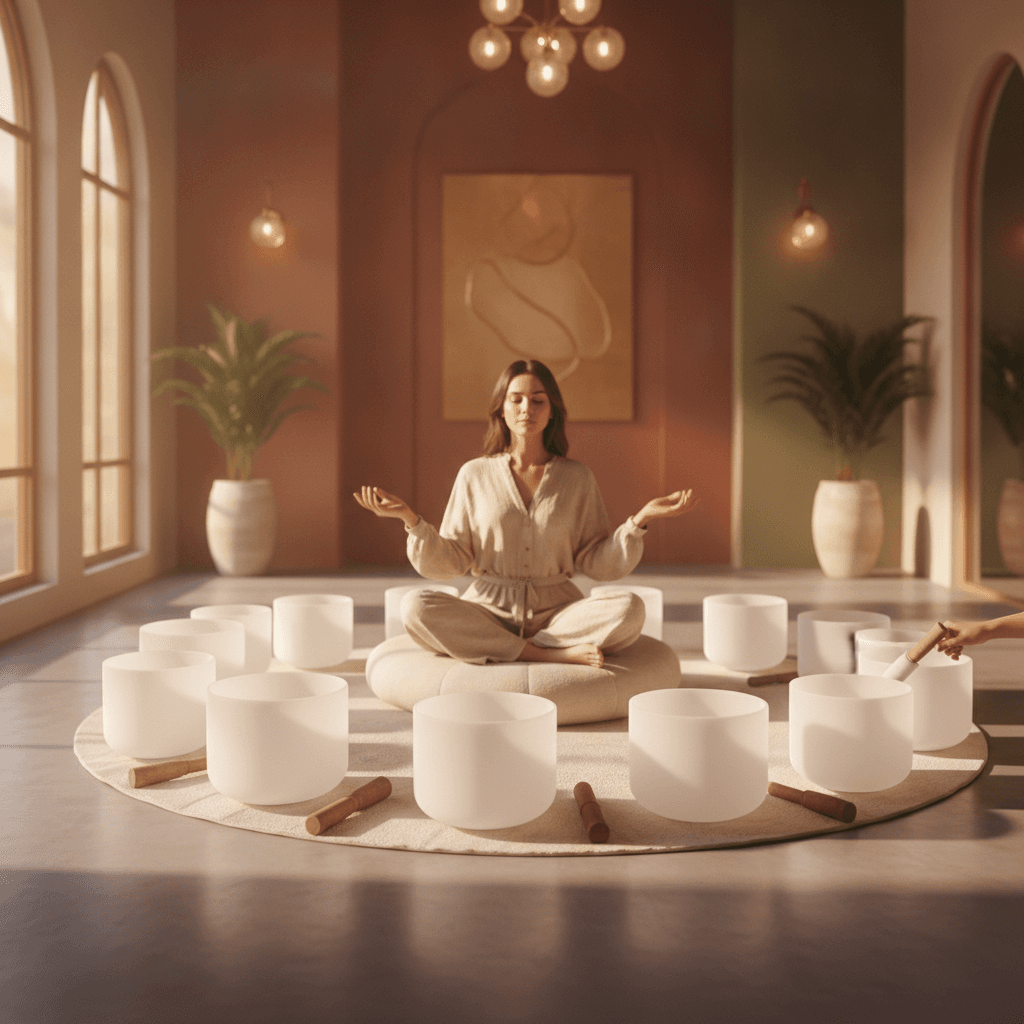
- Mid-Range Frequencies (e.g., crystal bowls, chimes): Often promote feelings of balance, clarity, and gentle energy shifts. They can support the transition from sympathetic activation to a more parasympathetic state.
- High Frequencies (e.g., chimes, high-pitched bowls): Can be energizing or help to clear mental fog. When used with titration, they can gently lift energy without causing agitation.
The phenomenon of entrainment plays a significant role. This is the tendency for physiological rhythms, like brainwaves, heart rate, and breath, to synchronize with external rhythmic stimuli. In a sound bath, the brain's electrical activity may entrain with the frequencies of the instruments, guiding the mind into deeper states of relaxation or altered consciousness. Titration ensures this entrainment happens gently and without resistance.
Furthermore, sound influences our interoception—our ability to sense the internal state of our body. As sounds and vibrations subtly shift our internal landscape, titration allows us to gradually attune to these internal sensations without being flooded. This enhanced interoceptive awareness is vital for developing self-regulation skills and understanding our body's unique signals.
Why Titration is Crucial for Deep Work
The gentle, incremental approach of titration offers several profound advantages in deep sound experiences:
- Prevents Overwhelm and Re-traumatization: By introducing sounds and sensations in manageable doses, titration ensures the nervous system can process and integrate without triggering defensive responses. This is particularly vital for individuals carrying stored stress or trauma, for whom sudden, intense shifts can be re-triggering.
- Fosters a Sense of Safety and Control: Knowing that the experience is being carefully managed, and that one can "dip in and out" of intense sensations, cultivates a deep sense of psychological safety. This allows the body to relax its protective barriers and enter a more receptive state.
- Promotes Sustainable Release and Integration: Rather than a sudden "dumping" of emotional or physical tension, titration allows for a gradual, organic unwinding. This gentle release is more sustainable and facilitates deeper, more lasting integration of the experience, preventing a rebound effect of increased anxiety or dysregulation post-session.
- Enhances Body Awareness and Self-Regulation: Through titrated experiences, individuals learn to observe their subtle internal responses—micro-movements, shifts in breath, temperature changes—without judgment. This heightened awareness empowers them to better understand their own nervous system and develop personal strategies for self-regulation beyond the sound session.
"The art of titration in sound wellness is not about avoiding the depth of experience, but about creating the safest, most supportive pathway to access it, ensuring that every layer uncovered is met with gentle spaciousness for integration."
How It Works in Practice
Bringing the scientific principles of titration into the tangible realm of a deep sound experience is where the art and skill of a seasoned practitioner truly shine. It's an intuitive yet highly informed process, constantly adapting to the individual's unique needs and responses in real-time. This dynamic interplay ensures that each journey into sound is not just effective but also profoundly nurturing and safe.
The Client's Titrated Journey
Imagine beginning a sound experience with the gentle, distant hum of a large gong, rather than its full, immediate resonance. This initial soft introduction allows your nervous system to register the presence of the sound without being startled. As you settle, the practitioner might introduce the subtle vibration of a crystal bowl placed near your body, allowing the sound and sensation to gradually permeate.
Clients often experience a spectrum of sensations during a titrated session. Some might feel a slight trembling or a wave of emotion as stored energy begins to stir. Others may notice their breath deepening, their muscles softening, or a gentle warmth spreading through their limbs. These are often signs that the nervous system is beginning to downregulate, moving from a state of alertness to a more relaxed, parasympathetic state.
Crucially, the practitioner observes these micro-responses—a flicker of an eyelid, a shift in breathing, a subtle adjustment of the body. These non-verbal cues inform the pacing of the session. If an individual appears overwhelmed, the sound might soften, a pause might be introduced, or the focus might shift to a more grounding frequency. Conversely, if deep relaxation is well-established, the journey might gently deepen, inviting more profound layers of release. The sensory details are paramount; the gentle crescendo and decrescendo of sounds, the oscillating vibrations, the moments of profound silence, all contribute to this nuanced unfolding.
The Facilitator's Attuned Role
The practitioner acts as a guide, constantly attuning to the energetic field of the room and the somatic responses of each client. This role is far more than simply playing instruments; it involves a deep understanding of nervous system dynamics and the capacity for co-regulation. A skilled facilitator maintains their own regulated nervous system, providing a stable, calm presence that helps to anchor and soothe the clients' nervous systems.
Key practical applications of titration in a sound session include:
- Gradual Introduction of Intensity: Beginning with softer sounds and lower volumes, slowly increasing the complexity or amplitude as the client settles. For instance, moving from a single singing bowl to multiple instruments, or from gentle strokes to more resonant strikes on a gong, always with mindful pauses.
- Strategic Pauses and Silence: Periods of silence or very quiet sound are as important as the active soundscapes. These pauses allow the nervous system to integrate the previous wave of sensation, process any emerging emotions, and recalibrate before the next sound experience. This is where true integration often occurs.
- Varying Frequencies and Timbres: Shifting between instruments that produce different types of vibrations—some more grounding, others more expansive—helps to gently explore different somatic responses without dwelling too long on a potentially activating sensation.
- Verbal Grounding and Resourcing: Offering gentle verbal cues such as "notice the support beneath you," "feel the rise and fall of your breath," or "you are safe here" can help clients stay present and anchored, especially if intense sensations arise.
This meticulous attention to pacing and individual response ensures that the deep relaxation and potential for somatic release offered by sound are accessible and deeply beneficial for everyone, regardless of their prior experience or current nervous system state.
The Soul Art Approach
At Soul Art, Dubai's haven for deep sound wellness, Larissa Steinbach has meticulously woven the principles of titration into the very fabric of every sound experience. Her philosophy centers on honoring the inherent wisdom of the body and facilitating a gentle, non-forced unwinding of tension and stress. The Soul Art method is not about imposing a state of relaxation, but rather creating an exquisite container where profound self-regulation can naturally unfold.
Larissa's approach recognizes that true transformation occurs not through aggressive intervention, but through compassionate invitation. She understands that each individual carries a unique history within their nervous system, and that respecting this history is paramount to fostering sustainable well-being. This empathetic understanding ensures that every sound journey at Soul Art is a bespoke experience, even within a group setting, as Larissa masterfully adjusts the sonic landscape to meet the collective and individual needs present in the moment.
What Makes the Soul Art Method Unique
The distinctiveness of the Soul Art method lies in several core practices:
- Personalized Pacing and Observation: Larissa Steinbach and her team are trained in subtle observation of somatic cues. They actively watch for micro-expressions, shifts in breath, or subtle body movements that indicate a client’s level of comfort and integration. This continuous assessment allows for on-the-spot adjustments to the sound journey, ensuring it remains within each individual’s "window of tolerance."
- Intentional Space Holding: Beyond the sounds, Soul Art cultivates an environment of profound psychological safety. This 'quiet luxury' ethos extends to the very atmosphere—calm, serene, and free from external pressures—which is foundational for allowing the nervous system to feel safe enough to release. The space itself becomes part of the titrated experience, offering a gentle landing pad for inner exploration.
- Co-regulation Expertise: Larissa's deep understanding of Polyvagal Theory enables her to consciously offer a regulated presence. Her calm, grounded energy serves as a subtle, non-verbal anchor for clients, supporting their own nervous system in finding a state of peace. This co-regulatory capacity is a hallmark of truly effective somatic wellness facilitation.
Specific Instruments and Techniques Used
The instruments at Soul Art are carefully curated for their resonant qualities and therapeutic potential, and are always played with titrated intention:
- Himalayan Singing Bowls: Played with varying pressure and speed, these ancient bowls create complex overtones and deeply penetrating vibrations. Larissa uses gentle tapping and rimming techniques to introduce their sonic presence gradually, allowing the body to attune to their restorative frequencies without shock.
- Crystal Singing Bowls: Known for their pure tones and capacity to resonate with the body's energy centers. Their sounds are often introduced in a harmonious sequence, building in layers rather than a sudden burst, allowing for gentle cellular recalibration.
- Gongs: While capable of immense power, the gongs at Soul Art are typically introduced with soft, sustained strokes, building to richer tones only when the space feels ready and the nervous system can integrate the depth. Moments of silence after a deep gong wave are vital for integration.
- Chimes and Other Percussion: Used for their delicate, shimmering qualities, these instruments often mark transitions, provide energetic 'clearing,' or gently bring a client back to awareness. They are employed sparsely and with precise timing to avoid sensory overload.
- Voice and Breathwork: Larissa often integrates her trained voice through subtle toning or guided breathwork, providing a human element of co-regulation and helping clients connect with their own internal rhythm. These vocalizations are always offered gently, serving as an invitation rather than a command.
By meticulously applying titration, Larissa Steinbach and the Soul Art team transform sound wellness from a mere listening experience into a profound, scientifically grounded practice of nervous system regulation and holistic healing, ensuring each client leaves feeling not just relaxed, but deeply integrated and authentically restored.
Your Next Steps
Embracing the principle of titration extends beyond the studio, empowering you to cultivate a more mindful relationship with your own nervous system in daily life. Understanding how to gently introduce change and allow for integration is a powerful tool for sustainable well-being. Here are some actionable steps you can implement today to begin your journey of titrated self-care:
- Observe Your Responses: Pay attention to how your body reacts to different stimuli. Do sudden loud noises startle you? Does a new experience leave you feeling overwhelmed? Noticing these responses is the first step towards understanding your nervous system's patterns and its unique window of tolerance.
- Start Small and Gentle: When exploring new wellness practices, especially those that encourage deep internal shifts, always begin with shorter durations and lower intensity. If trying a new meditation, start with 5 minutes. If listening to sound frequencies, choose gentle tracks initially and observe your body's response before diving into more intense experiences.
- Prioritize Integration Time: After any activity that engages your nervous system deeply—whether it's an intense workout, a powerful conversation, or a sound wellness session—schedule quiet time for integration. This might be a few minutes of stillness, gentle stretching, or simply allowing yourself to be without immediate demands.
- Seek Informed Guidance: If you're drawn to deep sound experiences, choose practitioners who explicitly speak about nervous system safety, somatic awareness, and the importance of pacing. A skilled facilitator, like Larissa Steinbach at Soul Art, understands how to guide you safely through the depths of sound.
- Listen to Your Body's Wisdom: Your body is your most reliable guide. If an experience feels too intense, uncomfortable, or overwhelming, it's okay to gently pull back, take a break, or signal to your facilitator. Honoring your internal signals is the ultimate act of self-titration and self-care.
By integrating these practices, you can build a resilient nervous system, allowing you to navigate life's challenges with greater ease and embrace deep wellness experiences with confidence and profound benefit.
In Summary
Titration is far more than a technical term; it's a foundational principle for cultivating sustainable well-being, especially within the profound depths of sound wellness experiences. By gradually introducing stimuli and allowing ample time for the nervous system to process and integrate, we unlock a gentle yet powerful pathway to release chronic tension and foster deep inner calm. This deliberate approach prevents overwhelm, promotes a profound sense of safety, and ensures that the benefits of sound are not merely fleeting, but deeply woven into the fabric of your being.
At Soul Art, Larissa Steinbach exemplifies the art of titration, guiding individuals through meticulously crafted sound journeys that honor the body's innate wisdom and facilitate authentic nervous system regulation. Embrace this nuanced understanding to empower your own wellness journey, ensuring every step is met with compassion, safety, and the potential for lasting transformation. We invite you to experience the profound, titrated approach to sound wellness at Soul Art.
Bookings Coming Soon
Soul Art is still in preparation. Session details and booking will be published here after launch.
Coming Soon
Wellness Disclaimer: This article is for educational and informational purposes only. It does not constitute medical advice, diagnosis, or treatment. Soul Art Dubai provides non-medical wellness experiences focused on relaxation, stress management, and general wellbeing. Sound wellness is a complementary practice and should not replace professional medical care.
Related Articles

Beyond Hearing: Sound Waves & Your Body's Inner Boundaries at Soul Art

Breath Holding & Sound: Releasing Guarded Patterns at Soul Art Dubai

Reclaim Vitality: Soft Sound Practices for Fatigue & Collapse