Countering 'Brainrot': Sound Healing's Role in a Digital World

Key Insights
Explore how sound healing at Soul Art, founded by Larissa Steinbach, offers a vital antidote to the cognitive impacts of short-form video, restoring focus and calm.
Have you ever found yourself scrolling endlessly through short-form video platforms like TikTok, only to emerge feeling inexplicably drained, unfocused, or even anxious? You are not alone. This pervasive digital habit, often dismissed as harmless entertainment, is now at the forefront of serious scientific inquiry into its profound impact on our cognitive and mental well-being.
Recent groundbreaking studies are revealing a concerning truth: the relentless consumption of ultra-processed digital content is significantly altering our brains. This phenomenon, often colloquially termed "brainrot," points to a real and measurable decline in our capacity for sustained attention, critical thinking, and emotional regulation.
At Soul Art, Dubai's premier sound wellness studio, we believe in empowering individuals to navigate the complexities of modern life with greater resilience and clarity. Under the visionary guidance of Larissa Steinbach, we explore how ancient sound healing practices offer a vital, scientifically-grounded antidote, helping to restore cognitive fitness and inner peace in an increasingly overstimulated world. This article will delve into the science behind short-form video's effects and illuminate how sound wellness can be your path to reclaiming mental serenity.
The Science Explained
The digital landscape has fundamentally reshaped our daily interactions and information consumption patterns. While short-form video platforms promise instant gratification and endless entertainment, a growing body of research is shedding light on their less desirable, insidious costs to our brains. Understanding these impacts is the first step toward cultivating protective strategies for our cognitive health.
The "Ultra-Processed" Information Diet: A Cognitive Burden
A new study by Brad Stulberg, published in December 2025, presents a stark warning about the hidden costs of short-form video. This comprehensive research, involving nearly 100,000 participants, revealed a significant decline in cognitive function, attention, and self-control directly linked to short-form video consumption. The findings draw parallels to recent concerns about heavy use of large language models, suggesting a broader issue with "ultra-processed information."
Stulberg’s research indicates that platforms like TikTok operate as an "algorithmic conveyor belt to nowhere," designed to maximize retention through rapid, visually stimulating content. This constant, high-speed input prevents the brain from entering deeper processing states, keeping it in a state of superficial engagement. The result, as many people report, is a pervasive feeling of being "slower, less patient, sadder, and more anxious" after prolonged exposure. This isn't merely anecdotal; it reflects measurable changes in brain activity and function.
Cognitive and Mental Health Impacts of Short-Form Video
Further empirical evidence corroborates these concerns, linking the rise of social media, particularly short-form video, to a noticeable shift in global cognitive abilities. The medRxiv preprint from September 2025, along with research from Fabio and Iaconis (2024) at the University of Messina, highlights how these platforms prioritize high-speed, visually stimulating content. While they may enhance global connectivity, they inadvertently promote habitual use, attentional fragmentation, and emotional dysregulation.
Dr. Ekta Patel, an assistant professor of psychiatry, aptly explains the concept of "brainrot," stating that "zoning out to short-form, stimulating content can alter how the brain develops and functions." Over time, this constant barrage of dopamine hits can desensitize the brain’s natural reward pathways. Consequently, everyday activities that require sustained effort, such as work, reading, or genuine face-to-face conversations, can begin to feel mundane and unrewarding in comparison.
Moreover, the impact extends beyond mere attention. Research from China on TikTok users aged 10-19 indicates significant positive correlations between addiction scores and psychological states like escapism, flow state, and a sense of belonging. Crucially, participants exhibiting higher escapism and lower critical thinking were found to be more susceptible to addictive behaviors. This suggests a feedback loop where the need for digital escape exacerbates cognitive vulnerabilities, creating a cycle of dependency and psychological distress.
Sound Healing: Reclaiming Cognitive Fitness
Against this backdrop of digital overload, sound healing emerges as a powerful, complementary approach to support cognitive and emotional restoration. Unlike the fragmented, high-speed input of short-form video, sound healing intentionally guides the brain into states of deep relaxation and focused awareness. This intentional engagement can help to counteract the desensitization of natural reward pathways and rebuild the capacity for sustained attention.
The therapeutic effects of sound are rooted in its ability to influence brainwave patterns. During a sound healing session, the consistent, rhythmic vibrations produced by instruments such as gongs, singing bowls, and chimes can encourage brainwave entrainment. This process gently shifts the brain from beta (alert, waking) states to alpha (relaxed, calm) and even theta (deep relaxation, meditative) states. This is a stark contrast to the chaotic brain activity fostered by rapid-fire short-form videos.
Research into sound therapy highlights its multifaceted benefits. Studies show that low-frequency vibrations can enhance neuronal cell differentiation and proliferation through mechanical stimulation of cellular pathways, suggesting potential applications in regenerative processes. Furthermore, the auditory and vibrational input from sound healing can significantly impact the autonomic nervous system, activating the parasympathetic "rest and digest" response. This helps to lower heart rate, reduce blood pressure, and alleviate the physiological markers of stress and anxiety.
The University of California, Los Angeles, health system notes that consistent exposure to certain sound frequencies, such as binaural beats, may significantly increase motor and cognitive processing speeds. By giving the brain a calming, coherent "task" – listening to sustained, harmonious sounds – individuals can quiet intrusive thoughts, improve focus, and reduce overall mental fatigue. Sound healing provides a vital opportunity to reset the neural pathways that have been overtaxed and fragmented by our ultra-processed digital information diet, supporting enhanced mood and cognitive clarity.
How It Works in Practice
Stepping into a sound healing session is an immersive journey designed to gently re-tune your entire being. It offers a profound contrast to the relentless stimulation of the digital world, inviting a deep sense of presence and sensory engagement. This practice connects theory to real-world application, directly addressing the dysregulation caused by constant short-form video exposure.
Upon entering a dedicated sound space, you are typically invited to lie down comfortably, often on a yoga mat or blanket. The environment is meticulously prepared to minimize external distractions, creating a sanctuary for introspection. Soft lighting, calming aromatherapy, and the gentle hum of anticipation often set the stage for the experience.
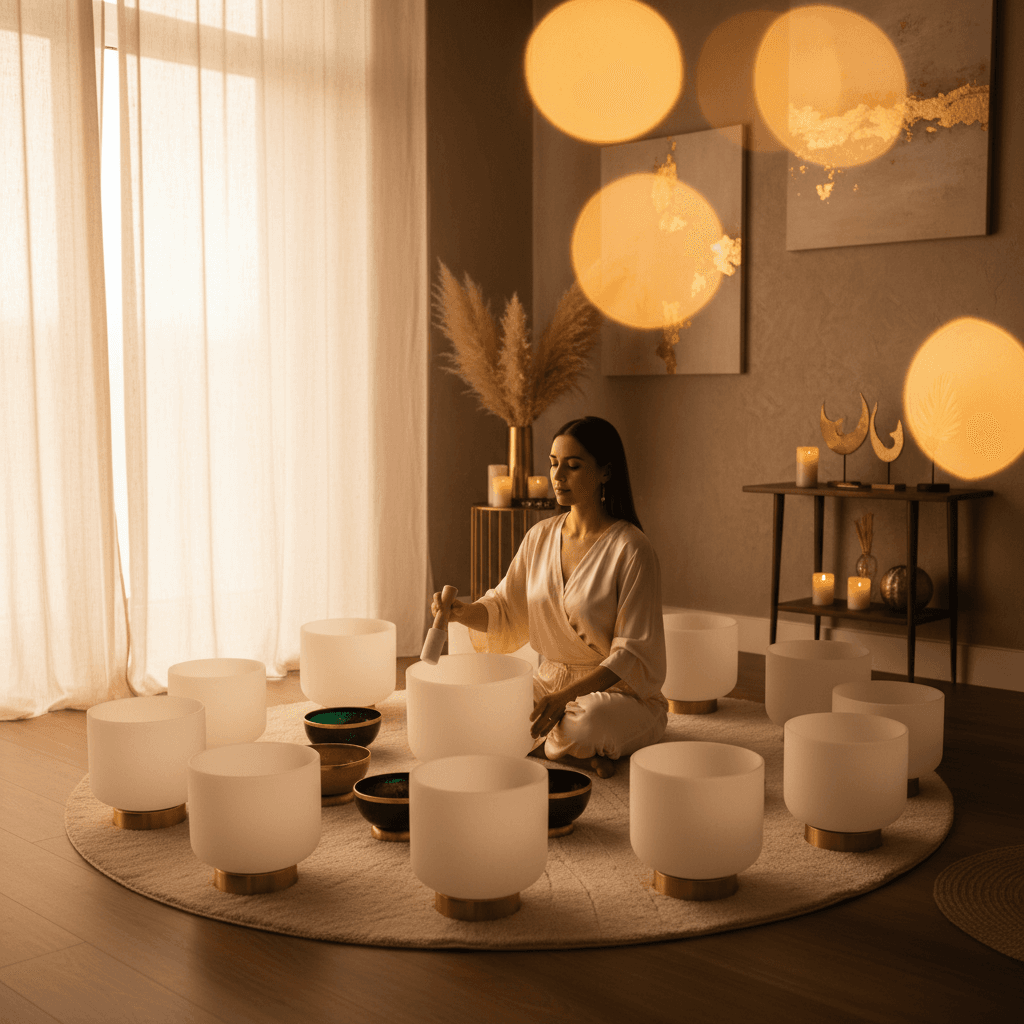
The session commences with the practitioner, such as Larissa Steinbach at Soul Art, carefully selecting and playing a range of instruments. These might include Tibetan singing bowls, crystal singing bowls, gongs, chimes, tuning forks, or even drums. Each instrument possesses unique tonal qualities and vibrational frequencies, which resonate differently with the body's energy centers and auditory system. The sounds are not merely heard; they are felt as subtle, yet powerful, vibrations permeating the body.
"In a world screaming for our attention, sound healing offers a gentle whisper back to our true selves, a resonant pause that allows the mind to recalibrate and the spirit to breathe."
As the sounds wash over you, your brain naturally begins to synchronize with these harmonious frequencies. The mind, typically racing with thoughts and anxieties amplified by digital overstimulation, starts to slow down. This transition encourages the brain to shift from a dominant beta wave state to the more relaxed alpha and meditative theta states, fostering a profound sense of calm. This deliberate process helps to repair the attentional fragmentation often associated with excessive short-form video consumption, providing a much-needed break from the "algorithmic conveyor belt to nowhere."
Clients often report a cascade of sensations during a session: tingling in the limbs, a feeling of lightness, emotional releases, or simply a deep, restful stillness. The sustained and coherent nature of the sound offers a stark contrast to the abrupt cuts and rapidly changing visuals of short-form video, allowing the nervous system to settle. This practice provides a direct pathway to emotional regulation, helping to mitigate the increased anxiety and mood disturbances linked to digital media use. By engaging the senses in a holistic and restorative manner, sound healing in practice offers a tangible path to reclaim cognitive clarity and emotional balance.
The Soul Art Approach
At Soul Art, Dubai, Larissa Steinbach has meticulously crafted a unique sound wellness experience designed to be a sanctuary for modern individuals seeking respite from the digital world's relentless pace. Our approach goes beyond mere relaxation; it is a carefully curated methodology rooted in both ancient wisdom and contemporary understanding of the human nervous system. Larissa's vision is to empower clients to tap into their innate capacity for self-healing and restoration.
What distinguishes the Soul Art method is its holistic integration of intention, curated soundscapes, and an expertly guided journey. Larissa Steinbach understands that each individual's needs are unique, especially when addressing the nuanced effects of digital fatigue. She combines her profound knowledge of sound frequencies with an intuitive understanding of energetic flow to create deeply personalized experiences.
Soul Art utilizes a diverse array of high-quality instruments, each chosen for its specific therapeutic properties. Our collection includes a harmonious blend of Nepalese and crystal singing bowls, known for their pure, sustained tones that resonate deeply within the body. These are complemented by symphonic gongs, whose powerful vibrations can facilitate profound states of release and renewal, along with chimes, tuning forks, and other percussive instruments that add layers of intricate sonic textures.
Larissa's sessions often begin with a grounding meditation or breathwork exercise, preparing the mind and body to fully receive the sound vibrations. This preparation is crucial for individuals whose attention has been fragmented by short-form video, helping them transition from a state of external distraction to internal presence. The soundscapes are then woven together with precision, guiding participants through a journey that may target stress reduction, mental clarity, emotional balancing, or a deeper connection to self. Soul Art's method emphasizes creating a safe and nurturing environment where clients can safely explore their inner landscapes, gently releasing tension and reclaiming a sense of coherence and calm. This intentional and expert-led practice provides a direct counterbalance to the often overwhelming and disorienting effects of ultra-processed digital content.
Your Next Steps
In an era where digital stimulation constantly vies for our attention, proactively safeguarding your cognitive and emotional well-being is paramount. Counteracting the pervasive effects of short-form video requires intentionality and consistent effort. Here are practical steps you can implement today to begin reclaiming your focus and peace of mind:
- Implement Mindful Digital Habits: Consciously set boundaries for your screen time. Designate specific "no-screen" periods, such as an hour before bedtime or during meals. Consider using app timers to limit your exposure to short-form video platforms, allowing your brain crucial time to decompress and reset.
- Embrace Regular "Sound Breaks": Integrate intentional auditory pauses into your day. This could involve listening to calming music, nature sounds, or even a short guided sound meditation track for 10-15 minutes. These breaks provide a restorative contrast to the fast-paced digital world and help re-center your nervous system.
- Engage Your Senses Offline: Actively seek out experiences that engage your senses in a holistic, non-digital way. Spend time outdoors in nature, immerse yourself in a creative hobby like painting or gardening, or read a physical book. These activities stimulate different neural pathways and can enhance feelings of presence and well-being.
- Prioritize Deep, Restorative Sleep: Consistent, high-quality sleep is fundamental for cognitive repair and emotional regulation. Aim for seven to nine hours of sleep per night. Establish a calming bedtime routine that excludes screens to allow your brain to properly cycle through its restorative phases, which are vital for memory consolidation and emotional processing.
- Explore Professional Sound Wellness: For a truly immersive and transformative experience, consider booking a professional sound healing session. At Soul Art in Dubai, Larissa Steinbach and her team offer expertly guided sessions designed to induce profound relaxation, restore nervous system balance, and enhance mental clarity, providing a powerful antidote to digital fatigue.
In Summary
The rise of short-form video platforms has undeniably altered our cognitive landscape, leading to concerns about declining attention spans, increased anxiety, and a phenomenon often termed "brainrot." Scientific studies reveal that this "ultra-processed" content can desensitize our natural reward pathways and fragment our focus, making everyday life feel dull and unrewarding. It's clear that in our hyper-connected world, protecting our mental and cognitive fitness is more crucial than ever.
However, there is a powerful and scientifically supported antidote: sound healing. This ancient practice, expertly applied by Larissa Steinbach at Soul Art, offers a profound pathway to restore balance. By guiding the brain into states of deep relaxation and promoting brainwave entrainment, sound wellness helps to mend fragmented attention, soothe the nervous system, and reclaim inner serenity. It's a holistic approach that allows you to consciously disconnect from digital overload and reconnect with your true self, fostering enhanced well-being and cognitive resilience.
Bookings Coming Soon
Soul Art is still in preparation. Session details and booking will be published here after launch.
Coming Soon
Wellness Disclaimer: This article is for educational and informational purposes only. It does not constitute medical advice, diagnosis, or treatment. Soul Art Dubai provides non-medical wellness experiences focused on relaxation, stress management, and general wellbeing. Sound wellness is a complementary practice and should not replace professional medical care.
Related Articles
Mastering Your Craft: The Lifelong Journey of Continuing Education
Niche Specialization: The Science of Finding Your Focus
Scaling Your Soul: Growth Strategies for Wellness Practices