Mastering Your Craft: The Lifelong Journey of Continuing Education
Key Insights
Discover how continuing education fuels personal growth, boosts confidence, and future-proofs your career in an evolving world. Learn from Soul Art Dubai.
Have you ever considered that the skills you rely on today might have a lifespan of only a few short years? In our rapidly evolving world, particularly with advancements in technology like artificial intelligence, this isn't a hypothetical question but a pressing reality for many professionals. The landscape of work is undergoing a profound transformation, demanding a continuous evolution of our capabilities.
This journal article explores the profound importance of continuing education (CE) – not merely as a requirement, but as a vital investment in your personal growth and professional longevity. We will delve into the scientific underpinnings of why lifelong learning is crucial for cognitive function, mental well-being, and career advancement. Understanding this journey can illuminate how practices like those offered at Soul Art, founded by Larissa Steinbach, can profoundly support your capacity for continuous learning and adaptation, nurturing a holistic approach to skill development and self-mastery.
Embark with us on an exploration of how embracing ongoing education can boost your confidence, unlock new perspectives, and ultimately ensure your holistic well-being in an ever-changing world. It's about more than just keeping up; it's about thriving.
The Science Explained: Fueling Your Mind for Growth
Continuing education is often defined as professional development pursued after a degree, designed to update skills or knowledge in specific industries or across career fields. Far from being a mere formality, engaging in continuing education offers a wealth of cognitive and psychological benefits that directly enhance an individual's efficiency, productivity, and overall quality of life. The brain, much like a muscle, benefits immensely from continuous engagement and challenges.
Cognitive Enhancement and Neuroplasticity
Learning new skills and acquiring new knowledge actively stimulates the brain, fostering a phenomenon known as neuroplasticity. This refers to the brain's remarkable ability to reorganize itself by forming new neural connections throughout life. When we engage in continuing education, whether it's mastering a new software, learning a foreign language, or understanding complex scientific concepts like those in brain science, we are actively strengthening these neural pathways and even creating new ones.
Studies, such as an empirical research study focusing on scientific researchers at the Chinese Academy of Sciences, highlight that foundational knowledge, spanning domain-specific expertise to broader scientific literacy, is a critical pillar for competence. Courses dedicated to subjects like Brain Science provide a robust foundation, which, while specific, underscore the general principle that continuous learning enhances cognitive function and adaptability. This consistent mental exercise helps maintain cognitive sharpness, improves memory retention, and enhances problem-solving abilities, making individuals more agile thinkers.
Psychological Resilience and Confidence Building
Beyond pure cognitive function, continuing education plays a pivotal role in strengthening psychological resilience and fostering self-confidence. The process of acquiring new skills or deepening existing knowledge directly contributes to a greater sense of mastery and competence within one's field. This mastery, in turn, translates into increased confidence in the workplace, as highlighted by insights from Columbia Southern University.
Confidence building from continuing education manifests in several crucial ways:
- Improved Communication: A deeper understanding of one's industry allows for more articulate and persuasive communication.
- Effective Conflict Resolution: Confidence helps individuals navigate disagreements with greater poise and seek constructive solutions.
- Leadership Development: Enhanced skills and knowledge can pave the way for taking on managerial or leadership roles, further boosting self-assurance.
- Increased Work Performance: As reported by Research.com, 82% of entry-level certificate earners experienced improvements in work performance, confidence, or job-related knowledge.
This ethical substrate, formed by continuous learning and self-improvement, influences researchers' motivation, thereby impacting their efficiency and productivity, and ultimately the quality of research outcomes, as seen in the Chinese Academy of Sciences study. The pursuit of knowledge is not just about external validation, but an internal drive for growth that fuels mental well-being.
Future-Proofing and Personal Development
The dynamic nature of today's industries means that skills can quickly become obsolete. Continuing education serves as a proactive measure to future-proof one's career. According to Research.com, a significant 72% of working adults express a desire for additional training to ensure their skills remain relevant in a changing job market. This demand fuels the growth in certification programs, webinars, and short-form professional courses, underscoring the necessity of ongoing learning for career security.
However, the benefits extend far beyond professional advancement. Continuing education is a powerful catalyst for personal development. It encourages lifelong learning, helping individuals grow not just as employees but as well-rounded human beings. It provides opportunities to explore latent interests, master long-desired skills, discover new talents and passions, or simply gain a fresh perspective on life and career, enriching the individual's inner world and holistic well-being.
How It Works in Practice: From Theory to Tangible Growth
Translating the scientific benefits of continuing education into practical, real-world growth involves understanding how individuals engage with learning and integrate new insights into their lives and professions. The modern landscape of continuing education is designed for flexibility, catering to self-directed adult learners who seek direct applicability and enjoy sharing their expertise.
Today's learning environments are incredibly diverse, moving far beyond traditional classrooms. Continuing education programs are offered in various formats, including in-person, online, and hybrid settings. This flexibility is crucial for working adults, with mobile access and online delivery becoming the default rather than an alternative, reflecting a broader digital transformation in learning. Many professionals can now acquire valuable Continuing Education Units (CEUs) through formats that fit their busy schedules, like short-form professional courses and webinars.
When an individual commits to continuing education, they embark on a journey of acquiring new competencies and refining existing ones. Consider the example of an individual pursuing an advanced certificate in lab management. By immediately applying newfound skills, such as improving lab hiring practices, they not only advance their own career but also enhance their loyalty and effectiveness within their organization. The direct application of learned skills reinforces the knowledge and generates tangible outcomes.
The sensory experience of continuing education, while often intellectual, also encompasses a deep sense of accomplishment and empowerment. Picture the clarity that comes from finally grasping a complex concept, the surge of confidence when presenting a newly mastered skill, or the satisfaction of solving a problem using a recently acquired technique. These moments of breakthrough are deeply gratifying and contribute significantly to mental well-being. They foster a positive feedback loop, where successful application encourages further learning and growth, leading to a profound transformation in one's approach to challenges and opportunities.
For many, the practical benefits extend to navigating professional shifts and embracing innovation. With technology evolving at an unprecedented pace, proactive upskilling has become a strategic advantage. When 72% of working adults want training to future-proof their skills, continuing education becomes an essential tool for career security, rather than just credential maintenance. It's about being prepared, adaptable, and confident in the face of change.
The Soul Art Approach: Nurturing the Capacity for Learning
While Soul Art, founded by the visionary Larissa Steinbach, is renowned for its immersive sound wellness experiences, its philosophy deeply aligns with the principles of continuing education. Larissa Steinbach believes that true growth, whether personal or professional, is intrinsically linked to a state of inner calm and mental clarity. Sound wellness practices, though not traditional educational courses, serve as a powerful preparatory ground for effective lifelong learning.
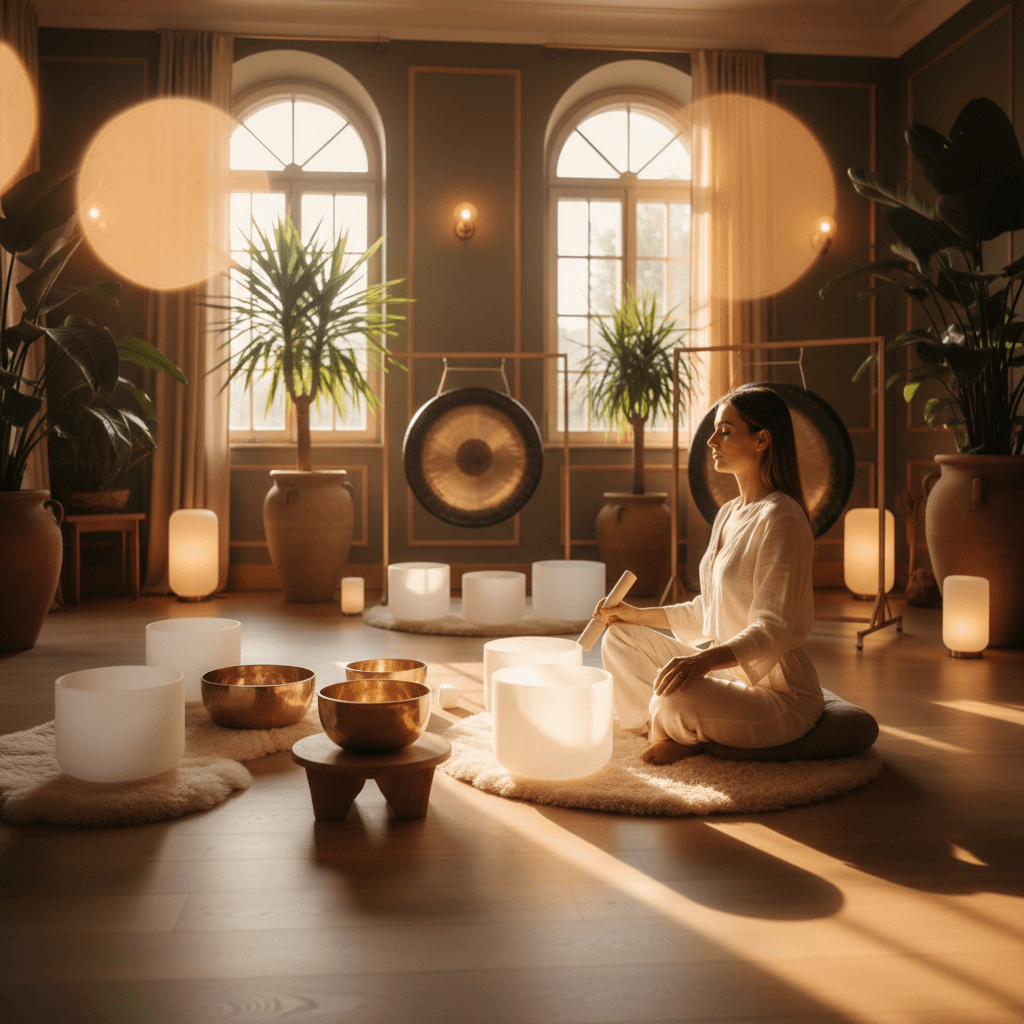
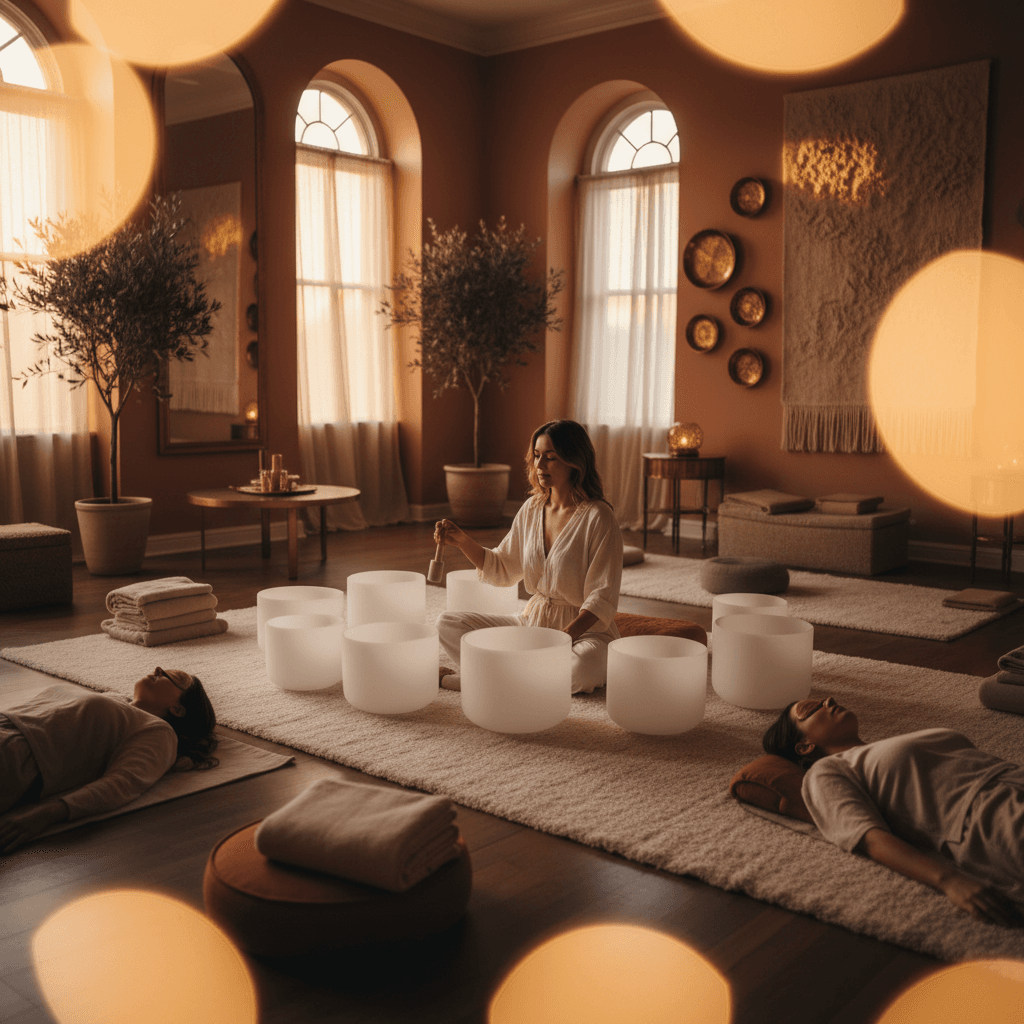
At Soul Art, the unique approach centers on restoring the nervous system through carefully curated sound journeys. Instruments such as Tibetan singing bowls, crystal bowls, and gongs are utilized to create resonant frequencies that guide the brain into states of deep relaxation, such as alpha and theta brainwave patterns. These states are highly conducive to stress reduction, improved focus, and enhanced cognitive function – all foundational elements for optimal learning.
Larissa Steinbach’s methodology is designed to create an environment where the mind can truly reset and recharge. By alleviating chronic stress and mental fatigue, Soul Art sessions help individuals develop a "hale constitution, both physically and mentally," which is indispensable for the demanding nature of continuous intellectual work, as suggested by research on scientific researchers. When the mind is calm and centered, it becomes more receptive to new information, better able to retain knowledge, and more adept at creative problem-solving.
"True learning isn't just about absorbing new facts; it's about cultivating a state of being that allows for deeper comprehension, greater adaptability, and unwavering confidence in the face of the unknown."
The Soul Art experience fosters what might be considered "continuing education for the self." It teaches deep listening, mindfulness, and the profound art of self-regulation. These soft skills are invaluable for any learner, enabling them to engage more fully with complex topics, manage the frustrations inherent in skill acquisition, and maintain motivation over extended periods. In essence, Soul Art provides a complementary approach, enhancing the individual's capacity to thrive in their ongoing educational pursuits by first nurturing their inner landscape.
Your Next Steps: Cultivating a Lifelong Learning Mindset
Embracing continuing education is a proactive choice that pays dividends across all facets of your life. It’s about building a robust foundation for enduring success and personal fulfillment. Here are some actionable steps you can take today to foster a lifelong learning mindset and effectively grow your skills:
- Identify Your Learning Needs and Interests: Reflect on where you aspire to grow, both professionally and personally. What skills are becoming critical in your industry? What subjects have you always wanted to explore? Focusing on what genuinely interests you, or directly applies to your immediate needs, enhances motivation and retention.
- Explore Diverse Learning Formats: Recognize that learning isn't confined to formal academic settings. The mobile learning market is projected to grow significantly, offering immense flexibility. Look into online courses, webinars, certifications, workshops, or even self-directed study through instructional videos and databases, like those in the Information Literacy Series.
- Prioritize Well-being for Optimal Learning: Just as foundational knowledge is crucial, a well-regulated mind and body are indispensable for effective learning. Incorporate self-care practices like sound wellness sessions at Soul Art, designed by Larissa Steinbach, to reduce stress, improve focus, and enhance cognitive receptivity. A calm nervous system is your best asset for absorbing and integrating new information.
- Cultivate a Growth Mindset and Share Your Expertise: Approach learning as a continuous journey, not a destination. Embrace challenges, view mistakes as learning opportunities, and actively seek feedback. Furthermore, share your newly acquired knowledge and skills with others; this practice not only reinforces your own learning but also fosters a collaborative environment.
Taking these steps ensures you are not just keeping pace with change, but actively shaping your future, equipped with the confidence and competence to thrive.
In Summary: The Enduring Value of Lifelong Growth
Continuing education is far more than a professional obligation; it is a fundamental pillar for personal growth, career resilience, and holistic well-being in an increasingly dynamic world. The scientific evidence consistently highlights its benefits, from enhancing cognitive function and boosting confidence to future-proofing careers and fostering profound personal development. By actively engaging in lifelong learning, individuals cultivate an adaptive mindset, ensuring they remain relevant, skilled, and motivated.
The journey of continuous growth is enriched by complementary practices that nurture the mind and body. Larissa Steinbach and Soul Art Dubai advocate for the indispensable role of inner calm and clarity in optimizing one's capacity for learning and adaptation. Prioritizing your well-being, much like refining your professional skills, is an essential investment in your enduring success and personal fulfillment.
Ready to restore your nervous system and discover deep relaxation, preparing your mind for its next great learning adventure?
Bookings Coming Soon
Soul Art is still in preparation. Session details and booking will be published here after launch.
Coming Soon
Wellness Disclaimer: This article is for educational and informational purposes only. It does not constitute medical advice, diagnosis, or treatment. Soul Art Dubai provides non-medical wellness experiences focused on relaxation, stress management, and general wellbeing. Sound wellness is a complementary practice and should not replace professional medical care.
Related Articles
Niche Specialization: The Science of Finding Your Focus

Scaling Your Soul: Growth Strategies for Wellness Practices
The Silent Symphony: How Seamless Booking Elevates Your Wellness Journey