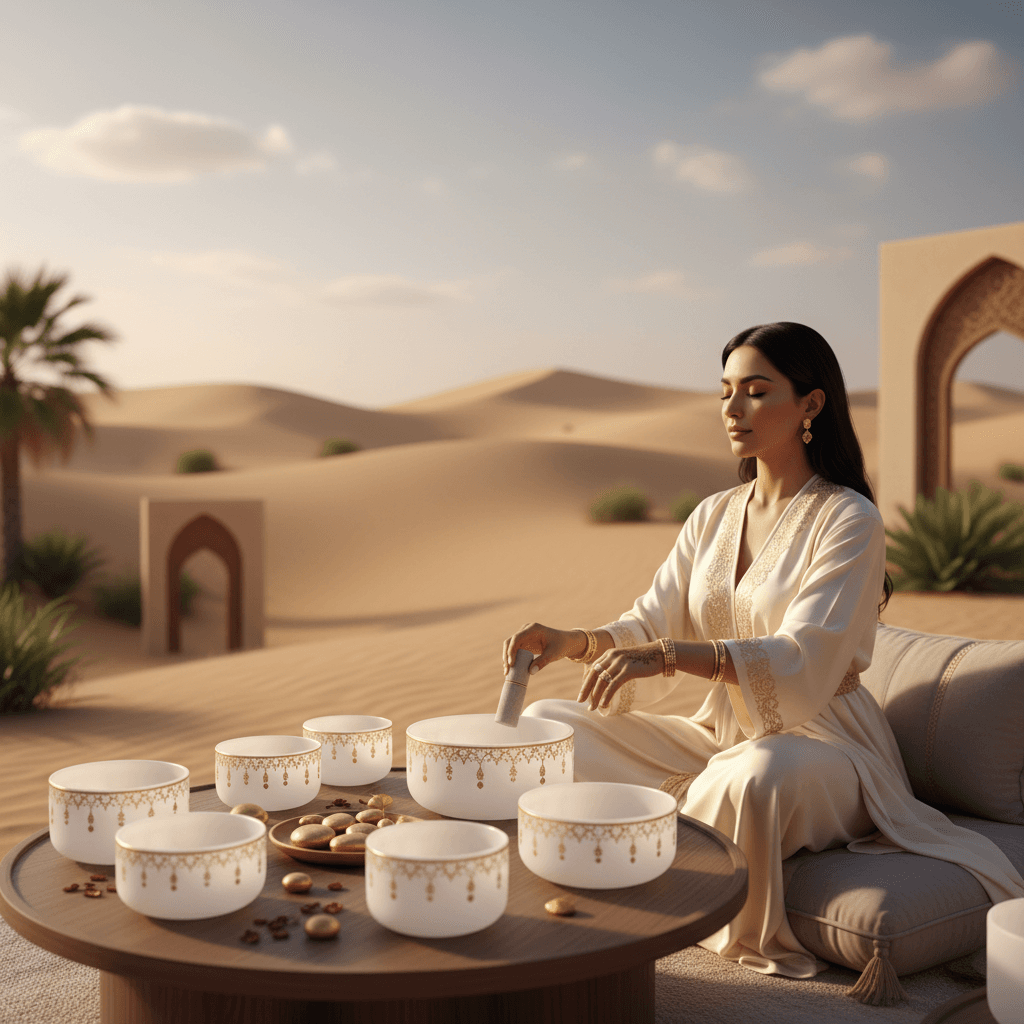
Tibetan Overtone Chanting: The Art of Dual Tones for Deep Well-being
Key Insights
Explore the ancient art of Tibetan Overtone Chanting at Soul Art Dubai. Uncover the science behind dual tones for profound relaxation and holistic wellness with Larissa Steinbach.
Imagine a single human voice capable of producing not one, but two distinct musical notes simultaneously – a deep, resonating rumble and a clear, high-pitched whistle, all from one breath. This seemingly mystical feat is at the heart of Tibetan Overtone Chanting, a profound vocal art that has captivated cultures for centuries and is now gaining recognition in the Western world for its remarkable wellness benefits. It's a practice that transcends mere performance, offering a unique pathway to profound relaxation and energetic balance.
At Soul Art, Dubai's premier sound wellness studio founded by Larissa Steinbach, we delve into the intricate beauty and scientific underpinnings of these ancient vocal techniques. This article will unravel the mystery of how dual tones are produced, explore the fascinating science behind these extraordinary sounds, and reveal how engaging with them can elevate your state of well-being. Prepare to discover a powerful, natural tool for stress management and inner harmony, rooted in both tradition and modern understanding.
The Science of Dual Tones: Unveiling Vocal Harmonics
The phenomenon of producing multiple tones from a single vocal source might seem like magic, but cutting-edge scientific research has illuminated the intricate physiological mechanisms at play. While much of the recent scientific study has focused on Tuvan throat singing, known as Khoomei, the principles of overtone production are universal to various biphonic vocal traditions, including those found in the meditative practices of Tibetan monks. These ancient practices, honed over generations in Central Asia, demonstrate an extraordinary level of human vocal control.
The Phenomenon of Overtone Chanting
Overtone chanting, also referred to as vocal harmonics, is a vocal technique where a singer manipulates the resonant cavities of their vocal tract to amplify specific harmonic overtones naturally present in their voice. The result is the perception of multiple distinct pitches emerging from a single fundamental tone. This creates a rich, complex soundscape that can be deeply immersive and transformative for both the singer and the listener. The perceived sound often involves a low, guttural drone accompanied by a high, flute-like melody.
The ability to produce such a wide range of simultaneous notes, sometimes spanning several octaves, is a testament to the human vocal apparatus's incredible adaptability. Masters of this art, like those studied by researchers, display an exceptional degree of motor control that allows them to "tease out" these simultaneous sounds with remarkable precision. Although it sounds extraordinary, research suggests that, with diligent practice, potentially anyone could learn to do this, transforming the voice into a sophisticated musical instrument.
How the Human Voice Produces Overtones
To understand how dual tones emerge, we first need to appreciate the basic mechanics of human sound production. When we speak or sing, our vocal folds (often incorrectly called vocal cords) in the larynx vibrate rapidly. This vibration creates a fundamental buzzing noise, and the speed of this vibration determines the primary pitch we perceive – faster vibrations create higher pitches, and slower vibrations create lower ones. This fundamental pitch is the lowest and loudest frequency produced.
However, the vocal folds don't just produce a single, pure frequency. They simultaneously generate a series of fainter, higher-pitched frequencies that are mathematically related to the fundamental tone. These higher frequencies are called harmonics or overtones. They are integer multiples of the fundamental frequency (e.g., if the fundamental is 100 Hz, the first overtone is 200 Hz, the second is 300 Hz, and so on). These harmonics are what give each voice, and indeed every musical instrument, its unique timbre or sound quality. Without overtone manipulation, these harmonics are typically blended, contributing to the richness of the voice but not heard as distinct, separate pitches.
The Role of the Vocal Tract: Formant Tuning
The magic of overtone chanting lies not in the initial sound generation by the vocal folds, but in what happens after the sound leaves the larynx. The human vocal tract – encompassing the pharynx, mouth, and nasal cavities – acts like a resonating chamber, much like the body of a string instrument or the pipes of an organ. As the complex sound (fundamental plus its overtones) travels through this chamber, the shape of the vocal tract emphasizes certain frequencies while attenuishing others. These emphasized frequencies are known as formants. In normal speech, our mouth and tongue shape these formants to produce different vowel sounds.
What distinguishes overtone singers is their extraordinary ability to manipulate their tongue, jaw, lips, and soft palate with extreme precision to create very specific, narrow resonances. Instead of forming broad formants for vowels, they can precisely tune their vocal tract to amplify a single, specific harmonic overtone, making it loud enough to be heard as a distinct, separate pitch alongside the fundamental drone. Researchers, using advanced techniques like MRI scans and acoustic analysis on master singers from groups like Huun Huur Tu, have identified two primary locations of vocal tract manipulation crucial for this phenomenon: one just behind the upper teeth using the tongue, and another in the area near the back of the mouth that transitions into the throat. This precise control allows them to merge multiple formants into one "exceedingly sharpened formant," creating the illusion of two voices from one.
Biphonic Singing vs. Glottal Pulsation
An important scientific distinction is that this dual-tone production is primarily achieved through vocal tract resonance, not by the vocal folds themselves vibrating in two different modes. While other biological systems, such as the avian syrinx in birds, can generate multiple simultaneous pitches directly at the source of vibration, human overtone chanting relies on the sophisticated shaping of the sound after it leaves the larynx. The careful acoustic analysis performed by researchers confirms that a single harmonic series is generated by the vocal folds; it is the subsequent manipulation within the vocal tract that brings out the distinct overtones. This understanding underscores that overtone chanting is a skill of exquisite control over the resonating spaces of the human body, transforming it into a highly sophisticated and versatile sound instrument.
"These singers are using their vocal tracts like musical instruments. We found two locations – one just behind the upper teeth using their tongue and another in the area of near the back of the mouth that turns into the throat." - Brad Story, researcher.
The ability to achieve such precise motor control is truly remarkable, suggesting a deep connection between physical mastery and auditory perception. It demonstrates the profound potential of the human body to create and interact with complex soundscapes, offering unique avenues for exploration in wellness and self-awareness.
How It Works in Practice: The Vibrational Experience
Understanding the science behind overtone chanting provides a fascinating intellectual framework, but the true impact of these dual tones is experienced viscerally. When you engage with Tibetan Overtone Chanting, either as a participant or a listener, you embark on a journey that resonates deeply within your physical and subtle bodies. The experience goes beyond mere auditory perception; it becomes a profound vibrational massage that can influence your entire being.
The primary sensation many people report during overtone chanting is a feeling of deep, pervasive vibration. As the rich, complex sounds are produced, the intricate interplay of the fundamental tone and its amplified overtones creates a multi-layered acoustic field. This field generates subtle, yet palpable, vibrations that can be felt in the chest, head, and even throughout the entire body. The quality of the resonance, especially when encompassing the full range of natural overtones, is widely recognized as a key factor in promoting states of relaxation and reducing stress. According to anecdotal evidence and practitioners in sound therapy, these different harmonics and sub-harmonics generated by vocal overtones, much like those from singing bowls, perform a gentle, internal massage at a cellular level, potentially promoting a sense of ease and release.
Beyond the physical sensations, the auditory experience itself is uniquely captivating. The distinct high whistle-like tone floating above a steady, low drone creates an almost ethereal quality, drawing the listener into a state of heightened awareness. This unique sound signature can act as a powerful anchor for the mind, gently guiding it away from everyday distractions and into a deeper, more meditative state. The brain naturally seeks patterns and coherence, and the harmonious relationship between the fundamental and its overtones provides a rich, complex auditory landscape that encourages focused listening without effort. This focused listening often leads to a reduction in mental chatter, paving the way for mental clarity and inner peace.
For those engaging in the active practice of overtone chanting, the experience is even more immersive. The conscious effort to shape the vocal tract and amplify specific harmonics requires an intense focus on internal bodily sensations and auditory feedback. This focused attention can become a form of mindfulness meditation, grounding the individual in the present moment and fostering a strong mind-body connection. The act of producing these sounds can also be incredibly empowering, as one learns to harness the subtle power of their own voice to create profound sonic beauty. Many individuals report that the practice supports a greater sense of self-awareness and fosters a deeper appreciation for the intricate capabilities of their own vocal instrument. This active engagement can also have a self-regulating effect on the nervous system, potentially shifting it from a state of fight-or-flight into one of rest-and-digest, which is crucial for overall wellness.
The profound effects of overtone chanting on stress reduction and nervous system regulation are increasingly recognized. The sustained, resonant tones, especially when practiced or experienced in a supportive environment, may support the activation of the parasympathetic nervous system, promoting a state of calm. This physiological shift is highly beneficial for stress management, as it helps to lower heart rate, regulate breathing, and relax muscle tension. The holistic impact of this practice is not just about reducing negative states, but also about cultivating a deeper sense of internal balance and vitality. It is a powerful complementary approach to cultivating a state of quietude and emotional equilibrium, fostering resilience in the face of daily stressors.
The Soul Art Approach: Larissa Steinbach's Vision
At Soul Art, Dubai, Larissa Steinbach and her team are dedicated to offering transformative sound wellness experiences that honor ancient traditions while integrating modern understanding. Larissa's vision for Soul Art is to create a sanctuary where individuals can explore the profound potential of sound to facilitate relaxation, self-discovery, and holistic well-being. The studio's approach to Tibetan Overtone Chanting is deeply rooted in this philosophy, blending scientific insight with intuitive practice to deliver unique and impactful sessions.
Larissa Steinbach, drawing from her extensive knowledge of sound healing and wellness practices, integrates the principles of overtone chanting into Soul Art’s diverse offerings. She understands that the power of overtone chanting lies not only in its unique acoustic properties but also in its capacity to create a deeply meditative and harmonizing environment. Under her guidance, clients are introduced to the subtleties of vocal harmonics, learning how these dual tones can resonate with their internal landscape, fostering a sense of balance and calm. The Soul Art method emphasizes creating a space where the intricate vibrations of these sounds can be fully absorbed, promoting a restoration of the nervous system and a quietening of the mind.
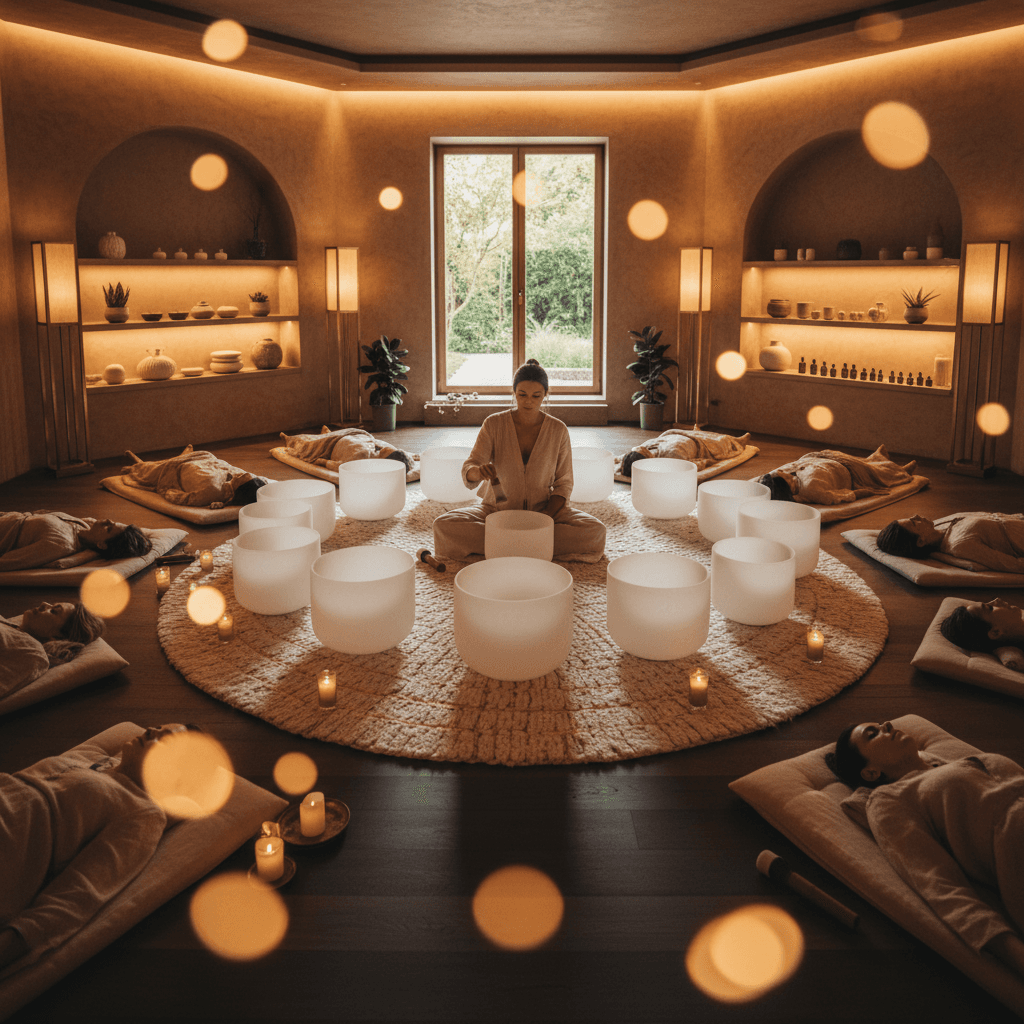
What makes the Soul Art method unique is its commitment to providing an authentic yet accessible experience of sound wellness. While the scientific explanation of formants and vocal tract manipulation provides a logical framework, Larissa ensures that the practical application is always focused on the client's subjective experience of well-being. This involves a careful curation of the sonic environment, often combining overtone chanting with other resonant instruments such as traditional Tibetan singing bowls, gongs, and other sound tools. These instruments are chosen for their ability to produce rich overtones and deep, sustained vibrations, enhancing the overall immersive effect. The synergy created by these combined sounds can lead to an even deeper state of relaxation and energetic alignment.
Soul Art's sessions are designed to be an exploration of your inner soundscape. Whether through guided group sessions or personalized one-on-one experiences, Larissa Steinbach and her skilled practitioners facilitate an environment where clients can safely explore the therapeutic potential of overtone chanting. They focus on guiding participants to not only listen but also to feel the intricate vibrations within their own bodies, helping them to connect with their inherent capacity for self-regulation and healing. The focus is always on the journey of self-care and personal growth, empowering individuals to integrate these powerful practices into their daily lives for sustained wellness. The intention behind every note and every resonance is to create a pathway to profound relaxation and an enhanced sense of vitality, making Soul Art a beacon for those seeking deeper harmony in their lives.
Your Next Steps: Integrating Dual Tones into Your Life
The journey into the world of Tibetan Overtone Chanting is an exploration of sound, self, and serenity. While the sophisticated vocal control required for biphonic singing takes dedicated practice, the benefits of listening to and engaging with these powerful vibrations are immediately accessible. Integrating the wisdom of dual tones into your daily routine can provide a profound complementary approach to stress management and overall well-being. Here are some practical steps you can take today to begin experiencing its transformative potential:
-
Mindful Listening: Seek out high-quality recordings of overtone chanting or Tuvan Khoomei. Find a quiet space, close your eyes, and allow yourself to simply listen without judgment. Pay attention to the distinct layers of sound, the deep fundamental drone, and the high, ethereal overtones. Notice where you feel the vibrations in your body and how your mind responds to the intricate harmony. This practice of active, meditative listening can be a powerful tool for grounding and centering.
-
Explore Simple Vocal Toning: You don't need to be a master overtone singer to benefit from vocal sound. Begin by humming or chanting a single, comfortable tone. Experiment with different vowel sounds (e.g., "Om," "Ah," "Ee") and notice how the shape of your mouth and tongue changes the resonance and subtle overtones in your voice. This gentle exploration can help you become more aware of your own vocal tract and the innate vibrational qualities of your voice, potentially supporting stress release.
-
Seek Guided Experiences: The most impactful way to experience overtone chanting is through guided sessions with experienced practitioners. These sessions provide the optimal environment for deep relaxation and allow you to fully immerse yourself in the rich sonic landscape. A skilled guide can help you navigate the nuances of the sound, ensuring a safe and profoundly beneficial experience that focuses on relaxation and well-being.
-
Hydrate and Rest: Like any vocal practice, and indeed any wellness practice, optimal hydration is key. Ensure you are well-hydrated before engaging in vocal toning or listening sessions to support vocal health and overall physiological balance. Combining sound practices with adequate rest can amplify their benefits, allowing your body and mind to fully integrate the experience.
-
Connect with Soul Art: To truly delve into the world of sound wellness and explore the unique approach to Tibetan Overtone Chanting offered in Dubai, we invite you to connect with Soul Art. Larissa Steinbach and her team provide a nurturing environment where you can learn, experience, and integrate these ancient practices into your modern life. Discover how the art of dual tones can profoundly enhance your path to holistic well-being.
In Summary
Tibetan Overtone Chanting is an extraordinary vocal art, where a single voice creates dual, distinct tones that resonate deeply within the listener. Modern scientific research, drawing insights from practices like Tuvan Khoomei, reveals this marvel is achieved through precise manipulation of the vocal tract, amplifying natural harmonics into discernible overtones. This ancient wellness practice offers a unique path to profound relaxation, mental clarity, and nervous system regulation.
At Soul Art, Larissa Steinbach masterfully integrates these profound principles, offering an unparalleled sound wellness experience in Dubai. By blending traditional wisdom with a sophisticated understanding of acoustics, Soul Art guides you to harness the power of your own vibrational field. We invite you to explore this ancient art and discover a powerful complementary approach to cultivating deep peace and renewed vitality.
Bookings Coming Soon
Soul Art is still in preparation. Session details and booking will be published here after launch.
Coming Soon
Wellness Disclaimer: This article is for educational and informational purposes only. It does not constitute medical advice, diagnosis, or treatment. Soul Art Dubai provides non-medical wellness experiences focused on relaxation, stress management, and general wellbeing. Sound wellness is a complementary practice and should not replace professional medical care.
Related Articles
Maori Poi & Sound: Pacific Traditions for Modern Well-being
Swedish Nyckelharpa: The Science of Nordic String Healing
Apollo's Ancient Echoes: Sound Healing & Holistic Wellness