Maori Poi & Sound: Pacific Traditions for Modern Well-being
Key Insights
Explore the ancient wisdom of Maori poi and its mesmerising sound. Discover how these Pacific Island traditions inspire Soul Art Dubai's sound wellness for profound relaxation and nervous system regulation with Larissa Steinbach.
The Resonant Echoes of Ancestral Wisdom: Maori Poi and Sound
Imagine a rhythmic, hypnotic sound—a gentle whoosh, a soft tap, a resonant thud—accompanying graceful, swirling movements that seem to transport you to another realm. This is the essence of poi, a traditional art form deeply embedded in Māori culture. While often celebrated for its visual artistry, the sound of poi holds an equally profound significance, offering a powerful avenue for wellness that transcends centuries.
At Soul Art Dubai, we are continually inspired by ancient traditions that harness the power of sound and movement for holistic well-being. The Māori poi, with its intricate connection between rhythm, material, and spiritual expression, provides a remarkable lens through which to explore the profound impact of sound on our nervous system and overall health. This article delves into the rich heritage of poi, its scientific underpinnings, and how its principles resonate within modern sound wellness practices, offering pathways to deep relaxation and enhanced focus.
The Resonance of Rhythm: Unpacking the Science Behind Poi and Sound
The seemingly simple act of swinging a poi ball is a sophisticated interplay of physics, physiology, and cultural intention. Its rhythmic movements and unique acoustic properties are not merely for performance; they engage our brains and bodies in ways that may support profound states of well-being. Understanding these mechanisms helps us appreciate the therapeutic potential embedded within this ancient Pacific tradition.
Brainwave Entrainment and Rhythmic Stimulation
Our brains are highly susceptible to rhythmic input. When exposed to consistent, repetitive rhythms, our brainwaves tend to synchronize with that external pulse, a phenomenon known as brainwave entrainment. The consistent, cyclical sounds of poi—whether the rustle of its natural materials or the soft impact of the ball—can guide brain activity towards states of relaxation and heightened focus. Many people report that engaging with such rhythms can induce alpha and theta brainwave states, which are associated with meditation, creativity, and deep calm.
Moreover, rhythmic auditory stimulation may engage the vagus nerve, a critical component of the parasympathetic nervous system responsible for the "rest and digest" response. This activation can help to reduce physiological stress markers, slow heart rate, and foster a sense of tranquility, effectively downshifting the body from a state of fight-or-flight. The deliberate, measured tempo of traditional poi performance is designed to cultivate a contemplative and focused atmosphere, directly influencing these neural pathways.
Neurological Benefits of Coordinated Movement
While poi swinging is an active practice, the principles behind its coordinated movement still offer insights for passive reception in sound wellness. The intricate patterns and bilateral coordination required to swing poi engage multiple brain regions, enhancing proprioception (awareness of one's body in space), motor planning, and cognitive function. Even as a listener, observing or imagining these movements can activate mirror neurons, potentially eliciting a similar calming response as if one were performing the movement oneself.
This form of focused, rhythmic engagement can act as a powerful form of active meditation. It directs attention, quiets mental chatter, and improves concentration, making it a valuable tool for cognitive well-being. The sustained focus necessary for poi, combined with its inherent sonic elements, creates a rich sensory experience that may support improved executive function and mental clarity.
The Meihana Model and Holistic Well-being
Māori concepts of health and well-being provide a profound framework for understanding poi's holistic impact. The Meihana Model and Te Puawaitanga o Ngā Whānau (six markers of whānau flourishing), for instance, offer positive, holistic overviews of the multiple, fundamental, and interconnected components required for positive health outcomes for Māori. These models emphasize the spiritual, mental, emotional, and physical aspects of well-being, not in isolation, but as interconnected parts of a whole.
The POIS-10 Māori study explicitly underpinned its design and analyses with these models, aiming to improve Māori and whānau outcomes and experiences post-injury, resulting in health gains for Māori, whānau, and wider Māori communities. This underscores how traditional practices like poi are intrinsically linked to holistic recovery and flourishing, addressing not just physical ailments but the entire spectrum of an individual's and community's health. Poi was traditionally used across music, health, combat, spirituality, storytelling, and entertainment, demonstrating its integrated role in daily life and well-being.
The Therapeutic Power of Indigenous Soundscapes
The sound of poi is not accidental; it is a deliberate outcome of its construction and use. Prior to European contact, the poi raupō, made from the spongy leaves of the bullrush wrapped around the fluffy down of its flower, was common. This construction created a soft, absorbent interior that allowed sound to travel, producing unique acoustic qualities. Poi awe, adorned with tufts of white dog hair and woven muka cord, were used ritually, including during funerals as part of the spiritual grieving process, highlighting their deep spiritual and emotional resonance.
These specific materials and techniques contribute to the poi’s identity as taonga pūoro, or traditional Māori instruments. While this translation often focuses on the musical aspect, it is also deeply tied to spiritual belief and relationship with the environment. The sounds generated by poi are thus not merely auditory stimuli but carry cultural memory, intention, and a connection to the land and ancestral wisdom, creating a rich and meaningful soundscape that may promote emotional release and spiritual connection.
"The practice is as much a practice of spiritual belief and relationship with the environment as it is a musical one." This profound connection between sound, spirit, and nature is a cornerstone of indigenous wellness.
How It Works in Practice: Experiencing the Poi's Sonic Tapestry
While poi is an active dance and performance art, its intrinsic sonic qualities offer a powerful experience even for those observing or simply listening to its sounds. The principles gleaned from poi's traditional applications provide a blueprint for understanding how rhythmic sound can support deep states of relaxation and internal harmony.
When you experience the sound of poi, you encounter a rhythmic landscape that is both captivating and profoundly soothing. The distinct whoosh of the poi cutting through the air, the soft tap or thud as it impacts the body or another poi, and the subtle rustle of its natural fibers create a multi-layered auditory experience. This continuous, flowing soundscape can quickly draw your attention inward, away from external distractions and internal anxieties.
The repetitive, predictable nature of poi rhythms acts as an anchor for the mind. This steady pulse encourages a meditative state, where the mind is present and focused without being overly stimulated. Many people report feeling a sense of groundedness and mental clarity as these sounds wash over them. The consistent frequency and amplitude of these rhythms may support the nervous system in shifting towards a more regulated, calm state.
Beyond the auditory, the essence of poi evokes a visual and even kinesthetic understanding of flow and grace. Imagining the dancer's controlled, fluid movements can enhance the meditative experience, fostering a sense of inner balance and rhythm within oneself. This holistic engagement—mind, body, and spirit—is key to the deep relaxation and emotional release many experience when connecting with traditional rhythmic practices. The intentionality and cultural significance embedded in the sounds further deepen this experience, adding layers of meaning that resonate on a profound level.
The Soul Art Approach: Inspired by Pacific Island Wisdom
At Soul Art Dubai, Larissa Steinbach embraces the profound wisdom found in ancient cultural practices, including the deep rhythmic and resonant principles exemplified by Māori poi. While Soul Art doesn't offer poi instruction, the studio integrates the core essences of poi—its rhythmic intentionality, its connection to holistic well-being, and its inherent sonic qualities—into its unique sound wellness methodology. Larissa Steinbach is committed to offering experiences that honor these traditions respectfully, translating their core benefits into accessible modern practices.
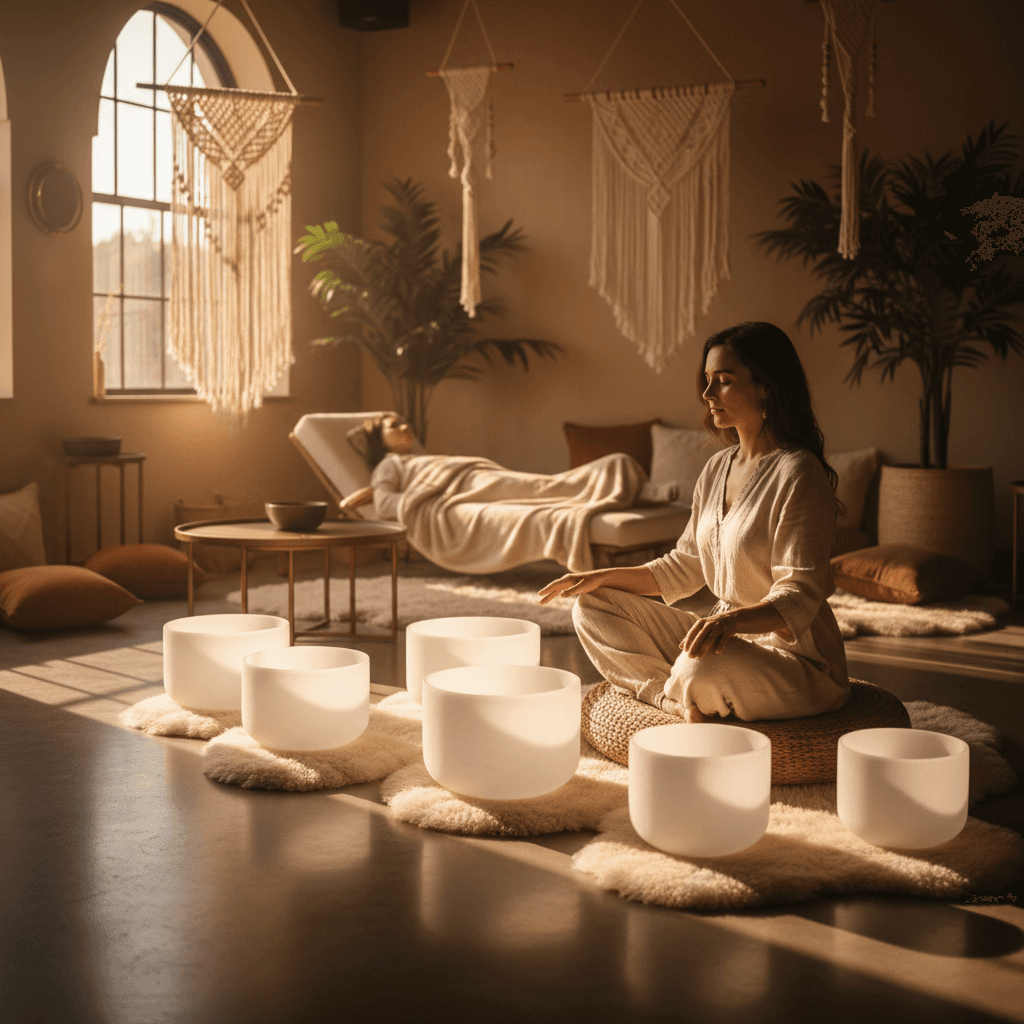
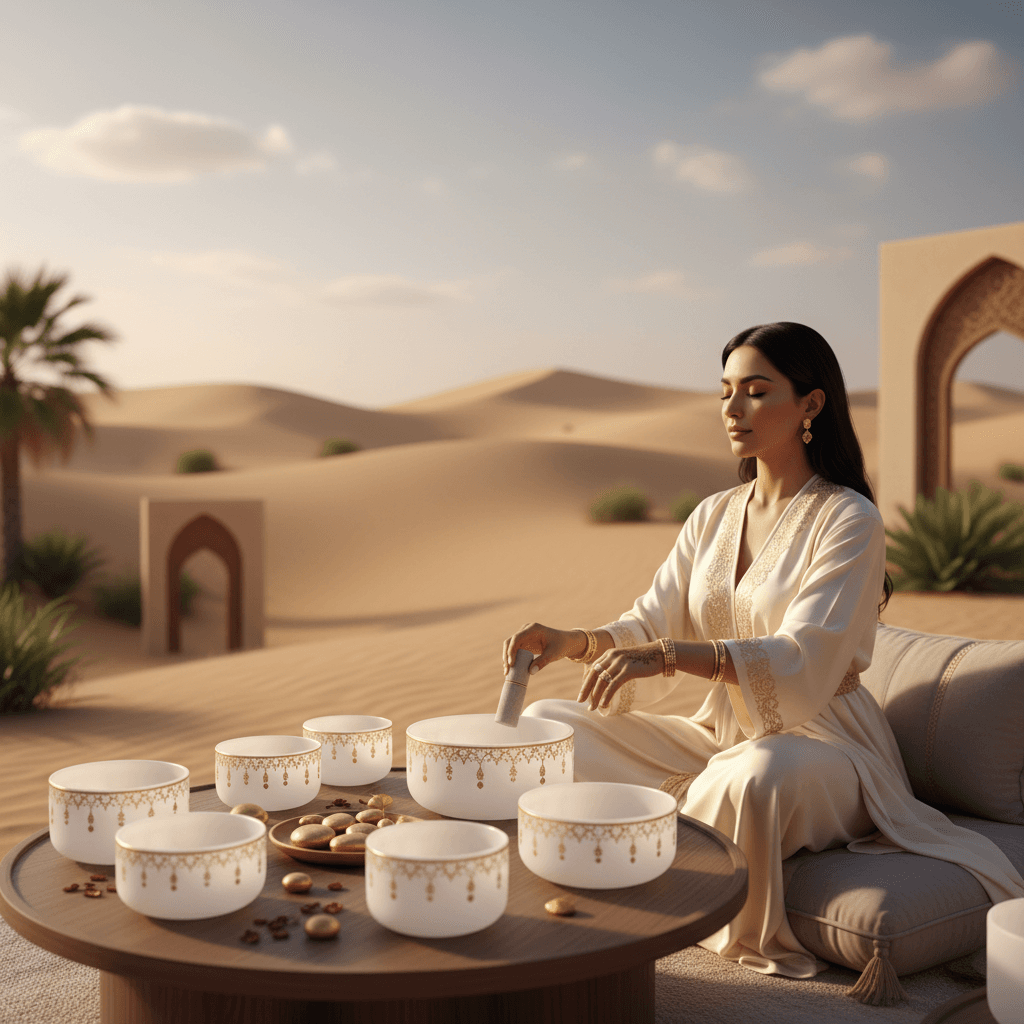
Larissa Steinbach's approach to sound wellness is informed by a recognition that many traditional tools, like poi, were never just about performance; they were integral to spiritual, physical, and community health. At Soul Art, this translates into crafting soundscapes that mimic the mesmerizing, steady rhythms and resonant frequencies found in such practices. We use a diverse array of instruments—from Himalayan singing bowls and crystal bowls to gongs and various percussive elements—chosen for their ability to create sustained, resonant sounds and therapeutic vibrations.
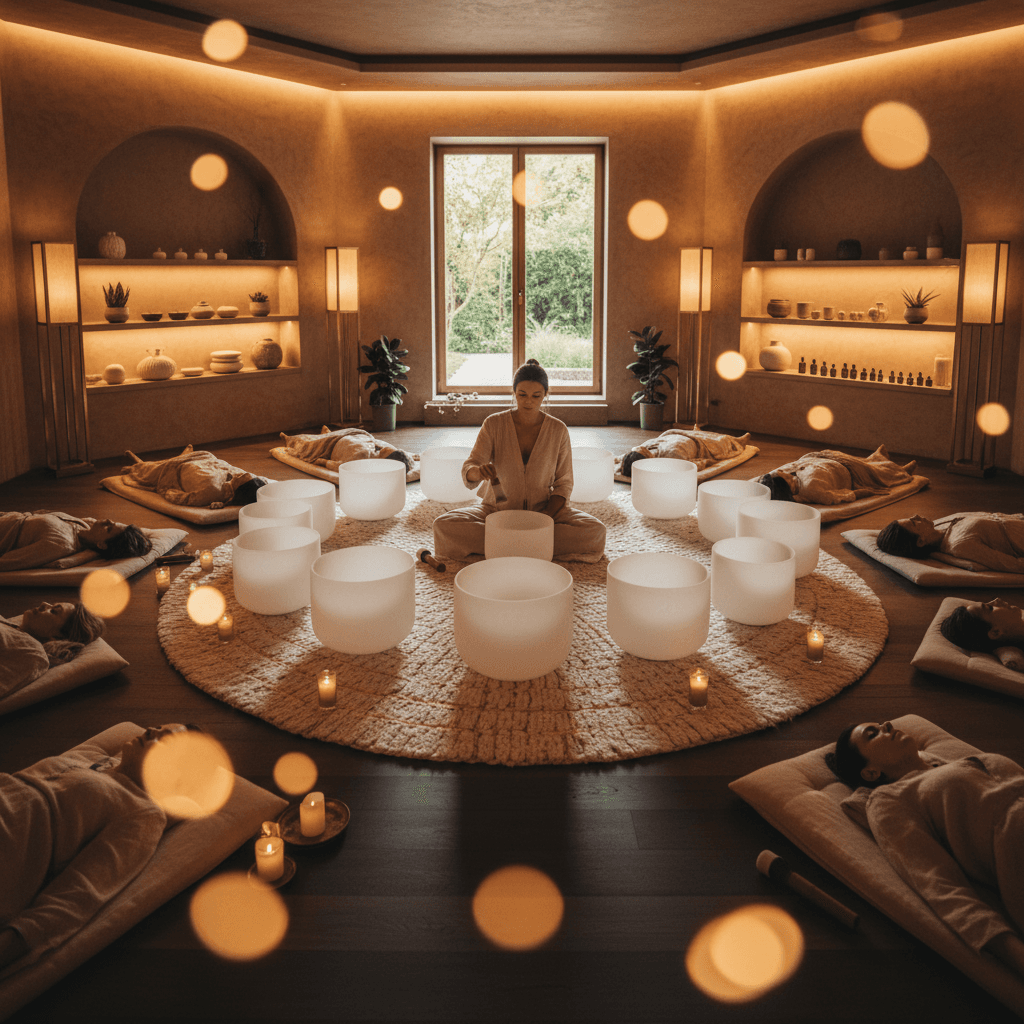
The Soul Art method focuses on guiding clients into deep states of relaxation and nervous system regulation. Just as the consistent sound of poi can entrain brainwaves, our carefully curated sound baths encourage the brain to shift into alpha and theta states, promoting profound relaxation and restorative rest. Larissa Steinbach emphasizes the power of coherent rhythm and harmonic frequencies to create a safe, supportive space for self-discovery and stress release, inviting clients to experience a unique blend of ancient wisdom and contemporary application.
This unique synergy allows Soul Art to deliver wellness experiences that are not only deeply relaxing but also intellectually engaging, inviting clients to explore the rich tapestry of global sound traditions. The intentionality behind each sound session at Soul Art mirrors the purposeful use of poi in Māori culture, aiming for holistic benefits that nourish the mind, body, and spirit.
Your Next Steps: Embracing Rhythmic Wellness
The wisdom inherent in Māori poi and other Pacific Island traditions offers simple yet powerful ways to integrate rhythm and mindful sound into your daily life. These practices are complementary approaches that may support overall well-being and provide effective stress management tools. Incorporating elements of rhythmic wellness can help you cultivate a calmer mind and a more regulated nervous system.
Here are some practical steps you can take today:
- Mindful Listening: Dedicate time each day to truly listen to rhythmic sounds, whether it's gentle music, the steady beat of a drum, or even the natural rhythms around you. Pay attention to how these sounds affect your breathing and heart rate.
- Embrace Simple Rhythms: Engage in simple rhythmic activities like walking, gentle swaying, or even tapping your fingers. Focus on the repetitive motion and its accompanying sound, allowing it to become a moving meditation.
- Explore Cultural Soundscapes: Seek out recordings or performances of indigenous music and soundscapes. Approach them with an open mind and a respectful heart, appreciating the profound connection between sound, culture, and well-being.
- Conscious Breathing with Rhythm: Practice rhythmic breathing exercises, inhaling and exhaling to a slow, steady count. This can directly influence your nervous system, promoting relaxation and focus, much like the sustained rhythms of poi.
- Discover Sound Wellness: Consider exploring professional sound wellness sessions. Experiencing guided sound baths can provide a powerful pathway to deep relaxation, inspired by the rhythmic and resonant principles discussed.
In Summary
The Māori poi stands as a testament to the enduring power of Pacific Island traditions, seamlessly weaving together rhythmic movement, specific acoustic properties, and profound cultural meaning. Its deep scientific underpinnings, from brainwave entrainment to holistic health models, reveal why this ancient art form is so effective in fostering well-being. By understanding the intentionality and resonant qualities of poi, we gain insights into the therapeutic potential of sound and rhythm.
At Soul Art Dubai, Larissa Steinbach draws inspiration from such rich cultural heritages, translating their core principles into transformative sound wellness experiences. We invite you to explore how the deliberate application of sound can support your nervous system, reduce stress, and guide you towards a state of deep inner harmony.
Bookings Coming Soon
Soul Art is still in preparation. Session details and booking will be published here after launch.
Coming Soon
Wellness Disclaimer: This article is for educational and informational purposes only. It does not constitute medical advice, diagnosis, or treatment. Soul Art Dubai provides non-medical wellness experiences focused on relaxation, stress management, and general wellbeing. Sound wellness is a complementary practice and should not replace professional medical care.
Related Articles
Swedish Nyckelharpa: The Science of Nordic String Healing
Apollo's Ancient Echoes: Sound Healing & Holistic Wellness
Ancient Echoes: Egyptian Chanting for Modern Sound Wellness in Dubai